
Understanding the Biggest Risks for Future Pandemics
Identifying Key Threats to Global Health and Strategies for Mitigation
Key Takeaways
- Emerging Pathogens and Zoonotic Spillover: New and animal-origin pathogens present significant pandemic threats.
- Environmental and Human Factors: Climate change, urbanization, and global connectivity facilitate disease spread.
- Systemic Vulnerabilities: Antimicrobial resistance, inadequate healthcare infrastructure, and misinformation exacerbate pandemic risks.
Emerging Pathogens and Zoonotic Spillover
The Rise of Unknown and Re-emerging Viruses
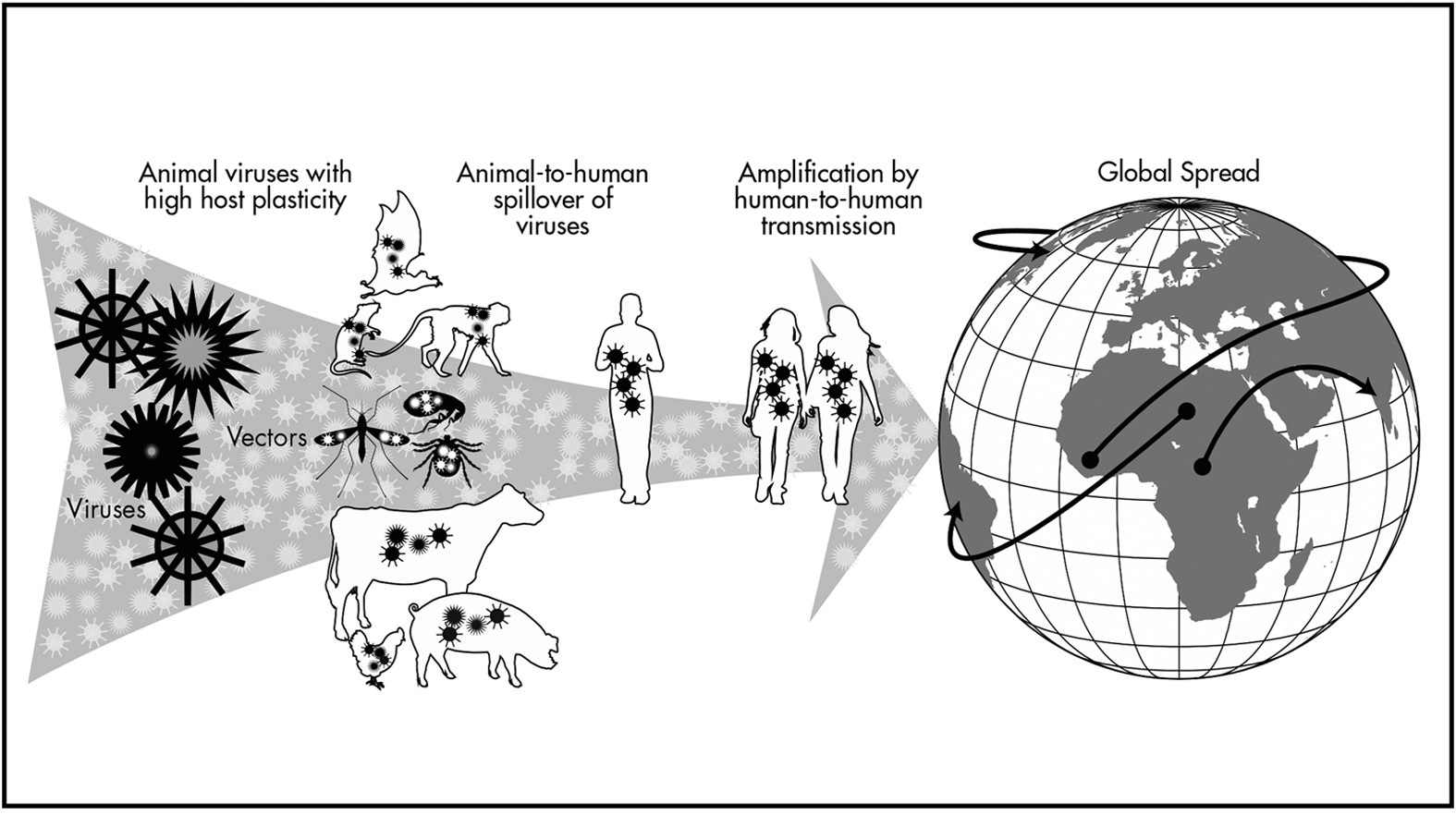
The continuous emergence of new pathogens, often originating from animal reservoirs, poses a substantial risk for future pandemics. "Disease X," a term coined by the World Health Organization, encapsulates the threat of an unknown pathogen that could trigger a global health crisis. Historical precedents, such as the COVID-19 pandemic caused by SARS-CoV-2, underscore the unpredictability and rapid spread of novel viruses.
Zoonotic Spillover: Human-Animal Interactions
Zoonotic diseases, which transfer from animals to humans, are increasingly prevalent due to intensified human-animal interactions. Factors such as deforestation, urban expansion, and agricultural intensification disrupt natural habitats, elevating the likelihood of pathogens crossing species barriers. Intensive livestock farming, in particular, creates environments conducive to the mutation and transmission of viruses from animals to humans.
Case Study: Avian Influenza
Avian influenza, especially strains like H7N9, exemplifies the dangers of zoonotic spillover. The high mutation rate of influenza viruses facilitates their adaptation to human hosts, potentially leading to widespread outbreaks if containment measures fail.
Environmental and Human-Induced Factors
Climate Change and Its Impact on Disease Vectors
Climate change significantly alters the geographical distribution of disease vectors such as mosquitoes and ticks. Changes in temperature and precipitation patterns expand the habitats of these vectors, enabling the spread of diseases like dengue, malaria, and Zika to previously unaffected regions. Additionally, climate change-induced disruptions in ecosystems can lead to increased human-animal interactions, further elevating the risk of zoonotic disease transmission.
Urbanization and Population Density
Rapid urbanization, especially in developing regions, results in overcrowded living conditions with inadequate sanitation and healthcare infrastructure. High population density facilitates the rapid transmission of infectious diseases, turning localized outbreaks into global pandemics. The proliferation of megacities without corresponding investments in public health can serve as incubators for disease spread.
Global Connectivity and Travel
The interconnectedness of the modern world accelerates the dissemination of pathogens. International travel and trade mean that infectious diseases can traverse continents within hours, complicating containment efforts. The COVID-19 pandemic highlighted how quickly a virus can become a global threat due to rapid international movement.
Systemic and Societal Vulnerabilities
Antimicrobial Resistance (AMR)
The rise of antimicrobial resistance presents a looming threat to global health security. Resistant strains of bacteria and other pathogens reduce the efficacy of existing treatments, making infections harder to control and increasing mortality rates. AMR undermines efforts to manage pandemics by limiting the available arsenal of therapeutic options.
Public Health Infrastructure and Preparedness
Many regions lack robust public health systems capable of effectively detecting, responding to, and managing emerging health threats. Insufficient funding, inadequate disease surveillance, and limited healthcare access in low and middle-income countries hinder timely responses to outbreaks, allowing diseases to escalate into pandemics.
Vaccine Hesitancy and Misinformation
The spread of misinformation and lack of public trust in vaccines can severely impede pandemic response efforts. Vaccine hesitancy leads to lower immunization rates, facilitating the unchecked spread of infectious diseases. Addressing misinformation through transparent communication and education is crucial for effective pandemic management.
Technological and Security Risks
Bioterrorism and Laboratory Accidents
The potential misuse of pathogens for bioterrorism and accidental releases from high-security laboratories represent significant pandemic risks. Ensuring stringent biosecurity measures and international cooperation is essential to prevent the intentional or accidental propagation of infectious agents.
Cybersecurity Threats to Public Health Systems
Cyberattacks targeting healthcare infrastructure can disrupt pandemic response efforts by compromising data integrity, hindering communication channels, and disabling critical systems. Strengthening cybersecurity protocols is vital to protect public health responses from digital threats.
Environmental and Geographical Factors
Impact of Ecosystem Disruption
Ecosystem disruptions caused by human activities alter animal migration patterns and species interactions, increasing opportunities for pathogens to transfer to humans. Preserving natural habitats and regulating land use can mitigate the risks associated with ecosystem-induced disease transmission.
Climate Change and Ecosystem Health
Climate-induced changes in ecosystems affect the prevalence and distribution of various pathogens. For instance, warmer temperatures can lead to prolonged breeding seasons for mosquitoes, enhancing the transmission rates of mosquito-borne diseases.
Healthcare and Research Initiatives
Enhancing Global Health Surveillance
Improving global health surveillance systems is crucial for the early detection and containment of emerging pathogens. Investment in real-time data collection, genomic sequencing, and international data sharing can enhance the ability to respond swiftly to potential pandemic threats.
Research and Development of Vaccines and Treatments
Ongoing research into vaccine technologies and therapeutic treatments is essential for preparing against future pandemics. Advancements in mRNA vaccine platforms, antiviral drugs, and rapid diagnostic tools can significantly reduce response times and improve management strategies.
Strengthening Healthcare Infrastructure
Building resilient healthcare systems with adequate resources, trained personnel, and robust supply chains is fundamental to effectively managing pandemics. Investments in healthcare infrastructure ensure that systems can withstand the pressures of large-scale health emergencies.
Mitigation Strategies and Recommendations
International Cooperation and Policy Making
Global collaboration is imperative for effective pandemic prevention and response. International agreements, such as the proposed Pandemic Agreement at the World Health Assembly, aim to standardize response protocols, share resources, and coordinate research efforts.
Public Health Education and Community Engagement
Educating the public about disease prevention, the importance of vaccination, and hygiene practices can empower communities to take proactive measures against infectious diseases. Community engagement fosters trust and facilitates the adoption of health guidelines.
Sustainable Environmental Practices
Adopting sustainable practices that minimize environmental disruption can reduce the risk of zoonotic spillover and ecosystem-induced disease transmission. Conservation efforts and responsible land-use planning are integral components of pandemic prevention strategies.
Comprehensive Risk Overview
| Risk Factor | Description | Potential Impact |
|---|---|---|
| Emerging Pathogens | Unknown viruses and bacteria with pandemic potential. | High; can lead to rapid global spread. |
| Zoonotic Spillover | Transmission of diseases from animals to humans. | High; increased contact with wildlife. |
| Climate Change | Alters habitats and vector distribution. | Medium; expands disease zones. |
| Global Travel | Facilitates rapid disease dissemination. | High; quick international spread. |
| Antimicrobial Resistance | Drugs becoming ineffective against pathogens. | High; complicates treatment. |
| Public Health Infrastructure | Capacity and readiness of health systems. | High; inadequate systems delay response. |
| Vaccine Hesitancy | Reluctance or refusal to vaccinate. | Medium; reduces herd immunity. |
| Bioterrorism | Intentional release of pathogens. | Low to High; depends on scale and control. |
Conclusion
The landscape of pandemic risks is shaped by a confluence of emerging pathogens, environmental changes, and systemic vulnerabilities. Addressing these challenges requires a multifaceted approach that includes enhancing surveillance systems, investing in healthcare infrastructure, promoting sustainable environmental practices, and fostering international cooperation. By understanding and mitigating these risks, the global community can better prepare for and potentially prevent future pandemics, safeguarding public health and ensuring resilient societies.
References
Last updated February 16, 2025