
Unlocking Engagement: Gamification in Wellness Programs
Enhancing employee well-being through playful, data-driven innovation.
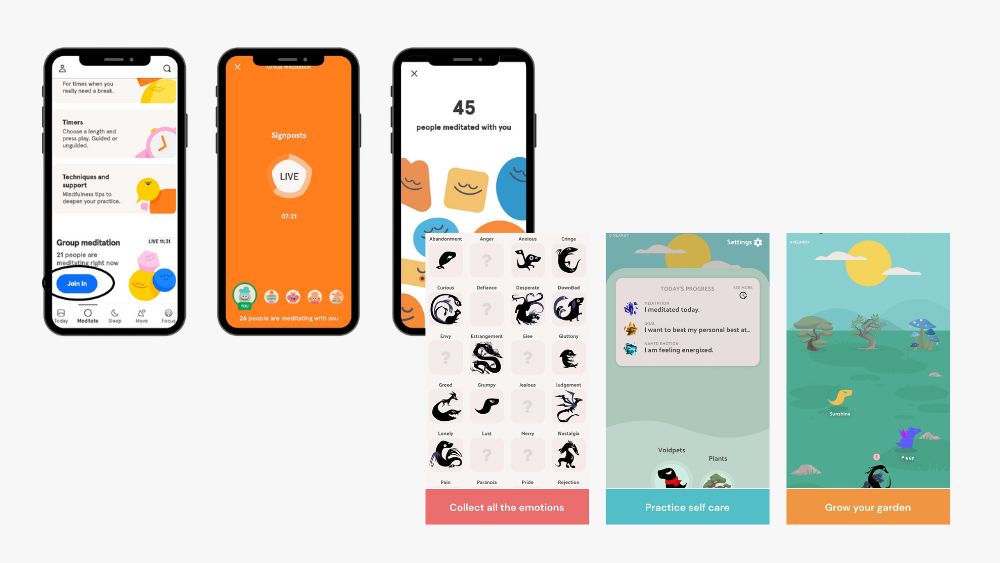
Key Highlights
- Increased Engagement – Gamification transforms wellness activities into interactive challenges.
- Behavioral Change – Game elements foster long-term healthy habits through incentives.
- Data-Driven Insight – Real-time tracking and feedback help sustain motivation and accountability.
Introduction to Gamification in Wellness Programs
Gamification, the practice of incorporating game design elements into non-game contexts, has become a powerful tool in corporate wellness programs. By integrating rewards, challenges, leaderboards, and social elements, companies can motivate employees to take part in health initiatives, promoting improved physical and mental well-being. This innovative approach leverages human psychology by tapping into intrinsic motivators such as competition, achievement, and community, transforming routine health tasks into compelling experiences.
Core Elements and Benefits
Game Mechanics in Wellness Programs
At the heart of gamification are specific game mechanics that not only make wellness programs enjoyable but also drive sustainable behavior change:
Points, Rewards & Incentives
Programs often allocate points for completing activities such as steps walked, calories burned, or attendance at wellness workshops. These points can be exchanged for tangible benefits like discounts, gift cards, or extra vacation hours. The reward system helps reinforce positive behavior by providing immediate satisfaction and a clear path toward achieving goals.
Challenges and Quests
Challenges, such as step or hydration contests, encourage employees to push themselves by setting short-term goals. Quests are task-oriented experiences that might span days or weeks, motivating participants to achieve milestones over time. Both elements drive engagement by introducing variety and a sense of purpose.
Leaderboards and Competitions
Leaderboards create a competitive environment where employees can compare their achievements with colleagues. This friendly competition spurs participants to improve their performance and fosters a shared sense of achievement among teams.
Badges and Achievements
Digital badges and achievement notifications serve as symbolic awards for reaching specific targets or completing milestones. They provide recognition within the program and encourage users to continue participating in various wellness activities.
Feedback and Social Sharing
Immediate feedback and opportunities to share progress on social media platforms are essential in maintaining motivation. When employees share their successes, it reinforces a community feeling and creates positive peer pressure that helps uplift the overall engagement of the program.
Impact on Employee Engagement and Wellness
Enhancing Engagement and Participation
Gamification effectively increases engagement by transforming mundane activities into interactive challenges. When wellness initiatives incorporate elements that are typically found in games, employees are more likely to participate actively. Engagement is enhanced by:
- Fun and Enjoyable Activities: The playful aspects of gamification make wellness programs more enjoyable and less like obligatory tasks.
- Timely Rewards: Immediate rewards such as points, badges, and shortcuts to progress help maintain motivation.
- Friendly Competition: Introducing competitive elements can raise morale, improve teamwork, and provide benchmarks for personal improvement.
Fostering Long-Term Behavioral Change
A significant advantage of gamified wellness initiatives is their capacity to instill long-term behavioral changes. By making healthy actions fun and rewarding, employees are more inclined to adopt and sustain behaviors that contribute to improved health outcomes. With regular participation, gamified programs help in reducing stress, enhancing mental health, and building better lifestyle habits, ultimately benefiting both the individual and the organization.
Data Tracking and Accountability
Advanced wellness platforms incorporate robust tracking systems that monitor progress in real-time. These tracking tools provide valuable data that can be analyzed to assess patterns, identify areas for improvement, and tailor personalized wellness interventions. The combination of tracking and gamified rewards ensures that participants remain accountable for their progress, thereby fostering a proactive approach toward personal health management. The integration of wearable devices and mobile applications with gamified challenges further strengthens this connection.
Implementing Gamification: Best Practices
Strategic Planning and Goal Setting
Before implementing a gamified wellness program, organizations should clearly define their objectives. Strategic planning involves determining the specific goals—whether it’s reducing stress, improving physical fitness, or promoting nutrition awareness. Align these goals with suitable game mechanics to drive the intended behavior changes. Key aspects to consider include:
- Customization: Tailor the program to meet diverse employee needs and preferences. Not every participant is motivated by the same incentives; hence, a flexible system that allows for personalization is crucial.
- Simplicity: Start with basic gamification elements and gradually introduce more complex features. Overloading a program can sometimes have the opposite effect by creating confusion and disinterest.
- Realistic Goals: Establish achievable targets that empower employees to see real progress, thus reinforcing their commitment.
Platform and Technology Considerations
Successful gamification is often supported by intuitive and accessible digital platforms. These platforms provide functionalities such as progress tracking, notifications, and social engagement tools. When selecting a technology platform, consider:
- User-Friendliness: The interface should be easy to navigate so that all employees, regardless of technical expertise, can participate without frustration.
- Integration Capability: The platform should seamlessly connect with existing tools, such as fitness trackers and health apps, to facilitate a smooth exchange of data.
- Scalability: As the program grows, the platform should accommodate an increasing number of users and evolving features without compromising performance.
Evaluation and Iterative Improvement
Continuous evaluation is key to the long-term success of gamified wellness programs. Organizations should regularly gather data and feedback to assess the effectiveness of the gamification elements. This involves:
- Performance Metrics: Use data analytics to measure key performance indicators such as participation rates, health improvements, and user satisfaction.
- Feedback Mechanisms: Implement surveys, focus groups, or direct feedback loops to understand employee experiences and identify areas for enhancement.
- Iterative Updates: Based on the collected insights, adjust and refine the gamification elements to keep them fresh and engaging. This might mean introducing new challenges, adjusting difficulty levels, or modifying reward structures.
Illustrative Table: Gamification Elements and Their Impact
| Gamification Element | Description | Impact on Wellness Programs |
|---|---|---|
| Points & Rewards | Assigning points for various health activities, redeemable for incentives. | Enhances motivation and provides immediate gratification. |
| Challenges & Quests | Short-term and long-term goals that encourage healthy competition. | Promotes regular participation and sustained engagement. |
| Leaderboards | Displays rankings of participants based on their achievements. | Drives healthy competition and creates a community environment. |
| Badges & Achievements | Digital recognition for reaching specific milestones. | Boosts self-esteem and reinforces positive behaviors. |
| Feedback & Social Sharing | Real-time updates and options to share successes. | Encourages accountability while building community support. |
Real-World Applications and Case Studies
Practical Examples and Industry Leaders
Many companies are already harnessing the benefits of gamification to promote a culture of wellness:
- Fitbit Challenges: By leveraging step challenges and friendly competitions, Fitbit encourages users to meet daily activity goals, fostering a sense of community around a healthier lifestyle.
- MyFitnessPal: Using a combination of calorie tracking and gamified progress reports, this app motivates users to monitor their eating habits and make informed nutritional choices.
- Habitica: Integrating habit-building with RPG elements, Habitica transforms daily tasks into quests, motivating users to stick to their healthy routines.
- StepBet: This fitness challenge app incentivizes users with cash rewards for achieving daily step targets, turning physical activity into a competitive and rewarding quest.
Long-Term Benefits for Organizations
Organizations that deploy gamified wellness programs report several long-term benefits:
- Reduction in Healthcare Costs: With healthier employees, companies can see a decrease in healthcare-related expenses over time.
- Enhanced Productivity: Improved employee health typically leads to reduced absenteeism and enhanced overall productivity.
- Increased Employee Retention: A vibrant and engaging wellness program contributes to higher employee satisfaction, which in turn reduces turnover rates.
- Robust Data Analytics: The use of tracking tools within gamified environments enables organizations to make data-informed decisions that optimize wellness strategies.
Guidelines for Implementing an Effective Program
Step-by-Step Implementation Framework
Executing a successful gamification strategy in a wellness program necessitates a methodical approach:
1. Define Clear Objectives
Identify what you hope to achieve with the program. Objectives can range from increasing physical activity to boosting overall mental well-being. Establish measurable goals that align with your strategic vision.
2. Select Relevant Game Mechanics
Choose game elements that resonate best with your employee demographic. Consider the demographics, interests, and technological comfort of your employees when designing challenges and rewards.
3. Implement a User-Friendly Technology Platform
A robust, accessible platform can make or break your gamification strategy. Ensure that the chosen platform supports seamless integration with existing health and wellness apps, provides intuitive navigation, and scales with your organizational needs.
4. Launch with a Pilot Program
Pilot programs provide valuable feedback and identify any shortcomings before a full-scale rollout. Use the pilot phase to gather insights, refine game mechanics, and create workflows that maximize user engagement.
5. Monitor, Evaluate, and Iterate
Continuously track participation and performance metrics. Solicit regular feedback and make data-driven adjustments to the program. The iterative process is key to keeping the program dynamic, relevant, and effective.
Integrating Technology with Gamification
The Role of Wearables and Mobile Apps
Advances in wearable technology and mobile applications have revolutionized the integration of gamification in wellness programs. Fitness trackers, smartwatches, and dedicated mobile apps allow employees to monitor steps, track heart rate, measure sleep quality, and log nutritional intake seamlessly. These devices offer a direct feedback loop that is essential for gamification:
- Real-Time Data: Wearables provide instantaneous updates that motivate employees to adjust their activities and reach set goals efficiently.
- Interactive Experiences: Mobile apps equipped with gamification elements such as notifications, progress bars, and achievement pop-ups enhance the user experience.
- Personalization Opportunities: Data collected can be used to create personalized challenges that cater to individual health profiles and preferences.
Security and Privacy Considerations
With the increasing use of personal health data, it is critical to ensure that all gamified wellness platforms adhere to robust security protocols and privacy standards. Organizations must comply with regulatory frameworks and be transparent about data usage to build trust with participants.
Metrics and Evaluation
Measuring Success in Gamified Wellness Programs
Evaluating the success of gamification in wellness initiatives requires careful measurement of both quantitative and qualitative metrics. Common performance indicators include:
- Participation Rates: Monitoring the number of employees participating in various challenges and activities.
- Engagement Levels: Tracking sustained interaction with the platform over time through login frequency and activity completion rates.
- Health Outcomes: Assessing improvements in metrics such as blood pressure, body mass index, and stress levels can provide tangible evidence of the program’s impact.
- Employee Feedback: Regular surveys and focus group discussions reveal insights into satisfaction and areas for improvement.
By establishing a comprehensive set of metrics, organizations not only gauge the immediate success of their gamified wellness programs but can also plan long-term strategies to further enhance employee well-being.
References
- Leveraging Gamification to Boost Your Corporate Wellness Program - Better You
- The Role of Gamification in Corporate Wellness Programs - Corporate Wellness Magazine
- The Power of Gamification in Wellness Programs - BambooHR Blog
- Play to Be Healthy: The Role of Gamification in Workplace Wellness Challenges and Employee Engagement - Core Health
- How Gamification Can Improve Your Corporate Wellness Programs? - Wellness360 Blog
Recommended Queries for Further Exploration
Last updated March 24, 2025