
The Early Roots of GAP Farm in Davao
Exploring the development and historical setting before 1973
Key Highlights
- Agricultural Backdrop: Mindanao, particularly around Davao, was known for its fertile lands and burgeoning plantation culture even before GAP Farm was established.
- Undeveloped Terrain: The specific site of GAP Farm was largely undeveloped, embedded within the broader agricultural economy of the region.
- Visionary Beginnings: Although formal development began in 1973, the foundations for agricultural tourism and cultural preservation were influenced by regional growth and local initiatives.
Historical Context and Regional Development
Prior to 1973, the region surrounding Davao City, and particularly the area where GAP Farm would eventually be located, was marked by the rich agricultural legacy of Mindanao. Mindanao has long been recognized for its significant role in the agricultural industry of the Philippines. The fertile soil and the favorable climate enabled the cultivation of a variety of cash crops, including rubber, bananas, pineapples, and other tropical fruits. This reputation fostered an environment where agriculture was not just a way of life, but a critical economic driver for many local communities.
During the early 20th century and up to the 1970s, government policies and economic initiatives played a pivotal role in promoting agricultural settlement in Mindanao. These policies were aimed at stimulating economic development, alleviating rural discontent in other parts of the Philippines, and harnessing the region's agricultural potential. As settlers moved into the region in search of land and opportunities, vast tracts of land began to be utilized for plantations and experimental farming ventures. The area that would eventually house GAP Farm benefitted indirectly from this broader agricultural transformation.
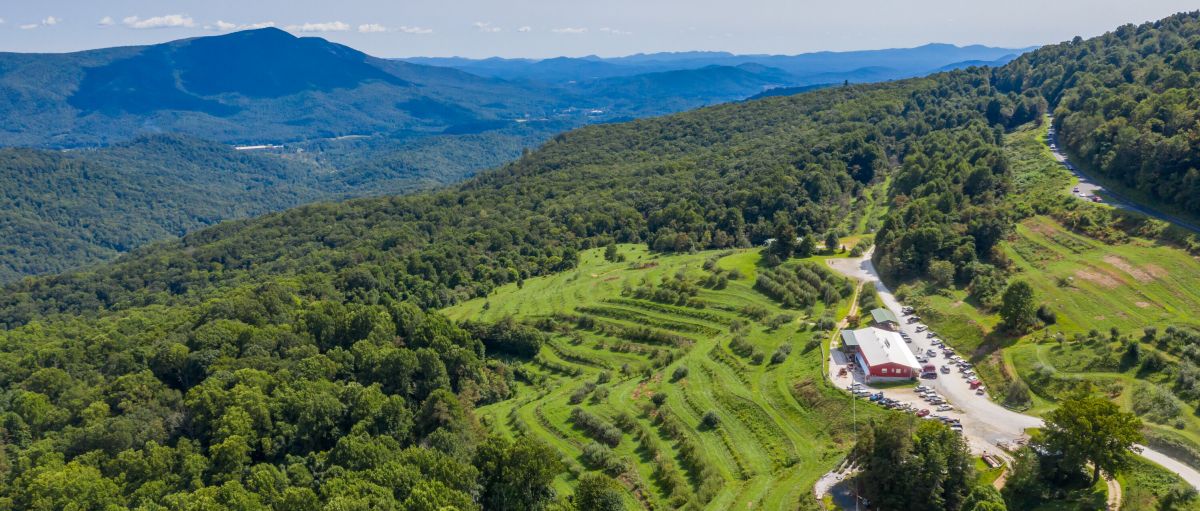
Although the specific plot of land that is now home to GAP Farm had not been developed into a formal resort or farm prior to 1973, it was undoubtedly influenced by the overall agricultural enthusiasm of the region. The natural features of the terrain—a mountainous, hilly landscape with verdant fields and a mix of natural vegetation—echoed the intrinsic qualities that defined the agricultural identity of Davao and Mindanao.
Emergence of Agricultural Tourism Concepts
Local Practices and Emerging Trends
Before formal establishment, the area exchanged hands and underwent phases of informal land use that were typical in regions with substantial agricultural promise. Farmers and local entrepreneurs exploited the natural fertility of the land for fruit orchards and small-scale plantations. This type of land use laid the groundwork for the integration of leisure and farming activities which later became the foundation of GAP Farm as an agricultural resort.
The vision was to blend the productive aspects of farming with the educational and leisure pursuits of tourism. Even though GAP Farm as a branded entity did not exist before 1973, various local models had already started to demonstrate the potential benefits of turning agricultural spaces into destinations for relaxation and learning. It was within this dynamic milieu of agricultural productivity and emerging tourism two key factors were at work:
- Educational Outreach: The value of sharing farming techniques and traditional agricultural practices with a wider audience was beginning to be recognized by local educators and community leaders.
- Tourism and Leisure: Local resorts and retreat-style farms began offering visitors a glimpse of the rural lifestyle, combining recreation with learning opportunities about local fruit-bearing trees, traditional farming, and Philippine folklore.
These nascent initiatives spurred the conceptualization of a unique tourist destination that would eventually culminate in the creation of GAP Farm. The idea was not merely to present a beautiful landscape but to educate the public about culture, history, and the importance of indigenous agricultural practices. These concepts, while still in a formative stage before 1973, were emblematic of the broader aspirations to merge utility with tourism.
Pre-1973 Land Use and the Foundational Era
Physical and Economic Landscape
The site destined to become GAP Farm was originally part of a larger, undeveloped area characterized by natural vegetation and an untapped agricultural potential. Before its purchase in 1973 by its visionary founder, Quirino Villegas, the land was situated within the broader context of agricultural development that defined much of Mindanao's economic narrative. Although not yet a resort, this particular parcel of land shared the common attributes of natural beauty and an inherent capacity for horticulture that was evident throughout the region.
At a time when commercial and industrial development had not deeply penetrated every corner of Mindanao, rural areas around Davao were largely preserved as natural or semi-cultivated spaces. These areas were often used for experimental planting, small-scale farming by local tenants, and even as communal lands managed by indigenous groups. The idea was that, given the region's reputation for high-yield agriculture, these lands were ripe for transformation.
The Influence of Regional Policies and Economic Strategies
The Philippine government and various local authorities recognized the untapped potential of Mindanao's lands and actively promoted agricultural investments and settlements. These policies had a dual objective: boosting food production and stimulating rural development. The plans often prioritized the integration of traditional farming with modern agricultural techniques, reflecting an early understanding of sustainable practices that would later influence agro-tourism projects.
Furthermore, the broader economic strategies of the time aimed to solve rural discontent by encouraging migration to less populated and agriculturally rich regions. This influx of settlers and the accompanying increase in agricultural activities resulted in a gradual transformation of the landscape. Smallholdings and community farms began to turn into more organized plots of land, providing a template for future developments like GAP Farm.
Transition Toward Formal Development
Steps Leading to the Establishment
Although the official story of GAP Farm begins with the founder's active involvement in 1973, the groundwork was already well-laid by the regional agricultural trends. In the early 1970s, progressive ideas emerged that integrated farming with tourism and education. Local entrepreneurs, inspired by similar models in other parts of the country, began to see the potential for a fully integrated resort that could serve both as a leisure destination and an educational center.
When Quirino Villegas acquired the initial two hectares in 1973, he was not only purchasing a piece of land but also inheriting decades of implicit agricultural potential. His vision was to transform an undeveloped yet naturally rich property into a resort that celebrated the local culture and the abundance of Mindanao's natural fruit orchards. Within a short span of time, additional lots were acquired, gradually expanding the property from its humble beginnings into a larger, more diversified space that could accommodate various recreational and educational facilities.
The shift from an undeveloped agricultural plot to an organized farming resort is emblematic of a broader transformation in the region: from mere land for cultivation to a landscape replete with cultural, historical, and economic significance.
Economic and Cultural Implications
The developmental trajectory of the site before 1973 was closely tied to the region’s economic reliance on agriculture. The intrinsic value of the land was understood not only in terms of its immediate agricultural output but also in its cultural and touristic potential. This realization paved the way for a model that seamlessly integrated productive agriculture with cultural preservation and public education.
For the local community, the eventual emergence of GAP Farm came as a natural progression from the region's deep-rooted agricultural practices. By repurposing arable land into a multi-use destination, the initiative offered a unique synergy between nature and culture, serving as a place where history, legacy, and the land’s natural bounty converged.
This transformation was essential in setting the stage for what would later become GAP Farm—more than just a tourist attraction, but a living museum of local heritage and an example of how thoughtful land use could benefit both the economy and cultural identity of Davao City.
Comparative Timeline and Analysis
| Period | Developmental Features | Context & Influences |
|---|---|---|
| Pre-1973 |
• Largely undeveloped natural terrain • Informal agricultural use by locals • Potential for horticulture highlighted by early cultivation practices |
• Background of Mindanao’s robust agricultural policy • Government initiatives urging rural settlement and modern farming • Cultural emphasis on community-led agriculture and education |
| Early 1970s |
• Shifts towards integrating agricultural practices with tourism • Experimentation with organized farming and educative retreats |
• Economic strategies aiming at sustainable rural development • Early notions of agro-tourism influencing land acquisition and use • Community and local entrepreneur interest in cultural preservation |
| 1973 Onwards |
• Acquisition of land by Quirino Villegas • Formal development of GAP Farm as an agricultural and leisure resort |
• Visionary leadership transforming undeveloped land • Extension of the region’s agro-tourism model into a structured resort setting |
Integrative Insights into GAP Farm's Historical Landscape
Synthesizing Land and Legacy
The backdrop to GAP Farm's evolution is characterized by a seamless integration of natural potential, developmental foresight, and a regional commitment to agricultural innovation. The undeveloped and naturally rich lands that preceded the establishment of GAP Farm provided an optimal foundation for the introduction of structured farming tourism. This progression was not isolated; rather, it was a manifestation of a larger trend observed across Mindanao.
Quirino Villegas and his family recognized that the intrinsic qualities of the land—in its fertile soils, scenic vistas, and agricultural capacity—mirrored the broader agricultural ethos of Davao City. Although the land was only formally transformed into GAP Farm post-1973, its inherent value had been well established by decades of cultivation practice, local experimentation, and economic policies geared toward agricultural productivity. Thus, the historical narrative of GAP Farm is a testament to how regional development, even at an informal level, can eventually give rise to significant cultural and tourism landmarks.
The incorporation of local fruits such as durian, rambutan, and pomelo into the later framework of GAP Farm was a natural extension of the land’s potential. This agricultural identity continued to underpin the resort's appeal, merging natural beauty with historical and educational insights that honored both the regional landscape and the enduring traditions of local farming practices.
References
- GAP Farm Resort - Davao City Tourism Website - Davao City Tourism
-
GAP Farm: Davao's Original Tourist Destination - Philippine Morning Post
- Gap Farm: Old Treasure Worth a Visit - Sunstar
- GAP Farming Resort History - Mindanao Times
- Visiting the GAP Farm In Davao - Ecency
Recommended Queries for Deeper Insights
 davaocitybybattad.blogspot.com
 eye-in-the-blue-sky.blogspot.com
 ecodavao.blogspot.com
eye-in-the-blue-sky.blogspot.com
davaocitybybattad.blogspot.com
 davaoandmore.blogspot.com
Last updated March 17, 2025