
Healthiest Cooking Oils Revealed
Discover comprehensive insights for choosing the best oils for your culinary delights
Key Insights
- Nutrition & Benefits: Emphasizing healthy fats, antioxidants, and heart-friendly compounds.
- Smoke Point & Applications: Understanding which oil is optimum for low or high-heat cooking is essential.
- Usage Recommendations: Selecting oils based on cooking method and nutritional aims ensures culinary excellence.
Understanding Cooking Oils
When considering healthier cooking oils, one must evaluate several factors such as nutritional content, flavor profile, and especially the oil’s smoke point. The smoke point is the temperature at which an oil begins to break down, smoke, and potentially form harmful compounds. The choice of oil largely influences both the taste of your dishes and the overall health benefits you derive from your meals. Various oils have unique properties, and selecting the right one means aligning your culinary practices with your health goals.
Fundamentals of a Healthy Cooking Oil
In general, the healthiest cooking oils are those that are rich in monounsaturated and polyunsaturated fats. These fats are known to support cardiovascular health, reduce inflammation, and promote overall wellness. In contrast, saturated fats, particularly those that come from processed sources or certain tropical oils like coconut and palm oil, are best consumed in moderation due to their potential negative impacts on cholesterol levels and heart health.
Nutrient Density & Antioxidants
Oils differ considerably in their nutrient profiles. For example, extra virgin olive oil (EVOO) contains a wealth of antioxidants and polyphenols that help fight inflammation and protect against chronic diseases. Similarly, avocado oil is prized for its high oleic acid content, an essential monounsaturated fat that supports heart health and nutrient absorption.
Importance of the Smoke Point
The smoke point plays a crucial role in determining how an oil should be used. Oils with higher smoke points, such as avocado oil or safflower oil, are ideal for frying, roasting, and stir-frying, as they can withstand the high temperatures without degrading. Conversely, oils with lower smoke points like flaxseed oil are best enjoyed in applications where heat is minimal—such as salad dressings, dips, or as a finishing oil.
Most Recommended Healthy Cooking Oils
Several cooking oils have risen in popularity among health professionals and culinary experts alike, primarily due to their nutritional benefits and versatile uses. Here, we provide an in-depth look at some of the top choices:
1. Extra Virgin Olive Oil (EVOO)
Recognized globally as a cornerstone of the Mediterranean diet, extra virgin olive oil (EVOO) is celebrated for its high monounsaturated fat content and rich supply of antioxidants. Its benefits include:
- Lowering low-density lipoprotein (LDL) cholesterol levels.
- Providing potent anti-inflammatory properties.
- Enhancing cardiovascular health through beneficial fatty acids and polyphenols.
Usage Recommendations
This oil is best used for low to medium heat cooking such as sautéing. It also shines as a dressing ingredient for salads and drizzles over cooked dishes for extra flavor.
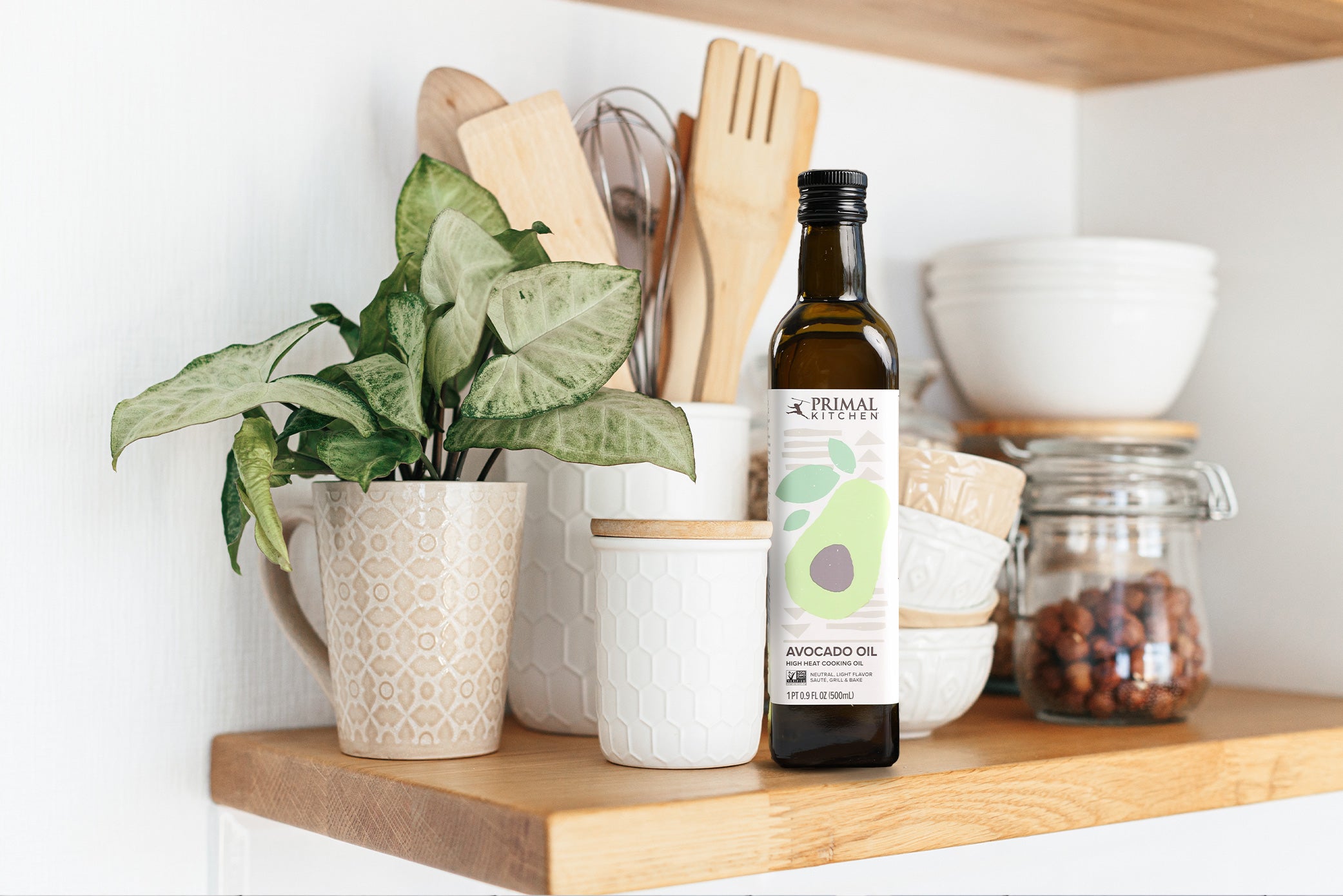
2. Avocado Oil
Avocado oil has rapidly become a favorite among chefs for its versatility and robust nutritional profile. Notable for its high smoke point, it is an excellent choice for:
- High-heat cooking applications like frying, roasting, and stir-frying.
- The production of dressings, marinades, and even baked goods.
Nutritional Benefits
The high concentration of oleic acid aids in reducing inflammation and boosts heart health. Its mild, buttery taste makes it an appealing substitute for many traditional oils.
3. Sesame Oil
Sesame oil offers a distinct nutty flavor that complements various cuisines, especially in Asian dishes. Its benefits include:
- An antioxidant-rich profile, which helps neutralize free radicals.
- Potential anti-inflammatory effects.
- A balanced composition of healthy fats.
Culinary Uses
Ideal for light sautéing or as a finishing oil, sesame oil can also be used to enhance the flavor of dressings and sauces, creating a robust profile in your recipes.
4. Walnut Oil
Walnut oil is especially valued for dishes that benefit from a delicate, nutty flavor. It is rich in omega-3 fatty acids, making it suitable for:
- Cold salad dressings and baked goods where delicate flavor preservation is essential.
- Finishing touches on dishes where its flavor can shine without being heated excessively.
Health Focus
While it has a low smoke point, making it unsuitable for high-heat cooking, its balanced omega-3 and omega-6 profile promotes cardiovascular health when used appropriately.
5. Safflower Oil
Safflower oil is another commendable option, popular due to its high smoke point and low saturated fat content. Its merits are:
- An excellent candidate for high-heat applications such as frying and baking.
- A neutral flavor that does not overpower the taste of food.
- Alignment with heart-healthy dietary patterns due to its low levels of saturated fats.
6. Canola (Rapeseed) Oil
Canola oil, widely used in cooking and food processing, is distinguished by its:
- Low saturated fat content and high levels of omega-3 fatty acids.
- Versatility in use, ranging from baking to grilling.
- Neutral flavor that makes it an unobtrusive cooking medium, allowing the flavors of ingredients to remain intact.
Important Considerations
Look for varieties that are minimally processed and free of additives. Cold pressing methods preserve the natural nutrients and flavors in the oil.
7. Flaxseed Oil
Flaxseed oil has gained attention because of its impressive content of omega-3 fatty acids. However, due to its low smoke point, it is best used for:
- Cold applications such as salad dressings or as a nutritional supplement drizzled over prepared dishes.
- Boosting dietary omega-3 intake, which has benefits for heart health and reducing inflammation.
Usage Guidelines
Due to the sensitive nature of its fatty acid composition, it should not be used for cooking at high temperatures to avoid degradation.
Comparative Table of Cooking Oils
| Cooking Oil | Nutritional Benefits | Ideal Usage | Smoke Point (°F) |
|---|---|---|---|
| Extra Virgin Olive Oil (EVOO) | Rich in monounsaturated fats, antioxidants, & polyphenols | Sautéing, dressings, low-medium heat | 325-350 |
| Avocado Oil | High in oleic acid; supports heart and nutrient absorption | High-heat cooking (frying, roasting, stir-frying) | 520 |
| Sesame Oil | Antioxidants; beneficial phytochemicals | Sautéing, dressings, finishing oil | Varies (generally moderate) |
| Walnut Oil | Rich in omega-3 fatty acids | Cold applications (salads, dressings) | Low |
| Safflower Oil | Low in saturated fats; heart-friendly | Frying, baking, high-heat cooking | 440-520 |
| Canola (Rapeseed) Oil | High in omega-3 and low in saturated fats | Baking, grilling, everyday cooking | 400 |
| Flaxseed Oil | Guarded riches in omega-3 fatty acids | Cold dressings, nutritional boost | Low |
Additional Considerations When Choosing Oils
Beyond simply selecting an oil based on its inherent nutritional properties, a few broader factors must also be considered:
Refinement and Processing
The method of extraction plays an influential role in the quality of the oil. Cold-pressed or extra-virgin options, as they are often referred to, are less likely to have undergone chemical processing. This not only helps retain natural antioxidants and nutrients but also makes them a purer option, free from additives and degradation products that can form during high-heat processing.
Dietary Goals and Culinary Techniques
Different oils contribute uniquely not only to flavor but to dietary goals as well. If one aims to maximize the intake of heart-healthy fats, opting for a blend of EVOO and avocado oil could be ideal. On the other hand, for delicate dishes where flavor integrity is paramount—like gourmet salads—walnut oil or flaxseed oil can be used. Your choice should therefore align with both your health priorities and the intended cooking method.
Moderation and Variety
While it might be tempting to choose one oil and use it in every scenario, varying your oil usage can offer a more balanced intake of nutrients. Each oil brings a unique profile of fatty acids and antioxidants. A diversified approach not only helps in maximizing health benefits but also in keeping your culinary experiences vibrant and interesting.
Storage and Shelf Life
Once you have selected an oil, proper storage is critical to maintain its quality. It is best stored in a cool, dark place away from direct sunlight. Exposure to heat and light accelerates oxidation, diminishing both flavor and its nutritional properties. Always check product labels for storage recommendations to ensure your chosen oil remains at its best.
The Science Behind Healthy Oils
Scientific research validates the myriad benefits of certain cooking oils. Current studies indicate that replacing saturated fats with unsaturated fats reduces the risk of heart disease significantly. For example, monounsaturated fats found in oils like EVOO and avocado oil can help reduce harmful levels of LDL cholesterol while increasing beneficial high-density lipoprotein (HDL) levels. Additionally, antioxidants present in these oils protect cells against damage from free radicals, a process linked to aging and various chronic illnesses.
Scientific Evidence and Consumer Guidance
Health organizations, including the American Heart Association, emphasize the importance of selecting oils with low levels of saturated fats and a high concentration of omega fatty acids. The guidance also recommends avoiding partially hydrogenated oils, which are a source of trans fats that contribute negatively to heart health. Numerous studies support these dietary recommendations, underscoring the importance of incorporating a variety of healthy oils while limiting those known to raise cholesterol and increase inflammation.
Culinary Creativity with Healthy Oils
Cooking is not only a vital part of daily life but an art form that blends nutrition with creativity. Healthy oils provide an excellent canvas for culinary experimentation. For instance, using extra virgin olive oil in pasta sauces or as a base for infusion with herbs can enhance a dish’s flavor while also supplying nutritional benefits. Avocado oil, with its high smoke point and subtle taste, is ideal for searing steaks or preparing roasted vegetables. Similarly, sesame oil elevates Asian stir-fries and dressings by adding a distinct nutty aroma and flavor.
Infused Oils and Homemade Blends
Many household chefs enjoy creating their own infused oils by blending herbs, spices, or even garlic with a quality base oil. This practice not only offers robust flavors that can transform everyday meals but also allows for customization to achieve both health benefits and unique taste profiles. Incorporating these practices helps diversify your intake and keeps your cooking adventures stimulating and nutritious.
Selecting the Right Oil for the Right Dish
The art of pairing specific oils with food items or preparations is crucial. For instance, a robust extra virgin olive oil pairs well with hearty pastas and grilled vegetables, while walnut oil is best reserved for lighter applications where its delicate walnut flavor can be appreciated. By understanding the inherent qualities of each oil—its flavor dynamics, nutritional benefits, and thermal stability—you can make informed decisions that optimize both taste and health.
Practical Tips for Using Healthy Cooking Oils
Here are some practical tips to maximize the health benefits of your chosen cooking oils:
Choose Quality Over Quantity
Investing in high-quality, cold-pressed, or extra-virgin oils might be slightly more expensive initially, but the benefits extend well into health improvements and flavor enhancement. Always read labels carefully to ensure that the oil is free from harmful additives and has not been overly processed.
Monitor Your Cooking Temperatures
Keeping an eye on your cooking temperatures ensures that the oil does not exceed its smoke point, which preserves its nutritional characteristics and flavor authenticity. Use a thermometer if necessary, especially when deep-frying or stir-frying.
Rotate Your Oil Options
By rotating between oils like EVOO, avocado, and safflower, you benefit from a diverse array of fatty acids and antioxidants. Encouraging variety can lead to a more balanced dietary intake and reduce the risk of consuming too much of any one type of fat.
Store Properly
Always store oils in a cool, dark place and tightly seal containers to avoid exposure to oxygen. Proper storage helps prevent rancidity and ensures the oil maintains its health-promoting qualities.
Integrating Healthy Oils into Your Lifestyle
Incorporating healthy cooking oils into your diet extends beyond simple cooking tips. It is about embracing a lifestyle that prioritizes wellness through informed dietary choices. An array of scientific studies reaffirms that embracing unsaturated fats and antioxidants from these oils can contribute to heart health, better metabolic profiles, and enhanced overall nutrition.
Meal Planning and Nutritional Balance
When planning meals, consider how each oil can contribute to nutritional balance. For example, a salad drizzled with EVOO provides a burst of antioxidants, while a stir-fry prepared in avocado oil supports high-heat cooking without losing nutritional integrity. Tailor your choices based on dietary goals, such as boosting omega-3 intake by including flaxseed oil in cold preparations or balancing daily fat intake with diverse oil options.
Enhancing Flavors and Creating Culinary Art
The quality of cooking oils directly influences the sensory experience of your meals. Experiment with different blends, infusions, and preparation techniques to benefit both your palate and health. The innate properties of each oil can be leveraged to create dishes that are both visually appealing and nutritionally robust.
| Preference | Best Oil Types | Optimal Uses |
|---|---|---|
| High-Heat Cooking | Avocado Oil, Safflower Oil, Canola Oil | Frying, Roasting, Stir-Frying |
| Cold Dishes & Dressings | Extra Virgin Olive Oil, Walnut Oil, Flaxseed Oil | Salad Dressings, Finishing Drizzles |
| Flavor-Intensive Recipes | Sesame Oil, Infused Oils | Asian Cuisine, Marinades |
| Everyday Cooking | Canola Oil, Extra Virgin Olive Oil | Baking, Sautéing, General Cooking |
Reference Links
For those interested in more detailed insights or further research into healthy cooking oils, explore the following resources:
- Healthy Cooking Oils (Plus Ones to Avoid) - Dr. Axe
- The 5 Healthiest Oils to Cook With—and 5 To Avoid - Eat This Not That
- 4 Healthy Cooking Oils (and 4 to Avoid) - Healthline
- 7 Top Healthy Oils to Cook With (And 5 to Avoid) - Good Housekeeping
- Healthy Cooking Oils - American Heart Association
Recommended Related Queries
Last updated March 14, 2025