
The Healthiest Cooking Oils for Your Kitchen
Enhance your meals with nutrient-rich oils tailored for every cooking method.
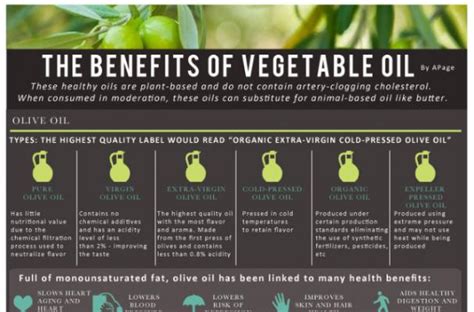
Key Takeaways
- Rich in Healthy Fats: Choose oils high in monounsaturated and polyunsaturated fats to support heart health and reduce inflammation.
- Appropriate Smoke Points: Select oils with suitable smoke points for your cooking techniques to maintain their nutritional integrity.
- Minimal Processing: Opt for cold-pressed and unrefined oils to preserve essential nutrients and antioxidants.
Introduction
The choice of cooking oil plays a pivotal role in both the flavor and nutritional quality of your meals. With countless options available, it can be overwhelming to determine which oils provide the best health benefits while complementing your culinary needs. This comprehensive guide explores the healthiest cooking oils, detailing their benefits, optimal uses, and key nutritional profiles to help you make informed decisions in your kitchen.
Understanding Cooking Oils
Cooking oils are extracted from various plants, seeds, and fruits, each offering unique fatty acid compositions and health benefits. The primary factors to consider when selecting a cooking oil include the type of fats it contains, its smoke point, and the degree of processing it undergoes. Monounsaturated and polyunsaturated fats are generally considered heart-healthy, while saturated and trans fats should be limited in the diet.
Top Healthy Cooking Oils
1. Extra Virgin Olive Oil (EVOO)
Extra Virgin Olive Oil is frequently lauded as one of the healthiest cooking oils available. It is minimally processed, retaining a high level of antioxidants and beneficial monounsaturated fats.
- Benefits: Rich in monounsaturated fatty acids (MUFAs) and antioxidants like polyphenols, EVOO supports heart health, reduces inflammation, and may protect against certain diseases.
- Best Uses: Ideal for low to medium-heat cooking methods such as sautéing, baking, and making salad dressings. Its robust flavor enhances Mediterranean and other cuisines.
- Smoke Point: Approximately 375–470°F (190–243°C).
2. Avocado Oil
Avocado oil stands out for its impressive nutritional profile and versatility in the kitchen.
- Benefits: High in monounsaturated fats and vitamin E, avocado oil promotes heart health, has anti-inflammatory properties, and contains lutein, which is beneficial for eye health.
- Best Uses: Suitable for high-heat cooking methods like frying, grilling, and roasting due to its high smoke point. Its neutral flavor also makes it versatile for various dishes.
- Smoke Point: Approximately 520°F (271°C).
3. Sesame Oil
Sesame oil is prized not only for its distinctive flavor but also for its health benefits.
- Benefits: Contains both monounsaturated and polyunsaturated fats, along with antioxidants such as sesamol and sesamin, which help reduce inflammation and protect against oxidative stress.
- Best Uses: Ideal for medium-heat cooking, especially in Asian-inspired dishes like stir-fries and sautés. Toasted sesame oil is best used as a flavor enhancer in dressings and drizzles.
- Smoke Point: Approximately 410°F (210°C).
4. Canola (Rapeseed) Oil
Canola oil is a popular choice due to its neutral flavor and favorable fat composition.
- Benefits: Low in saturated fats and high in omega-3 fatty acids, canola oil supports heart health and may help reduce inflammation. It also contains vitamin E, which benefits skin health.
- Best Uses: Versatile for various cooking methods, including frying, baking, and sautéing. Its neutral taste makes it suitable for a wide range of recipes.
- Smoke Point: Approximately 400°F (204°C).
5. Safflower Oil
Safflower oil is known for its high smoke point and light flavor, making it a versatile addition to any kitchen.
- Benefits: High in unsaturated fats and low in saturated fats, safflower oil may help reduce LDL cholesterol levels and support heart health. It also contains vitamin E, an antioxidant.
- Best Uses: Suitable for high-heat cooking methods such as frying, roasting, and grilling. Its neutral flavor does not overpower other ingredients.
- Smoke Point: Approximately 450°F (232°C).
6. Grapeseed Oil
Grapeseed oil is a byproduct of winemaking and is valued for its light texture and high smoke point.
- Benefits: High in polyunsaturated fats and vitamin E, grapeseed oil supports skin health and may aid in reducing inflammation.
- Best Uses: Excellent for high-heat cooking, baking, and as a base for vinaigrettes and mayonnaise due to its mild flavor.
- Smoke Point: Approximately 420°F (216°C).
7. Walnut Oil
Walnut oil is lauded for its rich, nutty flavor and impressive omega-3 fatty acid content.
- Benefits: Extremely high in omega-3 fatty acids, which are essential for brain and heart health. It also contains antioxidants that help combat oxidative stress.
- Best Uses: Best used raw in salad dressings, dips, and drizzles, as heating can degrade its delicate fats and flavor.
- Smoke Point: Approximately 225°F (107°C).
Oils to Use Sparingly or Avoid
1. Coconut Oil
While coconut oil has gained popularity for its unique flavor and medium-chain triglycerides (MCTs), it should be used with caution.
- Benefits: Contains MCTs that may aid in metabolism and provide quick energy. However, it is high in saturated fats, which can increase LDL (bad) cholesterol levels.
- Best Uses: Suitable for baking and sautéing where its distinctive flavor complements the dish. Use in moderation due to its saturated fat content.
- Smoke Point: Approximately 350°F (175°C).
2. Palm Oil
Palm oil is widely used in processed foods but comes with ethical and health considerations.
- Benefits: High in saturated fats, which can raise LDL cholesterol levels. Ethically sourced palm oil retains more nutrients but still poses health risks when consumed in excess.
- Best Uses: Due to its high saturated fat content, it is best used sparingly, primarily in baking and frying.
- Smoke Point: Approximately 455°F (235°C).
Factors to Consider When Choosing Cooking Oils
1. Smoke Point
The smoke point of an oil is the temperature at which it begins to smoke and degrade, producing harmful compounds. It's essential to match the oil’s smoke point with your cooking method:
- Low-Heat Cooking: Oils like extra virgin olive oil and walnut oil are ideal for sautéing at lower temperatures.
- Medium-Heat Cooking: Oils such as sesame oil and flaxseed oil work well for medium-heat applications.
- High-Heat Cooking: Avocado oil and safflower oil are suitable for high-temperature methods like frying and grilling.
2. Fat Composition
Understanding the types of fats in cooking oils is crucial for maintaining a healthy diet:
- Monounsaturated Fats (MUFAs): Beneficial for heart health, present in oils like olive and avocado oil.
- Polyunsaturated Fats (PUFAs): Essential fats that reduce inflammation, found in canola and safflower oil.
- Saturated Fats: Should be limited, present in coconut and palm oil.
3. Processing Methods
Minimally processed oils retain more nutrients and antioxidants. Look for terms like "cold-pressed," "unrefined," or "extra virgin" on labels to ensure higher quality.
4. Nutritional Content
Some oils offer additional nutritional benefits beyond healthy fats. For example, olive oil is rich in antioxidants, while walnut oil provides omega-3 fatty acids essential for brain health.
5. Flavor Profile
The flavor of the oil can impact the overall taste of your dish. Choose oils that complement your recipe:
- Robust Flavors: Extra virgin olive oil and sesame oil add distinctive tastes to dishes.
- Neutral Flavors: Canola oil and grapeseed oil allow other ingredients to shine without overpowering them.
Nutritional Comparison of Healthy Cooking Oils
| Oil | Type of Fats | Smoke Point (°F) | Best Uses | Key Benefits |
|---|---|---|---|---|
| Extra Virgin Olive Oil | Monounsaturated | 375–470 | Sautéing, baking, dressings | Rich in antioxidants, heart-healthy |
| Avocado Oil | Monounsaturated | 520 | Frying, grilling, roasting | High vitamin E, anti-inflammatory |
| Sesame Oil | Monounsaturated & Polyunsaturated | 410 | Stir-fries, dressings, flavoring | Contains sesamol, antioxidants |
| Canola Oil | Monounsaturated & Polyunsaturated | 400 | Frying, baking, sautéing | Low in saturated fat, omega-3s |
| Safflower Oil | Polyunsaturated | 450 | High-heat cooking, roasting, grilling | Reduces LDL cholesterol, vitamin E |
| Grapeseed Oil | Polyunsaturated | 420 | High-heat cooking, baking, vinaigrettes | Supports skin health, anti-inflammatory |
| Walnut Oil | Polyunsaturated | 225 | Salad dressings, dips, drizzles | High in omega-3s, antioxidants |
Practical Tips for Using Cooking Oils
1. Storage
To maintain the quality and nutritional value of your cooking oils:
- Store oils in a cool, dark place away from direct sunlight to prevent oxidation and rancidity.
- Keep oils tightly sealed to reduce exposure to air, which can degrade their quality.
- Consider refrigeration for oils with lower smoke points, such as walnut and flaxseed oil, to extend their shelf life.
2. Measuring and Portion Control
Even healthy oils are calorie-dense. It's important to use them in moderation to avoid excessive calorie intake:
- Use measuring spoons to portion out oils accurately.
- Consider using cooking sprays or brushing oils on pans to reduce the amount used.
3. Combining Oils
Combining different oils can optimize both health benefits and flavor profiles:
- Mix oils with different smoke points and flavors to enhance your dishes effectively.
- For example, combine extra virgin olive oil for its flavor with a higher smoke point oil like avocado oil for cooking.
4. Enhancing Nutritional Value
To maximize the nutritional benefits of your oils:
- Add flaxseed oil or walnut oil to smoothies and salads to boost omega-3 intake.
- Incorporate extra virgin olive oil in dressings and marinades to leverage its antioxidant properties.
Health Implications of Cooking Oil Choices
1. Heart Health
Selecting oils high in monounsaturated and polyunsaturated fats can significantly impact cardiovascular health:
- These fats help reduce LDL cholesterol levels, lower blood pressure, and decrease the risk of heart disease.
- Oils like extra virgin olive oil, avocado oil, and canola oil are excellent choices for promoting heart health.
2. Inflammation Reduction
Chronic inflammation is linked to various diseases, including arthritis and certain cancers. Oils rich in omega-3 fatty acids and antioxidants help mitigate inflammation:
- Walnut oil and flaxseed oil are particularly effective due to their high omega-3 content.
- Antioxidant-rich oils like sesame oil provide additional anti-inflammatory benefits.
3. Brain Health
Omega-3 fatty acids are essential for cognitive function and brain health:
- Incorporating oils like walnut oil and flaxseed oil into your diet can support memory and cognitive function.
- The antioxidants in these oils also protect brain cells from oxidative damage.
4. Weight Management
Healthy fats play a role in satiety and metabolism:
- Monounsaturated fats, found in oils like olive and avocado oil, help you feel fuller for longer, reducing overall calorie intake.
- Medium-chain triglycerides (MCTs) in coconut oil can boost metabolism, but due to its high saturated fat content, it should be used sparingly.
Cooking Techniques and Oil Selection
1. Sautéing and Stir-Frying
For these cooking methods, oils with a medium to high smoke point are ideal to prevent burning and preserve flavor:
- Extra virgin olive oil and sesame oil add robust flavors and are suitable for low to medium-heat sautéing.
- Avocado oil and safflower oil are excellent for high-heat stir-frying, maintaining stability and nutritional integrity.
2. Baking
The choice of oil in baking can affect both the texture and healthiness of your baked goods:
- Canola oil and grapeseed oil are preferred for their neutral flavors and light textures, preventing overpowering the baked goods.
- Extra virgin olive oil can be used in bread and savory baked items to enhance flavor and add nutritional benefits.
3. Frying
Frying requires oils that can withstand high temperatures without breaking down:
- Avocado oil and safflower oil are ideal for deep frying due to their high smoke points and stability.
- Grapeseed oil is also suitable for frying, offering a neutral taste that doesn't interfere with the flavor of the fried items.
4. Dressings and Cold Dishes
For salads, dressings, and other cold applications, oils that retain their flavor and nutritional profile without heating are preferred:
-
Extra virgin olive oil and walnut oil add rich, flavorful notes and are packed with antioxidants and healthy fats.
-
Flaxseed oil should be used raw to preserve its delicate omega-3 fatty acids, making it perfect for smoothies and dressings.
Conclusion
Selecting the healthiest cooking oils involves understanding their nutritional profiles, smoke points, and appropriate culinary uses. Prioritizing oils rich in monounsaturated and polyunsaturated fats, such as extra virgin olive oil, avocado oil, and sesame oil, can significantly enhance your diet and support overall health. By considering factors like minimal processing and proper storage, you can maximize the benefits these oils offer. Remember to use all oils in moderation, as they are calorie-dense, and always match the oil's properties to your cooking method to maintain both flavor and nutritional integrity.
References
Last updated January 16, 2025