
Exploring Diagnostic Evaluations and Hearing Loss in Medical-Surgical Nursing
A comprehensive guide on tests, classifications, causes, and impacts of hearing impairment
Highlights
- Comprehensive Diagnostic Testing: Integrates Audiometry, Tympanometry, Imaging, OAE, and ABR to thoroughly assess auditory function.
- Diverse Types & Degrees: Differentiates between conductive, sensorineural, and mixed hearing loss, along with severity ranging from mild to profound.
- Wide Array of Causes & Impact: Explores congenital, acquired, and age-related factors while highlighting the impact on communication and quality of life.
1. Diagnostic Tests
Within the context of medical-surgical nursing, accurately diagnosing hearing loss is crucial for both treatment selection and patient management. Health professionals use a variety of diagnostic tests to evaluate auditory function and to determine the underlying pathology. Below, we detail these tests:
Audiometry and Hearing Tests
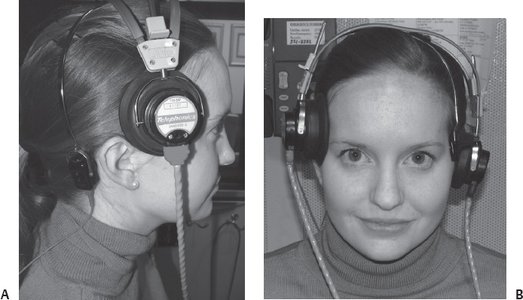
This suite of tests examines an individual's ability to perceive sounds across different frequencies and volumes. One of the primary tools, the audiogram, visually represents hearing thresholds in decibels (dB HL) and helps identify the type and degree of hearing loss. There are several types of audiometry, with pure-tone audiometry being the most common, where patients respond when they detect a sound at various pitches.
Tympanometry
Tympanometry evaluates the middle ear’s functionality, particularly the compliance of the tympanic membrane and the mobility of the ossicles in response to variations in air pressure. This test is instrumental in diagnosing middle ear conditions such as fluid accumulation, tympanic membrane perforations, or Eustachian tube dysfunction. Its results assist in differentiating between conductive and sensorineural hearing loss.
Imaging Studies (CT Scan, MRI)
For a structural evaluation of the auditory system, imaging studies such as Computed Tomography (CT) and Magnetic Resonance Imaging (MRI) are employed. CT scans provide detailed images of the bony structures of the ear, enabling the identification of abnormalities like ossicular discontinuities or bony malformations. In contrast, MRIs offer superior soft tissue contrast, making them invaluable for assessing the auditory nerve and brain structures, especially when suspecting neural pathologies or tumors.
Otoacoustic Emissions (OAE) & Auditory Brainstem Response (ABR)
OAE tests measure the echo produced by the cochlea when exposed to sound stimuli, providing a sensitive measure of outer hair cell function. Meanwhile, the ABR test records the electrical activity that travels along the auditory nerve and brainstem following sound stimulation. This test is particularly useful in newborn hearing screenings and in patients who may not be able to provide behavioral responses during standard audiometric evaluations.
Diagnostic Tests Summary Table
| Test Type | Description | Key Findings |
|---|---|---|
| Audiometry | Measures hearing thresholds and speech recognition across frequencies | Audiogram indicating decibel thresholds |
| Tympanometry | Assesses middle ear pressure and mobility of the tympanic membrane | Abnormal compliance suggesting fluid, perforations, or dysfunction |
| Imaging (CT/MRI) | Visualizes anatomical structures of the ear and surrounding areas | Detects structural abnormalities, ossicular issues, soft tissue anomalies |
| OAE | Monitors cochlear outer hair cell responses to sound | Presence/absence of otoacoustic emissions |
| ABR | Records electrical activity along the auditory pathway to the brainstem | Latency and amplitude waves indicating neurological function |
2. Hearing Loss
Types of Hearing Loss
Hearing loss is broadly classified into the following types:
- Conductive Hearing Loss: This type results from disruptions in the outer or middle ear that obstruct sound conduction. Common causes include earwax buildup, fluid accumulation, or damage to the ossicles. It is often treatable through medical or surgical interventions.
- Sensorineural Hearing Loss: Originating from damage to the inner ear (cochlea) or auditory nerve, this form is typically permanent. It is frequently associated with aging, exposure to loud noise, infections, or genetic predispositions.
- Mixed Hearing Loss: A combination of conductive and sensorineural impairments, where both the sound conducting mechanisms and sensory/nerve components are affected.
Degrees of Hearing Loss
The severity of hearing loss is usually quantified in decibels (dB HL) and classified into distinct levels:
- Mild Hearing Loss: Typically involves difficulty hearing soft sounds and understanding speech in partially noisy environments. Patients might need an increase in sound volume for clarity.
- Moderate Hearing Loss: In this range, everyday speech may become challenging to comprehend, especially amidst background noise, necessitating the use of amplification devices in many cases.
- Severe Hearing Loss: Patients with severe loss experience significant challenges in understanding conversations even in quiet settings. Amplification and assistive technologies become crucial.
- Profound Hearing Loss: Characterized by an inability to detect even loud sounds, profound hearing loss can severely limit communication and often requires comprehensive rehabilitative support.
3. Causes of Hearing Loss
Hearing loss arises from various etiological factors, which can be categorized into congenital, acquired, and age-related causes:
Congenital Causes
This category refers to hearing impairments present at birth. Congenital hearing loss can be the result of genetic conditions or complications during prenatal development such as infections (e.g., rubella, cytomegalovirus) that affect auditory structures, leading to permanent auditory deficits.
Acquired Causes
Acquired hearing loss develops after birth, and its causes include:
- Infections: Recurrent middle ear infections or severe conditions like meningitis can damage the auditory system.
- Trauma: Physical injury to the head or direct trauma to the ear can result in disrupted auditory functions.
- Noise Exposure: Prolonged exposure to high decibel levels (common in certain work environments, concerts, or through chronic use of personal audio devices) can cause irreversible damage to the sensory cells in the inner ear.
Age-Related Hearing Loss (Presbycusis)
Presbycusis is the gradual loss of hearing associated with aging. It is highly prevalent in the elderly population and typically starts with the decline in sensitivity to high-frequency sounds. Various factors, such as long-term noise exposure, genetic predispositions, and associated health conditions (e.g., high blood pressure or diabetes), can accelerate this process. Although it is a natural aging process, interventions like hearing aids and lifestyle adaptations can significantly improve the quality of life for those affected.
4. Symptoms of Hearing Loss
Common Signs of Hearing Impairment
Identifying hearing loss involves recognizing a range of symptoms, which include:
- Muffled or distorted sound perception, making conversations seem unclear.
- Frequent requests for repetition, particularly in group settings or noisy environments.
- Difficulty hearing high-pitched sounds, such as birds chirping or doorbells.
- Consistently having to increase the volume of televisions, radios, or phones beyond typical levels.
- Experiencing ringing, buzzing, or hissing noises (commonly noted as tinnitus) in the ears.
- Withdrawal from social interactions and an overall reduction in engagement during conversations, sometimes leading to emotional distress.
Impact on Communication and Quality of Life
The consequences of hearing loss extend beyond the auditory challenges and can affect multiple facets of an individual's life. Communication breakdowns can lead to social isolation and may negatively impact interpersonal relationships. Within the professional environment, difficulty in comprehending speech can reduce job performance and create significant barriers in teamwork or patient care settings. The ensuing social isolation can contribute to emotional issues such as depression and anxiety. Even mild to moderate hearing loss, if left untreated, can lead to longer-term cognitive decline due to reduced auditory stimulation. Early diagnosis and timely intervention are therefore essential in mitigating these impacts.
Additional Insights for Medical-Surgical Nursing
Integration in Patient Care
Medical-surgical nurses play a vital role in the early detection, management, and education regarding hearing loss. Recognizing signs and understanding the comprehensive testing methods enables nurses to:
- Support and educate patients regarding the importance of routine hearing evaluations.
- Coordinate care with audiologists and ENT specialists for prompt intervention.
- Utilize assistive listening devices and prepare patients for the potential use of hearing aids.
- Advocate for preventive measures especially in patients with occupational noise exposure.
- Monitor and manage complications that could arise from untreated hearing loss, such as social isolation or cognitive decline.
Patient Education and Follow-up
In order to mitigate the long-term effects of hearing loss, it is crucial to engage patients in effective self-care strategies, such as:
- Scheduling comprehensive audiological evaluations and regular follow-ups.
- Encouraging the use of protective gear in noisy environments.
- Providing guidance on managing communication difficulties, including the adoption of visual cues or alternative communication methods.
- Discussing lifestyle modifications and interventions that could slow the progression of hearing deterioration.
Clinical Considerations Table
| Aspect | Key Points | Clinical Relevance |
|---|---|---|
| Diagnostic Tests | Audiometry, Tympanometry, Imaging, OAE, ABR | Determines type and degree; differentiates underlying etiology |
| Types of Hearing Loss | Conductive, Sensorineural, Mixed | Directs specific therapeutic interventions |
| Degrees of Hearing Loss | Mild, Moderate, Severe, Profound | Guides clinical decisions on amplification and support |
| Causes | Congenital, Acquired, Age-related | Impacts preventive strategies and patient education |
| Symptoms | Muffled sounds, speech understanding issues, tinnitus | Influences both diagnostic urgency and quality of life interventions |
References
-
Cleveland Clinic - Hearing Loss Overview
- CDC - Types of Hearing Loss
- ASHA - Degrees of Hearing Loss
- Johns Hopkins Medicine - Types and Causes
- NIDCD - Age-Related Hearing Loss
Recommended Further Exploration
 rlmommy.wordpress.com
Last updated March 27, 2025