
Exploring Comprehensive Strategies for Managing and Preventing Hearing Loss
Delving into Medical-Surgical Nursing Insights and Effective Interventions
Key Highlights
- Integrated Management Approaches: Combining medical and surgical interventions with advanced assistive devices and rehabilitation.
- Preventive Strategies: Emphasizing noise protection, early detection, screening programs, and vaccination to mitigate hearing loss.
- Early Diagnosis: The critical importance of early intervention to optimize auditory function and overall quality of life.
Medical and Surgical Management of Hearing Loss
Medical and Surgical Interventions
In the realm of medical-surgical nursing, managing hearing loss starts by diagnosing its underlying etiology. For conductive hearing loss, interventions may include:
Medical Interventions
Treatments often commence with medical management to address infections or inflammatory processes within the middle ear region. For instance, antibiotic therapy is commonly prescribed in cases of otitis media, and pharmacologic approaches may be used to manage inflammation or conditions that affect the ear’s microcirculation.
Surgical Interventions
When structural issues are identified, surgical interventions can be of major benefit:
- Tympanoplasty: Surgery to repair a perforated eardrum, restoring the barrier and ensuring appropriate sound conduction.
- Stapedectomy: A surgical solution used primarily for conditions like otosclerosis, where abnormal bone growth interferes with the mobility of the ossicles. The procedure involves replacing or modifying the stapes bone to enhance sound transmission.
- Removal of Impacted Cerumen: Although non-invasive, removing earwax obstruction can lead to significant improvements in hearing and is often managed through careful debridement or irrigation techniques.
Hearing Aids and Assistive Devices
For patients where surgical correction is not feasible or in cases of sensorineural hearing loss, hearing aids and assistive listening devices are pivotal tools that significantly enhance auditory function:
- Hearing Aids: Available in several configurations including behind-the-ear (BTE) and in-the-ear (ITE) models, these devices amplify ambient sounds and are essential for patients with mild to moderate sensory deficits.
- Assistive Listening Devices: Technologies such as FM systems, loop systems, and infrared systems serve to complement hearing aids, particularly in complex auditory environments like classrooms or busy public spaces, ensuring that the listener acquires sound signals with increased clarity.
Cochlear Implants
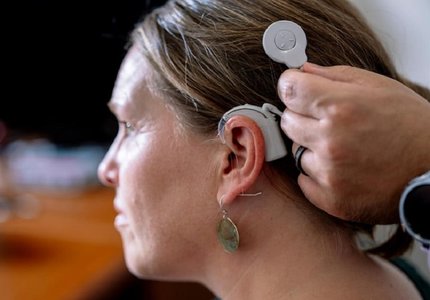
For patients with severe to profound sensorineural hearing loss, cochlear implants offer a more invasive, yet highly effective, treatment option. This device bypasses damaged hair cells in the cochlea by directly stimulating the auditory nerve:
- Candidacy and Evaluation: Prior to implantation, comprehensive evaluations are conducted to confirm that the candidate meets the clinical criteria and that realistic expectations are established for postoperative rehabilitation.
- Post-Implantation Rehabilitation: Following the device placement, patients undergo rigorous auditory training to optimize sound perception and speech recognition. This rehabilitation phase is critical for adaptation and successful integration of sonic signals.
Rehabilitation and Speech Therapy
Rehabilitation is an integral component of managing hearing loss, going beyond the mere mechanical restoration of hearing. It plays a vital role in enhancing communication abilities through various therapeutic interventions:
- Auditory Training: Designed to help patients rewire their neural pathways and adapt to amplified or artificially stimulated sound, this training is essential for individuals using hearing aids or cochlear implants.
- Speech Therapy: Incorporated to assist patients in maximizing their ability to interpret and produce speech, speech therapy is frequently combined with auditory training, particularly for children in early stages of developmental hearing loss.
- Aural Rehabilitation Classes: These are aimed at teaching effective listening strategies, improving comprehension, and boosting overall communication skills. They are particularly beneficial for those adjusting to the changes brought about by hearing devices.
Prevention of Hearing Loss
Protective Measures for Noise-Induced Hearing Loss
Preventing noise-induced hearing loss is a cornerstone in the field of preventive health. Long-term or repeated exposure to high decibel levels can lead to irreversible sensorineural damage. Strategies include:
- Usage of Protective Gear: Employing earplugs or earmuffs when exposed to environments with high decibel levels, such as construction sites, concerts, or industrial settings.
- Implementation of the 60/60 Rule: This involves listening to audio through personal devices at no more than 60% of the maximum volume for no longer than 60 minutes continuously, which significantly reduces the risk of auditory damage.
- Limiting Exposure: Strategic planning to take breaks from consistently loud environments can help minimize cumulative auditory strain.
Early Detection and Screening Programs
Early detection of hearing loss is critical, especially in populations at risk such as newborns, children, and the elderly. Implementing regular screening programs can facilitate timely therapeutic interventions:
- Neonatal Hearing Screening: Routine hearing checks shortly after birth can detect congenital hearing loss, allowing for prompt management and improved developmental outcomes.
- Regular Adult Check-Ups: Annual or biannual hearing assessments for adults are recommended, particularly for those exposed to high-risk environments or with a family history of auditory impairments.
- School-Based Screening: Programs in educational settings ensure that any emergent hearing issues are swiftly identified, minimizing adverse effects on communication and learning.
Vaccination and Infection Control
Vaccination plays a vital role in preventing infections that could lead to hearing loss. Certain diseases, particularly viral infections, are known to predispose individuals to auditory damage:
- Measles, Mumps, and Rubella (MMR) Vaccination: Immunizations against these infections are critical as they help protect against illnesses that may result in permanent hearing impairment.
- Infection Control Measures: Promoting good hygiene and timely treatment of infections such as otitis media significantly reduces the risk of subsequent hearing loss.
Synthesis Through a Comprehensive Comparison
The table below synthesizes the core elements of managing and preventing hearing loss, emphasizing the interconnections between clinical interventions, technological aids, rehabilitation strategies, and preventive measures:
| Category | Interventions and Strategies | Key Benefits |
|---|---|---|
| Medical & Surgical Interventions |
|
|
| Hearing Aids & Cochlear Implants |
|
|
| Rehabilitation & Speech Therapy |
|
|
| Preventive Strategies |
|
|
Conclusion: Key Takeaways and the Importance of Early Diagnosis
Key Takeaways on Ear Health and Hearing Loss
A well-rounded management strategy for hearing loss encompasses both treatment and prevention measures. Key aspects include:
- Diverse Treatment Modalities: Medical and surgical interventions are tailored to address distinct types of hearing loss, ensuring that both conductive and sensorineural deficits are treated appropriately.
- Advanced Technology Aid: Implementation of hearing aids and cochlear implants has revolutionized patient care in cases of sensorineural loss, ensuring a significant leap in communication and cognitive outcomes.
- Rehabilitation Efforts: Rehab and speech therapy bridge the gap between mechanical intervention and functional hearing, enabling patients to adapt to new auditory realities and maximize their quality of life.
Importance of Early Diagnosis and Intervention
Early detection is a cornerstone of effective hearing loss management. Screening programs at different life stages offer the following benefits:
- Improved Outcomes: Immediate intervention helps mitigate the adverse impacts of hearing loss on learning, communication, and overall mental health.
- Enhanced Rehabilitation: The earlier a patient is diagnosed, the more tailored and effective their subsequent rehabilitation plan can be, resulting in a better prognosis.
- Prevention of Complications: Regular screenings coupled with preventive measures such as vaccination keep the incidence of progressive hearing loss low by curtailing the onset of infection-associated complications.
Additional Insights for Medical-Surgical Nursing
Integrating Patient Education and Continuous Follow-Up
An often underemphasized yet essential element in the management of hearing loss is patient education. Medical-surgical nurses play a pivotal role by:
- Educating Patients and Families: Explaining the importance of routine check-ups and protective practices, such as the use of hearing protection, can empower patients to take proactive steps in preserving their auditory health.
- Encouraging Follow-Up Visits: Continuous monitoring and periodic evaluations help in early detection of any regression or new onset of hearing problems. This rapport fosters better compliance with treatment protocols.
- Interdisciplinary Collaboration: Coordination with audiologists, otolaryngologists, and speech therapists ensures that patient care is comprehensive, integrating various facets of health and rehabilitation.
Role of Technological Advancements in Modern Nursing Practices
The adoption of modern technologies in hearing management has greatly aided the field of medical-surgical nursing:
- Remote Monitoring: Advancements in telehealth and remote audiology consultations enable ongoing monitoring of hearing capabilities, ensuring that slight changes are promptly addressed.
- Customized Device Programming: Innovations in hearing aid software have facilitated the fine-tuning of devices to the individual's auditory profile, optimizing performance in various environments.
- Data-Driven Outcomes: Electronic health records integrated with audiometric data allow for a data-centric approach to treatment management, helping to identify patterns of improvement or the need for advanced interventions.
References
- Management of Hearing Loss - Merck Manual - Merck
-
Hearing Loss Management - Cleveland Clinic - Cleveland Clinic
- Diagnosis and Treatment of Hearing Loss - Mayo Clinic - Mayo Clinic
- Preventing Noise-Induced Hearing Loss - CDC - CDC
- Deafness and Hearing Loss Fact Sheet - WHO - WHO
Recommended Related Queries
Last updated March 27, 2025