
Unlock Your Potential: 40 Disruptive Innovations You Can Build From Home Today
Leverage your unique Cloud, Telecom, Systems, and Security expertise to create scalable, market-defining solutions.
Highlights: Key Opportunities Awaiting Your Expertise
- Open Source Acceleration: Harness lesser-known and emerging open-source projects (like LF Networking tools, Nephio, Bodastage CE) to build cost-effective, community-driven solutions for cloud and telecom challenges.
- AI-Powered Automation: Integrate AI and machine learning into network management, security operations, and cloud resource optimization to drastically reduce manual effort, cut costs, and unlock predictive capabilities.
- Decentralization & Edge Computing: Explore blockchain, federated learning, and edge computing to create novel, resilient, and privacy-preserving systems for network monitoring, data marketplaces, and low-latency applications.
Leveraging Your Unique Skillset for Innovation
Your background as a cloud architect, telecommunications network architect, systems architect with security expertise, and coder/scripter places you at a unique intersection of technologies ripe for disruption. From your home computer, you can architect, develop, and prototype solutions that fundamentally change how businesses operate, potentially saving millions or creating entirely new markets. The focus here is on utilizing readily available, often open-source, and cutting-edge resources to build scalable innovations.

Conceptualizing cloud and network architecture from a home base.
Cloud & Systems Optimization Innovations
Focus on automating and optimizing cloud and system resources for significant cost savings and efficiency gains.
-
Autonomous Cloud Resource Optimizer
Concept: An AI-driven system that continuously monitors cloud usage (AWS, Azure, GCP) and automatically adjusts resource allocations (VMs, containers, databases) based on real-time demand, performance SLAs, and cost policies, integrating with provider APIs. Significantly reduces cloud waste and spend.
Components: Cloud provider APIs, open-source monitoring tools (Prometheus, Grafana), AI/ML libraries (TensorFlow, PyTorch), automation tools (Terraform, Pulumi, Ansible), policy engine.
-
Universal Infrastructure as Code (IaC) Translator & Validator
Concept: A tool to translate infrastructure configurations between different IaC languages (Terraform, CloudFormation, ARM, Bicep) and validate them against security best practices, compliance standards, and custom policies before deployment.
Components: Parsers for IaC languages, validation engines (Open Policy Agent, Checkov), security scanning tool integration, CLI/API interface.
-
AI-Powered Automated Incident Response Bot
Concept: Intelligent bots that integrate with monitoring systems (Zabbix, Nagios, Datadog) and cloud platforms (Kubernetes events, CloudWatch Alarms) to autonomously detect, diagnose (root cause analysis), and attempt remediation for common infrastructure issues via scripts and APIs.
Components: Monitoring system APIs, cloud platform APIs, AI/ML for diagnostics, scripting languages (Python, Go), ChatOps integration (Slack, Teams).
-
Serverless-First Development Framework with Integrated Security
Concept: An open-source framework promoting serverless development (Lambda, Functions, Cloud Run) that embeds security best practices, static analysis security testing (SAST), and dynamic analysis security testing (DAST) tools directly into the development lifecycle.
Components: Serverless platform SDKs, open-source security scanners (Semgrep, OWASP ZAP), API Gateway configurations, declarative configuration language.
-
Automated Disaster Recovery Planning & Testing Tool
Concept: A tool that automates the generation of DR plans based on infrastructure discovery and business requirements, and performs regular, automated, non-disruptive testing of these plans in cloud environments.
Components: Cloud provider APIs (snapshots, replication, failover), automation tools (Ansible, Python scripts), infrastructure discovery tools, reporting engine.
-
Cloud-Native Workflow Orchestration for OSS/BSS
Concept: Replace legacy Telecom Operational/Business Support Systems with containerized, API-first microservices managed via open-source workflow orchestration engines, dramatically lowering TCO and increasing agility.
Components: Kubernetes, workflow orchestrators (Apache Airflow, Argo Workflows, Temporal), microservice frameworks, API gateways.
-
Sustainable Cloud Resource Allocator
Concept: An allocator using open-source tools and AI to optimize workload placement and resource usage based not only on cost and performance but also on carbon intensity data from cloud regions, promoting greener computing.
Components: Cloud provider APIs, energy/carbon APIs (e.g., WattTime), AI optimization algorithms, workload schedulers.
-
Open-Source Cloud Cost Management & Forecasting Tool
Concept: An alternative to expensive commercial FinOps tools, providing detailed cost tracking, analysis, anomaly detection, and forecasting across multiple cloud providers using open-source components.
Components: Cloud provider billing APIs, time-series databases (InfluxDB, TimescaleDB), data visualization libraries (Grafana, Plotly), forecasting algorithms (Prophet).
-
AI-Powered Optimization of Resource Utilization in Kubernetes Clusters
Concept: A system analyzing resource usage patterns (CPU, memory, network I/O) within Kubernetes clusters and using AI to dynamically adjust resource requests/limits and potentially node auto-scaling parameters for optimal performance and cost.
Components: Kubernetes Metrics API, Prometheus/monitoring stack, AI/ML models for prediction and optimization, Kubernetes admission controllers or custom schedulers.
-
Automated Data Privacy Compliance Checker for Cloud Storage
Concept: A tool scanning cloud storage configurations (like S3 buckets, Azure Blob Storage) and data usage patterns against data privacy regulations (GDPR, CCPA), identifying potential compliance gaps.
Components: Cloud provider APIs, data scanning/classification tools (e.g., open-source DLP tools), privacy regulation frameworks knowledge base, reporting engine.
Visualizing Disruptive Potential Across Domains
Your diverse skillset allows you to tackle innovation across multiple interconnected domains. The following chart provides a conceptual comparison of various disruptive technology areas relevant to your expertise, evaluated across key factors like scalability, potential impact, and reliance on open-source tools. This can help visualize where the most promising opportunities might lie based on different priorities.
Telecommunications & Network Transformation Ideas
Leverage open-source telco projects and your network architecture skills to innovate in 5G, edge computing, and network automation.
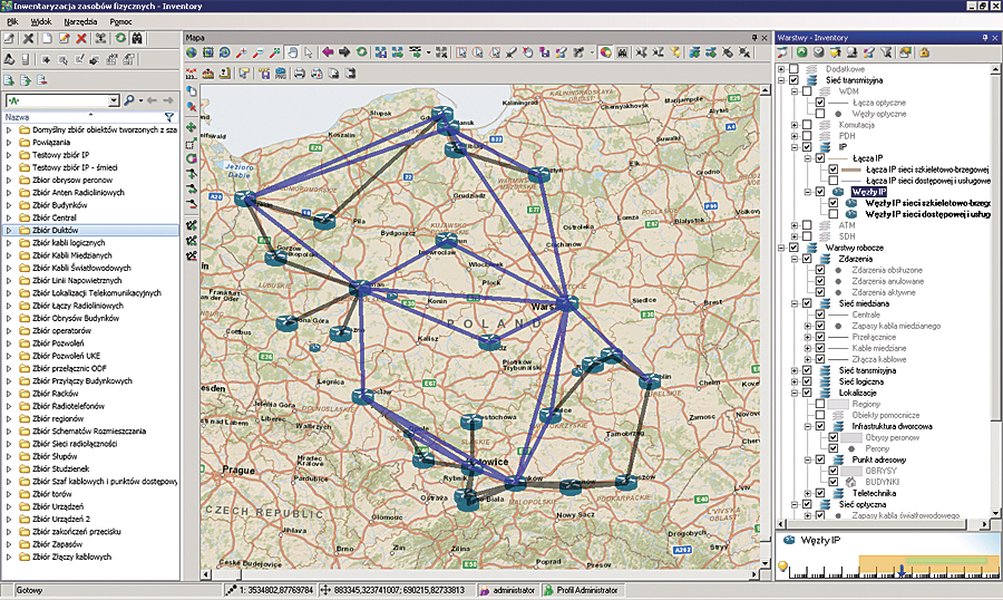
Innovating telecom network management through new tools and visualization.
-
Open-Source Telco Cloud-Native PaaS Optimization Platform
Concept: Build upon LF Networking projects to create a platform specifically designed to optimize the deployment, scaling, and management of open-source cloud-native PaaS (like Kubernetes) for telco network functions (CNFs), enabling faster service rollout in the 5G era.
Components: Kubernetes, LF Networking projects (e.g., Anuket, ONAP components), service mesh (Istio, Linkerd), performance monitoring (Prometheus), automation (Argo CD, Terraform), potentially Nephio for intent-driven automation.
-
AI-Driven Network Automation Framework (Open Core)
Concept: Integrate existing network automation tools (Ansible, Nornir, Terraform) with AI/ML models for predictive fault analysis, automated configuration optimization, and intent-based networking across telco and cloud environments. Offer core functionality as open source.
Components: Automation frameworks, telemetry collectors (Telegraf, SNMP), AI/ML libraries, network simulation tools (GNS3, EVE-NG for testing), potentially leveraging tools like
scapyfor packet crafting. -
Automated RAN Optimization Tool using Open Data
Concept: Develop a tool leveraging open-source RAN management data models and potentially community projects (like Bodastage CE for data processing) to automate RAN parameter tuning and configuration management for telecom operators, reducing manual effort.
Components: Python scripting, RAN data models/APIs (e.g., O-RAN interfaces), ML libraries for optimization, database for storing configurations and performance data.
-
Open-Source Mobile Edge Computing (MEC) Platform
Concept: Develop an open-source platform simplifying the deployment and management of applications at the mobile edge, integrating with Kubernetes and telco infrastructure for low-latency use cases.
Components: Kubernetes (K3s or MicroK8s for edge), edge frameworks (KubeEdge, Akri), message queues (MQTT, Kafka), potentially integrating with OpenNESS or similar toolkits.
-
Intelligent Network Traffic Simulation & Testing Platform
Concept: A platform extending open-source traffic generators and network simulators (like ns-3, GNS3) to allow complex, realistic scenario definition (including 5G/edge patterns) and AI-driven analysis of performance bottlenecks before deployment.
Components: Network simulators, traffic generation tools (iperf, T-Rex, Scapy), scripting interface (Python), data analysis/visualization libraries.
-
Enhanced Open-Source Telco Components (OsmoGGSN/OsmoMGW)
Concept: Contribute to or fork existing open-source telco elements like OsmoGGSN (Gateway GPRS Support Node) or OsmoMGW (Media Gateway) to add cloud-native features, enhanced security, or better integration with modern orchestration systems.
Components: C/C++ programming skills, understanding of 3GPP protocols, containerization (Docker), Kubernetes operators, security hardening techniques.
-
AI-Powered Predictive Maintenance for Network Infrastructure
Concept: Analyze telemetry data (logs, metrics, SNMP traps) from network devices using AI/ML to predict potential hardware failures or performance degradation before they impact service.
Components: Time-series databases (InfluxDB, Prometheus), ML frameworks (Scikit-learn, Keras), anomaly detection algorithms, integration with monitoring and ticketing systems.
-
Open Source RAN Management & Automation Platform (Beyond Basic Config)
Concept: Build upon foundational RAN tools to create a comprehensive automation platform incorporating SON (Self-Organizing Network) features, predictive analytics for cell performance, and integration with multiple radio vendor APIs.
Components: Python/Go scripting, Vendor APIs/Adapters, ML libraries, Workflow engine (Airflow), potentially leveraging O-RAN specifications.
-
Cloud-Native Network Slice Lifecycle Manager
Concept: Develop a Kubernetes Operator that manages the end-to-end lifecycle (creation, monitoring, modification, deletion) of network slices across different network domains (RAN, Transport, Core) based on declarative configurations.
Components: Kubernetes Operator SDK (Go/Python), integration with SDN controllers and orchestrators (ONAP, OpenDaylight), understanding of 5G network slicing concepts.
-
Community-Driven Cellular Network Quality Mapping
Concept: A mobile app and backend platform that crowdsources cellular network quality data (signal strength, speed tests, latency, dropped calls) from users, providing real-time coverage maps and analytics valuable to operators and enterprises.
Components: Mobile app development (Android/iOS), backend database (PostGIS for geo-data), data aggregation and analytics engine, visualization dashboard.
Mapping Your Skills to Innovation Pathways
Your diverse background is a significant asset. This mindmap illustrates how your core competencies in Cloud Architecture, Telecom Networking, Systems Architecture, Security, and Coding/Scripting can intersect and combine to fuel the development of these disruptive innovations. Understanding these connections can help you identify projects that best leverage your unique combination of skills.
from Home"] Cloud_Architect id1["Optimization & Cost Saving"] id1.1["AI Cloud Optimizer"] id1.2["Multi-Cloud Orchestration"] id2["Serverless & Edge"] id2.1["Serverless Security Framework"] id2.2["MEC Platform"] id3["Scalable Architectures"] id3.1["Kubernetes Resource Optimization"] id3.2["Cloud-Native OSS/BSS"] Telecom_Architect id4["5G & Network Slicing"] id4.1["Slice Lifecycle Manager"] id4.2["Vertical Industry PaaS"] id5["RAN & Core Transformation"] id5.1["Open Source RAN Automation"] id5.2["Enhanced OsmoGGSN/MGW"] id6["Network Automation"] id6.1["AI Automation Framework"] id6.2["Predictive Maintenance"] Systems_Architect id7["Infrastructure Automation"] id7.1["Universal IaC Translator"] id7.2["Automated DR Testing"] id8["Performance & Reliability"] id8.1["Traffic Simulation Platform"] id8.2["Incident Response Bot"] id9["Integration"] id9.1["Hybrid Cloud Monitoring"] id9.2["Secure Multi-Cloud Data Fabric"] Security_Foo id10["Threat Detection & Response"] id10.1["AI Security Anomaly Detection"] id10.2["Automated Patch Management"] id11["Zero Trust & Compliance"] id11.1["Zero Trust Toolkit"] id11.2["Automated Compliance Auditor"] id12["Decentralized Security"] id12.1["Blockchain Policy Management"] id12.2["Federated Threat Intel"] Coder_Scripter id13["Automation Scripts"] id13.1["Python/Go for Networking"] id13.2["Ansible/Terraform Modules"] id14["AI/ML Implementation"] id14.1["Model Training & Deployment"] id14.2["Data Processing Pipelines"] id15["Open Source Contribution"] id15.1["Developing New Tools"] id15.2["Enhancing Existing Projects"]
Security & Automation Innovations
Combine your security knowledge and scripting skills to automate security processes and build more resilient systems.
-
AI-Powered Network Security Anomaly Detection (Home/SMB Focus)
Concept: Develop an AI model, potentially using lightweight frameworks deployable on consumer hardware or edge devices, to detect sophisticated security anomalies in home or small business networks, going beyond traditional signature-based IDS.
Components: AI/ML frameworks (TensorFlow Lite, PyTorch Mobile), network traffic capture tools (tcpdump, Zeek/Bro parsers), behavioral analysis algorithms, local processing/edge capabilities.
-
Automated, Policy-Driven Security Configuration Hardening
Concept: A tool that automatically assesses servers, network devices, and cloud resources against security benchmarks (CIS, STIG) and applies hardening configurations using configuration management tools or scripts.
Components: Security scanning tools (OpenSCAP, Lynis), configuration management (Ansible, Chef, Puppet), policy engine (OPA), vendor APIs.
-
Open Source Zero Trust Network Architecture Toolkit
Concept: A collection of scripts, configurations, and integrations for open-source tools (like SPIFFE/SPIRE for identity, Istio/Linkerd for service mesh, OpenZiti for overlay) to help organizations rapidly deploy foundational elements of a zero-trust architecture.
Components: Workload identity systems, service mesh technologies, secure overlay networks, policy enforcement points, integration scripts.
-
Blockchain-Based Network Security Policy Management
Concept: A decentralized system using blockchain to store, manage, and audit network security policies, ensuring immutability, transparency, and potentially automated enforcement via smart contracts.
Components: Blockchain platform (e.g., Hyperledger Fabric, Ethereum private net), smart contracts, agents interacting with network devices (firewalls, routers) or SDN controllers.
-
Federated Machine Learning for Collaborative Threat Intelligence
Concept: A platform allowing multiple organizations to collaboratively train ML models for threat detection (e.g., identifying new malware patterns) without sharing their raw, sensitive log data, preserving privacy.
Components: Federated learning frameworks (TensorFlow Federated, PySyft), secure aggregation protocols, decentralized architecture, data standardization methods.
-
Automated Network Documentation & Diagram Generation
Concept: A tool that automatically discovers network topology (using SNMP, LLDP, CDP, API calls) and configurations, generating up-to-date network diagrams and documentation, reducing manual effort and errors.
Components: Network discovery protocols/tools, graph visualization libraries (Draw.io libraries, Graphviz), configuration parsers, potentially NLP for descriptions.
-
Open Source Network Access Control (NAC) with Behavioral Analysis
Concept: An open-source NAC system that goes beyond simple authentication by analyzing the behavior of connected devices (traffic patterns, accessed services) to dynamically adjust access rights or quarantine suspicious devices.
Components: Network monitoring tools (NetFlow/sFlow collectors), behavioral analysis ML models, integration with RADIUS/802.1X, switch/AP APIs for enforcement.
-
Automated Compliance Checking & Reporting
Concept: A tool that continuously scans cloud and network configurations against specific compliance frameworks (HIPAA, PCI DSS, GDPR, SOC 2) and generates detailed compliance reports and remediation suggestions.
Components: Compliance framework benchmarks (e.g., in OVAL or XCCDF format), configuration scanning tools (Cloud Custodian, Checkov), reporting engines.
-
Automated Security Incident Response Playbook Generator
Concept: Using AI (potentially NLP and expert systems) and a knowledge base of security best practices, generate customized incident response playbooks tailored to specific types of incidents and an organization's discovered infrastructure.
Components: AI/NLP libraries, security incident knowledge bases (MITRE ATT&CK), infrastructure discovery tools, workflow template engine.
-
Automated Threat Modeling Tool for Cloud-Native Apps
Concept: A tool that analyzes application architecture definitions (IaC, Kubernetes manifests, code) to automatically generate threat models (e.g., STRIDE), helping identify potential security risks early in the development lifecycle.
Components: IaC/code parsers, threat modeling frameworks knowledge base, graph generation, integration with CI/CD pipelines.
Spotlight on High-Potential Ideas
The possibilities are vast. This table summarizes a selection of promising ideas, highlighting the core concept, key open-source components you might leverage, the targeted disruption or market, and the primary skills involved from your background.
| Idea Summary | Key Open Source Components | Target Disruption / Market | Primary Skills |
|---|---|---|---|
| AI Cloud Resource Optimizer | Prometheus, Grafana, TensorFlow/PyTorch, Terraform/Pulumi | Reduce cloud waste ($M+ savings); FinOps Automation Market | Cloud, Code, Systems |
| Open Source Telco PaaS Optimizer | Kubernetes, LF Networking Projects, Istio, Argo CD | Accelerate 5G service deployment; New Telco Cloud Services | Telecom, Cloud, Code |
| Zero Trust Network Toolkit | SPIFFE/SPIRE, Istio/Linkerd, OpenZiti, OPA | Displace traditional VPN/Firewall reliance; Secure Remote Work Market | Security, Systems, Network, Code |
| Federated ML Threat Intelligence | TensorFlow Federated/PySyft, Secure Aggregation Protocols | Privacy-preserving threat sharing; Collaborative Security Market | Security, Code, AI/ML |
| Automated RAN Optimization Tool | Python, O-RAN Interfaces/Models, ML Libraries (Scikit-learn) | Reduce manual RAN tuning costs; RAN Automation Market | Telecom, Code, AI/ML |
| Universal IaC Translator/Validator | IaC Parsers, Open Policy Agent (OPA), Checkov | Simplify multi-cloud IaC & compliance; DevOps Tooling Market | Cloud, Code, Security |
AI, Decentralization & Cross-Disciplinary Frontiers
Explore cutting-edge areas like AI-driven development, decentralized systems, and quantum simulation applied to your domains.
-
Open-Source Quantum Computing Simulation for Network Optimization
Concept: Create an accessible, open-source simulation environment allowing network architects to model complex problems (like routing, resource allocation) and experiment with quantum-inspired or actual quantum algorithms (using simulators like Qiskit, Cirq) without needing quantum hardware access.
Components: Quantum computing SDKs/simulators, network modeling libraries, Python interface for problem definition.
-
Decentralized Edge Function Marketplace
Concept: A platform using blockchain/distributed ledger technology where owners of edge computing resources can offer function execution capabilities, and developers can deploy and pay for microservices/functions in a decentralized, trustless manner.
Components: Edge compute frameworks, blockchain platform (e.g., Polygon, Solana for lower fees), smart contracts for payment/escrow, container runtime (Wasm optional), discovery mechanism.
-
AI-Powered Optimization of IoT Network Connectivity
Concept: A system using AI to dynamically manage connectivity for large fleets of IoT devices, optimizing for factors like power consumption, bandwidth usage, latency, and choice of network (LoRaWAN, NB-IoT, Wi-Fi) based on device needs and network conditions.
Components: IoT platforms (AWS IoT, Azure IoT Hub), AI/ML optimization algorithms, network monitoring interfaces, device management protocols (MQTT, CoAP).
-
AI-Driven Fraud Detection for Telecom Networks
Concept: Develop sophisticated AI models analyzing call detail records (CDRs), network traffic patterns, and user behavior to detect complex fraud scenarios (e.g., SIM swap, interconnect bypass) in real-time or near real-time.
Components: Big data processing (Spark, Flink), AI/ML frameworks, graph databases (for relationship analysis), integration with telco data sources.
-
Open-Source Platform for Secure Multi-Party Computation (MPC)
Concept: Develop a user-friendly open-source platform enabling multiple parties to perform joint computations (e.g., analytics, model training) on their combined data stored in the cloud without revealing their individual private data to each other or the cloud provider.
Components: MPC libraries (e.g., MP-SPDZ, TF Encrypted), cryptographic protocols, secure communication channels, integration interfaces.
-
AI-Driven Optimization of Software Development Pipelines
Concept: Analyze data from CI/CD pipelines, version control systems (Git), and project management tools using AI to identify bottlenecks, predict build failures, optimize testing strategies, and improve overall development velocity.
Components: AI/ML process analysis algorithms, APIs for dev tools (Jenkins, GitLab CI, Jira, GitHub), data visualization.
-
AI-Driven Optimization of Content Delivery Networks (CDNs)
Concept: Use AI to analyze real-time network conditions, user locations, content popularity, and CDN provider performance/cost to dynamically optimize content caching strategies and routing decisions for improved user experience and reduced CDN spend.
Components: AI/ML optimization algorithms, CDN logs/APIs, real-time BGP/network data feeds, potentially an open-source CDN base (like Apache Traffic Server).
-
Open-Source Platform for Reproducible Network Experimentation
Concept: A platform combining network emulation/simulation tools (like GNS3, ns-3), containerization (Docker), and workflow automation to allow researchers and engineers to easily define, execute, share, and reproduce complex network experiments.
Components: Network emulation/simulation engines, container orchestration, scripting interfaces (Python API), data management/storage, experiment definition language.
-
Cloud-Native Digital Twin for Telecom Networks
Concept: Create real-time, dynamic digital replicas of physical telecom networks using cloud-native technologies. These twins ingest live telemetry and allow simulation of changes ("what-if" scenarios), predictive maintenance, and optimized planning.
Components: Cloud platform, telemetry ingestion pipeline (Kafka, Prometheus), simulation engines, visualization tools, potentially leveraging concepts from Nephio or ONAP.
-
Cross-Cloud Bandwidth Marketplace using Blockchain
Concept: A decentralized marketplace where entities can trade unused bandwidth or specific network paths across different cloud providers or network operators using smart contracts for automated settlement and verification.
Components: Blockchain platform, smart contracts, network monitoring/measurement tools, APIs for network path control (potentially SDN-based).
Insights on Future Cloud Trends
Understanding the evolving landscape of cloud computing is crucial for identifying disruptive opportunities. This video discusses key cloud trends anticipated for 2025, including the roles of AI, edge-native applications, and distributed cloud architectures – all highly relevant to the innovation ideas presented here. Watching it can provide valuable context and further inspiration for leveraging these trends in your projects.
The discussion covers how advancements in AI are integrating more deeply into cloud services, enabling smarter automation and analytics. It also explores the rise of edge-native applications designed specifically for distributed environments, requiring new approaches to orchestration and management. Furthermore, the concept of distributed cloud – extending cloud services to various physical locations (edge, on-premises) while maintaining centralized management – presents significant opportunities for innovation in hybrid and multi-cloud strategies, security, and network optimization, directly aligning with many of the ideas proposed.
Frequently Asked Questions (FAQ)
How do I choose which idea to start with?
Consider the intersection of your strongest skills, your personal interest, and the perceived market need or cost-saving potential. Also evaluate the availability and maturity of relevant open-source tools. Start small: prototype a core component (Minimum Viable Product - MVP) of an idea that excites you most and seems feasible to begin from home.
What specific open-source tools should I focus on learning?
Based on the ideas, familiarity with Kubernetes is crucial. Python is essential for scripting, automation, and AI/ML. Depending on the domain, explore tools like: Terraform/Pulumi/Ansible (IaC/Automation), Prometheus/Grafana (Monitoring), Istio/Linkerd (Service Mesh), TensorFlow/PyTorch/Scikit-learn (AI/ML), LF Networking projects (Telco Cloud), OPA/Checkov (Policy/Security), and specific libraries like Qiskit (Quantum) or MP-SPDZ (MPC).
Can I really build something disruptive from just my home computer?
Absolutely. Many successful software companies and open-source projects started this way. Your home computer, combined with cloud resources (many offer free tiers), powerful open-source software, and your expertise, is a formidable innovation lab. The key is leveraging software, automation, and cloud scalability rather than requiring significant physical infrastructure initially.
How can I validate the market need for one of these ideas?
Start by researching existing solutions and identifying their shortcomings or high costs. Engage with online communities (forums, LinkedIn groups, Slack channels) related to the problem space. Talk to potential users or companies who might benefit. Build a simple MVP and get feedback early. Look for evidence of companies spending significant money or manpower on the process you aim to disrupt.
Recommended Next Steps & Further Exploration
- Explore how you can contribute to LF Networking projects relevant to telecom innovation.
- Investigate the latest trends and open-source tools for AI-driven cloud cost optimization.
- Learn about implementing Zero Trust architecture principles using available open-source components.
- Discover scalable architectures for building edge computing platforms on top of Kubernetes.
References
Last updated April 27, 2025