
Unlock the Secrets to Shrinking Your Carbon Footprint: Effective Strategies You Can Start Today
Discover practical, impactful ways to minimize your environmental impact across energy, travel, diet, and consumption habits.
Highlights: Your Quick Guide to Carbon Reduction
- Transform Your Energy Use: Prioritize home energy efficiency and switch to renewable sources for significant emission cuts.
- Rethink Transportation: Opt for driving less, choosing fuel-efficient or electric vehicles, and minimizing air travel.
- Mindful Diet & Consumption: Embrace plant-rich diets, reduce food waste, and adopt sustainable purchasing habits (reduce, reuse, recycle).
Understanding Your Carbon Footprint
Your carbon footprint represents the total amount of greenhouse gases (primarily carbon dioxide and methane) generated by your activities. It encompasses emissions from heating your home, the car you drive, the food you eat, the products you buy, and the waste you generate. Reducing this footprint is crucial for mitigating climate change, as collective individual actions contribute significantly to lowering overall atmospheric pollution and supporting global efforts to limit warming.
Powering Down Emissions: Optimizing Home Energy
A substantial portion of personal carbon emissions comes from household energy consumption for heating, cooling, lighting, and appliances. Tackling energy use at home is one of the most effective ways to lower your footprint.
Boost Energy Efficiency
Seal and Insulate
Weatherizing your home is a foundational step. Sealing air leaks around windows, doors, and ductwork, along with adding adequate insulation (especially in attics and walls), prevents energy loss. This reduces the amount of energy needed to heat and cool your home effectively.
Smart Thermostat Use
Using a programmable or smart thermostat allows you to optimize heating and cooling schedules. Lowering your thermostat by a few degrees in winter (e.g., 2°F or ~1°C) and raising it in summer can save a surprising amount of energy and emissions – potentially up to 2,000 pounds (around 900 kg) of CO2 per year.
Efficient Appliances and Lighting
When replacing appliances, choose models with high energy efficiency ratings (like Energy Star in the US). Switching incandescent bulbs to LEDs is a simple change that uses significantly less electricity and lasts much longer. Also, consider upgrading to low-flow showerheads and toilets to reduce hot water demand, which saves water and the energy used to heat it.
Manage Plug Load
Many electronics consume power even when turned off (standby or "vampire" power). Unplugging devices like chargers, TVs, and computers when not in use, or using smart power strips that cut power automatically, can prevent this energy waste.
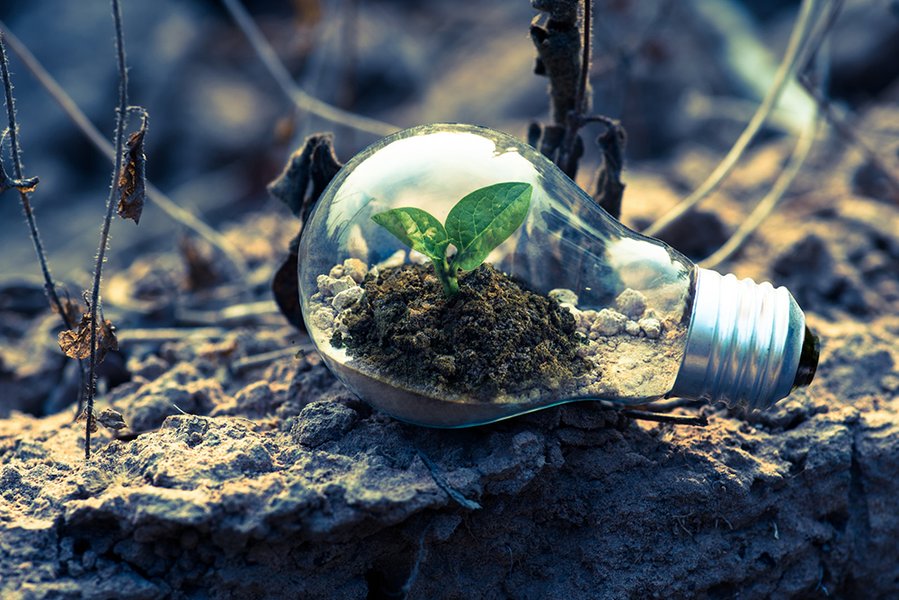
Eco-friendly home concepts often focus on energy efficiency and sustainable materials.
Switch to Clean Energy Sources
Transitioning away from fossil fuels for your home's energy is a major step. Explore options like:
- Community Solar or Green Power Plans: Many utility providers offer programs allowing you to source your electricity from renewable sources like wind or solar farms, even if you can't install panels yourself.
- Rooftop Solar: If feasible, installing solar panels on your home can drastically reduce or eliminate your reliance on grid electricity generated from fossil fuels.
- Consider Electric Appliances: When replacing furnaces, water heaters, or stoves, consider efficient electric alternatives like heat pumps, especially if your electricity comes from clean sources.
Greener Journeys: Sustainable Transportation Choices
Transportation is another major source of individual carbon emissions, particularly from personal vehicles and air travel.
Reduce Reliance on Personal Cars
Embrace Active and Public Transit
Whenever possible, choose walking or cycling for short trips. For longer commutes, utilize public transportation (buses, trains, subways) or participate in carpooling or ridesharing programs. Each mile avoided in a single-occupancy vehicle makes a difference.
Optimize Driving Habits
If driving is necessary, practice fuel-efficient habits: maintain a steady speed, avoid rapid acceleration and braking, and keep your tires properly inflated. Regular vehicle maintenance also ensures optimal fuel economy.
Choose Lower-Emission Vehicles
When it's time for a new vehicle, consider options with lower environmental impact:
- Electric Vehicles (EVs): EVs produce zero tailpipe emissions. Their overall carbon footprint depends on the electricity source used for charging, making them particularly beneficial when paired with renewable energy.
- Hybrid Vehicles (HEVs & PHEVs): Hybrids combine a gasoline engine with an electric motor, offering significantly better fuel economy than conventional cars. Plug-in hybrids (PHEVs) can run on electricity for short distances before the gasoline engine kicks in.
- Fuel-Efficient Conventional Cars: If EVs or hybrids aren't viable options, choose the most fuel-efficient gasoline-powered vehicle that meets your needs.
Fly Less Frequently
Air travel has a disproportionately high carbon footprint due to emissions released at high altitudes. Consider these alternatives:
- Opt for trains or buses for shorter domestic or regional trips.
- Utilize video conferencing for business meetings instead of flying.
- Choose vacation destinations closer to home or consolidate trips to fly less often.
- When flying is unavoidable, consider purchasing credible carbon offsets.
Impact Assessment: Comparing Carbon Reduction Strategies
Different actions vary in their potential to reduce emissions and the ease with which they can be implemented. This chart provides a visual comparison based on general estimates. 'Impact Potential' refers to the likely reduction in greenhouse gas emissions, while 'Ease of Implementation' considers factors like cost, effort, and accessibility for the average individual. Note that individual circumstances will influence both factors.
Your Plate and Your Planet: Diet & Food Choices
The food system, from farm to fork to landfill, is a significant contributor to greenhouse gas emissions. Making conscious dietary choices is a powerful lever for reducing your personal footprint.
Shift Towards Plant-Rich Diets
Reduce Meat and Dairy
Animal agriculture, particularly the production of beef and lamb, is highly resource-intensive and generates substantial methane emissions (a potent greenhouse gas). Reducing your consumption of red meat and dairy products is one of the most impactful dietary changes you can make. Aim for more meals centered around vegetables, fruits, whole grains, legumes, nuts, and seeds.
Explore Plant-Based Alternatives
Experiment with plant-based protein sources like beans, lentils, tofu, tempeh, and seitan. Many delicious and satisfying recipes utilize these ingredients. Even small shifts, like adopting "Meatless Mondays," can collectively make a difference.
Choose Local and Seasonal Foods
Foods transported over long distances carry a higher carbon footprint due to fuel consumption and refrigeration. Prioritizing locally grown and seasonal produce reduces these "food miles." Shopping at farmers' markets or joining a Community Supported Agriculture (CSA) program are great ways to access local food.
Minimize Food Waste
Wasted food decomposing in landfills releases methane. Reducing food waste saves money and lowers emissions. Implement strategies like:
- Meal Planning: Plan your meals for the week before shopping to buy only what you need.
- Proper Storage: Learn the best ways to store different fruits, vegetables, and leftovers to extend their freshness.
- Use Leftovers Creatively: Transform leftovers into new meals. Freeze excess portions for later use.
- Composting: Compost unavoidable food scraps (like vegetable peels) instead of sending them to the landfill. Check for local composting programs or start a home compost bin.
- Drink Tap Water: Avoid bottled water, which involves energy for production, packaging, and transportation.
Consume Consciously: Reducing Waste and Making Sustainable Choices
Our consumption patterns – what we buy, use, and discard – directly impact resource extraction, manufacturing emissions, and landfill waste.
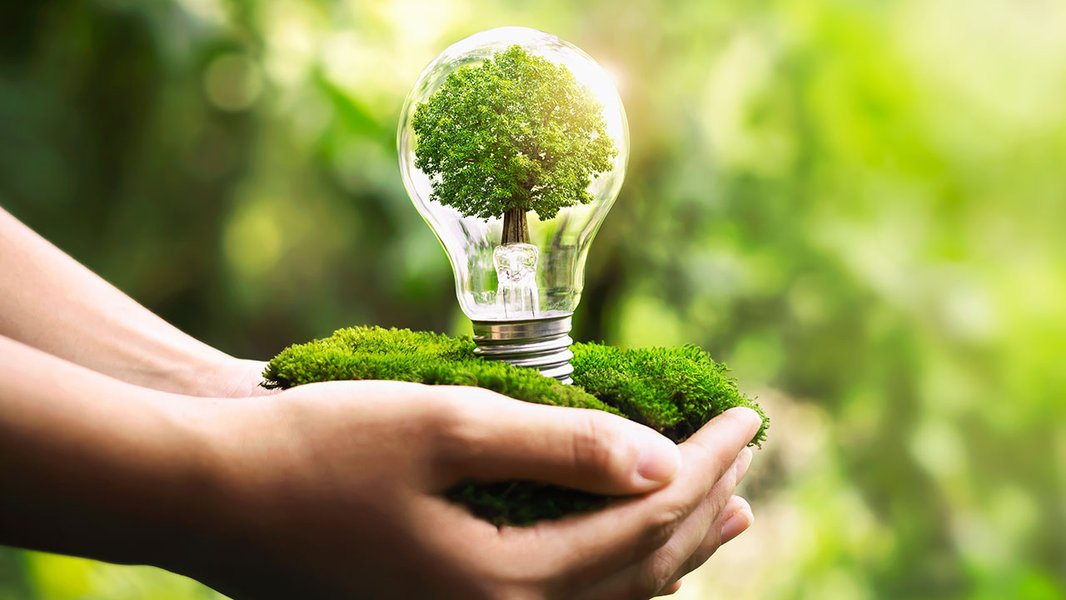
Sustainable living involves making conscious choices about consumption and waste.
Embrace the "R" Principles: Reduce, Reuse, Recycle
Reduce Consumption
The most effective way to reduce waste is to consume less in the first place. Before buying something new, ask yourself if you truly need it. Opt for experiences over material goods when possible.
Reuse and Repurpose
Extend the lifespan of items. Use reusable shopping bags, water bottles, coffee cups, and food containers. Repair broken items instead of replacing them. Find creative ways to repurpose old objects.
Recycle Correctly
Familiarize yourself with your local recycling guidelines and recycle all acceptable materials (paper, cardboard, glass, certain plastics, metals). Proper recycling reduces the need for virgin materials and conserves energy.
Make Sustainable Purchasing Decisions
Choose Durability and Quality
Invest in high-quality, durable goods that will last longer, reducing the need for frequent replacements. Avoid "fast fashion" and cheaply made products designed for short lifespans.
Seek Sustainable Brands and Products
Support companies committed to sustainability, ethical production, and minimal environmental impact. Look for products made from recycled materials or with minimal packaging. Buying second-hand items is also a great way to reduce demand for new production.
Minimize Packaging
Opt for products with minimal or recyclable/compostable packaging. Buying in bulk can often reduce packaging waste for staple items.
Interconnected Strategies for Carbon Reduction
Reducing your carbon footprint involves a web of interconnected choices across different areas of life. This mindmap illustrates how various strategies link together, contributing to the overall goal of lowering emissions.
(Insulation, LEDs,
Appliances)"] id1b["Renewable Sources
(Solar, Wind,
Green Plans)"] id1c["Smart Use
(Thermostats,
Unplug Devices)"] id2["Transportation"] id2a["Drive Less
(Walk, Bike,
Public Transit)"] id2b["Vehicle Choice
(EVs, Hybrids,
Fuel Efficient)"] id2c["Fly Less
(Alternatives,
Offsets)"] id3["Diet & Food"] id3a["Plant-Based Meals
(Less Meat/Dairy)"] id3b["Reduce Food Waste
(Plan, Store,
Compost)"] id3c["Local & Seasonal"] id4["Consumption & Waste"] id4a["Reduce
(Buy Less,
Avoid Single-Use)"] id4b["Reuse & Repair"] id4c["Recycle Correctly"] id4d["Sustainable Choices
(Durable Goods,
Ethical Brands)"] id5["Water Use"] id5a["Conserve Water
(Low-Flow Fixtures)"] id5b["Reduce Hot Water Use"] id6["Wider Influence"] id6a["Advocacy & Policy"] id6b["Sustainable Finance"] id6c["Educate Others"]
Water Conservation: An Indirect Energy Saver
While often overlooked, water conservation plays a role in reducing carbon emissions. Significant energy is required to pump, treat, and heat water. By using less water, especially hot water, you indirectly reduce energy consumption.
- Install low-flow showerheads and faucet aerators.
- Take shorter showers.
- Fix leaks promptly.
- Run dishwashers and washing machines only with full loads.
- Consider rainwater harvesting or greywater systems for outdoor use if appropriate for your region.
- Choose native, drought-tolerant plants for landscaping to minimize watering needs.
Summary Table: Key Actions and Impact
This table summarizes some of the most effective actions you can take across different categories and provides a general estimate of their potential impact level on reducing your carbon footprint.
| Area of Impact | Specific Action Examples | Estimated Impact Level |
|---|---|---|
| Home Energy | Switch to 100% renewable electricity plan; Install solar panels; Major insulation upgrades; Replace old furnace with heat pump. | High |
| Home Energy | Install LED lighting; Use smart thermostat; Seal air leaks; Upgrade to energy-efficient appliances. | Medium |
| Transportation | Switch from gasoline car to EV (charged with renewables); Significantly reduce or eliminate flying; Regularly commute by bike/public transport instead of driving alone. | High |
| Transportation | Carpool regularly; Maintain vehicle for fuel efficiency; Reduce leisure flights; Choose hybrid vehicle over conventional. | Medium |
| Diet & Food | Adopt a vegan or vegetarian diet; Significantly reduce red meat consumption. | High |
| Diet & Food | Reduce overall meat/dairy intake; Prioritize local/seasonal food; Drastically reduce food waste; Compost food scraps. | Medium |
| Consumption & Waste | Significantly reduce overall consumption; Strictly avoid single-use plastics; Commit to buying second-hand/repairing. | Medium |
| Consumption & Waste | Recycle correctly; Use reusable bags/bottles; Reduce packaging waste (e.g., buy bulk). | Low to Medium |
| Water Conservation | Install low-flow fixtures; Significantly reduce hot water use (shorter showers). | Low to Medium |
Amplifying Your Impact: Beyond Personal Actions
While individual changes are essential, systemic change is also necessary to address the climate crisis effectively.
Advocacy and Civic Engagement
Use your voice to advocate for climate-friendly policies at local, regional, and national levels. Support representatives and initiatives that prioritize renewable energy, sustainable transportation, conservation, and corporate accountability. Engage in conversations about climate action with your community, workplace, and social circles.
Sustainable Finance
Consider the environmental impact of your financial decisions. Explore options for sustainable banking and investing in green funds or companies with strong environmental commitments. Divesting from fossil fuel industries is another way to align your finances with climate goals.
Video Insights: Practical Sustainability Tips
For a visual guide with actionable tips on reducing your environmental impact in daily life, the following video from WWF provides a helpful overview. It reinforces many of the strategies discussed, covering energy, food, and consumption habits.
Frequently Asked Questions (FAQ)
What exactly is a "carbon footprint"?
Why is reducing my carbon footprint important?
What single action has the biggest impact?
Do individual actions really matter compared to industry?
Recommended Reading
- How can I calculate my personal carbon footprint accurately?
- What is the specific impact of switching to a plant-based diet on climate change?
- Which home appliances offer the best energy efficiency savings?
- How effective are carbon offsetting programs for mitigating climate impact?
References
Last updated May 6, 2025