
Comprehensive Analysis on Housing Design for Government Employees
Exploring Factors, Limitations, and Incremental Growth in Housing Architecture
Key Highlights
- Teacher Housing and Affordability: Understanding limitations due to market disparities and salary constraints, emphasizing government incentives and public-private partnerships.
- Architecture and Social Cohesion: The role of thoughtful design in creating ambient communal spaces that foster community interaction and adaptability in family dynamics.
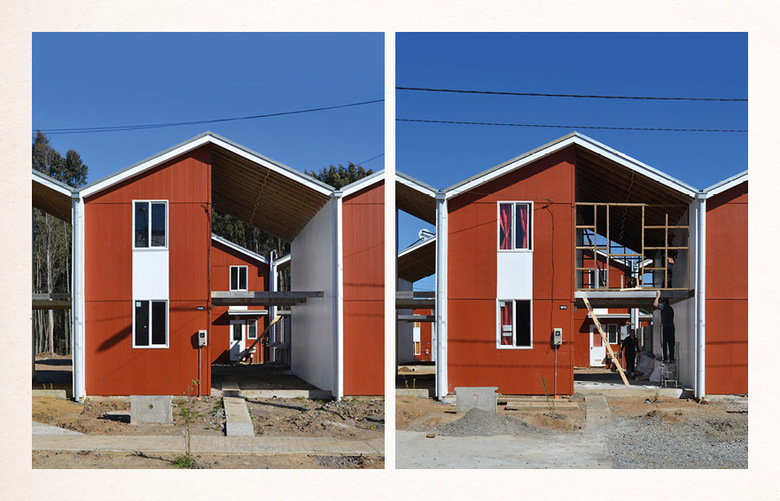
- Incremental Housing Model: Facilitating resident participation in design, progressive construction methods, and flexibility to accommodate economically diverse and evolving family needs.
Introduction to Housing Design Research
This literature study focuses on a detailed examination of current research dedicated to housing designs, especially government employee housing for teachers. The multifaceted analysis covers the critical factors and limitations influencing design, the interplay between architecture and social cohesion, and the evolving demands due to changing family dynamics. By concluding with an emphasis on incremental housing, the study demonstrates how adaptable, self-help housing structures can be created to empower residents—encouraging them to be active participants in shaping their living space. This approach not only meets the immediate needs of families but also accommodates future modifications, ensuring long-term satisfaction and community cohesion.
Factors and Limitations of Housing Designs for Teachers
Affordability and Economic Factors
Educational professionals such as teachers frequently face challenges in securing affordable housing due to the gap between salary scales and prevailing market rates. The literature widely recognizes that affordability is a significant limitation, prompting local and state governments to implement strategies like tax breaks, subsidies, and public-private partnerships. These initiatives aim to bridge the gap between income and housing cost, making quality living spaces accessible to those who serve in education.
Eligibility and Policy Constraints
Government employee housing often has strict eligibility criteria that may include income level, family size, and geographic location. These parameters are designed to target the support to those most in need but may simultaneously limit broader access. As research suggests, establishing clearer, yet flexible criteria can foster equity in housing allocation, ensuring that teacher housing addresses the diverse necessities of an evolving workforce.
Urban Planning and Funding Assistance
Urban planning strategies play a pivotal role in translating financial policies into tangible rewards for teachers. Successful projects often leverage public-private partnerships to enhance affordability and sustainability. In addition, innovative design must incorporate incremental growth possibilities where parents can gradually invest in expanding their home structure in parallel with their evolving economic circumstances.
Limitations Arising from Rigid Design Norms
Traditional housing designs tend to provide a “one-size-fits-all” solution that fails to adapt to the changing living arrangements of families, particularly in a dynamic society. The rigidity of static architectural norms often results in underutilized spaces or the inability to modify them as family needs—in terms of size and functionality—change over time.
Architecture’s Role in Promoting Social Cohesion
Communal Spaces to Enhance Social Interaction
One of the central themes in contemporary housing design literature revolves around the usage of communal areas to boost social interaction among residents. Thoughtful architectural planning that incorporates shared amenities such as common lounges, libraries, gardens, and multipurpose community rooms contributes to a more harmonious living experience. These spaces encourage neighborly connections and increase overall social cohesion, thereby enhancing the quality of life.
Participatory Design and Resident Engagement
Resident participation has become a cornerstone of modernized housing designs. By involving future occupants in the design process, architects can ensure that the spatial configuration meets the specific needs—and even cultural identities—of its residents. A participatory design process can lead to a more inclusive and flexible development that builds a strong sense of community ownership, ultimately empowering the occupants to take pride in their living environment.
Adaptability in Response to Changing Family Dynamics
Families today are subject to dynamic changes, whether through growth, reduced income due to economic fluctuations, or evolving family structures. Housing designs that proactively accommodate these shifts have proven to be more sustainable over time. Incorporating flexibility into the design—such as modular or progressive structures—allows residents to modify or expand spaces as their family’s circumstances change. This tailored approach not only enhances functionality but also reinforces social bonds, as families have the space to interact, collaborate, and support one another.
Incremental Housing: Shaping the Architecture for Future Needs
Concept and Implementation
Incremental housing stands out in the literature as an innovative strategy aimed at addressing the limitations of traditional housing. This design philosophy allows for a core structure that is functional from the onset but can be expanded over time in accordance with the residents' evolving needs—be it for more space, relatives moving in, or new functional requirements like home offices or social areas. This concept has been particularly effective in supporting low-income households as well as communities that require significant time-based evolution of their living spaces.
Flexible Design Elements
A central advantage of incremental housing is its flexibility. Houses are designed with the capacity to be incrementally upgraded through structural modifications and the addition of rooms or facilities. Architects use adaptable designs with features such as removable walls, convertible spaces, and modular units. This design principle allows homeowners, and in this case, government employees like teachers, to invest incrementally over time without the need for a complete overhaul or incurring the sizable financial burden usually accompanying major renovations.
Economic and Social Benefits
By allowing a progressive construction approach, incremental housing diminishes the immediate financial pressures associated with owning or renting a larger dwelling. This economic flexibility is especially beneficial in navigating periods of economic uncertainty. Additionally, incremental housing projects often foster community participation, as neighbors may collaborate during expansion phases, ensuring that changes are communal and beneficial to the overall community interaction. This model not only enhances social cohesion but also makes economic planning more predictable for long-term residents.
Framework for Progressive Construction
A typical incremental housing model involves establishing a robust yet basic core structure that meets the safety and health standards for immediate habitation. Over time, additional spaces are designed to seamlessly integrate with the existing structure. The flexibility provided by this method has been echoed in several international case studies and is strongly supported by contemporary architectural research. Policy makers are encouraged to facilitate land access and provide supportive building regulations to foster incremental growth as a sustainable solution towards long-term housing challenges.
Incorporating Resident Participation in Housing Design
The Participatory Design Approach
A defining feature in the evolution of housing architecture is the move towards participatory design. This approach fully integrates the community and residents into every stage of the architectural process. Involving teachers and other government employees in the conceptualization, design, and expansion phases of housing projects ensures that the final structure closely aligns with the users' specific needs. Residents have a direct impact on decisions regarding spatial configurations, communal space planning, and incremental design options.
Benefits of Resident Involvement
Resident participation not only improves the relevance of the final design but also instills a sense of ownership and pride. Studies have shown that spaces designed with resident input lead to higher satisfaction levels, better maintenance of communal areas, and stronger neighborhood bonds. For educators, whose roles encompass significant community interaction, living in a space they helped design fosters a deeper connection with both the place and their professional community.
Operationalizing Participation
To optimally incorporate user input, it is crucial to have formalized mechanisms for participation. Workshops, focus groups, and digital feedback platforms serve as effective forums for gathering and analyzing resident opinions. In practical terms, housing projects have successfully integrated these aspects by appointing community liaisons and establishing iterative design reviews during the construction phases. This ongoing dialogue between residents and designers helps in creating homes that are not merely built structures but living, evolving environments.
Integrated Insights and Comparative Analysis
Comprehensive Table of Key Aspects
| Aspect | Description | Impact |
|---|---|---|
| Affordability | Alignment of teacher salaries with market rates via subsidies and partnerships. | Increases accessibility and sustainability. |
| Eligibility Criteria | Income level, family size, and geographic stipulations govern housing access. | Ensures targeted support but may limit broad participation. |
| Social Cohesion | Incorporation of communal spaces and community-driven design elements. | Promotes neighborly interactions and stronger community bonds. |
| Flexibility | Incremental housing designs enabling progressive construction and adaptability. | Facilitates accommodation of evolving family dynamics and economic changes. |
| Resident Participation | Formal mechanisms for involving residents in the design process. | Enhances ownership, customizability, and community satisfaction. |
Interrelation of Concepts
The holistic approach to housing design for government employees, particularly teachers, reveals that affordability, social integration, and flexibility are interdependent facets that contribute to successful housing paradigms. For instance, while affordability is crucial, without the social and adaptive elements embedded in design, financial savings alone cannot guarantee user satisfaction or long-term sustainability. Additionally, policy support and creative partnerships are critical facilitators who transform theoretical frameworks, such as incremental housing, into practical projects that resonate with community needs.
Case Studies and International Insights
Successful Examples from Global Literature
Various projects worldwide showcase the tangible benefits of an integrated approach to teacher housing. In Latin America, for example, projects led by renowned architects such as Alejandro Aravena demonstrate how flexibility in design can lead to durable, user-centric solutions. Implemented strategies in these projects include progressive building methods, where initial structures are designed to grow over time through resident-led modifications. Similar success stories have been observed in urban developments supported by local governments in North America and Europe, where public policies and private funding work hand in hand to create adaptable housing.
Lessons Learned and Policy Implications
The key lessons learned from global case studies emphasize the need for both innovative design and policy frameworks that endorse incremental development. Regulatory support is essential not only to facilitate flexible zoning and land use but also to ensure that homes are built to be progressively upgraded. Policies need to create an environment where both economic and community needs are met by allowing structural modifications without losing the integrity of the housing core.
Governments, architects, and community leaders must work collectively to create models that are not only economically viable but are also capable of evolving with the changing dynamics of family life. This requires strong coordination in planning, execution, and ongoing community engagement—a strategy that promises sustainability even in the face of unforeseen economic shifts and changing societal needs.
Interdisciplinary Perspectives and Future Directions
Bridging Architecture, Economics, and Social Research
Interdisciplinary research unites principles from architecture, urban planning, social sciences, and economics to offer a comprehensive framework that benefits teacher housing projects. These collaborative efforts lead to comprehensive housing models that are resilient, adaptable, and robust enough to reflect the socio-economic realities of modern communities. By bridging these disciplines, future housing solutions will likely continue to integrate incremental design features, actively involve residents, and offer a long-term solution to the challenges of affordability and social cohesion.
Emerging Innovations
Advances in construction technologies, including modular building systems and sustainable materials, are paving the way for innovative incremental housing strategies. Emerging trends point to the use of digital design tools that allow residents to virtually customize their homes before actual construction begins. Such innovations not only streamline the design process but also ensure that the unique needs of teachers and government employees are adequately met.
Scaling and Replicability
The insights gathered from existing studies provide a blueprint that is scalable and adaptable across different regions. With a strong foundation in flexible design and participatory decision-making, the incremental housing model can be replicated in varied socioeconomic environments. This replicability ensures that teacher housing can continue to evolve as a cornerstone of supportive community infrastructure.
References
- More Districts Are Building Housing for Teachers. Here's What to Know - EdWeek
- Improving Housing Options for Teachers - TeachPlus
- The Built Environment and Accessible Design - Buildings & Cities Journal
- Districts Address Teacher Turnover by Providing Affordable Teacher Housing - EDNC
- The Built Environment and Accessible Design - Open Oregon
Recommended Related Queries
Last updated March 8, 2025