
Teacher Housing: Challenges and Architectural Solutions
Exploring the factors influencing government employee housing for educators
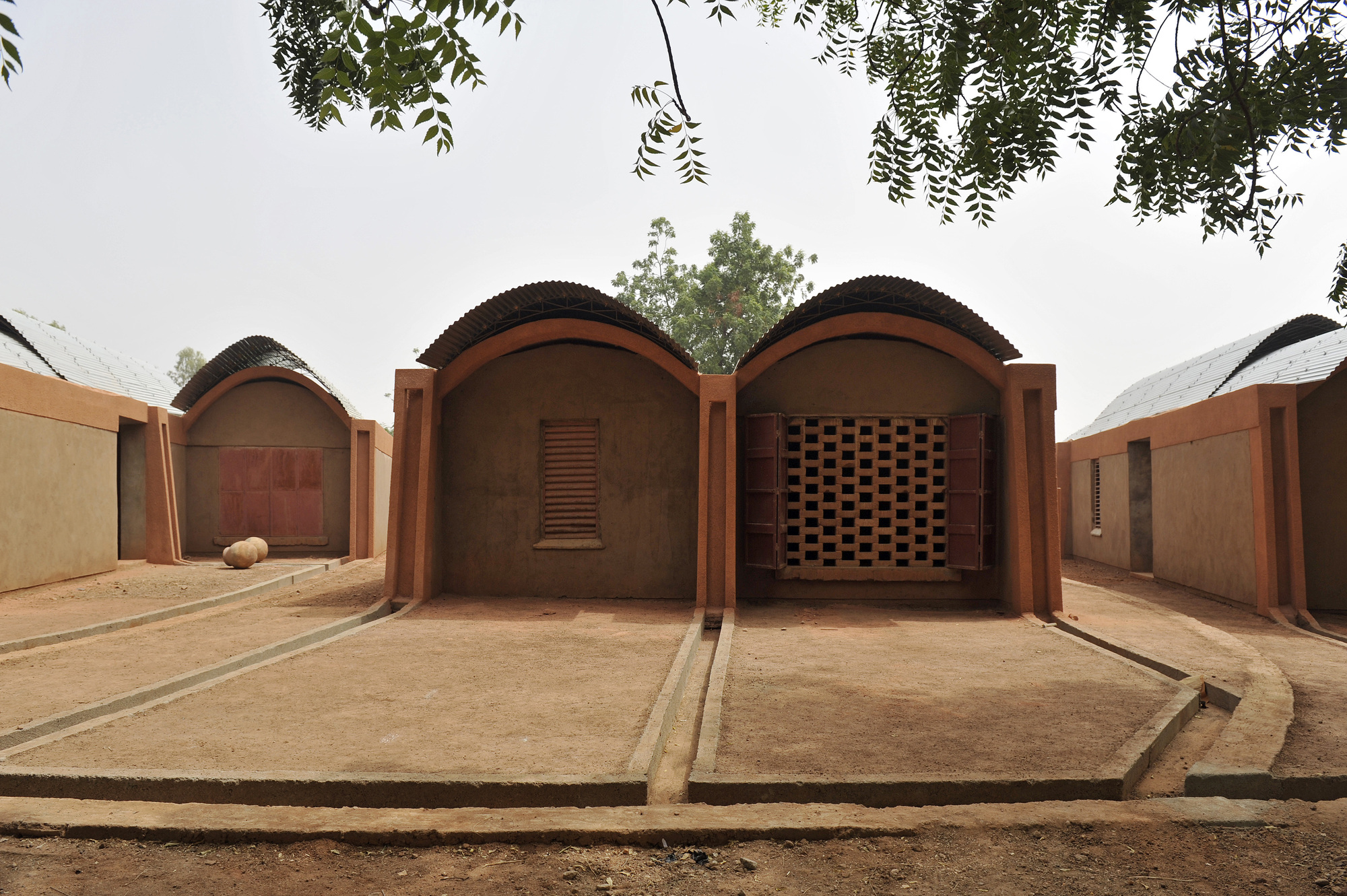
Highlights
- Comprehensive Analysis: In-depth exploration of affordability, spatial constraints, and location challenges.
- Architectural Innovations: Role of adaptable and sustainable design in creating viable housing solutions.
- Policy Insights: Reviewing government initiatives alongside international models to identify policy limitations and improvements.
1. Introduction
Overview of Housing for Government Employees
Housing holds critical importance for government employees, particularly public school teachers, whose professional and personal lives are intricately linked with the quality and accessibility of their living spaces. Affordable and functional housing can directly influence the well-being, job satisfaction, and overall retention of teachers, ensuring that communities are served effectively by stable and motivated educators.
Role of Architecture in Addressing Housing Challenges
Architecture extends beyond mere construction; it shapes the environment, directly impacting the living conditions and overall functionality of a space. In the context of teacher housing, innovative design plays a significant role in overcoming challenges posed by limited space, adaptability to changing household needs, and connectivity with schools. The development of incremental housing solutions allows for flexibility in design, ensuring that housing units can evolve in response to a teacher’s changing family size or financial situation (MDPI, 2025; Australian Educational Researcher, 2024).
Purpose of This Study
This study aims to understand the multifaceted factors influencing teacher housing, identify limitations in current housing programs, and explore the potential benefits of incremental housing as a sustainable solution. By analyzing relevant scholarly articles and case studies, this work seeks to provide empirically based insights into how architecture, policy design, and community engagement can converge to create adaptable, affordable, and strategically located housing for public school teachers.
2. Existing Studies on Government Employee Housing for Teachers
2.1. Challenges in Teacher Housing
Affordability and Accessibility Issues
One of the prevailing concerns for public school teachers is the affordability of housing. Recent studies indicate that teacher salaries do not always keep pace with rapidly rising housing costs, particularly in urban centers. This financial mismatch forces many educators to negotiate substandard housing conditions or spend a disproportionate amount of their income on rent, leading to long-term financial stress (Philstar, 2012; NEA, 2023). Accessible housing is equally critical: safe and accessible locations are often in short supply, especially in regions where property values have surged without corresponding increases in teacher compensation (Terner Center, 2025).
Limited Space and Adaptability
The static nature of many housing developments has resulted in spaces that are poorly tailored to the evolving needs of families. Teachers, like many other professionals, may experience changes in household size or alterations in their personal circumstances over time. Existing housing options often lack adaptability, meaning that a home designed for a single individual may prove inadequate once the teacher starts a family, or vice versa. Incremental housing, which allows for modular expansion and flexible design modifications, shows promise as a means of addressing these concerns (UCLA Architecture and Urban Design, 2025).
Location Constraints and Impact on Work-Life Balance
Location plays a critical role in teacher housing. Ideally, housing should be in close proximity to schools to reduce long commutes, which can detract from a teacher's ability to engage in community life and maintain a balanced work-life schedule. Research highlights that extended commuting times not only reduce available family time but also add additional financial burdens related to transportation costs (PNA, 2024; Australian Educational Researcher, 2024). This disconnect between affordable housing locations and employment centers represents a significant impediment to teacher retention and overall job satisfaction.
2.2. Government Policies and Housing Programs for Teachers
Overview of Existing Housing Projects in the Philippines
The Philippines has undertaken various initiatives in recent years to address the critical shortage of affordable housing for public school teachers. For instance, the Quezon City housing project, launched in March 2023, aimed to benefit over 400 teachers and low-income residents by providing accessible living quarters in proximity to educational centers (Philstar, 2023). Additionally, legislative proposals such as House Bill No. 1871 and House Bill 6326 have been introduced to offer affordable loans and even free on-site living quarters, showcasing the government’s recognition of the need for targeted housing solutions specifically designed for educators.
International Models of Teacher Housing
Looking globally, several international models underline inventive ways to tackle teacher housing challenges. In places like California, school districts have begun to leverage school-owned land for the development of affordable housing complexes, a strategy that helps bring teachers closer to their workplaces while reducing commuting burdens. In other countries including Dubai, shared accommodations enable international educators to mitigate rental costs through collective living arrangements, fostering a sense of community and reducing individual living expenses (UCLA Architecture and Urban Design, 2025; Education Week, 2023). Such comparative studies emphasize that tailored housing solutions, along with supportive policy measures, can effectively address the unique needs of educators while promoting community stability.
Policy Limitations and Areas for Improvement
Despite various initiatives at local and international levels, several limitations persist in housing programs for teachers. Financial constraints, bureaucratic delays, and political challenges often hinder the implementation and scalability of these projects. For example, despite efforts seen in the Philippines, many teachers continue to struggle with securing adequate housing due to insufficient funding and implementation hurdles (CalMatters, 2024). Moreover, current policies tend to address specific aspects of the housing crisis in isolation rather than adopting a holistic approach. There is a growing consensus among scholars that a multi-faceted strategy—which encompasses salary adjustments, housing allowances, and adaptive architectural designs—is essential for long-term success (DepEd Order, 2010; Terner Center, Berkeley, 2025).
Comparative Analysis of Teacher Housing Programs
To illustrate key differences and similarities in teacher housing programs between the Philippines and international models, consider the following table:
| Aspect | Philippines | International Models |
|---|---|---|
| Affordability | Government subsidies and loan programs (House Bill No. 1871, House Bill 6326) | School district-owned land and shared accommodations to reduce costs |
| Accessibility | Projects positioned near urban centers; challenges remain in rural areas | Housing complexes in close proximity to educational institutions |
| Adaptability | Existing models often lack modular design | Incremental housing models allow for flexible expansion and adaptation (UCLA Architecture and Urban Design, 2025) |
| Policy Support | Multiple legislative efforts but face bureaucratic and political delays | Integrated policy measures combining educational support and housing development |
| Impact on Work-Life Balance | Location constraints leading to long commutes | Closer proximity between housing and schools fosters better work-life integration |
In-Text Citations and Academic References
Integration of Empirical Research and Journals
The evidence presented in the literature is drawn predominantly from relevant academic journals and trusted news agencies. Studies published in MDPI’s scoping reviews and journals like the Australian Educational Researcher have highlighted the persistent affordability crisis faced by educators (MDPI, 2025; Australian Educational Researcher, 2024). Furthermore, the research conducted by the Terner Center at UC Berkeley provides empirical data on housing affordability challenges in coastal areas, where entry-level teachers are most affected (Terner Center, Berkeley, 2025).
Government documents, such as the DepEd Order from 2010, offer insights into the structural design of housing projects tailored to government employees. Comparative research, such as that undertaken by UCLA Architecture and Urban Design, has demonstrated the potential advantages of including adaptive incremental housing in teacher housing strategies (UCLA Architecture and Urban Design, 2025). Additionally, legislative initiatives reported by trusted agencies like Philstar and PNA provide granular details on how policy interventions can shape the broader framework of teacher housing (Philstar, 2012; PNA, 2024).
Empirical Evidence Supporting Incremental Housing
Incremental housing offers a promising pathway towards enhancing the adaptability and sustainability of teacher housing solutions. Through modular and flexible design strategies, these housing models allow room for future expansion or reconfiguration, effectively accommodating changes in family size or lifestyle needs (UCLA Architecture and Urban Design, 2025). This approach stands in stark contrast to traditional one-size-fits-all housing projects, which can quickly become obsolete or inadequate in the face of evolving societal demands.
Policy Implications and Prospects for Improvement
Strategic Policy Recommendations
Based on the integration of insights from various studies, several strategic recommendations can be made:
- Establish comprehensive, multi-dimensional housing strategies that go beyond isolated subsidies or loan programs. Policymakers could consider enhancing teacher salaries, providing housing allowances, and integrating adaptive architectural design into housing projects.
- Encourage cross-sector partnerships among government bodies, educational institutions, and private developers. Such collaborations can create innovative incremental housing solutions that respond flexibly to changing community needs.
- Prioritize the development of housing projects that are strategically located near schools, thus reducing long commutes and improving work-life balance for educators.
- Implement continuous interdisciplinary research efforts to refine housing policies and adapt design solutions according to real-time feedback from educators.
Identifying Areas for Future Research
Although significant progress has been made in studying teacher housing challenges, there remains a notable gap in comprehensive, longitudinal data on the effectiveness of incremental housing. Future research should focus on:
- Evaluating the long-term impacts of housing policies on teacher retention and satisfaction through multi-year studies.
- Analyzing the scalability of incremental housing models in diverse geographical and socioeconomic contexts.
- Investigating how specific architectural features can be optimized to better meet the evolving needs of teachers.
- Comparing cost-effectiveness and social outcomes between traditional housing projects and innovative modular designs.
References
- Philstar - 90,000 Teachers and Home Ownership - Philstar
- NEA - Teachers Struggle to Find Affordable Housing - NEA
- PNA - Housing Challenges for Teachers - PNA
- CalMatters - Affordable Housing Initiatives - CalMatters
- MDPI - Sustainability in Housing Solutions - MDPI
Recommended Queries for Further Exploration
Last updated March 8, 2025