
Beyond the Ordinary: 10 Groundbreaking App Ideas Ready for 2025
Discover innovative concepts blending AI, AR, and user needs for the next wave of impactful iOS and web applications.
The digital landscape is constantly evolving, and the demand for intuitive, intelligent, and impactful applications continues to surge. As we look towards 2025, the fusion of technologies like Artificial Intelligence (AI), Augmented Reality (AR), cloud computing, and hyper-personalization presents incredible opportunities. If given the chance to build *any* iOS or web app, the focus would be on creating solutions that not only solve real-world problems but also enhance user experiences in meaningful ways. Here are 10 carefully considered app ideas poised for success, drawing inspiration from current trends and future potential.
Key Highlights: The Future of Apps
- AI-Driven Personalization: Many innovative concepts revolve around using AI to tailor experiences, from health and finance to learning and shopping, making apps truly individual-centric.
- Bridging Physical and Digital Worlds: Augmented Reality (AR) and immersive technologies are key to enhancing real-world activities like shopping, event participation, and navigation.
- Community and Sustainability Focus: Apps fostering connection, promoting eco-friendly lifestyles, and facilitating social good are gaining significant traction, reflecting a shift towards purpose-driven technology.
Top 10 App Concepts for 2025
These ideas represent a blend of innovation, market need, and technological feasibility, designed for both iOS and web platforms where applicable.
1. AI Personal Health & Wellness Ecosystem
Your All-in-One Intelligent Health Companion
Imagine a single platform that acts as your personalized fitness coach, nutritionist, and mental wellness guide. This app would leverage AI to analyze biometric data (from wearables or manual input), dietary habits (potentially via photo recognition), workout performance (with real-time form correction using the phone's camera), and mood patterns. It would generate truly adaptive fitness plans, dynamic meal suggestions integrating with grocery delivery services, mindfulness exercises tailored to stress levels, and even predictive health insights. The goal is a holistic approach to well-being, constantly learning and adapting to the user's unique needs and progress.
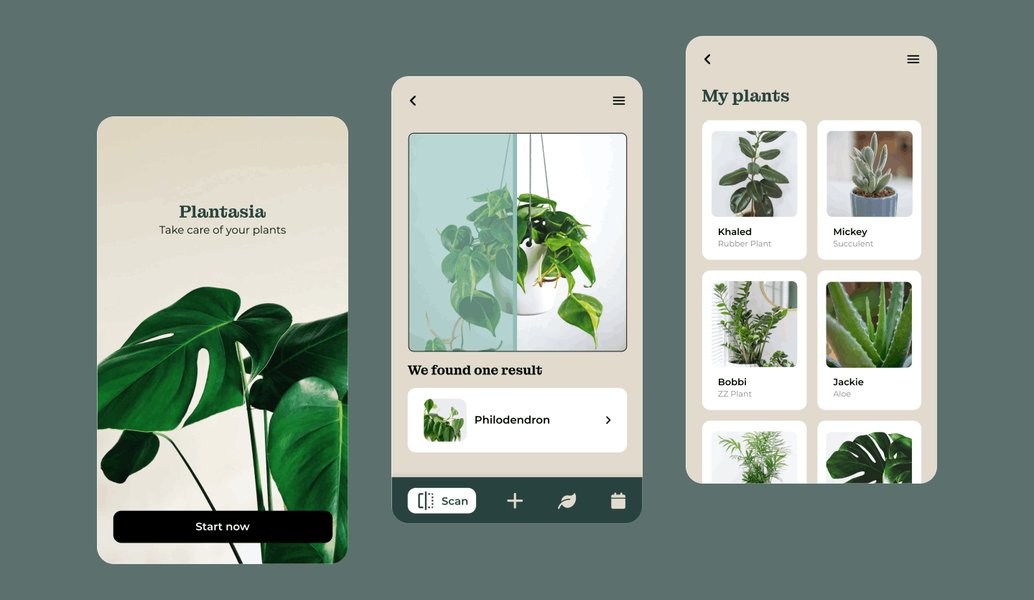
A modern app interface showcasing personalized content and tracking, similar to what a health ecosystem app might offer.
2. Next-Generation Event Management & Experience Hub
Blending Physical Attendance with Virtual Immersion
Event planning is complex. This web app aims to streamline the entire process – from guest list management, ticketing, and vendor coordination to real-time updates and communication. However, its key innovation lies in integrating immersive experiences. Attendees could join virtually via high-quality streams, participate in interactive Q&A sessions, network in virtual lounges, or even experience aspects of the event through Augmented Reality features (like AR stage previews or interactive sponsor booths accessible via their phones). This hybrid approach caters to global audiences and enhances engagement for both physical and remote participants, perfect for conferences, festivals, workshops, and concerts.
3. Augmented Reality Smart Shopping Assistant
Revolutionizing Retail and Grocery Experiences
Shopping, whether for groceries or fashion, can be overwhelming. This iOS app would use AR to transform the experience. In a grocery store, point your phone to navigate aisles efficiently, instantly locate items on your list, and access detailed product information (nutrition facts, allergens, recipes, ethical sourcing details) overlaid on the shelf view. For retail, it could offer realistic virtual try-ons for clothing and accessories using precise body scanning (like LiDAR on newer iPhones) and AI-powered style recommendations. Personalized deals and inventory checks would further enhance convenience.
4. AI-Powered Personal Learning & Productivity Suite
Your Smart Companion for Growth and Efficiency
This integrated web and mobile app acts as a personal tutor and productivity enhancer. It utilizes AI to create adaptive learning paths across various subjects, adjusting difficulty based on user pace and style, offering interactive quizzes, and providing explanations via a natural language chatbot. Beyond learning, it incorporates intelligent task management, time tracking, focus tools (like Pomodoro timers), and AI-driven suggestions to optimize workflows and manage schedules effectively. It's designed for students, professionals, and lifelong learners seeking structured growth and better organization.
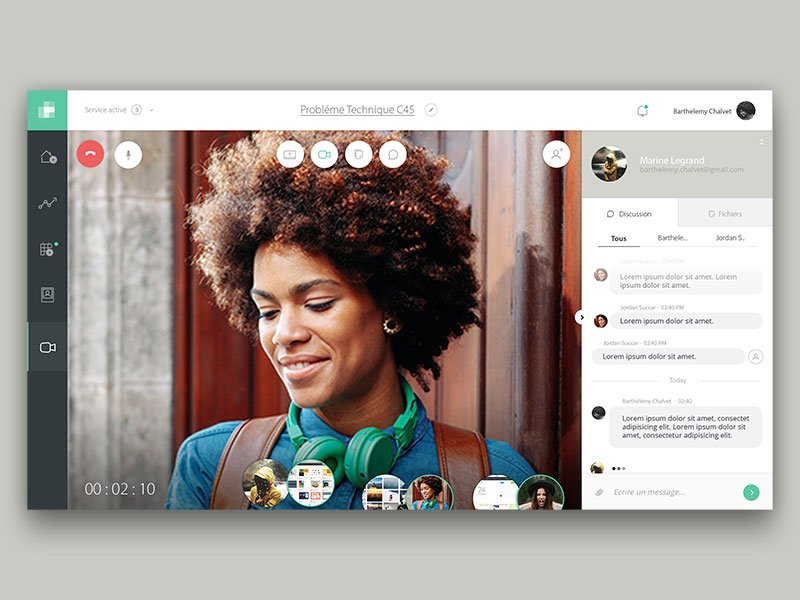
An example showcasing the clean design typical of modern productivity web applications.
5. Holistic AI Financial Advisor
Intelligent Financial Management Made Simple
Personal finance can be complex. This app (iOS/web) simplifies it using AI. It would offer intelligent budgeting tools that analyze spending patterns, provide personalized saving tips, and automate expense categorization. A robo-advisor component could offer data-backed investment suggestions tailored to risk tolerance and goals. Furthermore, it could incorporate features like smart bill payment reminders, subscription management, and integrated tools for easily splitting expenses among groups, providing a comprehensive overview and actionable insights for financial health.
6. AI Language & Cross-Cultural Communication Tool
Breaking Barriers in Global Communication
More than just translation, this app aims to foster true understanding. It would feature advanced AI-powered real-time translation (text and voice), but also include sophisticated pronunciation coaching with accent scoring and feedback. Crucially, it would offer cultural context and etiquette tips relevant to conversations or travel destinations. Immersive practice scenarios (e.g., ordering food, navigating a city) using AI conversation partners would allow users to apply their skills in realistic situations, making it invaluable for travelers, international business professionals, and language learners.
7. Eco-Lifestyle & Community Action Platform
Empowering Sustainable Living and Social Impact
This app encourages and facilitates environmentally conscious living. Users could track their carbon footprint based on daily activities (travel, diet, energy use), receive personalized suggestions for reducing impact, and discover local sustainable businesses and products. Gamified challenges and community features would foster engagement. It could also integrate functionalities for participating in local green initiatives, coordinating neighborhood cleanups, or even connecting surplus food from restaurants/stores with local charities (a "food rescue network" component), turning individual action into collective impact.
8. Hyperlocal Skills & Services Marketplace
Connecting Neighbors for Mutual Support
Tapping into the power of community, this platform connects users within a specific locality for peer-to-peer skill sharing and service exchange. Need help fixing a leaky faucet, learning guitar, getting tech support, or finding a pet sitter? Post a request or offer your skills. The app would handle scheduling, secure payments, user ratings/reviews, and background checks (optional) to build trust. It focuses on micro-skills and everyday tasks, fostering local connections and providing accessible, affordable help.
9. Seamless Collaboration & Cloud Workspace
Boosting Teamwork and Knowledge Sharing
Designed for students and remote/hybrid teams, this web app provides an integrated environment for collaboration. Features include real-time document co-editing, shared whiteboards, secure cloud storage with intelligent organization (AI tagging/search), project management tools (task assignment, progress tracking), and integrated video conferencing. AI could offer suggestions for improving team efficiency, summarizing meeting notes, or managing file versions, creating a truly smart and unified workspace.
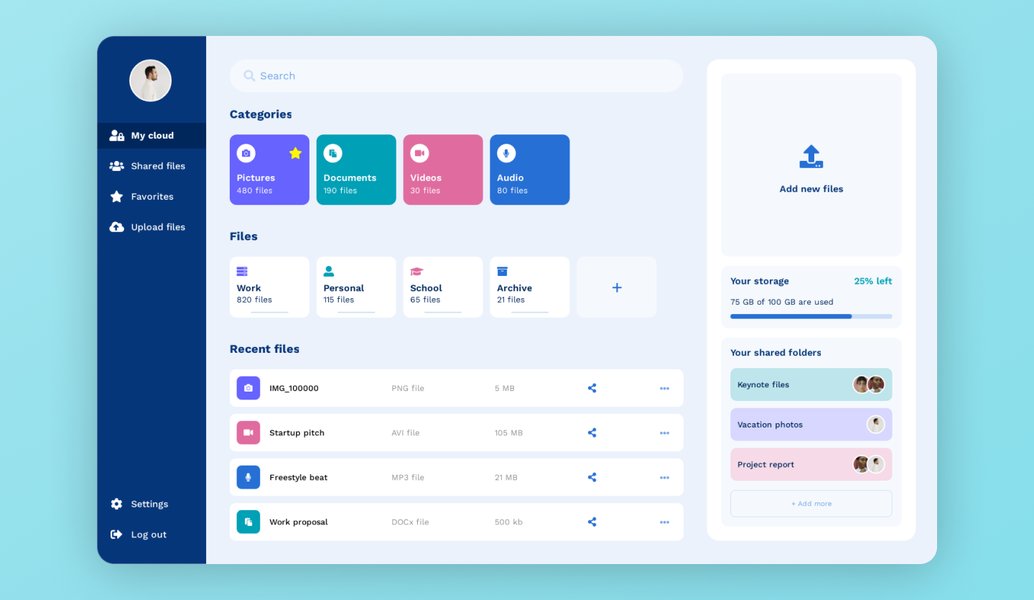
Visual representation of a clean, user-friendly cloud collaboration platform.
10. Smart City Navigation & Resource Assistant
Your Intelligent Guide to Urban Living
Navigating urban environments efficiently can be challenging. This app uses AI and real-time data to provide solutions. It would aggregate data from various sources to show real-time parking availability (street and garage) with predictive modeling and pre-booking options. It could offer optimized multi-modal transit routes (combining public transport, ride-sharing, bike lanes), alert users to local events or disruptions, and provide easy access to information about city services (e.g., reporting issues, finding public facilities). Essentially, it acts as an intelligent dashboard for interacting with and navigating the city.
Visualizing App Potential: Feature Focus Radar Chart
This radar chart provides a conceptual overview of how some of these app ideas might compare across key dimensions like AI integration, market potential, personalization focus, social impact, and technical complexity. The scores are illustrative, representing potential emphasis rather than precise metrics.
Mapping the App Ideas Landscape
This mindmap provides a visual overview of the major categories these 10 app ideas fall into, highlighting the core focus of each concept.
(Fitness, Nutrition, Mental Health)"] id2["Productivity & Learning"] id2a["AI Learning & Productivity Suite
(Adaptive Learning, Task Mgmt)"] id2b["Collaboration & Cloud Workspace
(Teamwork, File Sharing)"] id3["Commerce & Lifestyle"] id3a["AR Smart Shopping Assistant
(Retail, Grocery, Virtual Try-on)"] id3b["Holistic AI Financial Advisor
(Budgeting, Investing, Bill Split)"] id3c["Smart City Navigation
(Parking, Transit, Local Info)"] id4["Communication & Connection"] id4a["AI Language & Culture Tool
(Translation, Pronunciation, Etiquette)"] id4b["Hyperlocal Skills & Services
(Peer-to-Peer Marketplace)"] id5["Events & Experiences"] id5a["Next-Gen Event Platform
(Hybrid Physical/Virtual, AR)"] id6["Social Impact & Sustainability"] id6a["Eco-Lifestyle & Community Action
(Carbon Tracking, Green Habits, Food Rescue)"]
Summary Table of App Concepts
Here's a quick overview of the 10 app ideas, their primary platform focus, target audience, and key enabling technology.
| App Idea | Primary Platform | Target Audience | Key Technology |
|---|---|---|---|
| 1. AI Personal Health & Wellness Ecosystem | iOS/Web | Health-conscious individuals | AI, Machine Learning, Wearable Integration |
| 2. Next-Gen Event Management & Experience Hub | Web (Primary), iOS (Companion) | Event organizers, Attendees (Physical & Virtual) | Cloud, Streaming, AR/VR (Optional) |
| 3. AR Smart Shopping Assistant | iOS (AR focus), Web (Companion) | Shoppers (Grocery & Retail) | Augmented Reality, AI, Geolocation |
| 4. AI-Powered Personal Learning & Productivity Suite | Web/iOS | Students, Professionals, Lifelong Learners | AI, NLP, Cloud |
| 5. Holistic AI Financial Advisor | Web/iOS | Individuals seeking financial management | AI, Machine Learning, API Integration |
| 6. AI Language & Cross-Cultural Communication Tool | Web/iOS | Travelers, Language Learners, Professionals | AI, NLP, Speech Recognition |
| 7. Eco-Lifestyle & Community Action Platform | iOS/Web | Environmentally conscious individuals, Communities | AI, Geolocation, Community Features |
| 8. Hyperlocal Skills & Services Marketplace | iOS/Web | Local residents, Service providers | Geolocation, P2P Platform, Ratings System |
| 9. Seamless Collaboration & Cloud Workspace | Web (Primary), iOS (Access) | Students, Remote Teams, Businesses | Cloud Computing, Real-time Collaboration Tools, AI |
| 10. Smart City Navigation & Resource Assistant | iOS/Web | Urban residents, Commuters, Tourists | AI, Real-time Data Aggregation, Geolocation |
Finding Winning App Ideas: Insights
Developing a successful app starts with a strong idea. Validation, understanding the target market, and identifying a real problem to solve are crucial steps. This video explores strategies for finding and validating app ideas that have potential.
Video discussing strategies for identifying promising app ideas.
The process often involves observing daily frustrations, analyzing market trends (like the rise of AI and personalization highlighted in the ideas above), researching competitors, and brainstorming innovative solutions. Combining technological advancements with genuine user needs is key to creating an app that resonates and provides value.
Frequently Asked Questions (FAQ)
How important is AI integration for apps in 2025?
AI integration is becoming increasingly crucial. As seen in many of the ideas presented (like personalized health, finance, and learning apps), AI enables hyper-personalization, predictive insights, automation of complex tasks, and more natural user interactions (e.g., via chatbots or voice commands). While not every app *needs* AI, leveraging it strategically can provide a significant competitive advantage and enhance user value substantially in 2025 and beyond.
Should I develop for iOS, web, or both?
The choice depends heavily on the app's functionality and target audience. iOS offers deep integration with device hardware (like ARKit, HealthKit, LiDAR) which is ideal for apps like the AR Shopping Assistant or Health Ecosystem. Web apps provide broader accessibility across devices and platforms without needing installation, suitable for platforms like the Collaboration Workspace or Event Management Hub. Often, a combined approach works best: a core web application with a complementary iOS app for mobile-specific features and convenience. Consider where your target users are most active and what features are essential.
What makes an app idea "innovative"?
Innovation isn't always about inventing something entirely new. It can involve:
- Applying existing technology (like AI or AR) in a novel way to solve a problem (e.g., AR for grocery navigation).
- Combining functionalities that haven't been integrated before (e.g., fitness, nutrition, and mental wellness in one AI platform).
- Significantly improving upon an existing solution, making it much more efficient, user-friendly, or personalized.
- Addressing an unmet need or serving an underserved niche market (e.g., hyperlocal skill sharing).
- Focusing on emerging trends like sustainability or hybrid event experiences.
Essentially, it's about creating unique value or a significantly better experience for the user.
How can I validate if one of these ideas is viable?
Validation is key before investing significant resources. Steps include:
- Market Research: Identify your target audience, analyze competitors, and assess market size and demand. Are people already looking for solutions like this?
- User Surveys & Interviews: Talk to potential users. Understand their pain points related to the problem your app aims to solve. Gauge their interest in your proposed solution.
- Landing Page Test: Create a simple webpage describing the app concept and its benefits. Collect email sign-ups to measure interest.
- Prototype Development: Build a basic version (Minimum Viable Product - MVP) or even just an interactive prototype (using tools like Figma or Uizard) to demonstrate the core functionality.
- Get Feedback: Show the prototype or MVP to potential users and gather feedback. Iterate based on their input.
This iterative process helps refine the idea and confirm if there's a genuine market need before full-scale development.
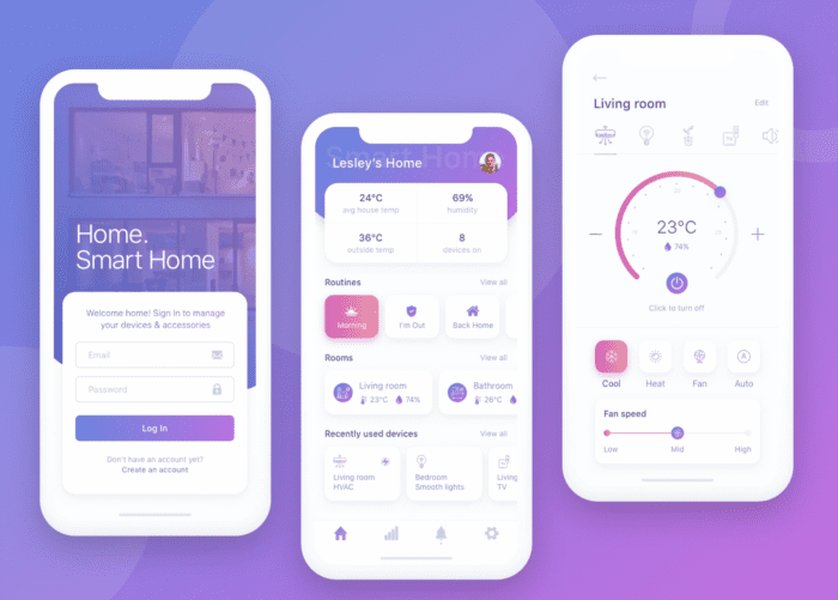
Prototyping is a crucial step in validating app ideas.
Recommended Further Exploration
- How can AI be effectively integrated into mobile applications to enhance user experience?
- What are the latest trends and best practices in Augmented Reality app development for iOS?
- What are the key factors for building successful community-based applications with high user engagement?
- What monetization strategies are most effective for health and wellness applications in 2025?
References
Last updated May 4, 2025