
Unlock Engagement: 10 Powerful Gamified SaaS Ideas Beyond Education
Discover innovative ways to boost motivation, productivity, and retention by integrating game mechanics into non-teaching software solutions.
Gamification in Software as a Service (SaaS) is more than just a buzzword; it's a strategic approach to integrating game design elements and mechanics into non-game contexts to drive user engagement, modify behaviors, and solve specific problems. By leveraging principles of behavioral psychology—such as the desire for achievement, competition, status, and reward—gamified SaaS platforms can transform mundane or challenging tasks into enjoyable and motivating experiences. This technique is proving highly effective across various industries, moving far beyond its initial applications in education and training.
Instead of relying solely on functional utility, gamified SaaS adds layers of interaction like points, badges, levels, leaderboards, challenges, and progress tracking. This not only makes the software more appealing but also encourages users to interact more deeply, adopt features more readily, and remain loyal to the platform longer. With the gamification market projected to surge, incorporating these elements represents a significant opportunity for SaaS businesses aiming to enhance performance, productivity, and user satisfaction in novel ways.
Key Highlights: Gamified SaaS Opportunities
- Boosted Engagement & Retention: Gamification techniques like points, badges, and leaderboards directly address user motivation, leading to higher platform adoption rates and reduced churn, especially during onboarding and long-term use.
- Enhanced Productivity & Performance: Applying game mechanics to workflows in sales, project management, and customer support can significantly improve team efficiency, goal achievement, and task completion rates through healthy competition and clear progress indicators.
- Behavioral Change & Habit Formation: Gamified systems excel at encouraging positive behaviors, whether it's building healthy habits, maintaining data hygiene in CRMs, or promoting sustainable practices, by making consistency rewarding and visible.
10 Gamified SaaS Ideas Solving Specific Problems (Non-Educational)
Here are ten distinct gamified SaaS concepts designed to tackle specific challenges in various sectors, demonstrating the versatility and power of applying game mechanics outside of teaching contexts:
1. Sales Team Performance & CRM Engagement Platform
Problem Addressed:
Sales teams often face motivation slumps, inconsistent CRM usage leading to poor data quality, and difficulty tracking performance transparently.
Gamified Solution:
A SaaS platform that integrates directly with existing CRMs to gamify sales activities. It features real-time leaderboards tracking key metrics (e.g., calls made, deals closed, pipeline value), achievement badges for milestones (e.g., "Quota Crusher," "Top Closer"), points for timely data entry and task completion, and team-based sales contests or "sprints." This fosters healthy competition, encourages consistent CRM use, boosts morale through recognition, and provides clear visibility into individual and team performance.
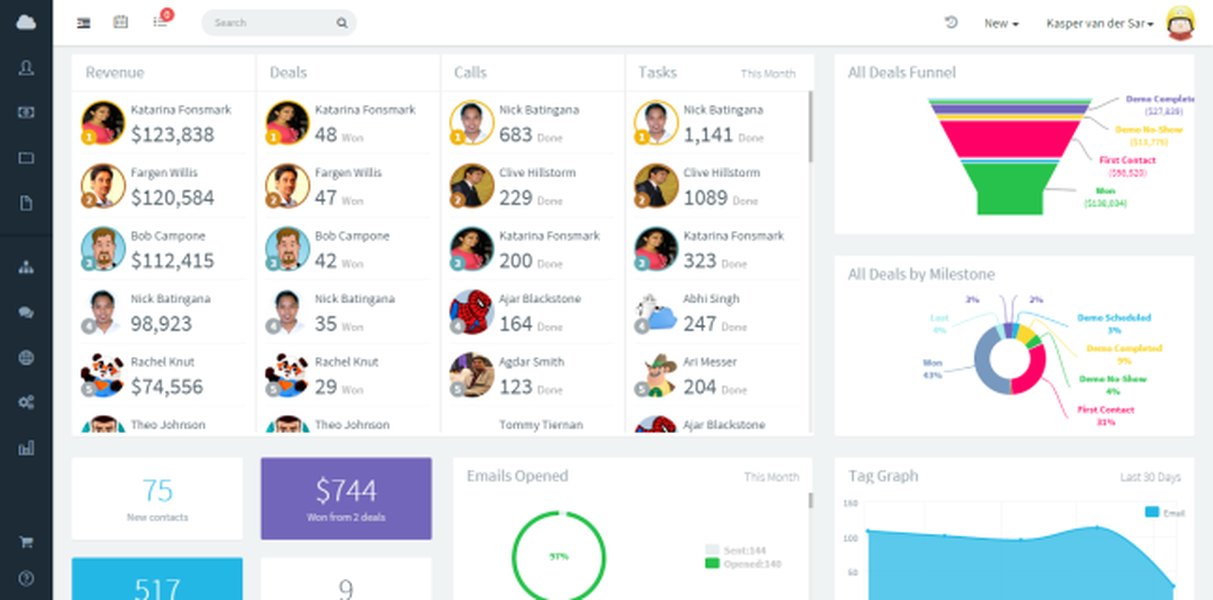
Sales leaderboards visually rank performance, driving competition and motivation.
2. Gamified Habit Tracking & Personal Productivity Hub
Problem Addressed:
Individuals struggle with building and maintaining positive personal or professional habits (e.g., exercise, focused work, skill development) due to lack of motivation, accountability, and engaging feedback loops.
Gamified Solution:
This platform allows users to set goals, track habits, and manage tasks within a gamified framework. Users create avatars that level up, earn points or virtual currency for completing tasks or maintaining streaks (e.g., daily meditation for 7 days), unlock cosmetic items or abilities, and complete "quests" related to their goals. Social features could include accountability partners or team challenges. AI could offer personalized challenges based on user patterns. This turns self-improvement into an engaging journey, increasing consistency and long-term adherence.
3. Employee Onboarding & Feature Adoption Navigator
Problem Addressed:
New hires often feel overwhelmed during onboarding, leading to disengagement. Similarly, existing software users may underutilize complex platforms because they aren't motivated to explore advanced features.
Gamified Solution:
A SaaS tool that guides users through onboarding processes or software features using interactive checklists, progress bars showing completion stages, points for finishing modules or tutorials, and badges for mastering specific skills or features (e.g., "Setup Superstar," "Advanced Analytics Explorer"). Short quizzes can unlock subsequent levels or content. This makes learning processes less daunting, encourages exploration, accelerates proficiency, and increases the perceived value of the software or company role.
Progress bars and checklists gamify onboarding and feature discovery.
4. Customer Support Agent Productivity & Quality Booster
Problem Addressed:
Customer support teams can suffer from burnout due to repetitive tasks, leading to decreased responsiveness, inconsistent service quality, and low morale.
Gamified Solution:
This SaaS gamifies the support workflow by awarding points for key performance indicators like ticket resolution speed, first-contact resolution rates, positive customer satisfaction (CSAT) scores, and knowledge base contributions. Leaderboards display top performers, badges recognize specific achievements (e.g., "Fastest Resolver," "Customer Hero"), and weekly challenges can focus on specific metrics. This motivates agents, improves service quality, fosters a positive team dynamic, and provides tangible recognition for excellent work.
5. Project Management & Collaboration Motivator
Problem Addressed:
Teams using project management tools can lose momentum, struggle with task visibility, face collaboration hurdles, and miss deadlines due to lack of engagement.
Gamified Solution:
Integrate gamification into project management software by awarding points or experience (XP) for completing tasks on time, contributing to discussions, helping teammates, or closing project milestones. Progress bars can visualize sprint or project completion, while team leaderboards can track collective achievements. Badges can recognize skills demonstrated (e.g., "Problem Solver," "Collaboration Champion"). Milestone celebrations (e.g., small animations) add positive reinforcement. This enhances visibility, encourages timely completion, improves team cohesion, and makes project tracking more dynamic.
6. Corporate Wellness & Healthy Habits Platform
Problem Addressed:
Employees often neglect personal well-being (physical activity, hydration, breaks, mental health practices) during busy work schedules, impacting productivity and increasing burnout risk.
Gamified Solution:
A workplace wellness SaaS that allows employees to track healthy habits (steps taken, water intake, mindfulness minutes, ergonomic breaks) through wearables or manual input. Gamification includes points for daily goals, streak bonuses, badges for consistency (e.g., "Hydration Hero," "Mindful March Finisher"), and team-based wellness challenges (e.g., collective step goals). Points could potentially be redeemed for wellness-related perks. This promotes a healthier workplace culture, improves employee well-being, and fosters camaraderie.
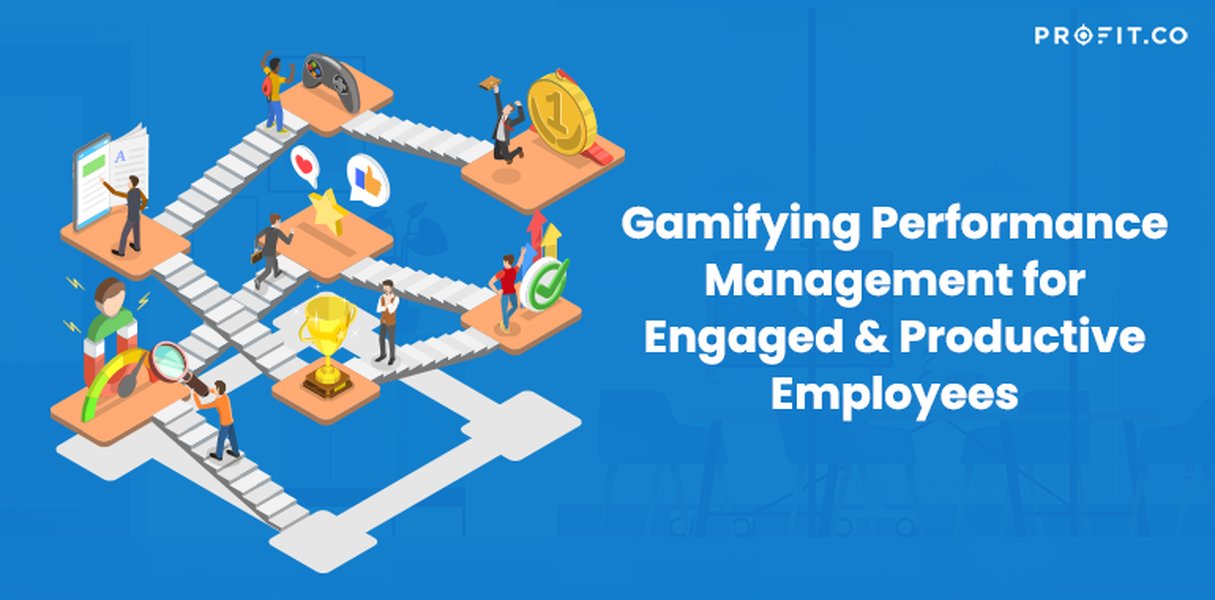
Gamification can drive engagement in corporate wellness programs.
7. User Feedback & Bug Reporting Incentive System
Problem Addressed:
Companies struggle to gather sufficient high-quality user feedback, feature suggestions, or detailed bug reports, hindering product improvement.
Gamified Solution:
A platform (standalone or integrated) that rewards users for contributing valuable feedback. Users earn points for submitting detailed bug reports (more points for reproducible bugs), suggesting features that get implemented, validating existing issues, or participating in beta testing. Leaderboards recognize top contributors, potentially offering status levels (e.g., "Community Advisor") or early access to new features. This incentivizes active participation in the product development lifecycle and improves feedback quality and quantity.
8. Financial Savings & Goal Achievement Tool
Problem Addressed:
Many individuals find it difficult to stick to savings goals or manage personal finances consistently due to the abstract nature of long-term goals and lack of immediate rewards.
Gamified Solution:
A personal finance SaaS that gamifies saving money. Users set specific financial goals (e.g., emergency fund, down payment) and track progress visually. Gamification includes awarding points or badges for hitting savings milestones, maintaining savings streaks, completing financial literacy quizzes, or participating in savings challenges (e.g., "No-Spend Week"). Virtual rewards or progress visualizations make saving more tangible and motivating, encouraging better financial habits.
9. Supply Chain & Logistics Efficiency Driver
Problem Addressed:
Inefficiencies, errors, and lack of proactivity in supply chain operations (e.g., warehousing, dispatch, delivery) lead to increased costs and delays.
Gamified Solution:
A SaaS platform for logistics and supply chain management that incorporates gamification to incentivize efficiency. Warehouse staff could earn points for accurate order picking or reduced handling times. Dispatchers could compete on optimizing routes or minimizing idle time. Drivers could receive badges for on-time delivery records or fuel efficiency. Challenges could target specific bottlenecks (e.g., reducing weekend processing time). Leaderboards highlight top-performing individuals or teams, driving operational improvements and cost savings.
10. Sustainable Business Practices & Energy Reduction Tracker
Problem Addressed:
Organizations struggle to engage employees in sustainability initiatives, making it difficult to track and reduce collective resource consumption (energy, water, waste).
Gamified Solution:
A SaaS platform designed for businesses to track and gamify eco-friendly behaviors among employees or departments. It tracks metrics like energy usage reduction (compared to baseline), recycling rates, or participation in green commuting programs. Features include team challenges, leaderboards showing the "greenest" teams, badges for achieving sustainability milestones (e.g., "Carbon Footprint Reducer"), and points redeemable for eco-friendly rewards or donations. This fosters collective responsibility and drives measurable reductions in environmental impact.
Visualizing Gamification Impact: Key Mechanics Across Applications
Gamification isn't one-size-fits-all. Different mechanics resonate differently depending on the application area and the desired outcome. The radar chart below offers an opinionated perspective on the potential relative impact of common gamification mechanics across several of the SaaS ideas discussed. A higher score suggests a stronger potential impact for that mechanic in that context.
For example, leaderboards show high potential impact in sales due to the competitive nature of the field, while progress bars and levels are crucial for guiding users through onboarding or habit formation. Choosing the right mix of mechanics is key to successful gamification design.
Mapping the Gamified SaaS Landscape
Gamification in SaaS involves a core concept supported by various mechanics applied across different domains to achieve specific benefits. This mindmap provides a visual overview of these interconnected elements, illustrating how game design principles are leveraged in business software.
(Non-Educational)"] id1["Core Goal
Boost Engagement & Motivation"] id1_1["Solve Specific Problems"] id2["Key Gamification Mechanics"] id2_1["Points & Scoring Systems"] id2_2["Badges & Achievements"] id2_3["Leaderboards & Rankings"] id2_4["Progress Bars & Levels"] id2_5["Challenges & Quests"] id2_6["Virtual Rewards & Avatars"] id2_7["Streaks & Consistency Bonuses"] id2_8["Social & Team Features"] id3["Application Areas"] id3_1["Sales Performance"] id3_2["Personal Productivity & Habits"] id3_3["Employee Onboarding & Training"] id3_4["Customer Support"] id3_5["Project Management"] id3_6["Health & Wellness"] id3_7["User Feedback & Community"] id3_8["Finance & Savings"] id3_9["Logistics & Supply Chain"] id3_10["Sustainability & Eco-Behavior"] id4["Primary Benefits"] id4_1["Increased User Retention"] id4_2["Improved Productivity"] id4_3["Enhanced Data Quality"] id4_4["Faster Adoption"] id4_5["Behavior Modification"] id4_6["Stronger Team Cohesion"] id4_7["Better Customer Loyalty"]
This map highlights the synergy between the 'why' (solving problems, benefits), the 'how' (mechanics), and the 'where' (application areas) of gamification in the SaaS world.
Understanding Gamification Techniques
To effectively implement the SaaS ideas discussed, it's helpful to understand the core techniques involved in gamification. While the specific application varies, the underlying principles remain consistent across different platforms. The following video provides a concise overview of key gamification techniques often used in SaaS products to boost engagement and achieve business goals.
Video discussing top gamification techniques relevant to SaaS.
As shown in the video and echoed in our examples, techniques like points, badges, leaderboards, challenges, and progress tracking are fundamental building blocks. Successful gamification hinges on thoughtfully applying these mechanics to align with user motivations and the specific problem the SaaS aims to solve, ensuring the 'game' elements feel meaningful and integrated rather than superficial additions.
Gamified SaaS Ideas: Summary Table
This table summarizes the 10 gamified SaaS ideas, the core problem each addresses, and the primary gamification mechanics employed.
| SaaS Idea | Problem Solved | Key Gamification Mechanics |
|---|---|---|
| 1. Sales Performance & CRM Engagement | Low sales motivation, poor CRM data quality | Leaderboards, Badges, Points, Contests |
| 2. Habit Tracking & Productivity Hub | Inconsistent habits, lack of motivation | Points, Streaks, Levels, Avatars, Challenges |
| 3. Employee Onboarding & Feature Adoption | Overwhelming onboarding, low feature use | Progress Bars, Checklists, Badges, Points |
| 4. Customer Support Productivity Booster | Agent burnout, inconsistent service quality | Points (for KPIs), Leaderboards, Badges, Challenges |
| 5. Project Management Motivator | Lost momentum, poor collaboration | Points (XP), Progress Bars, Team Goals, Badges |
| 6. Corporate Wellness Platform | Neglected employee well-being | Points, Streaks, Badges, Team Challenges |
| 7. User Feedback & Bug Reporting System | Insufficient quality feedback/bug reports | Points, Leaderboards, Status Levels |
| 8. Financial Savings & Goal Tool | Difficulty sticking to savings goals | Points, Badges, Streaks, Progress Visualization |
| 9. Supply Chain & Logistics Efficiency Driver | Operational inefficiencies, errors, costs | Points, Badges, Leaderboards, Challenges |
| 10. Sustainable Business Practices Tracker | Low engagement in sustainability initiatives | Team Challenges, Leaderboards, Badges, Points |
Frequently Asked Questions (FAQ)
What exactly is gamification in a SaaS context?
Why use gamification if the SaaS product already solves a problem?
Are there any downsides or risks to implementing gamification?
How is gamification different from just adding games to an app?
Recommended Reading
- How can businesses effectively measure the return on investment for implementing gamification in their SaaS products?
- What are the key psychological principles that make gamification mechanics like badges and leaderboards effective?
- Can you provide examples where gamification in SaaS failed and what lessons can be learned from them?
- What are the emerging trends linking AI with gamification to create more personalized SaaS experiences?
References
 drowningintheshallow.wordpress.com
Last updated May 5, 2025