
Jabusa Auto Rice Mills Ltd
In-depth Overview of the Importer in Bangladesh’s Rice Milling Industry
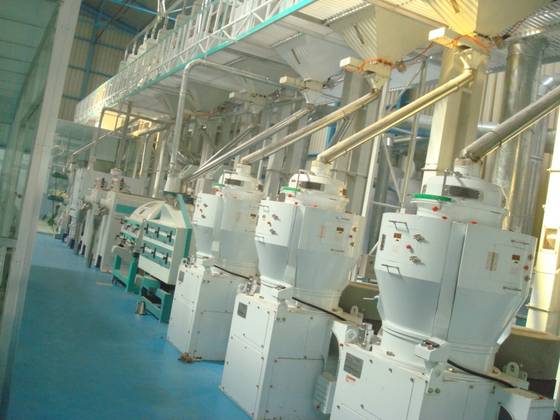
Key Highlights
- Importer with Industry Focus: Jabusa Auto Rice Mills Ltd. plays a role as an importer within the rice milling industry in Bangladesh.
- Industry Context: The company is part of a sector that is evolving towards enhanced mechanization and technological improvement.
- Information Sources and Limitations: Available data is limited; further details may be obtained via official channels and local business directories.
Company Profile and Operational Overview
Jabusa Auto Rice Mills Ltd. is recognized primarily as an importer based in Bangladesh. As a key player in the dynamic rice milling industry, the company serves an essential role in facilitating the trade of rice and rice-related commodities. Although publicly available details on the company’s complete operational portfolio are somewhat limited, several points are noteworthy.
Role as an Importer
The designation as an importer indicates that Jabusa Auto Rice Mills Ltd. is actively involved in the acquisition and distribution of rice or rice products from international or regional sources. In an era where the global agricultural market is interconnected, the company’s contribution is vital for bridging domestic demand with external supply chains. Importers like Jabusa are instrumental in ensuring that the local market in Bangladesh is supplied with quality products, especially in times when domestic production may need supplementation.
Market Dynamics and Trends
The rice milling industry in Bangladesh is characterized by significant technological advancements and a shift towards mechanized systems. The focus on automation and improved processing techniques has been emerging over the years. These changes not only enhance efficiency but also aim to meet both domestic consumption and international market demands. While Jabusa Auto Rice Mills Ltd. is noted for its role in import activities, it operates within the larger context where many rice milling companies are incorporating technological innovations to improve product quality and operational output.
The broader market environment for rice milling in Bangladesh also encompasses several operational challenges and opportunities. These include issues like ensuring product consistency, addressing environmental concerns related to dust exposure and noise, and balancing the cost implications of upgrading processing systems. In such an environment, the role of importers is crucial. They help mitigate supply shortages by acquiring rice and rice products that meet the quality standards expected by consumers, both domestically and internationally.
Operational Scope and Limitations
Despite the intermittent availability of detailed company-specific data, current evidence points to Jabusa Auto Rice Mills Ltd.’s limited public profile compared to other well-documented entities in the industry. Publicly available profiles predominantly classify the company as an importer rather than a manufacturer or major milling operator. In other words, while there are many rice milling units in Bangladesh that not only import but also process and blend rice, Jabusa’s primary business has been highlighted in the context of import activities.
Integration into the Local Economy
Within the national economic framework, firms like Jabusa Auto Rice Mills Ltd. contribute by ensuring a steady inflow of rice products, which in turn supports food security and consumer demand. Their activities help facilitate the import-export dynamics that are essential to sustaining a diverse and competitive market. As part of this wider ecosystem, each stakeholder must adapt to both local regulatory conditions and the broader forces of globalization.
There is an inherent synergy within the rice milling supply chain – importers collaborate with both producers and distributors, ultimately benefiting consumers with a consistent supply of rice products. In this scenario, Jabusa’s operations, while eligible for more detailed public disclosure, underscore an important link in the supply chain. The company likely collaborates closely with regional agricultural producers, shipping companies, and trade partners to ensure that the rice they import meets both quality and quantity standards.
Technological Advancements and Quality Control
Automation and Enhanced Processing Systems
Automation has emerged as a transformative trend in the rice milling industry in Bangladesh. While intersections with production facilities are often highlighted in larger, more technologically advanced rice mills, importers like Jabusa Auto Rice Mills Ltd. indirectly benefit from these innovations through improved product quality and reduced wastage levels.
Mechanization in the Industry
The mechanization of rice mills not only increases processing speeds but also improves the quality of the final product. In a modernized supply chain, importers rely on these improvements to deliver products that have undergone minimal loss of nutritional value and maximum consistency in size and quality. While Jabusa Auto Rice Mills Ltd. does not directly engage in mechanization processes themselves, they depend on their suppliers who benefit from such advancements.
This scenario reflects the importance of maintaining quality control protocols throughout the supply chain. The modern rice milling industry takes several measures to ensure that rice imported into Bangladesh is safe, clean, and of high quality. Quality checks at both the point of origin and upon entry into the country are common practices typically enforced through collaborative oversight. Such practices often include routine audits, product testing, and compliance verification with international standards.
Quality Assurance and Environmental Considerations
Import operations, including those managed by companies like Jabusa, often face a dual emphasis on quality assurance and environmental considerations. The modern rice processing industry is not only focused on product output but also on improving operational sustainability. Efforts to reduce environmental impacts such as dust and noise—challenges commonly faced in traditional rice milling setups—are integral to the current technological shift.
Quality Assurance Practices
Effective quality assurance in the rice milling supply chain ensures that importers receive products that are hygienic, free from contaminants, and consistent in appearance and taste. Such measures include rigorous inspection of packaging, moisture content testing, and ensuring that the rice retains its expected nutritional value. Whether sourced from local or international suppliers, these quality measures become an essential element of the rice importation process.
Many importers establish protocols that involve multi-tiered checks, including verification by independent quality control bodies. For a company like Jabusa Auto Rice Mills Ltd., adherence to these quality standards helps in building consumer trust and fulfilling their commitments to both local markets and international clients. While the specifics of Jabusa’s quality control practices are not extensively documented, it is evident that such practices are standard within the sector.
Industry Context and Competitive Landscape
Overview of Bangladesh Rice Milling Sector
Bangladesh’s rice milling industry is highly competitive and characterized by rapid technological adoption. The sector comprises a diverse group of players including traditional operators, semi-automatic mills, and modern automatic milling companies. Amid this diversity, importers such as Jabusa Auto Rice Mills Ltd. play a significant role in ensuring that the demand for rice products is met, especially during periods of fluctuating local production.
Positioning Among Competitors
Although Jabusa Auto Rice Mills Ltd. is primarily known as an importer, the company functions within a larger ecosystem that includes both milling and export operations. Unlike some of the leading rice milling units that favor local production and blending operations, Jabusa’s distinct role as an importer allows it to maintain a niche market position. Its business model focuses on sourcing and distributing high-quality rice, rather than engaging in the processing that requires heavy machinery and in-house production logistics.
This specialized focus places Jabusa in a strategic position, especially when leveraging relationships with advanced rice processing facilities. Such collaboration ensures that when required, they can secure rice supplies that have been processed using state-of-the-art technologies, further enhancing the quality and reliability of their imports.
Table: Comparison of Importer and Milling Operations in Bangladesh
| Aspect | Importer (Example: Jabusa Auto Rice Mills Ltd.) | Milling Operation (Automatic/Semi-Automatic Mills) |
|---|---|---|
| Primary Function | Acquisition and distribution of rice products | Processing, blending, and polishing of rice |
| Technological Integration | Relies on supplier quality assurance practices | Employs mechanized systems and automation |
| Market Role | Bridges international and local demand | Produces value-added rice products |
| Operational Challenges | Limited public data; reliance on trade directories | High capital investment; environmental concerns |
| Local Economic Impact | Facilitates steady supply chain flow | Contributes to in-country production and employment |
In this comparative analysis, it becomes evident that while milling operations take the forefront with advanced production techniques, companies like Jabusa Auto Rice Mills Ltd. are indispensable for ensuring that the supply chain remains robust and responsive. Their role is symbiotic: while they depend on processed and quality-controlled rice from milling operations, they also help drive demand within the local market.
Availability of Further Information and Research Directions
Publicly Available Information
The extent of detailed public information on Jabusa Auto Rice Mills Ltd. is relatively modest. Multiple sources have identified the company as an importer based in Bangladesh. While it may not be featured among the list of prominent milling companies known for high-capacity processing or blending services, its role is nonetheless vital to the rice supply chain.
Sources and Direct Inquiries
For a comprehensive understanding of Jabusa Auto Rice Mills Ltd.’s operational specifics, including production capacity, trade volumes, and corporate strategy, it is advisable for interested parties to directly contact the company. Additionally, consulting local business registries, chambers of commerce, or trade directories often yields more granular insights. The following corporate directories and trade databases have provided more detailed information regarding similar companies in the industry:
Notably, directories such as Volza, 52wmb, and other specialized import-export platforms regularly update company profiles and contact information. Engaging directly with these platforms or visiting trade events could also provide further clarity about the company’s current market positioning.
Recommendations for Future Research
While the foundational information establishes the essential role and market context of Jabusa Auto Rice Mills Ltd., further research could delve into several areas:
Research Focus Areas
- Detailed operational data including annual trade volumes and product specifications.
- Partnership and supplier networks regarding the quality control processes in the rice milling value chain.
- Comparative industry analysis to evaluate how importers influence the efficiency and quality metrics in the overall market.
- Impact of technological advancements on import efficiencies, particularly regarding the relationship between importers and modern milling operations.
- The role of governmental and international quality standards in shaping trading practices.
Exploring these topics with up-to-date market data and direct interviews with stakeholders involved in Bangladesh’s rice trade could further enhance the understanding of the industry and Jabusa Auto Rice Mills Ltd.’s role within it.
Broader Implications for the Rice Milling Industry in Bangladesh
Economic and Social Impact
The rice milling industry in Bangladesh is not only a critical economic driver but also a significant component of social stability. Consistent rice supply is directly linked to food security, a vital public concern in the region. Importers ensure that should local production dip or quality challenges arise, there is always an alternative channel through which high-quality rice can be sourced. Jabusa Auto Rice Mills Ltd., by functioning as a reliable importer, helps smooth out supply disruptions that can otherwise have adverse effects on prices and availability.
Contribution to Local Stakeholders
Beyond the corporate perspective, the activities of importers have far-reaching implications. They contribute to stabilizing market prices, enhancing consumer confidence, and fostering international trade relationships. These activities, in turn, create a ripple effect that helps local farmers, milling employees, and entire communities involved in the rice value chain. By effectively managing import channels, companies like Jabusa support not only economic growth but also the socio-economic welfare of Bangladesh’s populous.
Furthermore, as the sector continues to modernize, importers are increasingly part of a collaborative network that includes technology providers, quality regulators, and financial institutions. This integrated approach is critical for sustaining competitiveness, meeting export demands, and ensuring that local markets are not adversely affected by fluctuations in global commodity prices.
Expanded Discussion on Technological Integration and Future Outlook
Automation and the Future of Rice Importing
Although Jabusa Auto Rice Mills Ltd. may not directly manage the machinery used in the rice milling process, its role as an importer is closely tied to the broader technological advancements in the industry. With the increasing adoption of automation in rice processing, importers benefit indirectly from improved quality, reduced wastage, and enhanced product consistency. Automated mills are able to process rice more efficiently, which leads to a more predictable and uniform product being available for import.
Emerging Trends in Data and Supply Chain Management
In today’s digital age, supply chain transparency and data analytics are becoming indispensable aspects of the rice trade. Importers are starting to leverage technology to track product quality, manage logistics more efficiently, and monitor market trends in real time. Advancements in information technology, when integrated with traditional trading practices, ensure higher efficiency, reduced operational delays, and minimized risks associated with quality degradation.
For companies operating in this realm, access to precise data helps in forecasting demand, optimizing inventory, and negotiating better terms with suppliers. Although specific information about Jabusa’s adoption of such technologies is not extensively documented, it is anticipated that forward-thinking importers in Bangladesh will increasingly rely on these tools to stay competitive. This integration of technology and traditional import practices not only enhances operational performance but also contributes to the overall modernization of the rice trade sector.
References
- Jabusa Auto Rice Mills Ltd. Buyers, Suppliers, Full Export Import Details - Volza
- Jabusa Auto Rice Mills Ltd. Import Data And Contact - Great Export Import
- OpenCorporates - Company Details
- Address Mart - Auto Rice Mills Business Listings
- BD Trade Info - Auto Rice Mills Listings
Recommended
Last updated March 6, 2025