
Unlock Your Kitchen's Potential: Mastering Storage Without Upper Cabinets
Discover ingenious strategies to create a spacious, organized, and highly functional kitchen, even without traditional upper storage.
Embracing a kitchen design without upper cabinets can lead to a wonderfully open, airy, and light-filled space. This minimalist approach is increasingly popular for its aesthetic appeal, promoting a less cluttered and more streamlined environment. However, the absence of traditional wall-mounted storage necessitates smart, creative, and efficient solutions to keep your kitchen functional and organized. This guide explores a multitude of strategies to maximize every inch of your kitchen, ensuring that you have ample space for all your essentials, from cookware and dishes to pantry staples and small appliances. As of today, Thursday, 2025-05-22, these methods represent the best practices in kitchen organization.
Key Storage Highlights
- Maximize Lower Cabinetry: Transform your base cabinets and drawers into powerhouses of storage with pull-outs, deep drawers, and clever organizers.
- Embrace Vertical Space: Utilize your walls effectively with open shelving, racks, pegboards, and magnetic strips to keep essentials accessible and off countertops.
- Incorporate Versatile Furniture: Kitchen islands, freestanding pantries, and mobile carts can add significant storage capacity and adapt to your needs.
Optimizing Lower Cabinet and Drawer Potential
Your base cabinets and drawers become the primary workhorses in a kitchen lacking upper storage. Making them as efficient as possible is paramount. Thoughtful internal organization can dramatically increase their capacity and accessibility.
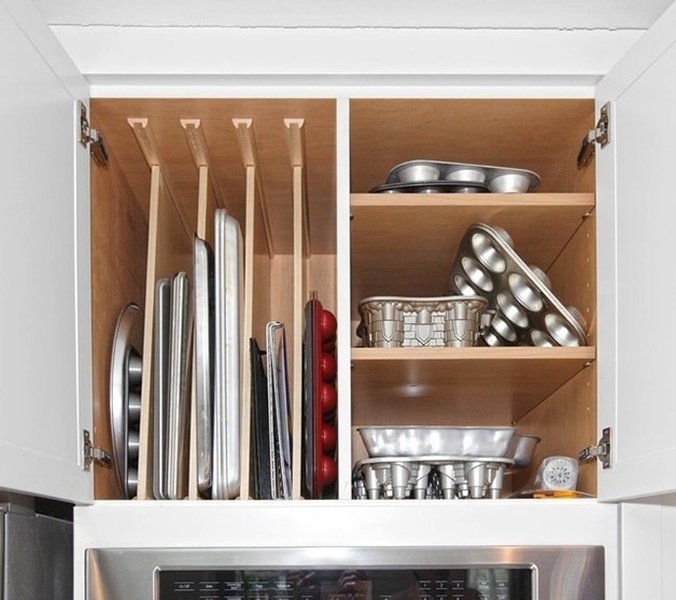
Deep drawers with custom organizers maximize space and keep items easily accessible.
Deep Drawers and Pull-Out Solutions
Replacing standard base cabinets with deep, full-extension drawers is a game-changer. These allow you to store items like pots, pans, mixing bowls, and even stacks of dinnerware or glassware without items getting lost in the back. Pull-out shelves or pantry units within base cabinets achieve a similar effect, bringing contents to you.
Benefits of Deep Drawers:
- Enhanced Accessibility: No more kneeling and reaching into dark cabinet depths. Everything is visible and within easy reach.
- Versatile Storage: Ideal for heavy items like Dutch ovens, small appliances, or stacks of plates and bowls. Many people find storing everyday glasses and kid cups in deep drawers near the dishwasher incredibly convenient.
- Efficient Use of Space: Maximizes the vertical space within the cabinet footprint.
Internal Organizers: Dividers, Tiered Racks, and Custom Inserts
The inside of your drawers and cabinets offers a wealth of organizational opportunities. Utilize these tools to conquer clutter and make items easy to find:
- Drawer Dividers: Essential for cutlery, utensils, and small gadgets. Adjustable dividers allow for customization. Thin acrylic inserts can save more space than bulky bamboo ones in narrow drawers.
- Tiered Organizers: These are perfect for spice jars, canned goods, or even stacking plates and bowls within a drawer or cabinet, allowing you to see everything at a glance.
- Custom Inserts: Consider inserts for knife blocks, spice racks, lid organizers, or vertical storage for baking sheets and cutting boards.
- Pull-Out Baskets: Wire or plastic baskets on sliders can corral items like cleaning supplies under the sink or root vegetables in a cool cabinet.
Conquering Corners: Lazy Susans and Carousels
Corner cabinets are notoriously tricky. A Lazy Susan (rotating shelf) or a more advanced pull-out carousel system can make these awkward spaces fully usable, bringing items from the back of the cabinet to the front with a simple spin or pull.
Embracing Vertical Space: Wall-Mounted Marvels
Without upper cabinets, your walls become prime real estate for storage. Various solutions can add functionality and style, keeping frequently used items accessible and freeing up valuable counter space.
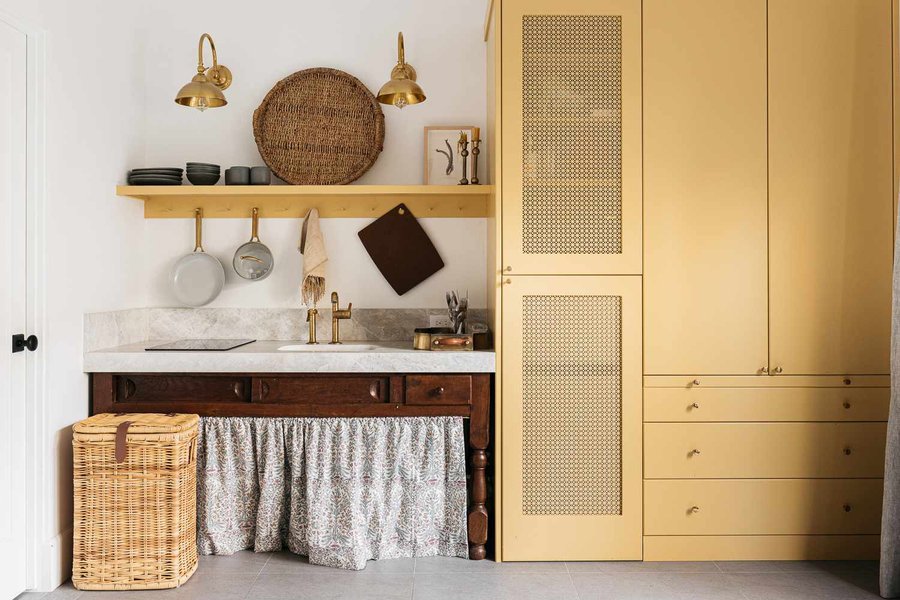
Well-organized lower cabinets and open shelving can transform a kitchen without upper units.
Open Shelving: Style and Substance
Open or floating shelves are a popular and aesthetically pleasing alternative. They can run across walls, even over windows, to maintain an open feel while providing practical storage for dishes, glassware, cookbooks, spices, or decorative items. Keep in mind that items on open shelves may require more frequent dusting.
Tips for Effective Open Shelving:
- Curate Carefully: Display your most attractive and frequently used items.
- Maintain Order: Use consistent containers for items like flour or sugar, and arrange items neatly.
- Consider Weight: Ensure shelves are securely mounted and appropriate for the weight of items they will hold.
Hooks, Racks, and Rails
Wall-mounted systems offer versatile storage for a variety of kitchen items:
- Pot Racks: Free up significant cabinet space by hanging pots, pans, and lids. These can be mounted on the wall or even from the ceiling if space allows.
- Utensil Rails: Install a rail with S-hooks to hang frequently used cooking utensils like spatulas, ladles, and whisks.
- Mug Hooks: Display your mug collection and keep them within easy reach by installing hooks under shelves or directly on the wall.
Pegboards: Customizable Control
A pegboard offers ultimate flexibility. With an array of hooks, baskets, and small shelves, you can customize it to hold anything from utensils and small pans to spice jars and measuring cups. It's a great way to keep tools visible and organized.
Magnetic Strips: Sleek and Functional
Magnetic knife strips are a classic space-saver, keeping knives safely stored and readily accessible. Similar magnetic strips can also hold spice tins or other metallic utensils, freeing up drawer and counter space.
Comparative Analysis of Storage Solutions
To better understand the strengths of various storage solutions in a kitchen without upper cabinets, the radar chart below compares key options based on five criteria: Storage Capacity, Accessibility, Aesthetics, Cost-Effectiveness, and DIY Friendliness. Each criterion is rated on a scale where a higher score indicates a more favorable outcome. This visualization can help you prioritize which solutions might best fit your specific needs and preferences.
Beyond the Walls: Freestanding and Integrated Solutions
When wall space is at a premium or you desire a more open look, freestanding furniture and cleverly integrated pieces can provide substantial storage.
The Versatile Kitchen Island
A kitchen island can be a storage powerhouse. Opt for an island with deep drawers, cabinets, open shelving, or even specialized inserts like wine racks or spice drawers. Islands also provide valuable additional counter space for food preparation or casual dining. Mobile islands on casters offer flexibility, allowing you to reconfigure your space as needed.
Dedicated Pantry Units
If your kitchen lacks a built-in pantry, consider adding a freestanding pantry cabinet or a tall shelving unit. These can range from narrow pull-out pantries that fit into tight spaces to larger armoire-style cabinets. Glass doors can make items easier to see while protecting them from dust. Even a repurposed bookshelf, like an IKEA Billy with glass doors, can serve as an effective pantry for dishes, food items, and cookbooks.
Multi-functional Furniture
- Hutches and China Cabinets: Vintage or modern hutches and china cabinets can offer elegant storage for glassware, serving pieces, and linens.
- Benches with Storage: If you have a breakfast nook or banquette seating, incorporate drawers or lift-top storage beneath the benches for less frequently used items.
- Armoires: A well-chosen armoire can seamlessly integrate into a kitchen space, providing substantial storage for anything from small appliances to pantry goods.
This video provides practical tips for organizing a small kitchen with limited cabinet space, which is highly relevant for those without upper cabinets.
Unlocking Hidden Storage Nooks
Don't overlook unconventional spaces that can be transformed into valuable storage areas.
Under-Sink Organization
The area beneath the kitchen sink, often a jumble of cleaning supplies, can be optimized with pull-out organizers, stackable bins (clearly labeled), or a tension rod for hanging spray bottles. This keeps essentials tidy and accessible.
Inside Cabinet Doors
The back of cabinet doors is prime real estate. Attach racks for spices, pot lids, cutting boards, or cleaning supplies. Slim wire shelves or hooks can add a surprising amount of storage.
Backsplash and Above-Counter Areas
Utilize the backsplash area by installing narrow shelves for spices or small items. Rails with hooks can also be attached here. Recessed shelving or wall niches can create compact display and storage spots for items like glassware.
Side of Cabinets or Islands
The unused side of a base cabinet or kitchen island can be fitted with shallow shelves for cookbooks, spices, or small decorative items, making use of otherwise dead space.
Strategic Storage Solutions Summary
The following table summarizes key storage solutions for kitchens without upper cabinets, highlighting their descriptions, advantages, disadvantages, and ideal applications. This can help in planning a tailored approach to your kitchen organization.
| Storage Solution | Description | Pros | Cons | Best For |
|---|---|---|---|---|
| Deep Base Drawers | Large, extendable drawers in lower cabinets. | High capacity, easy access to all items, good for heavy cookware and stacks of dishes. | Can be more expensive to install/retrofit; requires quality hardware. | Pots, pans, dishes, small appliances, everyday glassware. |
| Open Wall Shelving | Wall-mounted shelves without doors. | Visually light, items easily accessible, opportunity for display, cost-effective. | Items can gather dust, requires regular tidying to avoid clutter. | Frequently used dishes, glassware, cookbooks, spices, decorative items. |
| Wall-Mounted Pegboards | Perforated boards with hooks and accessories for hanging items. | Highly customizable, flexible organization, good for various tools and utensils. | Can have a utilitarian look if not styled; requires planning for layout. | Utensils, small pots/pans, tools, measuring cups, mugs. |
| Kitchen Island with Storage | Freestanding unit with counter space and storage (cabinets, drawers, shelves) underneath. | Adds significant workspace and storage, can be a social hub. | Requires adequate floor space, can be a significant investment. | Larger kitchens needing extra prep area, storage for appliances, cookware, or dining essentials. |
| Freestanding Pantry Cabinet | Tall, standalone cabinet with shelves or drawers for food and kitchen supplies. | Adds substantial dedicated pantry space, various styles available. | Requires floor space, can be bulky if not chosen carefully for the room size. | Storing dry goods, canned foods, small appliances, overflow kitchen items. |
| Rolling Carts | Mobile carts with shelves or drawers. | Flexible, can be moved where needed, affordable, adds extra surface/storage. | Smaller capacity, may look temporary if not well-integrated. | Small kitchens, storing barware, serving, holding frequently used spices or oils. |
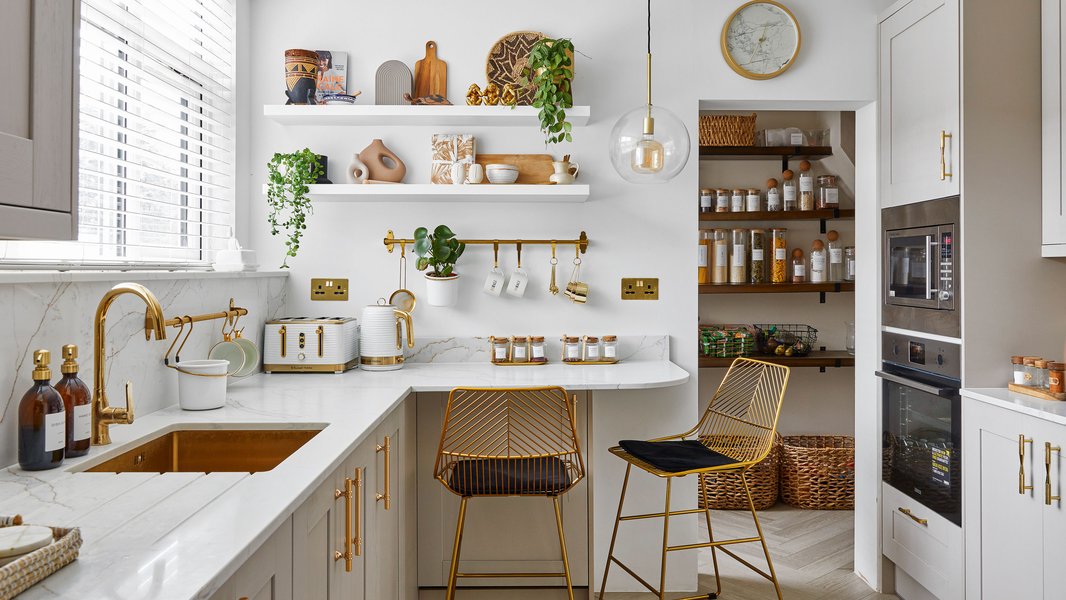
Strategic use of wall space with shelving and racks in a compact kitchen.
The Power of Decluttering and Smart Organization
No amount of clever storage solutions will work effectively in a cluttered kitchen. Before implementing new systems, take the time to declutter and organize.
Inventory and Purge:
Go through everything in your kitchen. Be honest about what you use regularly. Donate, sell, or discard items that are broken, redundant, or rarely used. Keeping only essentials will make organizing much easier.
Zoning for Efficiency:
Organize your kitchen into functional zones. For example, keep pots, pans, and cooking utensils near the stove. Store dishes and cutlery near the dishwasher or dining area. Group baking supplies together. This streamlines workflow and makes items easier to find.
Stackable and Space-Saving Containers:
Use clear, stackable containers for dry goods in your pantry areas (whether drawers or freestanding units). This maximizes vertical space, keeps food fresh, and allows you to see contents at a glance. Nesting mixing bowls and food storage containers also save considerable space.
Visualizing Your Storage Strategy: A Mindmap
To bring these ideas together, the mindmap below illustrates the core strategies for maximizing storage in a kitchen without upper cabinets. It shows how different approaches interconnect to create a comprehensive storage system, focusing on optimizing lower storage, utilizing vertical options, incorporating freestanding elements, discovering hidden nooks, and employing smart organizational principles.
(No Upper Cabinets)"] id1["Optimize Lower Storage"] id1a["Deep Drawers & Pull-Outs"] id1b["Internal Organizers
(Dividers, Tiered Racks)"] id1c["Corner Solutions
(Lazy Susan, Carousels)"] id2["Embrace Vertical Space"] id2a["Open & Floating Shelves"] id2b["Hooks, Racks & Rails
(Pots, Utensils, Mugs)"] id2c["Pegboards"] id2d["Magnetic Strips
(Knives, Spices)"] id3["Freestanding & Integrated Solutions"] id3a["Kitchen Islands
(with Drawers/Cabinets)"] id3b["Dedicated Pantry Units
(Freestanding, Pull-out)"] id3c["Multi-functional Furniture
(Hutches, Benches with Storage)"] id4["Unlock Hidden Nooks"] id4a["Under-Sink Organization"] id4b["Inside Cabinet Doors"] id4c["Backsplash & Above-Counter Areas"] id4d["Side of Cabinets/Islands"] id5["Smart Organization Principles"] id5a["Declutter Regularly & Purge"] id5b["Zone Your Kitchen for Workflow"] id5c["Use Stackable &
Space-Saving Containers"] id5d["Appliance Garages"]
Frequently Asked Questions (FAQ)
What is the best way to store everyday glasses and dishes without upper cabinets?
How can I prevent open shelves from looking cluttered and messy?
Are there effective storage solutions for very small kitchens that lack upper cabinets?
Can I still have a pantry if I don't have upper cabinets or a dedicated pantry room?
Conclusion
Living without upper cabinets doesn't mean sacrificing storage or functionality. In fact, it can lead to a more thoughtfully organized, accessible, and visually appealing kitchen. By strategically optimizing lower cabinetry, embracing vertical wall space, incorporating versatile freestanding pieces, and consistently practicing smart organizational habits, you can create a kitchen that is both beautiful and incredibly efficient. The key is to assess your specific needs and space, and then creatively implement the solutions that work best for your lifestyle.
Recommended Further Exploration
- What are the best types of drawer organizers for kitchen utensils and cookware?
- How can I design a kitchen island to maximize its storage capacity?
- Are there any DIY projects for creating vertical storage in a small kitchen?
- What are some minimalist kitchen design principles for maintaining an uncluttered space?