
How Labyrinths Shape Modern Urban Design
Exploring the multifaceted role of labyrinth-inspired elements in today's cities
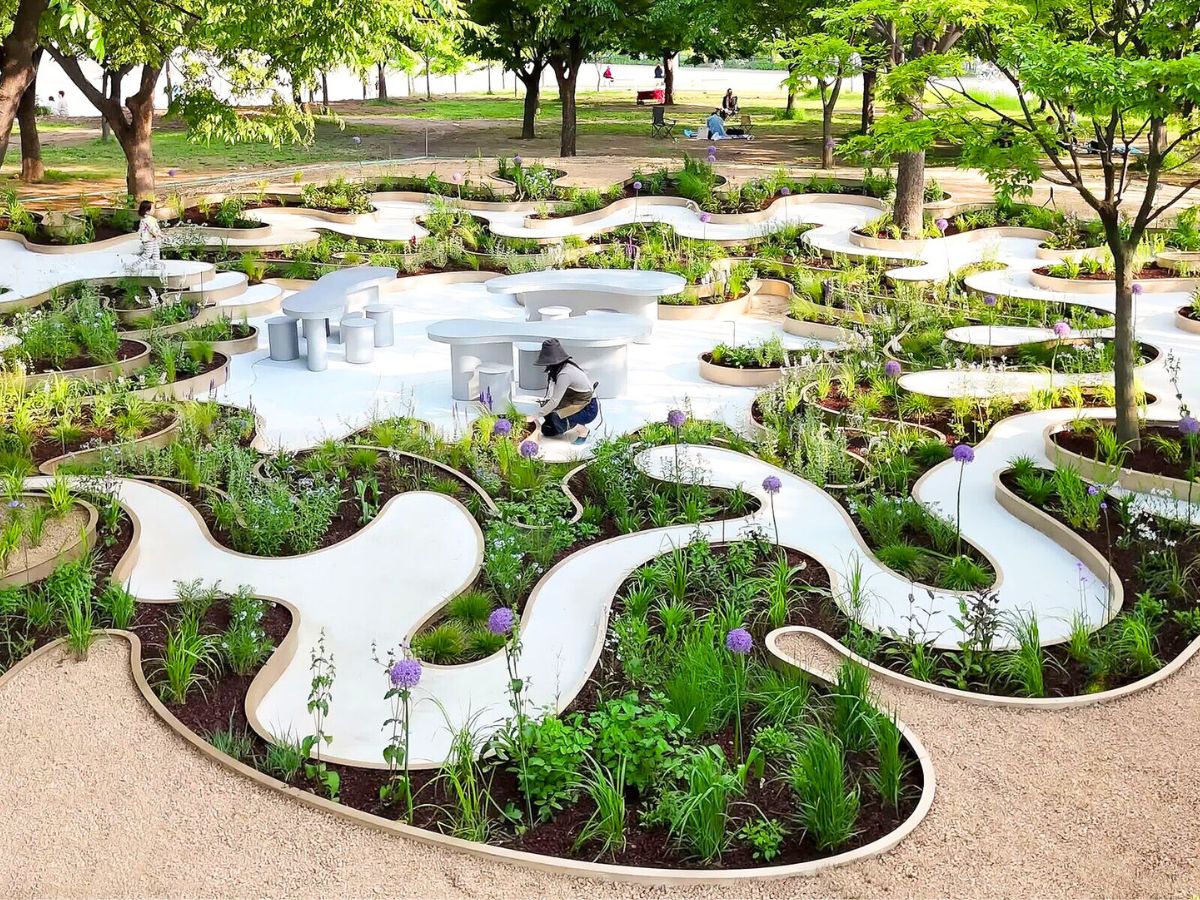
Key Insights
- Psychological and Social Well-being: Labyrinths promote stress reduction, mindfulness, and community cohesion through their intricate yet inviting layouts.
- Innovative Urban Navigation: Their winding and exploratory nature enhances walkability, fosters discovery, and improves wayfinding in urban environments.
- Sustainable and Mixed-Use Development: Labyrinth-inspired designs integrate green spaces and adapt to mixed functionalities, contributing to resilient, sustainable neighborhoods.
Introduction to Labyrinth-inspired Urban Design
Labyrinths, with their historical depths and symbolic significance, extend their influence far beyond ancient myths. In modern urban planning, labyrinth designs provide more than aesthetic appeal; they offer practical solutions to everyday urban challenges. By integrating structured, meandering pathways, labyrinths inspire innovative approaches to enhancing pedestrian experiences, mitigating urban stress, and promoting community connections. This discussion synthesizes ideas from diverse perspectives, exploring how labyrinths balance the complexity of urban environments with the simplicity of human-centric design.
Psychological and Sociocultural Impact
Stress Reduction and Mental Rejuvenation
The inclusion of labyrinth-like pathways in urban design is often linked to improved mental well-being. Urban environments can be overwhelmingly complex, leading to stress and anxiety. Labyrinths, with their gentle curves and contemplative paths, serve as a form of physical meditation that helps residents manage the psychological demands of city life. By integrating these designs in parks and pedestrian zones, cities create sanctuaries where individuals can slow down and reflect, reducing stress levels and fostering mind-body balance.
Mindfulness and Therapeutic Spaces
Many urban planners are inspired by the meditative qualities of timeless labyrinths. The practice of walking a labyrinth path can instill a sense of mindfulness. Contemporary examples include public labyrinth installations in city parks where traditional single-path designs allow people to immerse themselves in reflective thought. This intentional planning not only enhances individual mental health but also contributes to a broader social atmosphere of calm and unity.
Community Engagement and Social Interaction
Beyond mental health, labyrinth designs promote community interaction. Streets and pathways that mimic labyrinthine structures offer subtle invitations for exploration. This design encourages spontaneous social encounters. As pedestrians meander through intricately planned walks, they tend to meet neighbours, participate in street events, or simply appreciate community art. Such spaces serve as focal points for social gatherings, reinforcing the community fabric and fostering a sense of belonging.
Innovative Urban Navigation and Spatial Experience
Enhanced Walkability and Orientation
Urban labyrinths improve navigation by leveraging the natural human affinity for exploration. Modern designs adopt winding pathways rather than rigid grid patterns. This approach is not merely an aesthetic choice but a strategic decision to enhance walkability. Walkable cities are known to reduce vehicular traffic, lower carbon emissions, and promote healthier lifestyles. The interplay of curves, turns, and focal points in labyrinth designs aids orientation, encouraging pedestrians to discover new routes and hidden pockets within urban landscapes.
Wayfinding Systems and Technology
Alongside physical design elements, modern urban planning integrates digital wayfinding systems. Interactive maps and signage tools complement labyrinth layouts by ensuring that while urban paths encourage exploration, they do not overwhelm the user. In this hybrid model, technology assists in navigation without compromising the organic and exploratory nature of labyrinth designs. This balance between natural navigation and technological guidance reflects a forward-thinking approach to urban development.
Symbolism and Urban Complexity
The labyrinth, as a symbol, encapsulates the paradox of urban life—complex yet navigable, chaotic yet ordered. Conceptually, cities are often described as labyrinths where one’s journey is marked by discovery and uncertainty. Architects and urban theorists have used this metaphor to design spaces that mirror life’s intricate journey. Labyrinths encourage a deep engagement with one’s surroundings, provoking reflection on modernity and individual identity within large urban systems.
Cultural and Artistic Expression
Beyond their functional attributes, labyrinths also act as canvases for cultural and artistic expression. Public art installations inspired by labyrinth designs add layers of meaning to urban environments. From murals that depict swirling patterns to steel installations that mimic labyrinth paths, these artistic elements help express the cultural ethos of a community. By embedding artistic labyrinths into the city's fabric, urban designers pay homage to historical traditions while promoting contemporary cultural narratives.
Sustainable Urban Planning and Mixed-Use Development
Integration of Green Spaces and Natural Elements
Modern urban design increasingly prioritizes sustainability. Labyrinths naturally lend themselves to creating green spaces within cities. Their design inherently incorporates elements such as gardens and water features, which build pockets of nature in urban settings. These green spaces mitigate the urban heat island effect, enhance biodiversity, and provide residents with serene environments away from the bustling cityscape.
Eco-friendly Infrastructure
Incorporating eco-friendly modules into labyrinth design is a growing trend. Urban planners use the meandering layout of labyrinths to advantage by designing rain gardens, green roofs, and natural water retention systems. These features collectively contribute to sustainable urban infrastructure, promoting energy efficiency and environmental resilience. By integrating natural elements into labyrinth-like paths, cities not only become more livable but also set benchmarks for sustainable future development.
Mixing Multifunctional Spaces within a Labyrinth Framework
A distinguishing feature of labyrinth-based urban design is its capability to merge different functions seamlessly. From commercial districts to recreational and residential zones, labyrinth patterns allow for a fluid transition between varied urban functions. Mixed-use developments, inspired by labyrinth principles, encourage a dynamic community where work, leisure, and living spaces coexist harmoniously.
Examples in Practice
Several global cities have successfully integrated labyrinth-inspired elements into their urban core. For instance, pedestrian-friendly streets like Barcelona’s La Rambla provide an environment that encourages exploration while hosting commercial activity and cultural interactions. Similarly, projects such as New York City’s High Line and Singapore’s Gardens by the Bay encapsulate the labyrinth’s essence by blending green spaces, public art, and recreational avenues within a cohesive design strategy.
Architectural Innovations in Urban Labyrinths
Use of Modern Materials and Light
Contemporary architects have taken labyrinth concepts further, infusing modern materials such as glass, steel, and acrylic into their designs. These installations often incorporate elements of light and shadow to create an immersive spatial experience that is both modern and reflective. Artistic labyrinths erected in urban settings use these materials to transform everyday journeying into sensory adventures, challenging perceptions and evoking emotional responses.
Interactive and Experiential Spaces
Experimental designs sometimes incorporate interactive aspects that encourage direct engagement with the labyrinth. Walkways that change configuration, digital installations that respond to movement, and sculptural elements installed on pathways provide users with a multi-sensory experience. This intersection of art, technology, and physical space is reshaping our understanding of urban environments, where functionality meets expressive architectural art.
Historical and Mythological Influences
The historical context of labyrinths contributes a rich layer of symbolism to modern urban design. Emerging from ancient mythology and spiritual traditions, labyrinths evoke a deep sense of history and intrigue. Modern architects draw upon these narratives, reinterpreting age-old symbols in fresh, innovative ways that mirror today's complex urban realities. This cultural integration provides the urban landscape with narrative depth, constantly reminding inhabitants of the journey from ancient mysticism to contemporary modernity.
Comparative Overview: Labyrinth vs. Urban Grid
To better understand the significance of labyrinths in modern urban design, it is helpful to compare them with the traditional urban grid. While grids excel in efficiency and order, labyrinths introduce unpredictability and organic flow to city planning. The following table illustrates some key differences:
| Aspect | Urban Labyrinth | Urban Grid |
|---|---|---|
| Layout | Meandering, non-linear, organic flow | Linear, systematic, rational layout |
| Navigation | Encourages exploration and discovery | Efficient, predictable movement pathways |
| Aesthetic Appeal | Rich in cultural symbolism and artistic expression | Functional and utilitarian design |
| Sustainability | Integrates diverse green spaces and adaptable design | Often prioritizes high density with less natural integration |
| Community Impact | Fosters organic social interaction and community ties | May support structured community layouts |
This comparative analysis emphasizes how labyrinths and grids each offer distinct advantages. Urban labyrinths, with their fluid and explorative characteristics, bring diverse benefits that complement the efficiency of grid-based planning.
Technological Integration and Digital Hybridity
Digital Wayfinding and Interactive Installations
The intersection of labyrinth design with digital technology further expands its relevance to modern urban design. Cities are increasingly deploying digital tools like interactive maps, augmented reality, and smart signage to bridge the gap between organic labyrinthine pathways and efficient navigation. These technological integrations ensure that while urban spaces remain rich and intricate, they also provide clear and accessible paths to residents and visitors.
Hybrid Model of Urban Navigation
A hybrid model that blends the conceptual depth of labyrinths with the precision of digital navigation creates a resilient urban ecosystem. This model leverages technology to overcome the potential disorientation that might occur in highly complex layouts, ensuring that every explorative route is supported by accessible information and guidance. Ultimately, the marriage of artful design with modern technology enhances both the functionality and the experiential quality of urban spaces.
References
-
Effects of labyrinth-like path designs on mitigating stress response - ScienceDirect
- The City as Labyrinth - Street Walks In
- Designing Pedestrian-Friendly Urban Spaces - The Design Gesture
- 4 Base Labyrinth Designs - Austin Labyrinth Project
- Labyrinth as a Metaphor for Urban Alienation - Encyclopedia.com
Recommended Further Exploration
Last updated March 20, 2025