
Best Way to Learn
Discover proven strategies for successful learning
Key Insights
- Active Engagement: Engage deeply with material using diverse interactions.
- Spaced & Retrieval Practice: Spread out learning sessions and frequently test recall.
- Personalized Strategies: Tailor methods and environments to match your learning style.
Foundations of Effective Learning
Successful learning is not about a one-size-fits-all approach but a combination of evidence-based strategies that cater to individual needs. A deep understanding of these methods can empower learners to optimize how they absorb, retain, and apply new information. Integrating multiple techniques amplifies retention and sets the stage for long-term success across academic, professional, and personal development domains.
Active Engagement and Participation
The process of learning is most efficient when you actively engage with the material rather than passively reading or listening. Active engagement means involving techniques that compel your brain to process information more thoroughly. Some critical aspects include:
Interactive Methods
When you participate in the learning process by asking questions, discussing ideas with peers, or challenging yourself with problem-solving, you enhance your comprehension. Active engagement is not limited to classroom activities; it also manifests in self-reflective practices such as summarizing what you’ve learned and teaching the concepts to someone else. Teaching reinforces your grasp because you must break down complex ideas into simpler language.
Diverse Learning Modalities
Engaging multiple senses by combining visual, auditory, and kinesthetic methods can help create more robust memory networks. For example, if you’re learning a new language, you might blend listening exercises, visual associations like flashcards, conversation practice, and even writing exercises. This multi-faceted approach stimulates different parts of the brain, making recall more accessible.
Memory Reinforcement Techniques
Spaced Repetition and Distributed Learning
One of the most reliable methods to enhance long-term memory is to space out learning sessions—a technique known as spaced repetition. Instead of trying to absorb all information at once (cramming), distribute your study sessions over several days or weeks. This strategy takes advantage of the brain’s natural ability to consolidate information over time.
Why Spacing Works
Spacing out your study sessions helps to combat the forgetting curve; by reviewing material at optimized intervals, each review reinforces previous knowledge and makes subsequent reviews even more effective. This technique leverages the brain's need for reinforcement, making recall far more reliable when information is encountered repeatedly over time.
Retrieval Practice: Deliberate Recall
Retrieval practice revolves around the concept of calling information to mind without the aid of textbooks or notes. This deliberate act of recalling what you’ve learned has been shown to significantly improve retention. Rather than re-reading, quizzing yourself with flashcards, practice tests, or even simple self-questioning reinforces your understanding and reveals gaps in your knowledge.
Techniques for Retrieval Practice
Examples of retrieval practice include using flashcards, engaging with online quiz platforms, or having study groups where group members challenge each other on key concepts. By frequently testing your memory, you not only enhance recall but also identify areas where further revision is needed.
Tailoring Learning Strategies to Your Needs
Recognizing Your Learning Style
Learning is inherently personal and adaptable. People absorb new information best when it aligns with their preferred learning styles. Some learners thrive on visual aids like charts and diagrams, while others retain more from auditory input or hands-on practice. Understanding your learning style is crucial for structuring your study environment and techniques.
Tip for Visual Learners
Create mind maps, infographics, or use color-coded notes to visually organize data. Visual representations can significantly enhance understanding and memory by linking information to images.
Tip for Auditory Learners
Engage in discussions, listen to lectures or podcasts, and use mnemonic rhymes to help remember critical information. Auditory learners often benefit from verbal explanations and group discussions.
Tip for Kinesthetic Learners
Integrate practical applications, experiments, or hands-on projects into your learning routine. This style of learning turns abstract concepts into concrete experiences, making them easier to commit to long-term memory.
Tip for Reading/Writing Learners
Engage deeply through comprehensive note-taking, summarizing texts in your own words, and engaging in reflective writing exercises. This helps to organize your thoughts and deepen your comprehension of the material.
Environmental and Lifestyle Considerations
Creating an Optimal Learning Environment
Your physical and psychological environment plays a significant role in how efficiently you can learn. Designating a specific study area that is quiet and free of distractions allows you to focus more intently on your tasks. An environment with minimal disruptions enhances concentration and ensures consistent productivity.
Structured Study Sessions
Incorporate planning techniques such as the Pomodoro Technique, where study sessions are broken down into short, dedicated periods followed by brief breaks. This not only maintains a high level of focus but also keeps fatigue at bay.
The Impact of Sleep and Physical Health
Modern research consistently highlights the importance of sleep and physical well-being in the learning process. Adequate sleep allows the brain to consolidate learned information, linking new memories with prior knowledge. In addition, regular physical activity, a healthy diet, and stress management practices like meditation can contribute significantly to cognitive functions and overall learning capacity.
Brain Health and Cognitive Function
Engage in physical exercise to improve blood flow and oxygenation in the brain. This positive effect on brain health not only supports learning but also enhances problem-solving capabilities and mental resilience.
A Comprehensive Overview of Strategies
The strategies mentioned above can be integrated into a cohesive learning plan. Below is a table that summarizes key learning techniques alongside their benefits, providing a clear outline for anyone seeking to refine their study habits.
| Learning Strategy | Key Benefits | Practical Application |
|---|---|---|
| Active Engagement | Enhances understanding, boosts recall | Interactive discussions, teaching others, and hands-on practice |
| Spaced Repetition | Improves long-term retention, combats forgetting curve | Scheduling study sessions over days or weeks |
| Retrieval Practice | Strengthens memory, identifies knowledge gaps | Using quizzes, flashcards, and self-testing methods |
| Diverse Learning Modalities | Stimulates multiple cognitive pathways, caters to individual learning styles | Combining visual, auditory, kinesthetic, and reading/writing resources |
| Optimal Study Environment | Reduces distractions, enhances focus | Designated study areas and structured sessions (e.g., Pomodoro Technique) |
| Healthy Lifestyle | Supports cognitive function | Regular exercise, adequate sleep, and proper nutrition |
Implementing a Personalized Learning Strategy
Develop Your Structured Learning Plan
Not every strategy suits every individual, so it is essential to experiment and adapt based on your progress:
Assess Your Strengths and Weaknesses
Begin by identifying the learning modalities where you excel. Do you remember visuals better than spoken words? Are you more engaged when you practice or when you listen? Once you have a solid understanding of your preferred methods, incorporate strategies that mix these styles with complementary techniques. For instance, a visual learner might benefit from diagrammatic representations, while also engaging in active recall through flashcards.
Set Realistic Goals and Milestones
Breaking down your learning objectives into smaller, manageable tasks can prevent overwhelm. Set short-term goals for daily or weekly progress that lead up to larger objectives. Celebrate small successes, as each step builds motivation and reinforces continuous progress over time.
Adjust Based on Feedback
Frequently review both your performance and tactics. If a particular approach is not yielding desired results, reconsider and replace it with an alternative method. Feedback can come from self-assessment, formal tests, or peer discussions. The key principle here is to be flexible and adaptive in your approach, evolving your learning techniques as needed.
Leveraging Modern Tools and Resources
Today’s learners have access to a wide array of digital resources that can further enhance learning efficiency. Learn by using interactive online platforms, educational apps, and digital flashcards that support spaced repetition techniques. Integrating these tools into your study routine not only makes learning more accessible but also integrates technology to create a dynamic educational experience.
Online Platforms & Apps
Many innovative platforms are available that support various learning styles. They offer tailored quizzes, video tutorials, discussion forums, and even AI-driven personalized learning plans that adapt to individual progress. These resources are particularly valuable because they provide immediate feedback and allow for a flexible study schedule.
The Importance of Note-Taking and Organization
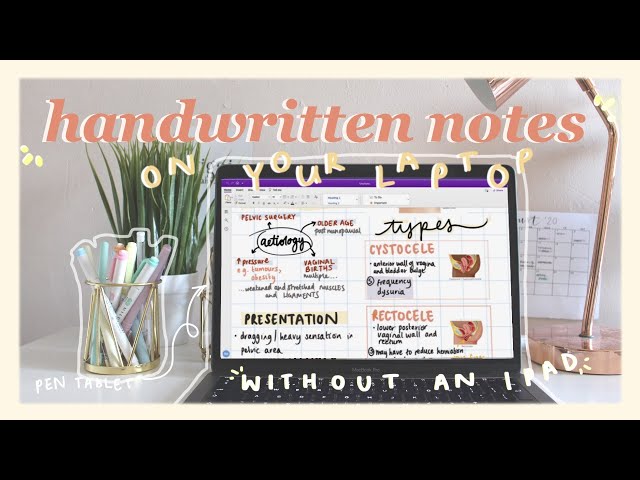
In tandem with digital tools, traditional methods like handwritten notes remain highly effective. Research suggests that writing by hand enforces cognitive engagement, as the physical act of writing helps encode information deeply. Organizing notes into summaries or mind maps further reinforces learning, making it easier to recall and apply concepts later on.
Integrating Healthy Lifestyle Habits for Brain Optimization
Nurturing the Brain Through Sleep and Exercise
Beyond the methods of studying, the foundation for effective learning is a well-maintained body and mind. Adequate quality sleep not only helps consolidate memories but also refreshes cognitive functions, allowing you to approach learning with a clear mind. A healthy diet, regular physical exercise, and stress–reducing practices such as mindfulness meditation or relaxation techniques are imperative to maintain a high level of mental alertness. By boosting overall brain health, these habits support the memory formation, retention, and effective retrieval of the information you are learning.
Diet and Cognitive Function
Nutrition plays a subtle yet powerful role in enhancing brain performance. Consuming a balanced diet rich in omega-3 fatty acids, antioxidants, and essential vitamins provides the nutrients needed for optimal brain function. Combining this with regular exercise can increase the production of brain-derived neurotrophic factors (BDNF), which are important for neural plasticity and memory.
Stress Management and Learning
Stress can impede learning by affecting cognitive processes such as memory and attention. Integrating activities that reduce stress—whether it’s a quick walk, mindfulness techniques, or brief relaxation periods—can make a noticeable difference in learning efficiency. The healthier your stress levels, the clearer your mind will be for processing and retaining new information.
Ongoing Reflection and Adaptation
Self-Assessment and Continuous Improvement
Learning is an evolving process. It requires regularly assessing the effectiveness of your strategies and being willing to adapt your approach. Reflect on what techniques have helped you most and seek out additional resources or methods when necessary. Feedback loops, both from personal reflection and from external sources such as mentors or peers, play an essential role in refining your method of study. This iterative process makes your learning journey adaptive, dynamic, and ultimately more successful.
Embracing Challenges as Opportunities
Every learning challenge encountered is an opportunity for growth. Embracing mistakes, analyzing them, and integrating corrective strategies fosters a deeper understanding of the material. Rather than viewing challenges as setbacks, see them as feedback—valuable insights that can guide you to improve your methods and further cultivate your critical thinking skills.
Further Exploration and Resources
This detailed exploration of learning strategies is just the beginning. The journey towards effective learning is personal and ongoing. By integrating active engagement, spaced repetition, personalized study strategies, and healthy lifestyle habits, you can create a tailored approach that not only strengthens retention but also makes learning an enjoyable and fulfilling endeavor.
Areas for Further Curiosity
- How to Enhance Active Learning Techniques
- Best Apps for Spaced Repetition and Retrieval Practice
- The Impact of Sleep and Diet on Brain Function
- Methods for Personalizing Learning Strategies
References
- What's the best way to learn anything? 16 Tips from science - Cognition Today
- How to Learn More Effectively: 10 Learning Techniques - Verywell Mind
- How to Learn Faster: 12 Quick & Efficient Study Tricks - wikiHow
- 20 Effective Ways You Can Learn How to Learn - Science of People
- Studying 101: Study Smarter Not Harder - UNC Learning Center
- How to Learn Quickly: 10 Proven Methods for Mastering Any Skill - SitePoint
-
Effective Learning Strategies - Edutopia
-
Effective Learning Strategies - Open Colleges
- Learning Strategies: How to Learn Faster and Better - Mind Tools
-
Research-Based Learning Strategies - ERIC Digest
Recommended Queries for Further Learning
Last updated March 1, 2025