
Magnesium’s Impact on Inflammatory Cytokines and Free Radical Damage
Exploring how magnesium modulates inflammation and protects against oxidative stress
Key Highlights
- Modulation of Cytokine Production: Magnesium regulates the release of pro-inflammatory cytokines like TNF-α, IL-1, and IL-6 by affecting intracellular calcium levels and inhibiting NF-κB activation.
- Antioxidant and Cellular Protection: It enhances antioxidant defenses, indirectly stabilizing enzymes such as superoxide dismutase to reduce free radical generation and oxidative cellular damage.
- Clinical and Preventive Benefits: Maintaining adequate magnesium levels can mitigate chronic low-grade inflammation, reducing the risk of diverse conditions including cardiovascular diseases, hypertension, and diabetes.
Introduction
Magnesium is an essential mineral that plays a fundamental role in numerous biological functions, including enzymatic reactions, protein synthesis, and energy production. However, its influence extends beyond these basic roles; magnesium is crucial in modulating the body's inflammatory responses and protecting tissues against oxidative damage caused by free radicals.
Inflammatory cytokines such as tumor necrosis factor-alpha (TNF-α), interleukin-1 (IL-1), and interleukin-6 (IL-6) are vital mediators of the immune response. While necessary for combating infections and initiating tissue repair, an excessive production of these cytokines can result in chronic inflammation and contribute to a range of pathological conditions. Simultaneously, free radicals—unstable molecules generated during metabolic processes—can cause cellular damage if their production overwhelms the body's antioxidant defenses.
This comprehensive analysis will explore the complex mechanisms by which magnesium influences pro-inflammatory cytokine production and counters free radical damage. We will also delve into the underlying biochemical pathways, the clinical implications of magnesium deficiency, and the potential benefits of magnesium supplementation.
Magnesium and Pro-inflammatory Cytokines
Inflammation is an essential defense mechanism of the body. However, when left unchecked, inflammation can lead to tissue damage and contribute to the development of chronic diseases. Pro-inflammatory cytokines are signaling molecules that facilitate the inflammatory response, and magnesium holds a central role in regulating these mediators.
Mechanisms of Inflammatory Response
Magnesium deficiency is a well-documented trigger of an enhanced inflammatory response. When magnesium levels drop, the balance of intracellular electrolytes is disrupted, particularly with calcium ions. Increased cellular calcium acts as a secondary messenger, priming immune cells such as leukocytes, macrophages, and endothelial cells for an inflammatory reaction.
Intracellular Calcium and Inflammatory Signaling
Under normal circumstances, magnesium helps to regulate the entry of calcium into cells. In situations of deficiency, elevated intracellular calcium concentrations facilitate the activation of key transcription factors, notably nuclear factor-kappa B (NF-κB). NF-κB is pivotal in upregulating the expression of genes encoding several pro-inflammatory cytokines:
- Tumor Necrosis Factor-alpha (TNF-α): A central mediator in inflammation, TNF-α plays a role in inducing fever, apoptotic cell death, and mediating systemic inflammation.
- Interleukin-1 (IL-1): This cytokine is involved in various inflammatory responses and has a significant role in the pathogenesis of inflammatory diseases.
- Interleukin-6 (IL-6): IL-6 is involved in the acute phase response and chronic inflammatory activity, influencing metabolic, regenerative, and neural processes.
Collectively, these cytokines contribute to the acute inflammatory response; however, their prolonged elevation is associated with chronic conditions, including cardiovascular diseases, hypertension, and metabolic syndromes.
Role of Magnesium Supplementation
Clinical and experimental studies have demonstrated that magnesium supplementation substantially reduces the levels of pro-inflammatory cytokines. By reinstating normal magnesium concentrations in cells, supplementation helps restore the balance of intracellular calcium and suppresses the activation of NF-κB. This cascade leads to a reduction in the release of TNF-α, IL-1, and IL-6.
The immunoregulatory properties of magnesium have significant implications, especially in populations vulnerable to magnesium deficiency. In settings ranging from acute critical care to chronic disease management, optimizing magnesium levels can lead to improved outcomes and reduced inflammation-related damage.
Direct Impact on Cellular Inflammation
Beyond the direct inhibition of cytokine production, magnesium's role in cellular signaling extends to the stabilization of cell membranes and attenuation of stress responses. Through these effects, magnesium not only reduces immediate inflammatory markers but also contributes to long-term cellular health by limiting chronic inflammatory damage.
Additionally, studies involving magnesium sulfate (MgSO₄) treatments have underscored its utility in refining immune responses during stressful physiological events such as tissue injury and reperfusion after ischemia. These findings suggest that even in acute clinical scenarios, ensuring adequate magnesium availability can modulate excessive inflammatory responses.
Magnesium and Free Radical Damage
Free radicals are reactive oxygen species (ROS) and other unstable molecules that arise as byproducts of normal metabolic processes, though they become exacerbated under conditions of stress, injury, or inflammation. When unchecked by antioxidants, these free radicals can inflict significant damage on cellular components, including lipids, proteins, and DNA.
Understanding Free Radical Generation
Under physiological conditions, there is a delicate equilibrium between the production of free radicals and their neutralization by antioxidants. However, magnesium deficiency skews this balance in favor of oxidative stress. This state arises due to a dual impairment:
- The deficit of magnesium reduces the body’s threshold antioxidant defense capability, diminishing the effectiveness of key antioxidant enzymes.
- It promotes the formation and accumulation of free radicals, thereby overwhelming the body’s ability to protect itself from oxidative insults.
As a consequence, tissues become increasingly vulnerable to oxidative stress, which can hasten the progression of various degenerative diseases and aggravate inflammatory conditions.
Antioxidative Role of Magnesium
Although magnesium is not a classical antioxidant, it indirectly contributes to protecting cells from oxidative damage. One of its essential actions is the stabilization of the antioxidant enzyme superoxide dismutase (SOD). SOD is critical for converting the superoxide radical—a potent reactive oxygen species—into hydrogen peroxide, which is then further reduced to water by catalase or glutathione peroxidase.
By enhancing SOD activity, magnesium aids in reducing the overall burden of free radicals within the body. This reduction in oxidative stress mitigates damage to cellular membranes, proteins, and nucleic acids. Animal experiments have shown that maintaining magnesium levels reduces free radical formation after events such as coronary occlusion-reperfusion, thereby preserving vital cardiac functions.
Clinical Implications of Oxidative Stress Reduction
The antioxidant effect of magnesium has profound clinical implications. Oxidative stress is a contributing factor in a myriad of chronic conditions, including:
- Cardiovascular Disease: Oxidative stress can impair endothelial function and contribute to atherosclerosis. Magnesium’s role in reducing free radical generation helps maintain vascular health.
- Diabetes: Increased oxidative stress is a known component of insulin resistance and pancreatic beta-cell dysfunction. Magnesium, by countering oxidative damage, aids in the prevention and management of metabolic disturbances.
- Neurodegenerative Disorders: Oxidative stress is heavily implicated in the pathogenesis of disorders such as Alzheimer’s and Parkinson’s disease, where magnesium’s protective effects may slow neuronal damage.
Additionally, in contexts of acute injury, such as in myocardial infarction, magnesium’s ability to reduce oxygen free radicals post-injury has been linked to improved recovery of cardiac function. The interplay between oxidative stress and inflammation—as free radicals may further stimulate inflammatory pathways—emphasizes the importance of magnesium in comprehensive cellular defense.
Integrated View of Magnesium’s Biological Role
When considering both magnesium’s role in modulating inflammatory cytokines and its protective effects against free radicals, it becomes evident that the mineral plays a dual protective role in the body. Its deficiency sets the stage for an overactive inflammatory response, driven by excessive cytokine production due to angiogenic and cellular stress signals. Simultaneously, a lack of magnesium diminishes the body’s capability to counteract free radical damage, leading to enhanced oxidative stress.
To illustrate the interplay between these mechanisms, the following table provides a comparative overview:
| Aspect | Role of Magnesium | Impact of Deficiency |
|---|---|---|
| Regulation of Cytokines |
- Inhibits NF-κB activation - Reduces pro-inflammatory cytokine release (TNF-α, IL-1, IL-6) |
- Enhanced NF-κB activation - Increased production and release of inflammatory cytokines |
| Antioxidant Support |
- Stabilizes enzymes such as SOD - Aids in scavenging free radicals |
- Reduced activity of key antioxidant enzymes - Increased oxidative stress and free radical damage |
| Calcium Balance | - Regulates intracellular calcium levels | - Elevated intracellular calcium promotes inflammation |
| Clinical Outcomes | - Lower risk for chronic inflammatory and oxidative stress-related diseases | - Increased risk for cardiovascular, metabolic, and neurodegenerative disorders |
This table represents the critical roles magnesium plays in biological processes, highlighting how its presence or absence can influence both inflammation and oxidative stress. Such an integrated view underscores the importance of maintaining proper magnesium levels in both the prevention and management of various health conditions.
Biochemical Pathways Involved
The biochemical basis of magnesium’s actions in the body revolves around several interconnected pathways. Magnesium serves as a natural calcium blocker, particularly at the cellular membrane level, where it restricts excessive calcium influx that would otherwise activate numerous pro-inflammatory and oxidative pathways.
NF-κB Inhibition
One of the key pathways influenced by magnesium is the NF-κB signaling pathway. The activation of NF-κB is a central event in the inflammatory cascade. When activated, NF-κB translocates to the nucleus and drives the expression of various genes involved in inflammation, such as those for TNF-α, IL-1β, and IL-6. Magnesium, by limiting excessive intracellular calcium, indirectly inhibits the activation of NF-κB, thus dampening the inflammatory response.
Equation Representing Calcium Regulation
The relationship between magnesium and calcium can be conceptualized in simplified terms. Let \(\Delta [Ca^{2+}]\) represent the change in intracellular calcium concentration:
\(\Delta [Ca^{2+}] \propto \frac{1}{[Mg^{2+}]}\)
This relation indicates that as magnesium levels decrease, intracellular calcium levels increase, potentially triggering inflammatory cascades via NF-κB activation.
Antioxidant Enzyme Stabilization
In addition to its role in calcium regulation, magnesium is important for the structural and functional integrity of antioxidant enzymes. Superoxide dismutase (SOD) requires magnesium for optimal performance. SOD facilitates the conversion of the superoxide anion (\(O_2^-\)) into hydrogen peroxide (\(H_2O_2\)), which is subsequently broken down into water. This cascaded reaction is vital for minimizing cellular exposure to harmful free radicals.
Magnesium’s role can thus be seen as indirect yet crucial, conferring cellular protection over prolonged periods, especially in tissues vulnerable to oxidative stress such as the myocardium, skeletal muscle, and neural tissue.
Clinical and Therapeutic Implications
The widespread implications of magnesium in regulating both inflammatory cytokines and oxidative stress have spurred significant clinical interest. Research has shown that optimizing magnesium levels through dietary intake or supplementation can confer multiple therapeutic benefits.
Prevention of Chronic Diseases
Chronic low-grade inflammation is a known risk factor in the development of cardiovascular diseases, diabetes, and certain neurodegenerative disorders. By mitigating the excessive release of pro-inflammatory cytokines and curbing oxidative stress, adequate magnesium intake could serve as a preventive measure against such chronic conditions.
In clinical practice, patients with inflammatory conditions or oxidative stress markers are often evaluated for magnesium deficiency. Strategic magnesium supplementation has been shown in numerous studies to reduce systemic inflammation markers like serum C-reactive protein (CRP) and to lower oxidative damage indices.
Acute Clinical Interventions
In acute settings, such as during myocardial infarction or severe tissue injury, magnesium’s therapeutic benefits become even more pronounced. Experimental models demonstrate that magnesium administration during occlusion-reperfusion events significantly reduces free radical production, thus protecting myocardial contractile function and improving overall recovery outcomes.
For instance, magnesium sulfate is used in emergency protocols to both stabilize cardiac rhythm and attenuate inflammatory responses following acute ischemic events. This highlights magnesium's potential as a multi-faceted therapeutic agent in emergency medicine.
Nutritional Considerations
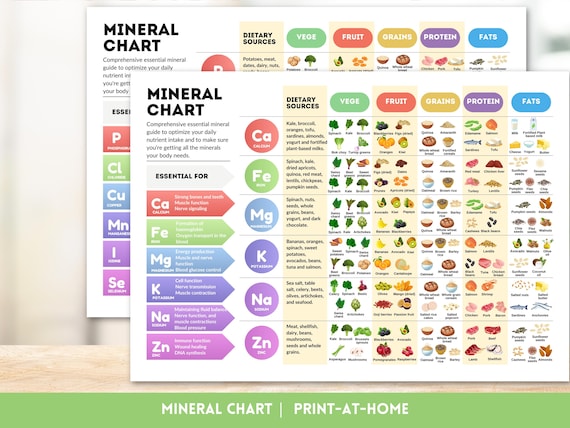
Diet plays a crucial role in ensuring sufficient magnesium intake. Foods rich in magnesium—such as leafy greens, nuts, seeds, and whole grains—can help maintain optimal levels of the mineral, thereby supporting both anti-inflammatory and antioxidant defense mechanisms.
For individuals at higher risk of magnesium deficiency, such as the elderly or those with chronic illnesses, dietary modifications or supplementation can be key strategies in preventing an imbalance that might predispose them to inflammatory and oxidative damage.
Research and Future Directions
Ongoing research further explores the nuanced roles of magnesium in immunomodulation and antioxidant defense. As scientific techniques and methodologies become more advanced, future studies may uncover even more detailed interactions between magnesium, inflammatory cytokines, and free radical dynamics.
Expanding Clinical Trials
Several clinical trials are currently investigating the benefits of magnesium supplementation in specific populations. These include patients with cardiovascular disease, metabolic syndrome, and neurodegenerative disorders. The primary endpoint in many of these studies is the reduction of systemic inflammation and oxidative stress markers, which will provide clearer evidence as to the role of magnesium in disease prevention and management.
As research progresses, it is anticipated that guidelines for magnesium supplementation will become more refined, potentially leading to personalized nutritional recommendations based on an individual's genetic predisposition, lifestyle, and existing health conditions.
Interdisciplinary Approaches
An interdisciplinary approach involving nutritionists, immunologists, and cardiologists is essential to fully harness the potential of magnesium in clinical practice. Collaborative research that integrates molecular biology with clinical outcomes can lead to a more comprehensive understanding of how magnesium supplementation can be effectively tailored to individual needs.
Furthermore, advances in bioinformatics and nutrigenomics are expected to shed light on the genetic factors that influence magnesium metabolism and its effect on inflammatory and oxidative stress pathways. Such insights could pave the way for targeted interventions that optimize not only the dosage but also the timing of magnesium supplementation to maximize therapeutic efficacy.
Conclusion and Final Thoughts
In summary, magnesium is a pivotal nutrient that exerts considerable influence on both inflammatory and oxidative processes within the body. Its role in reducing pro-inflammatory cytokine production—especially TNF-α, IL-1, and IL-6—is crucial in maintaining an appropriate immune response. By modulating intracellular calcium levels and inhibiting NF-κB activation, magnesium directly prevents excessive cellular inflammation.
Concurrently, magnesium’s contribution to the antioxidant defense system, predominantly through stabilizing enzymes like superoxide dismutase, underscores its importance in mitigating free radical damage. This dual-action—controlling inflammation and protecting against oxidative stress—not only enhances cellular health but also lowers the risk of developing a range of chronic diseases that arise from chronic inflammation and oxidative injury.
Clinically, ensuring optimal magnesium levels, whether through diet or supplementation, has significant therapeutic implications. From preventive measures against chronic conditions to acute clinical interventions in cardiac care, the benefits of maintaining magnesium balance are far-reaching.
While much progress has been made in understanding these complex pathways, ongoing research continues to uncover deeper insights into magnesium’s multifaceted role, with promising prospects for more precise and individualized therapeutic strategies in the future.
References
- PubMed Article on Magnesium and Inflammation - PubMed
- Magnesium and Cytokine Modulation - PubMed
-
PMC Article on Magnesium Deficiency - PMC
-
Magnesium's Impact on NF-κB Activation - PMC
-
ScienceDirect Review on Magnesium and Oxidative Stress - ScienceDirect
- AHA Journals: Magnesium in Cardiac Protection - AHA Journals
- JACC Article on Magnesium and Free Radicals - JACC
Recommended Further Reading
Last updated February 22, 2025