
Mastering ASCII Art: Creation, Tools, and Techniques
Unlock the art of converting text and images into captivating ASCII masterpieces.
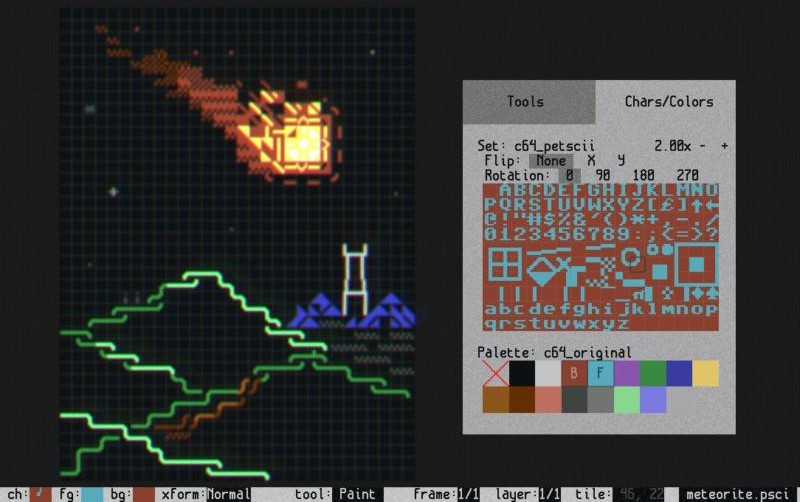
Key Takeaways
- Comprehensive Tools: A variety of online platforms and software are available to effortlessly create and customize ASCII art.
- Programming Integration: Leveraging programming languages like Python allows for dynamic and automated ASCII art generation.
- Creative Techniques: Mastery of character alignment, spacing, and escape sequences is essential for crafting detailed and visually appealing ASCII designs.
Introduction to ASCII Art
ASCII art is a unique form of visual representation that utilizes the characters from the American Standard Code for Information Interchange (ASCII) to create images, designs, and textual artworks. Originating in the early days of computing, ASCII art became a popular medium for artists and programmers alike, allowing for the expression of creativity within the constraints of plain text environments.
The essence of ASCII art lies in its simplicity and versatility. By arranging various characters and symbols in specific patterns, artists can depict intricate images ranging from simple emoticons to complex scenes. This form of art is not only a testament to human creativity but also showcases the ability to convey detailed visuals without the need for graphical interfaces.
Historical Context and Evolution
ASCII art dates back to the 1960s and 1970s when computer graphics were in their infancy. During this era, the limited display capabilities of computers necessitated innovative methods for visual expression. Artists and programmers began experimenting with keyboard characters to represent images, leading to the birth of ASCII art.
Over the decades, ASCII art has evolved, influenced by advancements in technology and the expansion of online communities. The internet provided a new platform for sharing and disseminating ASCII art, fostering a vibrant culture of digital artists. Today, ASCII art continues to thrive, blending traditional techniques with modern tools and programming languages to create sophisticated and dynamic artworks.
Tools and Generators for Creating ASCII Art
Online ASCII Art Generators
Numerous online tools facilitate the creation of ASCII art by converting text or images into character-based designs. These platforms offer a range of font styles, customization options, and user-friendly interfaces, making the process accessible to both novices and experienced artists.
| Tool Name | Features | URL |
|---|---|---|
| Online ASCII Tools | Simple text-to-ASCII converter with various style options. | Visit Site |
| TextPurge | Offers creative ASCII styles and customization for text-based art. | Visit Site |
| TextFancy.com | Easy-to-use gallery of ASCII art styles with tools for custom designs. | Visit Site |
| Patorjk.com - TAAG | Popular generator with a large selection of fonts and styles. | Visit Site |
| YesChat.ai | Versatile platform supporting both image and text-to-ASCII conversions. | Visit Site |
Desktop and Software Solutions
Beyond online generators, several desktop applications and software packages provide advanced features for ASCII art creation. These tools often support high-definition color ASCII art, integration with other graphic design software, and enhanced customization options.
Creating ASCII Art in Python
Python, a versatile and widely-used programming language, offers robust capabilities for generating ASCII art through scripting and automation. By utilizing Python's powerful string manipulation and looping mechanisms, artists can create dynamic and intricate ASCII designs with precision and efficiency.
Step-by-Step Guide to Creating an ASCII Art Cat
Creating ASCII art in Python involves writing scripts that output character-based designs to the console or files. Below is a detailed walkthrough to craft a simple ASCII art cat:
1. Setting Up the Python Script
Begin by opening a new Python file and adding comments to document the author and purpose of the script.
2. Using Print Statements
Utilize the print() function to output each line of the ASCII art. Careful consideration of spaces and characters is essential to maintain the structure and alignment of the artwork.
3. Handling Escape Characters
Special characters like backslashes (\) require escaping by using double backslashes (\\) within strings to ensure they render correctly.
4. Testing and Refinement
As each line of the ASCII art is added, execute the script frequently to verify alignment and correctness. Adjust characters and spacing as necessary to achieve the desired visual effect.
Example Python Script
# Author: Your Name
print("   /\_/\  ")
print("  ( o.o ) ")
print("   > ^ <  ")
Running this script will display a simple ASCII art cat in the console. For more complex designs, incorporate additional print statements and carefully align each character to build the complete image.
Advanced Techniques
For more elaborate ASCII art, consider the following techniques:
- Loops and Functions: Utilize loops to repeat patterns and functions to modularize code, enhancing scalability and maintainability.
- Color Integration: Implement ANSI escape codes to add colors to ASCII art, increasing visual appeal.
- Image Conversion: Use libraries like Pillow to convert images into ASCII representations programmatically.
Best Practices for Designing ASCII Art
Character Selection and Alignment
The choice of characters significantly impacts the clarity and aesthetics of ASCII art. Characters with varying densities and shapes can create shading, contours, and texture within the design.
- Consistent Spacing: Maintain uniform spacing to ensure smooth lines and curves.
- Character Variation: Use a mix of characters to represent different textures and depths.
- Alignment: Precisely align characters horizontally and vertically to preserve the intended structure.
Utilizing Online Resources and Communities
Engaging with online communities and exploring existing ASCII art can provide inspiration and insights into advanced techniques. Platforms like ASCII Art Club and various GitHub gists offer a plethora of examples and collaborative opportunities.
Enhancing ASCII Art with Color and Animation
Incorporating Colors
Adding color to ASCII art can elevate its visual impact. By using ANSI escape codes in programming languages like Python, artists can assign specific colors to different parts of their designs, creating a more dynamic and engaging artwork.
# Example of colored ASCII art in Python
print("\033[91m   /\_/\  \033[0m")
print("\033[92m  ( o.o ) \033[0m")
print("\033[94m   > ^ <  \033[0m")
Animating ASCII Art
Animation can bring ASCII art to life. By controlling the display timing and sequence of characters, artists can create moving images or interactive displays. This technique often involves clearing the console and redrawing the art with slight variations to simulate motion.
Challenges and Solutions in ASCII Art Creation
Maintaining Proportions and Symmetry
Achieving accurate proportions and symmetry is a common challenge in ASCII art. Solutions include:
- Grid Alignment: Using a grid system can help maintain consistent proportions.
- Reference Images: Comparing drafts with reference images ensures accuracy.
- Consistent Character Usage: Repeating specific characters for uniformity aids in symmetry.
Overcoming Limited Expressiveness
ASCII characters have inherent limitations in expressiveness. To overcome this:
-
Layering Techniques: Combine multiple characters and lines to enhance detail.
-
Shading Variations: Use characters with different densities to create depth and dimension.
-
Creative Use of Spaces: Strategic spacing can simulate textures and gradients.
Resources and Communities for ASCII Artists
Online Communities
Joining online communities can provide support, feedback, and inspiration. Engaging with fellow ASCII artists fosters learning and skill enhancement.
- ASCII Art Club: A platform for sharing high-definition color ASCII art and networking with other artists.
- GitHub Gists: Repository of code snippets and examples for ASCII art creation.
- Reddit Forums: Subreddits dedicated to ASCII art discussions and sharing.
Educational Tutorials and Guides
Accessing tutorials and guides can aid in mastering ASCII art techniques. These resources often provide step-by-step instructions, best practices, and creative ideas.
Conclusion
ASCII art stands as a remarkable blend of art and technology, allowing creators to express intricate designs within the simplicity of plain text. Whether utilizing online generators, scripting with Python, or honing manual drawing skills, the realm of ASCII art offers endless possibilities for creativity and innovation.
By leveraging the diverse tools and resources available, artists can explore and expand their capabilities, pushing the boundaries of what can be achieved with character-based designs. Embracing both traditional techniques and modern advancements ensures that ASCII art remains a vibrant and evolving art form.
References
• Online ASCII Tools - Convert Text to ASCII Art
• TextPurge - Text to ASCII Art Generator
• TextFancy.com - Text to ASCII Art
• Patorjk.com - Text to ASCII Art Generator (TAAG)
• YesChat.ai - Text to ASCII Art Converter
• ASCII Art Club
• ASCII Art Generator
• ASCIIArt.eu - Text to ASCII Art
• GitHub Gist - ASCII Art Code Examples
Last updated January 31, 2025