
Challenges in the Meat Vendor Industry
An Insightful Examination into the Complexities of Meat Vendors' Operational Landscape
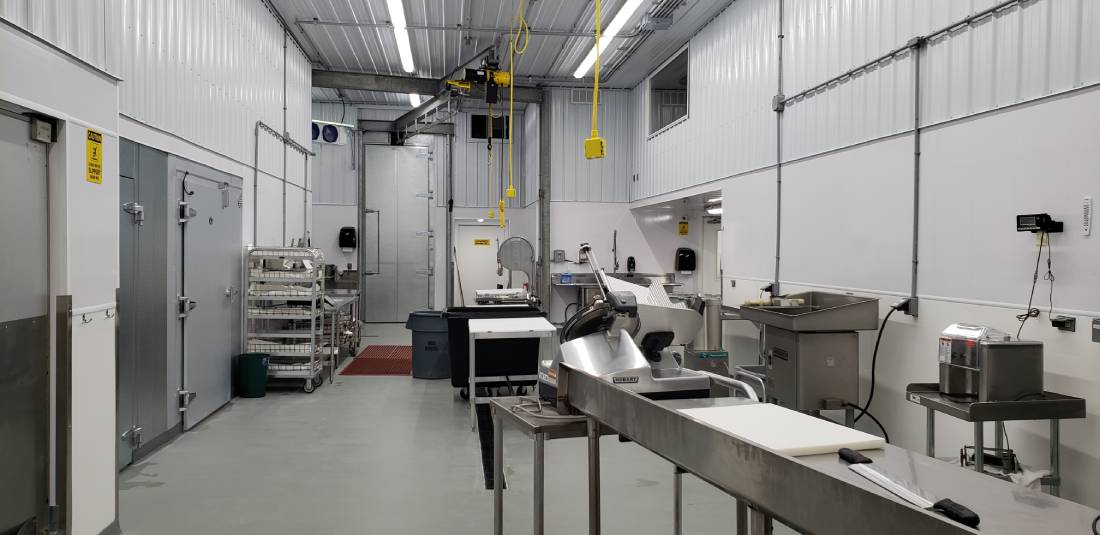
Highlights
- Operational and Supply Chain Vulnerabilities: Inconsistent supply, processing bottlenecks, and fluctuating livestock availability dramatically affect daily operations.
- Regulatory and Compliance Hurdles: Meat vendors face a complex environment of stringent food safety, hygiene, and environmental regulations that demand continuous adaptation.
- Market and Technological Adaptability: Shifting consumer demands, competition from emerging alternatives, and the need for rapid technological transformation are reshaping the industry.
Introduction
The meat vendor industry is fundamental to the food supply chain, yet it wrestles with a multilayered set of challenges that significantly impact its efficiency, sustainability, and profitability. These issues are not isolated but interrelated, spanning from infrastructural constraints to evolving regulatory frameworks and rapidly shifting market conditions. As global consumer trends evolve and environmental concerns intensify, meat vendors are compelled to innovate while navigating strict oversight and operational limitations.
Understanding the Challenges
Operational and Supply Chain Challenges
Meat vendors' operations often suffer from volatile supply chains characterized by an inconsistent availability of livestock. Factors such as disease outbreaks, environmental disruptions, and seasonal production cycles contribute to this unpredictability. An unreliable supply results in fluctuating meat prices and forces vendors to confront high input costs associated with feed, transportation, and processing infrastructure. Moreover, limited access to modern and USDA-inspected processing facilities often hampers small-to-mid scale vendors, preventing them from expanding their market opportunities and ensuring consistent product quality.
The operational challenges extend to the physical aspects of meat production and distribution. Many vendors, especially those in rural or under-resourced areas, face limited access to refrigeration, proper slaughtering facilities, and standardized hygiene practices. This not only jeopardizes product quality but also places consumer health at risk. The situation is aggravated by complex inventory management requirements and the need for accurate weighing and pricing systems to ensure fairness and transparency in transactions.
Regulatory and Legal Complexities
A significant barrier for meat vendors is the labyrinth of regulatory and legal requirements that govern the industry. Vendors must comply with numerous regulations concerning food safety, animal welfare, and environmental protection, and these rules can vary widely by region. For instance, local, state, and national laws impose strict standards that can lead to unexpected shutdowns or closures for non-compliant vendors. It is not uncommon for vendors in the informal sector to find themselves at a disadvantage, undefined in a legal framework that does not afford them the same support as larger players.
Additionally, interstate shipping restrictions complicate market access, particularly for state-inspected meat products which cannot be easily moved across state lines. This legal bottleneck forces vendors to rely heavily on local markets and diminishes their ability to respond to broader market dynamics, further destabilizing their business operations.
Economic and Market Pressures
Economic pressures constitute another critical challenge. Meat vendors operate on thin profit margins that are susceptible to the impact of fluctuating consumer demand. Shifts in consumer behavior, driven by trends towards organic, ethically-sourced, or alternative proteins like plant-based or lab-grown meat products, further complicate the competitive landscape. As consumer preferences evolve, traditional meat vendors must either adapt their production practices or risk losing market share.
Rising production, labor, and raw material costs have squeezed vendors financially. The economic environment, impacted by broader market consolidation and anti-competitive practices, leaves vendors with limited bargaining power. For small and mid-scale vendors, access to capital is increasingly challenging when significant investments in technology and infrastructure are necessary to remain competitive.
Technological and Innovation Needs
As the meat industry contends with intense competition and evolving consumer demands, there is a growing need for technological adaptation. Digital transformation, including investment in enterprise resource planning (ERP) systems and modern processing equipment, is essential for streamlining operations and ensuring product traceability. Such technological improvements not only help in managing inventory and maintaining quality control but also facilitate compliance with regulatory standards.
Innovation is especially vital to address labor shortages and to improve operational efficiencies. Automated systems and digital marketplaces can bridge the gap between traditional meat vendors and a tech-savvy consumer base. However, smaller vendors often struggle with the financial burden of such investments, creating a divide between those who can afford to innovate and those who are forced to operate within outdated frameworks.
Social, Cultural, and Environmental Influences
Social and cultural attitudes towards meat consumption also distinctly influence the industry. Changing consumer preferences, partly driven by rising health consciousness and environmental concerns, have led to a decline in the social acceptance of meat products in certain segments. This shift is evident in the increasing popularity of alternative protein sources and ethical eating trends that prioritize sustainability over tradition.
Environmental issues add another layer of complexity. The meat industry is a significant contributor to ecological challenges such as greenhouse gas emissions, high water consumption, and land degradation. Vendors are under mounting pressure from consumers and regulators alike to adopt sustainable practices, reduce waste, and ensure responsible animal welfare. Balancing these environmental imperatives with economic viability remains one of the toughest challenges for the sector.
Detailed Analysis: A Comparative View
Table of Key Challenges and Their Impacts
| Challenge Category | Key Issues | Operational Impact |
|---|---|---|
| Supply Chain & Operations |
- Inconsistent livestock supply - Transportation disruptions - Seasonal production fluctuations |
Unreliable product availability; high input and operational costs |
| Regulatory & Legal |
- Strict compliance requirements - Interstate shipping limitations - Risk of arbitrary shutdowns |
Increased operational costs; limited market expansion |
| Economic & Market Dynamics |
- Fluctuating consumer demand - Thin profit margins - Competitive pressures from alternative proteins |
Revenue instability; necessity for market innovation |
| Technological & Infrastructure |
- Need for ERP systems - Automation challenges - Insufficient modern processing facilities |
Operational inefficiencies; technological lag |
| Social & Environmental |
- Declining social acceptance of traditional meat - Pressure for sustainable practices - Animal welfare challenges |
Brand reputation risks; additional costs for sustainable practices |
Infrastructural Constraints and Processing Bottlenecks
Many meat vendors are hindered by the inadequate development of processing infrastructure. Small-scale operators often lack access to modern USDA-inspected facilities, which are crucial in ensuring products meet the necessary safety and quality standards required for retail markets. This lack of access not only limits operational capabilities but also influences the vendors’ ability to scale their businesses. With seasonal demand creating uneven throughput at processing facilities, vendors find themselves balancing periods of intense activity with times of underutilization. Such disparities put additional stress on supply chain management and undermine consistent revenue generation.
Additionally, technological lapses such as outdated equipment and inefficient inventory management systems add to these operational bottlenecks, pushing vendors toward costly upgrades or operational overhauls that many cannot afford. This situation forces vendors to navigate a precarious balance between maintaining current operations and investing in the future.
The Role of Consumer Preferences
Over recent years, consumer preferences have evolved significantly. A considerable shift towards organic, locally sourced, and ethically produced meat has been observed. Traditional meat vendors must now innovate their production and marketing strategies to not only provide safe and high-quality products but also align with these evolving consumer values. This cultural transformation presents vendors with the dual challenge of upgrading their operational practices while ensuring that products remain competitively priced. As the demand for transparency, traceability, and sustainability grows, vendors are encouraged to adopt advanced technological solutions, such as blockchain for supply chain transparency and modern ERP systems for operational efficiency.
These market dynamics mean that meat vendors must now coin strategies that cater to a more conscious consumer base. The need for differentiation through premium product attributes, like antibiotic-free or grass-fed meat, imposes additional financial and operational pressures on traditional vendors.
Regulatory Pressures and their Multifaceted Impact
Regulatory difficulties are pervasive throughout the meat vending landscape. Operators must continually invest in compliance measures to meet food safety, environmental, and animal welfare standards. For vendors operating on a relatively small scale, the cost and complexity of these regulations can be overwhelming. The necessity to adhere to local and national laws often requires separate investments in modern equipment, staff training on enhanced hygiene practices, and adaptation to evolving government policies. In many cases, these burdens lead to a scenario where non-compliance can result in severe financial penalties or even forced closures, particularly in regions where oversight is strict and penalties are harsh.
Furthermore, the disparity between the resources available to large-scale operations versus smaller, informal vendors exacerbates the regulatory challenges. While larger entities might leverage economies of scale to manage compliance, smaller operators often lack the financial cushion necessary to invest in advanced processing or rework their business models. As a result, these vendors find themselves struggling to maintain viability in an increasingly regulated environment.
Strategies for Mitigating the Challenges
Innovative Approaches and Technological Integration
Investing in Digital Solutions
One promising avenue for overcoming operational and regulatory hurdles is the adoption of digital transformation. Investing in robust ERP systems can optimize inventory management, enhance traceability, and streamline supply chains. Moreover, technological integration encourages better forecasting, reducing the impact of fluctuating supply and demand. Vendors who successfully implement these solutions can not only ensure product quality but also achieve greater transparency in their operations, building consumer trust.
Adoption of Sustainable Practices
As environmental and ethical considerations grow in importance, vendors are increasingly urged to adopt sustainable practices. This ranges from investing in eco-friendly processing equipment to revamping supply chains to reduce carbon footprints. Embracing sustainable practices not only aligns operations with consumer expectations but also enhances market reputation. Moreover, government incentives and global trends towards sustainability provide an additional financial rationale for such investments.
Policy and Collaborative Interventions
Given the complexity of regulatory compliance, there is a strong need for collaborative interventions that involve both industry stakeholders and policymakers. Establishing industry-wide standards and sharing best practices can help alleviate the regulatory burden on individual vendors. Public-private partnerships may also play an essential role in providing financial support and technical training. Such collaborations ensure that smaller vendors are not left behind and are equipped with the necessary tools to navigate an increasingly intricate regulatory landscape.
Moreover, policies that support innovation in the meat industry, such as easier access to capital for technological upgrades and financial incentives for adopting sustainable practices, can level the playing field. As more vendors adopt these strategies, the entire industry becomes more resilient against the multifaceted challenges it faces.
Market Adaptation and Consumer Engagement
Another critical strategy for meat vendors is adapting to the evolving market and engaging directly with consumers. This means rethinking traditional business models by incorporating feedback loops that allow vendors to adjust product offerings based on consumer preferences. Emphasizing local sourcing, transparency in production methods, and building a narrative around product quality and safety can help vendors differentiate themselves from large retail chains and competitors in alternative protein markets.
In practical terms, this adaptation could include the development of digital platforms that connect producers directly with consumers, facilitating pre-orders, feedback, and loyalty programs. Such innovations not only foster a closer relationship with the end consumer but also provide vendors with real-time data on shifting market demands, allowing for quicker and more efficient adjustments.
Conclusion
In conclusion, meat vendors face a spectrum of interlinked challenges, ranging from operational bottlenecks and supply chain unpredictability to stringent regulatory compliance and rapidly shifting consumer preferences. Addressing these challenges requires a multifaceted strategy that blends technological innovation with sustainable practices and collaborative policy interventions. Only through such comprehensive and well-rounded strategies can meat vendors hope to stabilize their operations, maintain high-quality standards, and remain competitive in a dynamic market.
This analysis has underscored the importance of not only recognizing these challenges but also embracing forward-thinking solutions that accommodate both economic realities and evolving societal values. By investing in modern technology, adapting to market trends, and working collaboratively with policymakers, meat vendors can aspire to transform these challenges into opportunities for growth and long-term success.
References
- What Are the Challenges and Struggles of the Meat Vendors? - Typeset
- How Capital Changes Challenges Meat Vendors in Livestock - Typeset
- Meat and Poultry Processing Plant Layout - Cherry Sind
- Top 10 Meat Supply Chain Challenges: How Companies Overcome Them - ESS Feed
- 7 Challenges Facing the Meat Industry - Farmers University
- Meat Processing Disruptions Present Challenges - Farm Progress
Recommended Searches
Last updated February 20, 2025