
Meat Vendor Input Model Details
Comprehensive Analysis of Inputs and Parameters for a Successful Meat Vendor Operation
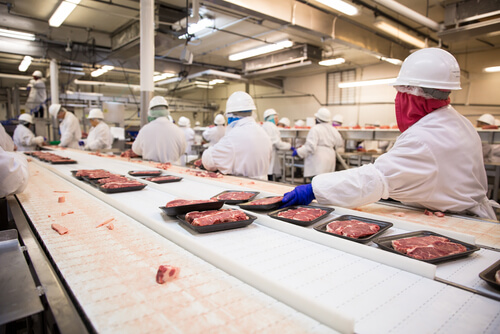
Key Highlights
- Comprehensive Vendor Information: Detailed elements capturing identity, contact, and business specifics.
- Advanced Product and Supply Chain Management: All aspects from product types, quality certifications, to logistics and delivery.
- Regulatory Compliance and Financial Planning: Incorporating legal, safety, and financial elements to ensure full operational support.
Introduction
In today's competitive food industry, a robust input model for meat vendors plays a central role in streamlining operations, ensuring compliance, and maintaining high standards of product quality. This detailed model covers all aspects of a vendor's operations while emphasizing key parameters such as vendor identification, product details, supply chain logistics, regulatory issues, financial planning, and quality assurance. The aim of this comprehensive framework is to help stakeholders from small-scale meat providers to large enterprises effectively manage their operations and satisfy both regulatory and market demands.
Detailed Framework for the Meat Vendor Input Model
1. Basic Vendor Information
Vendor Profile
A robust input model begins with basic information designed to uniquely identify and effectively communicate with each vendor. The following key data points are essential:
- Vendor ID: A unique identifier assigned to each meat vendor, ensuring that records are distinct and easily retrievable.
- Company Name: The legal or trade name of the vendor used in all documentation and communication.
- Business Registration Number and Tax ID/VAT Number: Official numbers required for identity verification and taxation.
- Contact Person: The primary representative responsible for vendor communications.
Contact Information
Clear and updated contact details are critical for efficient communication, order management, and operational logistics. These include:
- Primary and Secondary Phone Numbers: Direct lines for quick access.
- Email Addresses: Digital communications require regular updates on order status, compliance notes, and potentially critical alerts.
- Website URL: The central digital presence where vendors may share menus, product specifications, and updates.
- Physical, Shipping, and Delivery Addresses: Detailed addresses including street, city, state, zip code, and any additional delivery instructions to ensure timely and reliable logistics.
2. Product Information
Meat Types and Cuts
A detailed description of the meat products offered is fundamental to the input model. Each vendor’s catalog must include:
- Types of Meat: Beef, pork, chicken, lamb, game, and specialty meats.
- Cut Types: Various cuts such as steaks, ribs, ground meat, and specialized parts, tailored to market demands.
- Product Specifications: Information about muscle structure, fat content, and culinary uses which assist in product differentiation.
Quality and Packaging
Product quality remains at the center of consumer trust. Therefore, vendors must provide:
- Grading/Quality Certifications: Such as USDA Prime or Choice which indicate the quality level.
- Certifications and Standards: This may include organic, halal, kosher certifications, and adherence to systems like URMIS for product tracking.
- Packaging Options: Details on the packaging such as vacuum-sealed, bulk packaging, or customized cuts catering to different customer needs.
- Pricing Information: Unit pricing, volume discounts, and seasonal pricing adjustments ensure transparency and competitiveness in the market.
3. Supply Chain and Logistics
Supply Information
A robust supply chain system is crucial to ensuring the freshness and safety of meat products. Key elements include:
- Sourcing Locations: Detailed information about the farms, ranches, or processing facilities where the animals are raised and processed.
- Animal Origin Details: Including breed, rearing conditions, and certification of humane treatment which is increasingly important to consumers.
- Supplier Information: Data regarding the partnerships with local and international suppliers. Diversification helps avoid over-reliance on single sources.
Logistics and Delivery
Managing the flow of products from the source to the end consumer involves:
- Delivery Radius and Frequency: Documentation of geographical service areas and the frequency with which deliveries are made—daily, weekly, etc.
- Lead Times: Estimated times from order placement to delivery, which help in planning inventory and managing customer expectations.
- Inventory Management: Real-time tracking systems to monitor stock levels, reduce waste, and prevent stockouts. Effective inventory systems can integrate into broader software solutions for enhanced operational efficiency.
- Traceability: Mechanisms for tracking each product from the slaughterhouse to the final delivery. This is critical in quality control and recalls if necessary.
4. Regulatory and Compliance Information
Compliance Measures
Ensuring compliance with both governmental and industry standards is non-negotiable. This includes:
- Licenses and Permits: Information on health and safety licenses required to operate, including permits from regulatory bodies such as the Food Safety and Inspection Service (FSIS).
- Inspection Directories: Regular updates from inspection agencies with details on facility inspections, violations, and compliance measures.
- Food Safety Standards: Adherence to protocols that ensure the hygiene, sustainability, and quality of meat products. Vendors might need to align with standards set by international organizations that regulate meat processing and distribution.
Risk Management
Mitigating risks associated with product recalls or supply chain disruptions is essential. The input model should include:
- Emergency Response Strategies: Predefined procedures for product recalls and safety breaches.
- Documentation: Maintenance of all records pertaining to inspections, certifications, and compliance reports.
5. Financial and Operational Details
Financial Information
An input model must incorporate comprehensive financial data to support sustainable operations:
- Revenue Streams: Detailed tracking of sales income including direct sales, wholesale, and potential service fees.
- Cost Structures: Itemization of expenses such as procurement costs, labor, transportation, overheads, and energy costs that influence pricing and profitability.
- Payment Terms and Credit Information: Clear delineation of payment cycles, accepted payment modes, credit limits, and terms. This is important for maintaining healthy cash flow and supplier relationships.
Operational Excellence
Streamlining operations is key to efficiency. The model should detail:
- Facility Information: Layouts and operational details for storage, processing, and retail areas, ensuring all physical operations adhere to best practices in hygiene and efficiency.
- Staffing Information: Roles and responsibilities within the organization, including the training programs for safe meat handling and customer service excellence.
- Technology Integration: The use of advanced management systems is critical for data standardization, inventory tracking, and financial accounting. This includes integration with Electronic Data Interchange (EDI) systems to allow seamless communication between supply chain partners.
6. Technology and Data Management
Data Systems Integration
Embracing technological advances is essential for modern meat vendor operations. This section covers:
- Database Management Systems: Centralized databases for recording vendor data, product inventories, and financial transactions.
- Real-Time Analytics: Tools to analyze sales trends, customer behavior, and supply chain efficiency. Such insights empower vendors to make informed decisions and adjust their strategies based on market feedback.
- EDI and Integration: Support for Electronic Data Interchange which assists with the rapid and accurate sharing of information between vendors, suppliers, and regulatory bodies.
Software and Tools
To support the input model, vendors typically integrate a variety of software tools including:
- Inventory Management Software: Platforms that automate stock tracking and predictive ordering based on historical data.
- Accounting Software: Tools that manage financial records, generate profit/loss statements, and handle invoicing.
- Customer Relationship Management (CRM) Systems: For keeping track of customer interactions, order histories, and feedback.
7. Additional Considerations
Alternative Proteins and Market Trends
In line with evolving market trends, many meat vendors are expanding their catalogs to include alternative protein sources. These include plant-based and cultured meat options. Incorporating such options into the input model can help vendors tap into emerging consumer preferences:
- Alternative Protein Options: Details on consistency, quality certifications, and specific processing or packaging requirements unique to alternative proteins.
- Market Trends: Analysis of consumer demand shifts towards sustainable and ethically sourced products. This also includes an assessment of competitor strategy, pricing adjustment, and marketing initiatives in the broader protein sector.
Customer Base and Sales Strategies
Understanding who the end consumers are, and tailoring strategies accordingly, is a vital element in the input model:
- Customer Segmentation: The division of the customer base into segments such as restaurants, supermarkets, direct consumers, and institutional buyers like schools and hospitals.
- Sales and Promotional Strategies: Approaches for customer engagement, loyalty programs, and targeted marketing efforts that reflect customer preferences and operational capabilities.
- Feedback Loops: Regular mechanisms to gather insights from customers that inform continuous improvements in product offerings and service delivery.
Input Model Summary Table
The table below consolidates the key parameters of the meat vendor input model:
| Category | Key Input Parameters | Description |
|---|---|---|
| Basic Vendor Information | Vendor ID, Company Name, Contact Person, Registration and Tax IDs | Unique identification and essential contact details for business identity and documentation. |
| Contact Details | Phone Numbers, Email, Address, Website | Accurate, up-to-date contact channels ensuring timely communications and order management. |
| Product Information | Types of Meat, Cuts, Quality Certifications, Packaging, Pricing | Comprehensive product catalog detailing all aspects of meat offerings and formal quality assessments. |
| Supply Chain & Logistics | Sourcing Locations, Delivery Radius, Inventory Control, Traceability | Efficient system for tracking and delivering meat products while ensuring quality control. |
| Regulatory Compliance | Licenses, Permits, Inspection Records, Safety Standards | Ensuring adherence to legal and food safety standards required by regulatory bodies. |
| Financial & Operational Details | Revenue Streams, Cost Structures, Payment Terms, Facility and Staffing Info | Detailed breakdown of financial and operational elements for sustainable business management. |
| Technology & Data Management | Database Integration, Real-Time Analytics, EDI Support | Advanced technological tools for operational efficiency, data transparency, and system integration. |
| Market Trends & Customer Base | Alternative Proteins, Sales Strategies, Customer Segmentation | Incorporating new market demands and consumer feedback to diversify product offerings and marketing efforts. |
Implementation and Best Practices
Successfully implementing this comprehensive input model requires careful planning and collaboration between various departments. Here are some best practices:
Data Standardization and Integration
Adopting standardized data formats and integrating various software tools across the business operations minimizes errors and ensures seamless communication. Standardization enhances data consistency, which is critical when dealing with multiple suppliers, diverse product lines, and a broad customer base.
Continuous Monitoring and Reporting
Regularly monitoring key performance indicators (KPIs) related to inventory levels, delivery times, compliance status, and customer satisfaction is essential. This continuous process helps vendors adjust operations in real-time. Implementing automated dashboards and alerts can proactively manage operational risks and optimize the supply chain.
Collaborative Supplier Relationships
Engaging in transparent communication and partnerships with suppliers ensures that all parties are aligned with quality standards and delivery schedules. Collaborations may include joint quality control programs, shared logistics tools, and integrated procurement planning, which collectively lead to smoother operations and increased trust.
Regulatory Updates and Quality Audits
Periodic reviews of compliance with ever-evolving food safety regulations and quality audits are non-negotiable elements of the model. Regular inspections and updates in the documentation systems ensure that every step of the process—from supplier selection to final product delivery—meets industry standards.
Leveraging Technology for Efficiency
The integration of advanced data management solutions and real-time analytics platforms not only streamlines operations but also provides critical insights into market trends and operational inefficiencies. Embracing automation, artificial intelligence, and machine learning tools can further enhance forecasting accuracy and optimize logistics.
Conclusion
The comprehensive meat vendor input model detailed above provides an effective framework for managing every aspect of meat vendor operations. By integrating basic vendor data, product catalogs, supply chain logistics, regulatory compliance, financial planning, and state-of-the-art technology systems, this model ensures that vendors operate efficiently, maintain high quality standards, and comply with all necessary regulations.
Its multi-dimensional approach not only enhances operational transparency and effectiveness but also fosters robust relationships with suppliers and customers. The model emphasizes rigorous data management, standardized processes, and proactive compliance measures, all of which are critical strategies in today’s competitive and regulated food industry.
Overall, implementing such a detailed input model supports informed decision-making and continuous improvement, leading to sustained success in a challenging marketplace. By focusing on both operational excellence and strategic adaptability, meat vendors can confidently navigate industry trends and regulatory complexities.
References
-
URMIS Standards - MeatTrack
-
Meat, Poultry, and Egg Product Inspection Directory - FSIS
- Alternative Protein Company Database - Good Food Institute
- Data Analysis for the Meat Industry - IO Cárnicas
- New Database for Meat Processors - MeatPoultry
- Meat Vendors - WowPedia
- Meat Supplier Standards - MeatSupplierStandards
- Livestock and Meat Domestic Data - USDA ERS
Recommended Further Queries
 celery-walrus-992s.squarespace.com
Last updated February 21, 2025