
Beyond the Meat Counter: The Challenges and Strategies of Meat Vendors in Pili Public Market
Exploring real-life hurdles and innovations in traditional meat vending
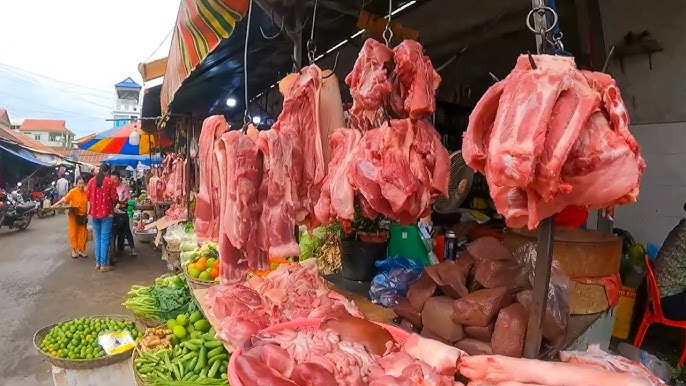
Key Insights
- Dynamic Economic Environment: Vendors face fluctuating prices, supply chain disruptions, and increasing operational costs.
- Compliance and Infrastructure: Strict health regulations, outdated facilities, and inadequate storage challenge meat quality and safety.
- Innovative Adaptations: Diversification, digital integration, and community cooperation underpin the resilience of vendors.
Introduction
The Pili Public Market, a bustling hub in the heart of Pili, Camarines Sur, plays a critical role in the local food ecosystem. Meat vendors operating in this market are not only traditional suppliers of fresh meat but also entrepreneurs navigating a rapidly changing socio-economic environment. In this chapter, we offer an in-depth exploration of the challenges these vendors face and the innovative strategies they employ. By examining the economic, operational, and regulatory hurdles, as well as the adaptive techniques adopted by vendors, we highlight their resilience in sustaining their businesses in a competitive marketplace.
Economic and Operational Challenges
Fluctuating Economic Conditions
Meat vendors in Pili Public Market are significantly impacted by the ever-changing economic landscape. Price fluctuations in meat products are driven by several factors:
- Seasonal changes impacting supply and demand.
- Global supply chain disruptions that ripple through local markets.
- Economic policies that affect pricing dynamics and cost of inputs.
For example, increasing meat prices due to supply shortages in Luzon place pressure on vendors to balance their operating costs and maintain competitiveness. These price fluctuations not only impact profitability but also influence consumer purchasing power, affecting the overall market demand for meat products.
Supply Chain and Infrastructure Limitations
A robust supply chain is essential for vendors to provide high-quality, fresh meat to their clientele. However, several operational challenges influence the efficiency of these supply chains:
- Supply Chain Disruptions: Vendors often experience delays or inconsistencies in deliveries, sometimes resulting in stock shortages or excess inventory. Factors such as transportation issues and market-wide supply shortages contribute to these challenges.
- Inadequate Storage Facilities: Many stalls lack proper refrigeration and storage equipment needed to preserve meat quality. This inadequacy leads to spoilage and compromises product safety.
- Market Infrastructure: The overall facility, including sanitation and utility access, remains outdated in some instances. Vendors operate in an environment where limited infrastructure can exacerbate operational difficulties.
These operational challenges force vendors to rethink their daily logistics and often drive them to seek cooperative arrangements with suppliers and fellow vendors to mitigate risks associated with supply chain interruptions.
Financial Pressures
Apart from operational hurdles, financial challenges further complicate the business activities of meat vendors. Key financial pressures include:
- Rising Input Costs: The cost of livestock feed and other essential inputs often fluctuates, directly impacting the vendors’ profit margins. An increase in feed prices or transportation costs can translate into higher retail prices, potentially losing price-sensitive customers.
- Limited Access to Credit: Small-scale vendors frequently face difficulties in obtaining loans or accessing credit facilities. Without financial backing, they struggle to invest in infrastructure improvements or expand their operations to adapt to market changes.
- Market Competition and Price Wars: With the proliferation of supermarkets and online grocery platforms, traditional vendors must contend with larger enterprises that leverage economies of scale to offer lower prices. This dynamic leads to intensified competition that may force vendors to lower their prices, reducing profit margins even further.
Regulatory and Safety Challenges
Health and Sanitation Regulations
As public health awareness continues to rise, meat vendors are required to comply with strict health and sanitation protocols, ensuring food safety standards are met. These regulations are designed to protect both the consumer and the vendors themselves by:
- Implementing proper hygiene practices during meat processing and sale.
- Maintaining clean and sanitized stall environments, which is essential to avoid contamination.
- Conducting regular checks and adhering to government-imposed food safety guidelines.
However, adherence to such regulations can be challenging for vendors with limited capital. Investments in refrigeration units, cleaning equipment, and training staff for proper hygiene practices require resources that are often scarce in smaller operations.
Navigating Market Regulations
Beyond health-related regulations, vendors must also be mindful of broader market regulations that address competitive practices among small and large-scale players. With the emergence of supermarket chains and imported meat products, traditional vendors face:
- Regulatory Competition: The enforcement of standards often benefits larger players who can easily adapt due to their better financial positioning and larger supply chains.
- Economic Policy Shifts: Local government policies sometimes promote large-scale or imported meat to stabilize food supply, inadvertently impacting vendors who rely on locally sourced products.
- Market Share Erosion: Build-ups in market saturation lead to challenges in maintaining steady sales while competing with expansive retail networks that have better economies of scale.
Adaptive Strategies and Innovations
Diversification and New Product Offerings
One of the foremost strategies adopted by meat vendors in Pili Public Market is product diversification. This approach allows vendors not only to mitigate risks associated with fluctuating demand but also to tap into varied consumer preferences by:
- Introducing different cuts of meat and value-added products, such as marinated, pre-cooked, or seasoned options.
- Expanding services to include meat cutting, preparation, and even offering cooking tips that enhance customer experience.
- Customizing offerings based on seasonal trends and local culinary preferences, thus ensuring a steady stream of returning customers.
This diversification not only broadens the revenue streams for individual vendors but also helps buffer against sudden market downturns.
Integration of Digital Technologies
The incorporation of digital solutions has become increasingly significant in modernizing traditional businesses. Within the Pili Public Market, some vendors have embraced:
- Social Media Marketing: Using platforms like Facebook, Instagram, and local messaging apps to showcase daily offerings, promotions, and customer testimonials.
- Mobile Payment Systems: Facilitating cashless transactions to not only cater to a tech-savvy clientele but also to streamline operations and reduce handling errors.
- Digital Inventory Management: Employing apps or simple spreadsheet tools to manage stock levels and predict supply requirements, minimizing waste and ensuring optimum resource utilization.
These digital adaptations significantly enhance operational efficiency while also opening new avenues for customer engagement and brand visibility.
Community Engagement and Collaboration
Traditional meat vendors often rely on long-standing customer relationships as well as communal support structures. Many have found success by:
- Fostering direct communication and personalized service through face-to-face interactions, thereby building a loyal customer base.
- Participating in cooperative alliances with other vendors to share resources such as bulk purchasing or joint marketing campaigns, effectively reducing costs and increasing bargaining power.
- Hosting educational initiatives—such as cooking demonstrations and health and safety workshops—to engage with the community and enhance awareness about quality and proper meat handling.
This collaborative spirit not only strengthens each vendor’s individual business but also contributes to sustaining the overall vibrancy of the public market.
Challenges and Strategies Comparative Overview
Summary Table: Challenges and Strategies
| Category | Major Challenges | Adaptive Strategies |
|---|---|---|
| Economic | Price fluctuations, high input costs, limited credit access. | Diversification of products, direct-to-consumer marketing, cooperative buying. |
| Operational | Supply chain disruptions, inadequate storage, poor market infrastructure. | Improved logistics planning, investment in refrigeration, collaborative resource sharing. |
| Regulatory | Compliance with health and safety standards, market and economic regulation pressures. | Adoption of modern hygiene practices, staff training, leveraging community alliances. |
Broader Implications and Future Outlook
Impact on Local Food Security
Meat vendors in Pili Public Market are pivotal in ensuring consistent and reliable access to fresh protein sources for the local community. Their role extends beyond mere commerce; they contribute significantly to:
- Providing diverse meat products that cater to various socioeconomic groups.
- Supporting local agriculture by sourcing meat from nearby farms, thereby reinforcing regional supply chains.
- Sustaining a culturally rich culinary tradition that emphasizes freshness and community engagement.
In this way, the sustainability of small-scale meat vendors is tightly intertwined with the broader agenda of local food security and community well-being.
Government and Policy Considerations
Policy interventions can play a significant role in bolstering the operations of meat vendors. Potential areas for government support include:
- Facilitating better access to affordable credit and subsidies for vendors to upgrade their facilities.
- Investing in market infrastructure improvements, such as modern refrigeration units, better sanitation, and efficient transport networks.
- Implementing training programs that focus on digital literacy, food safety standards, and effective business management practices.
Such policies would enable vendors not only to meet regulatory demands more efficiently but also to thrive in an increasingly competitive market.
Community Resilience and Vendor Empowerment
The challenges faced by meat vendors have prompted a culture of resilience and self-reliance within the Pili Public Market community. Empowering vendors with better business practices and innovative tools helps secure their livelihoods while fostering an economic ecosystem that benefits the entire community.
Given the evolving nature of consumer behavior and technological advancement, continuous skill development, and market adaptation are essential for maintaining a competitive edge. Collaborative efforts among vendors fortify the market, providing a collective buffer against external economic shocks.
References
- Meat Vendors & Consumers Struggle - Philnews
- Society Technology and Science Report - Studocu
- Livestock Industry Challenges - PCAARRD
- Daily Challenges of Small Food Vendors - CGIAR
- Economic Dynamics in Meat Vending - UIJRT
Recommended Queries
Last updated March 10, 2025