
Decoding Complexity: How Media Can Illuminate Climate Science for All
Unveiling strategies for popular media to transform intricate climate data into compelling, understandable narratives.
Effectively communicating complex scientific issues, particularly one as multifaceted and urgent as climate change, through popular media is a significant challenge. It requires a delicate balance of accuracy, engagement, and accessibility to bridge the gap between scientific understanding and public perception. The media's role extends beyond mere information dissemination; it involves fostering literacy, countering misinformation, and empowering audiences to make informed decisions and support meaningful action. This response explores key strategies and considerations for popular media to achieve this crucial objective.
Key Insights for Impactful Climate Communication
- Audience-Centric Messaging: Tailoring communication to the public's existing knowledge, cultural background, and local concerns is paramount for resonance and understanding.
- Accuracy with Clarity: Simplifying complex science without oversimplification, using clear language, and transparently addressing uncertainties builds trust and combats misinformation.
- Compelling Storytelling & Visuals: Integrating human stories, emotional connections, and engaging multimedia elements can make abstract climate data tangible and memorable.
Bridging the Science-Public Divide: Core Communication Strategies
Navigating the complexities of climate change communication demands a strategic and multifaceted approach from media outlets. The goal is not only to inform but also to engage and empower the public.
Understanding the Audience: The Foundation of Effective Messaging
A fundamental step in effective science communication is to deeply understand the target audience. This involves assessing their baseline knowledge, existing beliefs, and potential misconceptions about climate change. Media must tailor content to resonate with diverse segments of the population, considering their cultural, political, educational, and socio-economic backgrounds. For example, connecting climate change to local concerns, such as public health impacts or regional environmental changes, can make the issue more personal and relatable.
Key Considerations:
- Assess pre-existing knowledge and address common myths directly.
- Segment audiences to tailor messages for specific groups (e.g., policymakers, youth, local communities).
- Frame climate change in terms relevant to daily life and local environments.
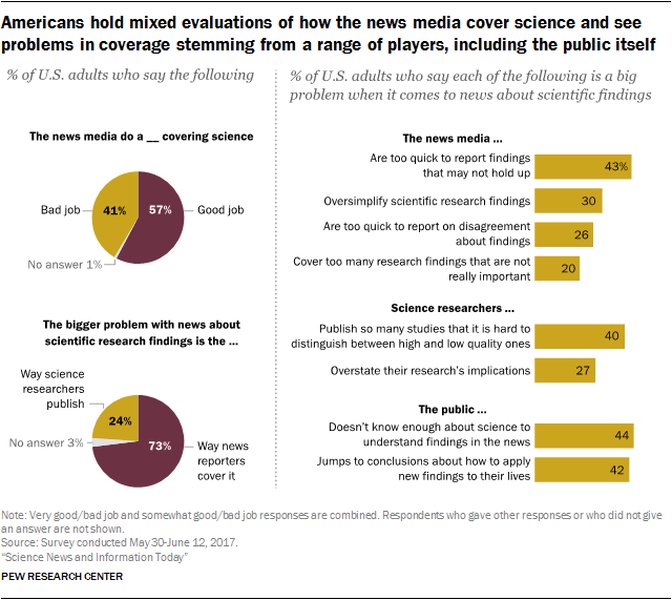
Sources from which Americans get their science news and information, highlighting the media's reach.
Clarity, Accuracy, and Avoiding Sensationalism
Scientific information must be presented with utmost accuracy, yet in clear, concise, and accessible language. This means avoiding jargon and distilling complex concepts into understandable ideas without sacrificing scientific integrity. While conveying urgency is important, sensationalism or overly alarmist tones can lead to public disengagement, anxiety, or cynicism. Balanced reporting that highlights the seriousness of climate change while also showcasing potential solutions and pathways for action is generally more effective.
Best Practices:
- Use straightforward language and relatable analogies or metaphors.
- Ensure all information is fact-checked and sourced from credible scientific institutions.
- Maintain a balanced tone, avoiding both undue alarmism and complacency.
- Clearly differentiate between established scientific consensus and areas of ongoing research or uncertainty.
The Power of Storytelling and Emotional Connection
Human brains are wired for stories. Narratives that feature real people affected by climate change or those working on solutions can create powerful emotional connections and make the issue more tangible and less abstract. Focusing on hope-based communication, rather than solely relying on fear, can inspire a sense of agency and motivate action. These stories can humanize the science and demonstrate its relevance to individual lives and communities.
Narrative Techniques:
- Share personal stories of impact and resilience.
- Highlight successful mitigation and adaptation efforts.
- Focus on solutions and empower audiences with actionable steps.
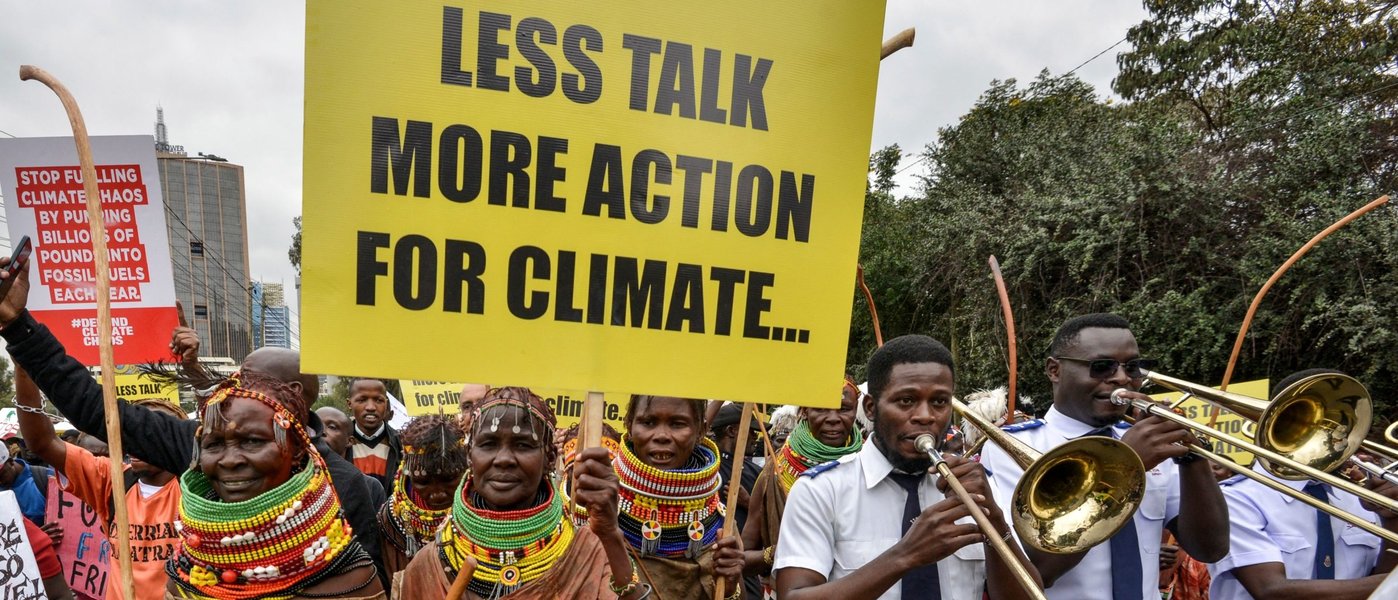
Climate protests demonstrate public engagement and the human dimension of the climate crisis, often driven by compelling narratives.
Visuals and Multimedia: Enhancing Comprehension
Engaging visuals, such as infographics, charts, animations, videos, and interactive media, can significantly enhance comprehension and retention of complex climate information. Visual storytelling provides context, illustrates abstract data (like sea-level rise projections or greenhouse gas concentrations), and can evoke emotional responses that deepen engagement. Multimedia formats cater to different learning styles and can make scientific content more appealing to a broader audience.
Effective Visual Tools:
- Infographics to simplify data and trends.
- Maps to show geographic impacts.
- Videos and documentaries to tell compelling stories and explain processes.
- Interactive elements to allow audience exploration of data.
Navigating Uncertainty and Controversy
Science is a process of ongoing discovery, and some level of uncertainty is inherent, especially in projections of future climate impacts. Popular media must address these uncertainties transparently while also clearly communicating the overwhelming scientific consensus on fundamental aspects, such as human-caused global warming. Acknowledging scientific debates and limitations, where they exist, can build credibility and trust, particularly with skeptical audiences. It's crucial to distinguish between legitimate scientific uncertainty and manufactured doubt often propagated by disinformation campaigns.
Building and Maintaining Trust
Trust is the cornerstone of effective communication. Media outlets can build trust by:
- Collaborating with Scientists: Working closely with climate scientists and experts ensures the accurate interpretation and reporting of data and research findings. Platforms that connect journalists with scientific expertise can be invaluable.
- Journalistic Integrity: Adhering to rigorous fact-checking, providing balanced reporting (without giving undue weight to fringe views that contradict established science), and correcting errors transparently are crucial.
- Source Transparency: Clearly citing sources and methodologies used in reporting.
The relationship between scientists and journalists can sometimes be tense, especially around "hot spot" issues, but fostering mutual understanding and collaboration is essential for public good.
Strategic Use of Digital and Social Media
Social media platforms are powerful tools for disseminating climate information quickly and interactively. Media outlets can leverage these channels for:
- Sharing concise updates and visual content.
- Engaging in public discussions through Q&A sessions or live chats.
- Reaching younger and more diverse audiences.
- Monitoring and actively counteracting misinformation and disinformation, which proliferate rapidly on these platforms.
A well-defined digital strategy involving consistent, value-driven content creation is key. However, the potential for complex issues to be reduced to entertainment or for misinformation to spread requires careful management.
This video, "Cop28: The Role of Media in Climate Change," discusses the significant role media plays in addressing climate change, highlighting the responsibilities of industry leaders. It underscores the importance of media in shaping narratives and driving action on this global issue.
Emphasizing Societal Relevance and Actionability
To motivate public engagement and action, media coverage should clearly link scientific findings to their societal impacts and policy implications. This helps audiences understand why climate science matters to their lives, communities, and governance. Furthermore, providing clear, actionable steps that individuals, communities, and policymakers can take empowers audiences and fosters a sense of agency, counteracting feelings of helplessness often associated with large-scale problems like climate change.
Continuous Engagement and Education
Effective climate communication is not a one-off effort. Consistent, ongoing coverage that integrates climate topics into broader media programming helps normalize the discussion and deepen public understanding over time. Educational programs, partnerships with schools and community groups, and specialized reporting can complement mainstream media efforts and contribute to long-term scientific literacy.
Visualizing Communication Effectiveness
The following radar chart offers a conceptual look at the perceived effectiveness of different communication attributes across various media formats when addressing complex scientific issues like climate change. Scores are hypothetical, representing potential strengths, where a higher score indicates greater perceived effectiveness in that attribute for the given format.
This chart visualizes how different media formats might excel in various aspects of science communication. For instance, long-form journalism might score high on accuracy and depth, while social media excels in reach and speed. A comprehensive communication strategy often involves leveraging multiple formats.
Mapping the Path to Effective Climate Communication
The following mindmap outlines the interconnected strategies essential for popular media to effectively communicate complex scientific issues like climate change. It provides a visual summary of the core principles discussed.
This mindmap illustrates how foundational principles like accuracy and audience understanding support diverse strategies such as storytelling and multimedia use, all aiming to enhance public literacy and drive action on climate change.
Challenges and Media Responses in Climate Communication
Communicating climate change effectively is not without its hurdles. The table below outlines some common challenges and suggests corresponding media strategies to address them.
| Challenge | Description | Effective Media Response/Strategy |
|---|---|---|
| Complexity of Science | Climate science involves intricate processes, data, and models that are hard for non-experts to grasp. | Use clear, simple language; employ analogies and metaphors; visualize data with infographics and charts; break down information into digestible segments. |
| Misinformation & Disinformation | Intentional spread of false or misleading information, often via social media, erodes trust and confuses the public. | Proactive fact-checking and debunking; promoting media literacy; collaborating with scientists to provide accurate counter-narratives; transparently addressing and correcting errors. |
| Political Polarization | Climate change has become a politically charged issue, leading some to reject scientific consensus based on ideological alignment. | Focus on common values (e.g., health, economic opportunity); depoliticize by highlighting local impacts and bipartisan solutions; use trusted messengers from diverse backgrounds. |
| Public Apathy or Fatalism | The scale of the problem can feel overwhelming, leading to disengagement or a sense that individual actions don't matter. | Emphasize solutions and success stories; highlight actionable steps for individuals and communities; foster a sense of collective efficacy and hope. |
| Sensationalism vs. Nuance | Media's tendency to prioritize dramatic narratives can oversimplify or distort scientific findings, or create unnecessary alarm. | Balance urgency with hopeful, solution-oriented framing; provide context and nuance; transparently discuss uncertainties and the scientific process. |
| Short Attention Spans & News Cycles | Fast-paced news environments may not allow for in-depth exploration of complex climate issues. | Utilize diverse formats (short videos, podcasts, long-form articles); provide regular, consistent coverage rather than sporadic reporting; link climate to ongoing news events. |
By acknowledging these challenges and strategically deploying targeted communication tactics, media can more effectively inform and engage the public on climate change.
Frequently Asked Questions (FAQ)
How can media balance the urgency of climate change with messages of hope?
Media can achieve this balance by clearly presenting the scientific evidence of climate risks and impacts to convey urgency, while simultaneously highlighting stories of innovation, successful mitigation efforts, community action, and policy advancements. Focusing on actionable solutions and the co-benefits of climate action (e.g., improved public health, economic opportunities in green industries) can instill hope and a sense of agency, preventing despair or apathy.
What is the media's role in addressing climate change misinformation?
The media has a critical role in actively debunking myths and countering disinformation. This includes rigorous fact-checking of claims, especially those spread on social media; investigating the sources of disinformation campaigns; providing clear, evidence-based information from credible scientific sources; and educating the public on how to identify misinformation. Collaboration with scientists and fact-checking organizations is key. Some outlets also face scrutiny for potentially perpetuating disinformation, highlighting the need for internal vigilance and ethical reporting standards.
How can journalists without a science background effectively report on climate change?
Journalists can effectively report on climate change by:
- Collaborating with or consulting scientific experts.
- Utilizing resources and training programs designed for science journalism.
- Focusing on clearly explaining the "so what" – the relevance and impact on their audience.
- Asking critical questions and seeking multiple expert perspectives (within the scientific consensus).
- Being transparent about what is known and what involves uncertainty.
- Prioritizing accuracy and avoiding sensationalism.
Why is tailoring climate messages to specific audiences important?
Different audiences have varying levels of knowledge, values, concerns, and cultural contexts. A message that resonates with one group might not with another. Tailoring messages – for instance, by focusing on local impacts for a regional audience, economic implications for business leaders, or health effects for parents – makes the information more relevant, relatable, and likely to be understood and acted upon. It helps cut through the noise and connect with people on a more personal level.
Recommended Further Exploration
- What are the most effective visual storytelling techniques for explaining climate change impacts?
- How does political polarization affect media coverage of climate science and what can be done?
- Explore case studies of successful media campaigns that increased public engagement with climate action.
- What role do social media influencers play in climate change communication and how can their impact be maximized responsibly?
References
Last updated May 6, 2025