
Crafting Effective Medium-Level Questions for Protest Images
Enhancing Critical Thinking Through Visual Analysis
Key Takeaways
- Identifying Core Visual Elements: Understanding how body language, symbols, and composition convey protest messages.
- Connecting Visuals to Broader Themes: Linking image elements to social justice and movement objectives.
- Encouraging Analytical Thinking: Developing questions that promote deeper interpretation and critical assessment.
Introduction to Visual Analysis of Protests
Protests are powerful expressions of collective sentiment and societal demands. Images capturing these events serve as valuable tools for education, fostering discussions around social justice, civil rights, and community activism. Crafting effective questions about such images encourages viewers, especially students, to engage in critical thinking, analyze underlying messages, and understand the broader context of the movements depicted.
The Importance of Medium-Level Questions
Medium-level questions strike a balance between basic factual inquiries and complex analytical probes. They are designed to challenge learners to move beyond surface observations, requiring them to interpret visual cues, infer motives, and connect images to larger societal issues. Such questions are instrumental in developing analytical skills and fostering a deeper understanding of the dynamics within protest movements.
Core Components of a Medium-Level Question
1. Analysis of Visual Elements
A fundamental aspect of medium-level questions involves examining the visual components of the protest image. This includes assessing body language, symbols, signs, and the overall composition. For instance, the posture of protestors can indicate unity or tension, while symbols like flags or banners can represent specific causes or affiliations.
Body Language and Posture
Observing how protestors carry themselves—whether with determination, anger, or unity—provides insights into the emotional tone of the protest. Questions can prompt analysis of how these non-verbal cues contribute to the overall message.
Symbols and Signage
Symbols used in protests, such as specific colors, logos, or textual banners, often carry significant meaning. An effective question might explore how these symbols reinforce the protest’s objectives or relate to the movement's identity.
Composition and Setting
The arrangement of subjects within the image—the composition—can highlight certain aspects over others. For example, a wide-angle shot capturing a large crowd emphasizes solidarity, whereas a close-up might focus on individual expressions, highlighting personal stakes.
2. Connection to Broader Themes
Beyond individual elements, medium-level questions should encourage linking the visual content to larger societal themes such as social justice, policy change, or community engagement. This fosters an understanding of how specific protests fit into broader historical and cultural contexts.
Social Justice and Advocacy
Questions might explore how the protest aligns with specific social justice causes, examining the imagery for indicators of advocacy or calls for change.
Impact and Outcomes
Analyzing potential outcomes or desired impacts depicted in the image can provide insights into the protestors' objectives and the strategies they employ to achieve them.
3. Encouraging Analytical Thinking
Effective medium-level questions should prompt learners to interpret and evaluate the image critically. This involves not just describing what is seen, but assessing the effectiveness of the protest's messaging and the potential emotional responses it aims to elicit from the audience.
Interpreting Emotional Cues
Questions can focus on the emotions portrayed—such as hope, anger, or solidarity—and how these emotions contribute to the protest's overall narrative and impact.
Assessing Messaging and Effectiveness
Evaluating whether the visual elements effectively communicate the protest's objectives encourages a deeper understanding of visual rhetoric and persuasive communication within social movements.
Developing a Medium-Level Question
Utilizing the core components outlined above, a medium-level question can be crafted to guide learners in analyzing protest images comprehensively. The question should encourage examination of specific visual elements, link them to overarching themes, and promote critical evaluation of the image's messaging and emotional impact.
Example of a Medium-Level Question
Combining the elements discussed, an effective medium-level question for an image of protestors protesting might be:
Proposed Question
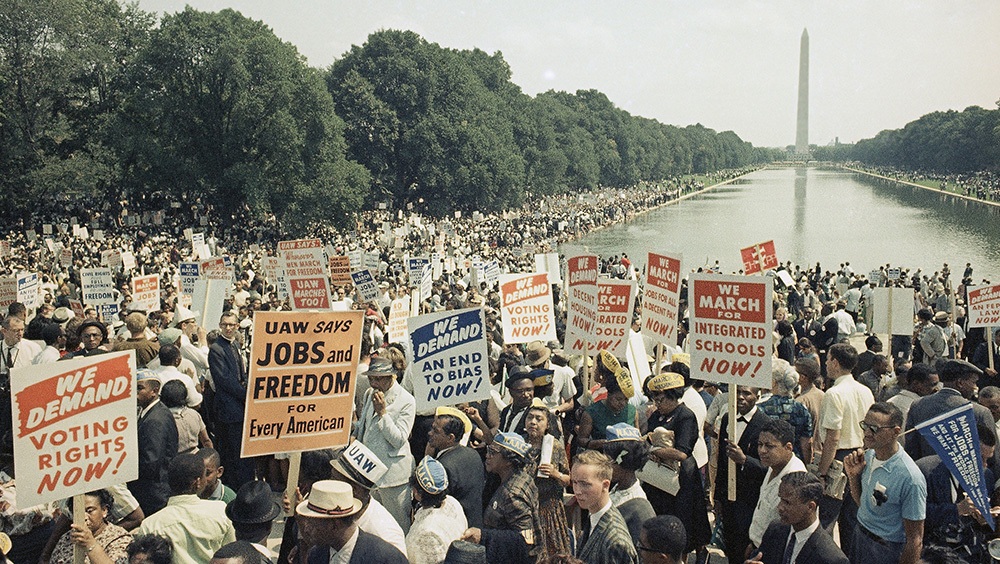
How do the visual elements in this image of protestors contribute to its overall message about social justice, and what emotions or actions might it evoke in viewers?
Rationale Behind the Question
This question encourages learners to dissect the image by identifying and analyzing key visual components such as body language, symbols, and composition. It prompts them to interpret how these elements collectively convey messages related to social justice. Additionally, by asking about the emotions or actions the image might evoke, the question fosters an understanding of the intended impact on the audience, highlighting the persuasive power of visual media in social movements.
Implementing the Question in Educational Settings
Integrating such questions into classroom discussions or assignments can significantly enhance learners' analytical skills and their ability to engage with visual media critically. Educators can use this approach to facilitate discussions on topics like civil rights, environmental activism, or political movements, providing a structured method for students to explore and understand complex societal issues through imagery.
Facilitating Deeper Discussions
By guiding students to analyze protest images through thoughtfully crafted questions, educators can foster deeper discussions about the causes, methods, and impacts of various social movements. This not only enhances visual literacy but also encourages empathy and a nuanced understanding of different perspectives within societal debates.
Assessing Critical Thinking Skills
Medium-level questions serve as effective tools for assessing students' critical thinking and interpretive abilities. Through their responses, educators can gauge how well students can deconstruct visual information, link it to broader contexts, and articulate their analyses coherently.
Advanced Strategies for Question Development
Incorporating Comparative Analysis
To further challenge learners, questions can be designed to prompt comparative analysis between different protest images. This encourages students to identify similarities and differences in messaging, symbolism, and emotional tone, fostering a more comprehensive understanding of protest dynamics across various contexts.
Example Comparative Question
Compare the visual elements in this image of protestors with another protest image from a different time or location. How do the differences in symbols, body language, and composition reflect the unique objectives and cultural contexts of each protest?
Integrating Historical Context
Including historical context in questions adds depth to the analysis. Educators can prompt students to consider how the historical moment influences the visual representation of the protest, exploring how past events shape present movements.
Example Historical Context Question
Considering the historical period in which this protest took place, how do the visual elements in the image reflect the societal tensions and demands of that era?
Encouraging Personal Reflection
Questions that invite personal reflection can enhance engagement and personal connection to the material. By relating visual elements to students' own experiences or emotions, learners can develop a more meaningful understanding of the protest's impact.
Example Reflective Question
How does the depiction of protestors in this image resonate with your own experiences or perceptions of activism, and what aspects of the image evoke a personal emotional response?
Utilizing Visual Analysis in Diverse Educational Contexts
Visual analysis of protest images can be integrated across various disciplines, including history, social studies, art, and communication. This interdisciplinary approach enriches the learning experience, allowing students to appreciate the multifaceted nature of social movements and the role of visual media in shaping public discourse.
Application in History Classes
In history courses, analyzing protest images can provide tangible connections to historical events, offering students a visual perspective that complements textual narratives. Questions can be tailored to explore the historical significance and outcomes of the protests depicted.
Integration in Art and Media Studies
For art and media studies, protest images serve as examples of visual rhetoric and propaganda. Questions can focus on the artistic elements, media strategies, and communication effectiveness employed in the imagery.
Relevance in Social Studies and Communication
In social studies and communication courses, discussing protest images can facilitate conversations about civic engagement, free speech, and the power of imagery in mobilizing public opinion. Questions can encourage students to consider the ethical implications and responsibilities of using visual media in activism.
Conclusion
Crafting medium-level questions for images of protestors protesting involves a nuanced understanding of visual elements, their connection to broader social themes, and the capacity to inspire critical analysis. By focusing on body language, symbols, and composition, educators can guide learners to interpret and evaluate the messages conveyed through protest imagery effectively. These questions not only enhance visual literacy but also foster a deeper appreciation of the role of protests in shaping societal change. Implementing such questions across diverse educational contexts can significantly enrich the learning experience, promoting informed and empathetic perspectives among students.
References
- Kids On The March Discussion Guide
- ESL Discussions on Protests
- Harvard GSE on Student Protests
- Education Week Teaching Resources
- Protesting: A Talking Points Lesson Plan
- ESL Conversation Topics - Protests
- The New Yorker on Protesters
Last updated February 11, 2025