
The Messiah's Rooftop Proclamation: Unveiling an Ancient Prophecy and Its Rich Interpretations
Delving into Chazal's profound insights on the Yalkut Shimoni's depiction of Moshiach's dramatic announcement of redemption.
The Yalkut Shimoni, a monumental compilation of Midrashic teachings, contains a vivid and oft-discussed passage describing the King Moshiach's (Messiah's) revelation. This prophecy, where Moshiach stands upon the roof of the Beis Hamikdash (Holy Temple) to announce the impending Geulah (redemption), has been a subject of deep contemplation and commentary by Sages (Chazal) and later commentators (Meforshim) throughout generations. We will explore their interpretations of the powerful Hebrew text you provided.
Highlights of the Prophetic Vision
- Moshiach's Public Declaration: The prophecy emphasizes a direct and public announcement of redemption from a prominent, visible location – the roof of the Beis Hamikdash.
- Address to the "Humble Ones": The message is specifically directed towards the "Anavim" (humble ones), highlighting the spiritual prerequisite of humility for experiencing redemption.
- The Manifestation of Light: A key element is the "light" (אורי) that Moshiach will reveal as undeniable proof of the Geulah, dispelling doubt and illuminating the world.
The Prophetic Scene: Yalkut Shimoni's Vision
The Original Text and Translation
The passage you referred to, often cited from Yalkut Shimoni (Nach, Remez 499, or in connection with Isaiah 60:1, Remez 499 [תצ"ט]), states:
שְׁנוּ רַבּוֹתֵינוּ: בְּשָׁעָה שֶׁמֶּלֶךְ הַמָּשִׁיחַ בָּא, עוֹמֵד עַל גַּג בֵּית הַמִּקְדָּשׁ וְהוּא מַשְׁמִיעַ לָהֶם לְיִשְׂרָאֵל וְאוֹמֵר: "עֲנָוִים, הִגִּיעַ זְמַן גְּאֻלַּתְכֶם! וְאִם אֵין אַתֶּם מַאֲמִינִים, רְאוּ בְּאוֹרִי שֶׁזָּרַח עֲלֵיכֶם."
Our Rabbis taught: When the King Moshiach comes, he stands on the roof of the Beis Hamikdash (Temple) and he makes heard to the people of Israel and says, “Humble ones, the time for your redemption has arrived. And if you do not believe, see my light that shines upon you.”
This Midrash paints a dramatic picture of the dawn of redemption, emphasizing direct divine intervention and communication.
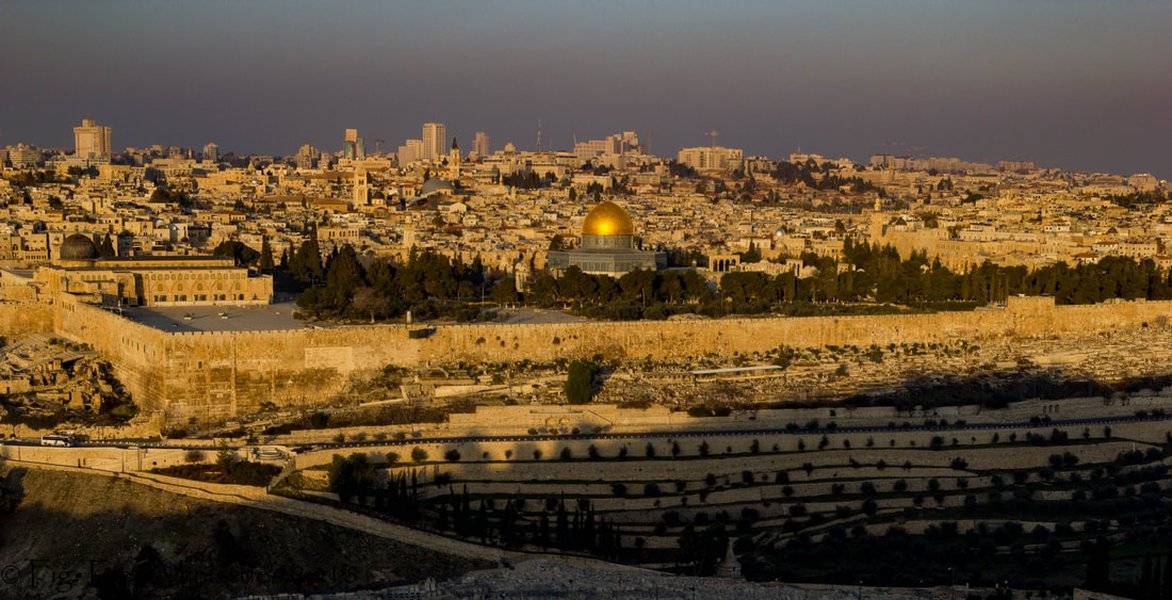
Sunrise over the Temple Mount, reminiscent of the "light" Moshiach will reveal.
Significance in Midrashic Literature
The Yalkut Shimoni, compiled by Rabbi Simeon ha-Darshan of Frankfurt in the 13th century (though some scholars place it between the 11th and 14th centuries), is an invaluable anthology of earlier Midrashic interpretations of the Tanakh (Hebrew Bible). This particular passage encapsulates long-held Jewish hopes and beliefs concerning the Messianic era, drawing upon themes of divine revelation, the rebuilding of the Temple, and the spiritual qualities necessary to witness the Geulah.
Decoding the Elements: Interpretations from Chazal and Meforshim
Classical Jewish commentators have extensively analyzed each component of this powerful Midrash.
The King Moshiach's Arrival: Timing and Context
Preceding Signs and Global Turmoil
The arrival of Moshiach is often associated with preceding tumultuous events. The Yalkut Shimoni itself (elsewhere, e.g., on Isaiah, Remez 499) speaks of a time when "the kings of all the nations of the world will challenge one another." Some interpretations connect this to specific geopolitical conflicts, suggesting that these events may serve as a catalyst, compelling people to turn to Hashem in prayer and repentance (teshuvah), which is seen as a prerequisite for salvation.
Stages of Revelation
The Lubavitcher Rebbe, Rabbi Menachem Mendel Schneerson, offered insights into the process of Moshiach's revelation. He distinguished between "the year in which Moshiach is revealed" – potentially an initial, more private awareness of his identity – and "the hour in which the King Moshiach comes," which signifies the transcendent moment of public recognition. The Rebbe suggested that in 1991 (5751), a significant stage of Moshiach's inner revelation (the "yechida of the yechida") had occurred, fulfilling aspects of the Yalkut Shimoni's prophecy, even while the full public Geulah was still anticipated.
"He Stands on the Roof of the Beis Hamikdash": Symbolism and Halachic Perspectives
The choice of the Temple's roof as the site for this proclamation is laden with meaning.

The Temple Mount, the sacred site where the Beis Hamikdash stood and will be rebuilt.
Why the Roof? A Platform of Universal Proclamation
Commentators explain that the roof symbolizes:
- Visibility and Accessibility: A high, open place ensuring the message reaches all. In ancient Israel, roofs were sometimes used for public gatherings.
- Elevated Spiritual Leadership: Moshiach's position signifies his supreme spiritual authority.
- Universal Scope: Some interpret standing on the roof, an area that may have different sanctity levels than the core sanctuary, as indicating a redemption that extends its influence broadly, potentially even to areas or aspects not fully consecrated, hinting at a global impact.
Sanctity and Structure: Rambam's View
The Rambam (Maimonides), in his *Mishneh Torah* (Hilchos Beis Habechirah 4:3), notes that "roofs... do not become sanctified" in the same way as the inner sancta of the Temple. This has led some, including the Lubavitcher Rebbe, to explain that Moshiach standing on the roof could signify a revelation that encompasses even aspects beyond the traditionally sacred, or that it refers to a part of the Temple complex that is not Kodesh (holy), thereby making the message accessible to all, including those "outside" in a spiritual sense. Furthermore, the Sifri (a halakhic Midrash) mentions that "When you build a new house, you shall make a guardrail for your roof," teaching that the roof of the Beis HaMikdash itself requires a guardrail, implying it is a functional and accessible part of the structure.
The Third Temple: Divine and Human Roles
The Midrash presumes the existence of the Beis Hamikdash. Discussions among commentators like the Shoshanim L'David consider whether the Third Temple will be built miraculously by Heaven or through human agency with Divine assistance. The act of studying and yearning for the Temple is itself considered significant; as the Midrash Tanchuma (Tzav, 14) states, "And in reward for its reading, that they occupy themselves to read about it, I count it for them as if they were occupied with the building of the [Temple]."
This video discusses various perspectives on the building of the Third Beis Hamikdash, a central element in Messianic prophecies.
"Humble Ones, The Time of Your Redemption Has Arrived": The Audience and the Message
The Significance of Humility (Anavim)
Moshiach’s specific address to the "Anavim" (עֲנָוִים - humble ones) is a crucial detail. This emphasizes that:
- Humility is a key spiritual virtue and a prerequisite for truly embracing the redemption.
- The Geulah is primarily for those who have maintained their faith and humility throughout the long and arduous exile.
- The Jerusalem Talmud (Sukkah 52b) also speaks of the "ananim" (interpreted as humble and contrite) as those who will authentically recognize and welcome Moshiach.
The Long-Awaited Geulah
The declaration "הִגִּיעַ זְמַן גְּאֻלַּתְכֶם" (The time for your redemption has arrived) marks the culmination of millennia of Jewish hope, prayer, and perseverance. Chazal and the Rambam stress that it's not enough to merely believe in the Geulah; one must actively hope and yearn for it, as this anticipation itself can hasten its arrival. This fosters what some call "Geulah consciousness," an awareness that separation and negativity are illusions and that ultimately, all is One with the Divine.
"See My Light That Shines Upon You": The Undeniable Proof
Nature of the Messianic Light (Ori)
The "light" (אוֹרִי - Ori) that Moshiach reveals serves as irrefutable proof for any remaining doubters. This light is understood as:
- A Divine Manifestation: A tangible, miraculous, and spiritual illumination signifying the Divine Presence (Shechinah) returning in full glory.
- Fulfillment of Prophecy: Directly echoing Isaiah 60:1: "Arise, shine, for your light has come, and the glory of the LORD has risen upon you" (קוּמִי אוֹרִי כִּי בָא אוֹרֵךְ וּכְבוֹD ה' עָלַיִךְ זָרָח).
- Constant and Enduring: Rabbi Yochanan, as cited in Midrashic literature, compared this Messianic light to a flame that, unlike earthly lights that may flicker, will be constant and unextinguished, permanently dispelling darkness and disbelief.
- Universal Illumination: Sources like the Zohar and Midrash Tanchuma state that "The light of Moshiach will illuminate the whole world."
Overcoming Doubt and Darkness
This Divine light will be so powerful and evident that it will resolve all doubts and skepticism. It symbolizes the ultimate triumph of truth, holiness, and divine revelation over the forces of concealment and disbelief that characterize the period of exile.
Comparative Insights: Themes in Messianic Redemption
The Messianic redemption, as envisioned in Jewish tradition and highlighted by this Yalkut Shimoni passage, encompasses various interconnected themes. The following chart offers a comparative perspective on some of these facets, reflecting common understandings derived from classical sources.
This radar chart visualizes the perceived emphasis on different facets of the Messianic era, comparing how the specific Yalkut Shimoni passage might highlight them versus broader Kabbalistic interpretations or general popular expectations. The scores (1-5) are illustrative, representing relative prominence rather than absolute measures.
Visualizing the Prophecy: A Mindmap of Key Concepts
The core elements of this Yalkut Shimoni passage and its associated interpretations can be visualized to better understand their interconnectedness:
This mindmap illustrates the central figure of Moshiach, his chosen location for the announcement, the specific audience, the core message of redemption, and the confirming sign of divine light, along with some of the key sources for these interpretations.
Key Commentaries at a Glance
The following table summarizes some of the principal interpretations from Chazal and Meforshim regarding this significant Midrash:
| Commentator/Source | Key Interpretation Point(s) |
|---|---|
| Yalkut Shimoni (Primary Text) | Moshiach stands on Temple roof, announces redemption to the "humble ones," and shows his "light" as proof. |
| Rambam (Maimonides) | Notes that Temple roofs generally do not possess the same level of sanctity as interior spaces (Hilchos Beis Habechirah 4:3). |
| Sifri | States that the roof of the Beis Hamikdash requires a guardrail, implying its physical reality and intended use/accessibility. |
| Lubavitcher Rebbe | Interpreted the roof as potentially a non-Kodesh (non-sacred) area, symbolizing a broad revelation. Distinguished stages in Moshiach's revelation. Emphasized the entire building of the Beis Hamikdash, including its roof. |
| Midrash Tanchuma | States that studying about the Beis Hamikdash is akin to participating in its construction (Tzav 14). Also mentions the all-encompassing "light of Moshiach." |
| Rabbi Yochanan (cited in Midrash) | Compared Moshiach's light to an unflickering, constant flame, ensuring enduring illumination. |
| General Midrashic Theme | The "humble ones" (Anavim) are specifically addressed, emphasizing humility as a key to redemption. The "light" is a recurring motif of divine presence and proof. |
The Transformed World: Glimpses of the Messianic Era
Beyond this specific proclamation, Chazal describe a profound transformation of reality in the Messianic era. For instance, other passages in the Yalkut Shimoni speak of a time when nature itself will attest to Divine will. One such Midrash (on Nach 736, sometimes cited as Yirmiyah 315) strikingly illustrates this: "If – in the Times of Moshiach – one will want to do the forbidden act of picking a fig on Shabbos, the fig will 'scream' at him to stop." Another (on Yirmiyah 315) says that "in the future, even a stone in the wall will cry out and a beam from the tree will respond." These teachings highlight a world suffused with divine consciousness, where the truth of G-d's presence is manifest in all aspects of creation.
Frequently Asked Questions (FAQ)
What is the Yalkut Shimoni?
Why does Moshiach specifically address the "humble ones" (Anavim)?
What does the "light" (אורי - Ori) that Moshiach shows symbolize?
Why is the roof of the Beis Hamikdash chosen as the location for this announcement?
Conclusion
The Yalkut Shimoni's prophecy of Moshiach standing on the roof of the Beis Hamikdash is a potent and cherished image within Jewish tradition. It encapsulates the fervent hope for a future redemption characterized by clear divine revelation, the rectification of the world, and the ultimate recognition of G-d's sovereignty. The interpretations from Chazal and Meforshim enrich our understanding of this passage, highlighting the profound spiritual dynamics at play: the necessity of humility, the undeniable power of divine light as proof, and the transformative nature of the Geulah. This ancient teaching continues to inspire faith and anticipation for the era when "the glory of the LORD shall be revealed, and all flesh shall see it together" (Isaiah 40:5).
Recommended Further Exploration
- What are the other signs of Moshiach's coming according to Jewish tradition?
- Explore the concept of the Third Temple in Jewish thought and its significance.
- How do different Jewish commentators interpret the role of humility in achieving redemption?
- What is the nature of the 'Messianic light' as described in Kabbalah and Chassidic thought?
Referenced Search Results
 images.shulcloud.com
 jewishbubba.blogspot.com
 parsha.blogspot.com