
The Role of Neurolinguistics in Speech and Language Disorders
Exploring how neural mechanisms impact language impairments
Key Highlights
- Neural Basis and Precise Diagnoses: Understanding how brain damage affects language enables accurate diagnosis and targeted interventions.
- Innovative Therapeutic Approaches: Techniques such as Melodic Intonation Therapy and neuroplasticity-based interventions transform treatment plans.
- Interdisciplinary Integration: Combining neuroscience, linguistics, and cognitive science leads to holistic assessment and rehabilitation.
Introduction
Neurolinguistics is an interdisciplinary field that investigates the interplay between language and the brain. Through the study of neural processes underlying language comprehension, production, and acquisition, neurolinguistics offers profound insights into speech and language disorders. These disorders, which encompass conditions such as aphasia, apraxia of speech, dyslexia, and various developmental language disorders, are influenced by disruptions in the typical neural connectivity and functioning. This article explores how neurolinguistics affects speech and language disorders, presenting a detailed analysis of diagnostic methodologies, therapeutic interventions, and the role of neuroplasticity in recovery.
Understanding the Neural Underpinnings of Language Disorders
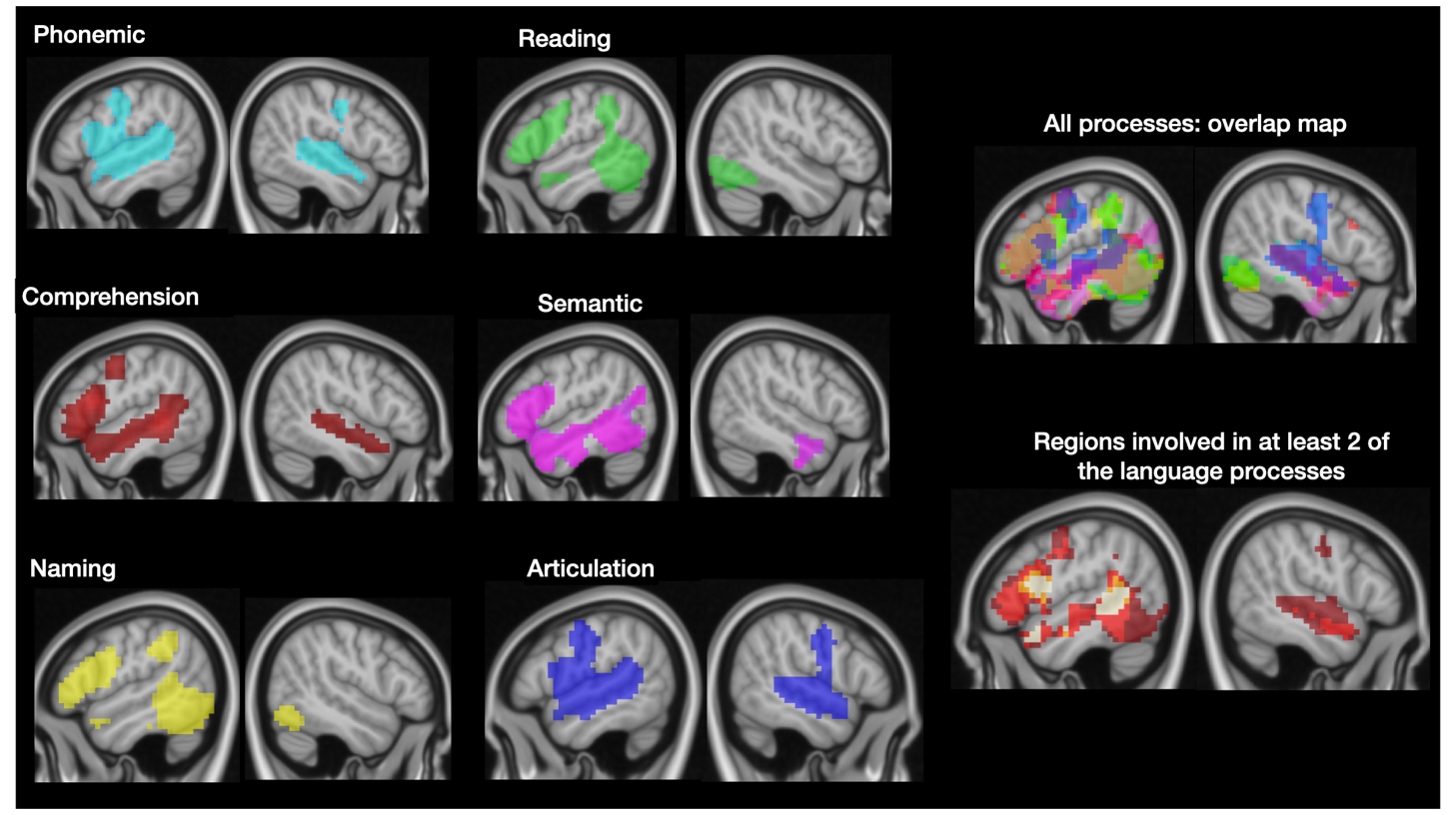
One of the first steps in addressing speech and language disorders is understanding how the brain normally processes language. Neurolinguistics examines the networks and brain regions involved, including well-known areas like Broca's area and Wernicke's area. Damage or dysfunction in these regions can lead to various types of language impairments.
Neural Basis of Speech and Language Processing
The brain houses intricate networks that manage different aspects of language:
-
Language Representation:
Language functions are distributed across several interconnected regions. Neurolinguistic research examines how semantic, syntactic, and phonological information is encoded and processed in these areas. This distributed view helps explain why lesions in distinct parts of the brain can result in varied language deficits.
-
Brain Imaging Techniques:
Techniques such as functional magnetic resonance imaging (fMRI), electroencephalography (EEG), and event-related potentials (ERP) are critical for visualizing brain activity during language tasks. These tools allow clinicians and researchers to see which brain regions are active or disrupted in patients with language disorders, thereby aiding in precise diagnoses.
Language Disorders Explained
Speech and language disorders arise when there is damage or dysfunction in these neural networks. Among the most studied are:
-
Aphasia:
Aphasia is perhaps the most prominent language disorder, typically resulting from strokes or brain injuries that damage regions responsible for language processing. Patients experience difficulties in increasingly understanding spoken language, speaking coherently, and sometimes even in reading or writing. Neurolinguistic assessments determine the exact nature and severity of aphasia by mapping the affected cortical areas.
-
Apraxia of Speech:
This motor disorder affects a person's ability to produce the precise movements required for speech. Neurolinguistic studies show that damage to specific neural circuits involved in motor planning can lead to apraxia. Detailed assessments using neuroimaging help differentiate apraxia from other types of motor speech disorders.
-
Dyslexia and Developmental Language Disorders:
Disorders like dyslexia, which affects reading ability, and other developmental language disorders are linked to atypical neural processing of written and spoken language. Investigations into these conditions have revealed patterns of neural activation that differ from the typical brain, providing insights into early diagnosis and intervention strategies.
Diagnostic Advances in Neurolinguistics
Diagnostic procedures in neurolinguistics have evolved alongside advancements in neuroimaging and electrophysiological techniques. These diagnostic tools are essential for identifying which areas of the brain have been affected by injury or developmental issues.
Neuroimaging in Diagnosis
Neuroimaging allows for the observation of brain function in real time. Tools such as fMRI provide visual representations of brain activity during language tasks. Such imaging helps clinicians:
-
Localize Brain Damage:
By assessing which brain regions are activated or impaired during language tasks, clinicians can identify the exact area impacted by stroke or trauma, making the diagnosis of disorders like aphasia more accurate.
-
Tailor Treatment Strategies:
Detailed imaging informs personalized intervention plans. Understanding the neural basis of a particular disorder allows therapists to focus on compensatory mechanisms and rehabilitation strategies that leverage unaffected brain regions.
Electrophysiological Techniques
Complementary to imaging, techniques such as EEG and ERP measure the brain's electrical activity. These methods provide valuable temporal information about how quickly the brain responds to language stimuli and can detect subtle dysfunctions not visible in structural imaging.
Comprehensive Diagnostic Methods Table
| Technique | Purpose | Applications |
|---|---|---|
| fMRI | Mapping brain activation | Aphasia diagnosis, language network analysis |
| EEG | Monitoring electrical activity | Identifying temporal dynamics in language processing |
| ERP | Recording event-related potentials | Understanding timing of language processing |
| DTI | Tracking white matter tracts | Assessing structural connectivity disruptions |
Therapeutic Interventions Informed by Neurolinguistics
Interventions for speech and language disorders are significantly shaped by neurolinguistic research. A clearer understanding of the neural deficits underlying these conditions allows for the development of both traditional and innovative therapies.
Personalized Treatment Plans
One of the most significant contributions of neurolinguistics is the creation of personalized treatment plans. By mapping individual deficits through neuroimaging and electrophysiological tests, clinicians can design tailored interventions. This customization increases the likelihood of successful rehabilitation by targeting specific neural pathways.
Innovative Therapy Techniques
Several therapy techniques have emerged as a direct consequence of neurolinguistic research:
-
Melodic Intonation Therapy (MIT):
MIT leverages musical elements such as melody and rhythm to improve speech production, particularly in patients with non-fluent aphasia. The therapy utilizes the brain's right hemisphere, often less affected by stroke, to facilitate language recovery.
-
Neuroplasticity-Driven Interventions:
Understanding neuroplasticity—the brain's capacity to rewire itself—has led to therapeutic strategies that encourage compensation and the re-establishment of neural networks. Intensive speech and language therapy, repetition, and use of technology such as computer-aided exercises facilitate recovery.
Clinical Applications and Extended Interventions
In clinical settings, neurolinguistic principles are applied not only to diagnosis but also throughout the continuum of care. Speech-language pathologists utilize data derived from neurolinguistic assessments to continually adjust interventions. This dynamic approach ensures that therapy remains responsive to changes in the patient’s progress.
Interdisciplinary Collaboration
Neurolinguistics resides at the intersection of several scientific disciplines, making interdisciplinary collaboration a key component. By integrating insights from neuroscience, linguistics, cognitive science, and neuropsychology, professionals can approach speech and language disorders from multiple perspectives.
Collaborative Research Efforts
Collaborative research projects have yielded a layered understanding of language disorders. Researchers from different fields combine methodologies, from advanced neuroimaging to behavioral testing, providing a robust framework for understanding the complex nature of these conditions. This interdisciplinary synergy not only refines diagnostic criteria but also promotes innovative therapeutic strategies.
Educational and Training Impacts
The integration of neurolinguistics into the training of speech-language pathologists and clinicians ensures that treatment strategies are grounded in the latest scientific findings. Continuing education on the neural bases of language disorders enables practitioners to stay at the forefront of emerging therapies, ultimately leading to better patient outcomes.
Research and Evolution in Neurolinguistics
Neurolinguistics is a rapidly evolving field. Ongoing research continuously enhances our understanding of how language is represented in the brain and how the neural networks adapt after injury or during developmental phases. The evolution of diagnostic tools such as high-resolution imaging and sophisticated data analysis methods continues to push the boundaries of clinical neuroscience.
Exploration of Neuroplasticity
Neuroplasticity is a central concept in modern neurolinguistics. Research has demonstrated that the brain is capable of reorganizing itself following injury, and therapeutic interventions can effectively harness this potential. This understanding has inspired techniques that focus on repetitive practice, intensive therapy, and even novel approaches like virtual reality for language rehabilitation.
Language Acquisition and Recovery Studies
How language is acquired in childhood and how adults recover language functions after brain injury are two critical areas of investigation. Studies indicate that early diagnosis and intervention in developmental language disorders can drastically alter the neurological trajectory, leading to improved long-term outcomes. Likewise, research on adult language recovery post-injury informs therapeutic strategies, emphasizing the importance of early rehabilitation.
Future Directions and Challenges
While neurolinguistics has provided significant insights into speech and language disorders, several challenges and future directions remain. These include:
Challenges
-
Variability in Brain Injury:
Treatment efficacy may vary greatly based on the nature, size, and location of the brain injury. This complexity necessitates continuous innovation in diagnostic and therapeutic methodologies.
-
Access to Advanced Diagnostic Tools:
Although advanced neuroimaging and electrophysiological techniques offer critical insights, they are not universally available. Increasing access to these tools remains a priority for improving diagnoses globally.
-
Integration of Multilingual Contexts:
Many individuals with speech and language disorders belong to multilingual societies. Understanding how various languages and distinct linguistic structures are represented in the brain is a continuing challenge that requires expanded research.
Future Research Directions
Continued integration of new technologies and a more substantial interdisciplinary framework will likely pave the way for groundbreaking advances in the treatment and rehabilitation of language disorders. Research focusing on personalized medicine, incorporating genetic factors along with neural imaging data, could revolutionize the way speech and language disorders are treated.
Conclusion
The role of neurolinguistics in speech and language disorders is multifaceted and fundamental. By unraveling the neural mechanisms underlying language processing, clinicians and researchers have developed precise diagnostic tools that localize brain damage and inform tailored therapeutic interventions. The use of innovative techniques such as neuroimaging, EEG, and specialized therapies like Melodic Intonation Therapy exemplify how scientific insights translate into practical treatment methods that improve patient outcomes.
Additionally, the interdisciplinary nature of neurolinguistics has strengthened the frameworks through which speech and language disorders are understood, assessed, and treated. As research continues to evolve, the contributions from neurolinguistics are set to enhance the efficacy and personalization of treatments even further, ultimately offering renewed hope and improved quality of life for individuals affected by these complex disorders.
References
- The Role of Neurolinguistics for Language and Speech Disorders - Taylor & Francis Online
-
Neurolinguistics Overview - ScienceDirect
- Neurolinguistics Resource - Linguistic Society of America
- Neurolinguistics Explained - StudySmarter
- The Role of Neurolinguistics for Language and Speech Disorders - ResearchGate
- Neurolinguistics in Language Disorders - Academia.edu
Recommended Queries
Last updated February 26, 2025