
The Role of Neurolinguistics for Language and Speech Disorders
Exploring the Intersection of Brain, Language, and Therapeutic Intervention
Highlights
- Interdisciplinary Nexus: Neurolinguistics integrates neuroscience, linguistics, and cognitive sciences to elucidate language processing in the brain.
- Clinical Impact: Advances in diagnostic tools and targeted therapies, such as Melodic Intonation Therapy, improve outcomes for language disorders.
- Innovative Research: Cutting-edge neuroimaging and computational modeling unlock insights into neural plasticity and second language acquisition.
Introduction
Neurolinguistics is a fascinating and interdisciplinary field that bridges the gap between brain science and language studies. It seeks to understand the neural mechanisms that underlie language comprehension, production, and acquisition. By combining insights from linguistics, neuroscience, cognitive psychology, and clinical practice, neurolinguistics provides valuable information to address language and speech disorders. This extensive exploration not only contributes to academic understanding but also carries significant practical implications for diagnosis, treatment, and rehabilitation.
Foundations of Neurolinguistics
Historically, neurolinguistics emerged from the study of brain-damaged patients, most notably through the work of pioneers who identified areas such as Broca's and Wernicke's regions. These early findings laid the groundwork for understanding how various brain areas contribute to language functions. Today, the field has evolved considerably, encompassing a variety of innovative techniques to examine the neural networks involved in language.
Modern Perspectives
Modern neurolinguistics utilizes advanced imaging techniques such as functional magnetic resonance imaging (fMRI), positron emission tomography (PET), and magnetoencephalography (MEG) to visualize the real-time processing of language in the brain. These tools have revealed that language is not restricted to a few isolated regions but involves integrated networks that span multiple areas of the cortex and subcortex. This comprehensive view has led to a better understanding of both the normal mechanisms of language processing and the varied manifestations of language disorders.
Analytical Procedures and Techniques
Neuroimaging and Electrophysiological Methods
One of the most significant strides in neurolinguistics has been the development and application of neuroimaging and electrophysiological techniques. These methods are pivotal in mapping the neural substrates of language:
Functional Magnetic Resonance Imaging (fMRI)
fMRI is used to measure brain activity through changes in blood flow. During language tasks, regions of the brain light up, allowing researchers to pinpoint where linguistic processes occur. This has enhanced the diagnostic precision for various language disorders, such as aphasia, by revealing the affected regions.
Electroencephalography (EEG) and Event-Related Potentials (ERP)
EEG and ERP methods capture the time course of neural activity, offering insights into the speed and sequence of language processing. These techniques help in understanding how quickly the brain reacts to linguistic stimuli and how neural circuits communicate during language tasks.
Positron Emission Tomography (PET)
PET scans provide metabolic information about brain areas engaged in language processing. This method is especially useful in studying metabolic changes in patients with degenerative conditions affecting language.
Lesion Studies and Computational Models
Lesion studies in neurolinguistics involve examining language deficits following brain injury. These investigations have historically informed the localization of language functions and continue to refine our understanding of how different brain regions collaborate in language processing. In parallel, computational models simulate language processing and pathology, offering predictive insights that can be translated into therapeutic strategies.
Language and Speech Disorders: A Neurolinguistic Perspective
Neurolinguistics plays a crucial role in the diagnosis and understanding of language and speech disorders. By analyzing the neural basis of these disorders, clinicians can design effective, individualized treatment plans that address specific deficits.
Types of Language Disorders
Aphasia
Aphasia is perhaps the most studied language disorder within neurolinguistics. It typically results from brain injuries such as strokes, and it manifests in various forms including Broca’s aphasia, characterized by impaired speech production, and Wernicke’s aphasia, marked by challenges in language comprehension. Neurolinguistic approaches identify the precise neural disruptions involved, enabling the development of targeted therapies.
Developmental Language Disorders
Beyond acquired conditions, neurolinguistics also addresses developmental language disorders, which affect language acquisition from early childhood. By studying these disorders with neuroimaging and behavioral assessments, researchers can design early interventions that promote more effective language development, consequently mitigating long-term impacts.
Dyslexia
Dyslexia is a reading disorder characterized by difficulty in processing written language. Neurolinguistic studies have revealed that dyslexia is associated with disruptions in the processing networks of the brain, influencing both visual perception and phonological processing. Identifying these neural correlates facilitates the creation of remedial programs aimed at reinforcing the disrupted pathways.
Stuttering and Apraxia of Speech
Stuttering and speech apraxia are disorders that influence the fluidity and coordination required for speech production. Neurolinguistic research into these conditions helps in understanding the timing and coordination deficits within the neural circuits. Such insights pave the way for developing strategies that improve speech initiation and fluency, enhancing the quality of life for affected individuals.
Applications in Diagnosis and Treatment
The practical applications of neurolinguistic research are immense and far-reaching. Clinicians now use insights from this field to develop specialized diagnostic tools and therapeutic interventions that are tailored to individual patient needs.
Diagnostic Tools
Thanks to advanced neurotechnological innovations, clinicians are now better equipped to diagnose language disorders accurately. Functional brain imaging and electrophysiology tests allow doctors to pinpoint specific areas of dysfunction. This deep understanding not only enhances diagnostic accuracy but also informs which therapeutic approach might yield the best recovery prospects.
Therapeutic Interventions
Targeted therapies such as Melodic Intonation Therapy (MIT) have emerged directly from neurolinguistic research. MIT leverages the musical elements of language, utilizing melody and rhythm to stimulate the less-affected right hemisphere in patients with non-fluent aphasia. Other interventions, like constraint-induced methods and computer-assisted therapeutic applications, are designed based on the principles of neuroplasticity – the brain's ability to reorganize itself in response to injury.
The understanding of neuroplasticity is central to modern rehabilitation approaches. For example, therapists often incorporate exercises that engage multiple modalities of language use, combining reading, writing, and speaking drills to reinforce neural pathways. These methods not only restore lost functions but also encourage the establishment of new connections, significantly aiding recovery.
Second Language Acquisition
An interesting aspect of neurolinguistics is its application to second language (L2) acquisition. Research in this area explores how learning a new language affects the neural architecture of the brain. It reveals that the acquisition of a second language can lead to structural and functional changes, sometimes involving the recruitment of alternative neural networks to compensate for increased cognitive load. These findings have implications for both educational practices and clinical remediation, particularly in cases where bilingual individuals experience language deficits following neurological insult.
Innovative Research and Future Directions
The field of neurolinguistics is continually propelled forward by cutting-edge research that explores new treatment methods and deepens our understanding of language processing. Current studies are not only refining traditional models of language localization but are also highlighting the distributed and dynamic nature of language networks in the brain.
Advancements in Neuroimaging
With continuous advancements in neuroimaging technology, researchers are now able to capture high-resolution images of neural activity during language tasks. These technologies facilitate the tracking of brain responses over time and under different cognitive loads, thereby enhancing our understanding of how various neural circuits contribute to language processing. The improved spatial and temporal resolution of these imaging tools supports more nuanced and targeted therapeutic interventions.
Computational Modeling and Simulation
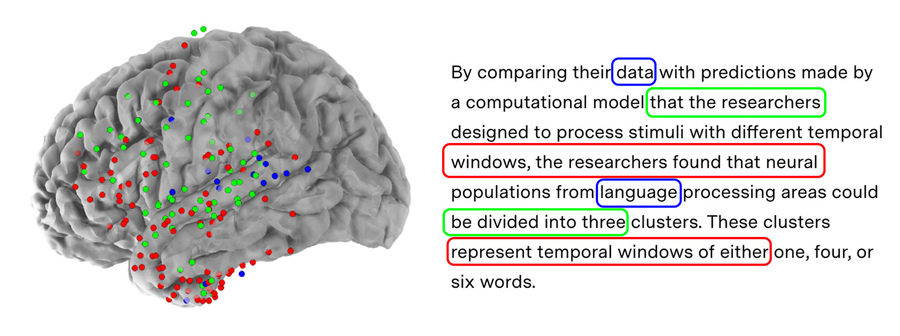
In addition to imaging techniques, computational modeling plays a critical role in neurolinguistics. By simulating language processing through computer models, researchers are able to test hypotheses about neural connectivity and functionality in controlled digital environments. Such models have proven useful for predicting treatment outcomes and for exploring how language networks might reorganize in response to therapy.
Exploring Genetic and Environmental Interactions
Recent studies also focus on the interplay between genetic factors and language processing. Understanding genetic predispositions towards certain language disorders can help in early diagnosis and in the development of personalized treatment protocols. Coupled with environmental factors, such as early educational experiences, neurolinguistic research is on the frontier of personalized medicine for language disorders.
Comparative Analysis of Neurolinguistic Techniques
The following table provides a comparative analysis of the key techniques used in neurolinguistic research and their core applications in studying language disorders:
| Technique | Description | Primary Application |
|---|---|---|
| fMRI | Measures blood flow changes related to neural activity | Mapping brain regions during language tasks, diagnosing aphasia |
| EEG/ERP | Captures electrical activity with high temporal resolution | Tracking the time course of language processing and response speed |
| PET | Records metabolic processes using radioactive tracers | Studying metabolic changes in degenerative language disorders |
| Lesion Studies | Investigates patients with specific brain injuries | Correlating specific brain regions with language deficits |
| Computational Modeling | Simulates neural circuits using computer algorithms | Predicting outcomes and modeling language network reorganization |
Clinical Implications and Therapeutic Innovations
Neurolinguistic research has profound clinical implications. Through rigorous examination of how language is processed in the brain, clinicians are better able to design tailored interventions that address the individual needs of patients. The integration of neuroimaging and computational analysis has revolutionized the way language disorders are diagnosed, leading to a more detailed and accurate understanding of the underlying neurological disruptions.
Tailored Intervention Strategies
Effective treatment strategies are grounded in the accurate diagnosis of language impairments. Neurolinguistics has contributed to the development of methods that clarify whether language deficits stem from motor impairments, cognitive processing problems, or disruptions in neural connectivity. This clarity allows clinicians to craft interventions that may include intensive speech therapy, technology-aided rehabilitation, and even innovative techniques such as non-invasive brain stimulation.
Rehabilitation Through Neuroplasticity
Neuroplasticity, the ability of the brain to reorganize itself after injury, is a foundational concept in neurolinguistics. Through repeated therapeutic exercises and targeted interventions, patients can often regain lost language functions. Techniques such as constraint-induced language therapy encourage patients to use impaired language functions actively, thereby stimulating the reorganization of neural networks to compensate for damaged areas.
Challenges and Opportunities
While neurolinguistics has advanced considerably in understanding language and speech disorders, several challenges remain. Precisely mapping the complexity of language networks, understanding individual variability in recovery, and integrating findings from genetic studies are areas that continue to demand further research. Nonetheless, these challenges offer opportunities for future innovations that may lead to more sophisticated treatment models.
Integrative Approaches
One promising avenue is the integration of neurolinguistic research with complementary fields such as psychology, genetics, and computer science. Such interdisciplinary collaborations are instrumental in designing comprehensive rehabilitation programs that are personalized to the unique neurocognitive profiles of patients. This integrative approach enhances not only the diagnostic process but also the efficacy of therapeutic interventions.
Future Research Directions
Future directions in neurolinguistics are geared toward leveraging emerging technologies for enhanced understanding of language processes. High-resolution imaging, advanced machine learning algorithms in computational modeling, and genomics are set to play increasingly vital roles in this research domain. As these technologies mature, they will likely bring about more refined diagnostic criteria and novel therapeutic techniques that address a broader spectrum of language disorders.
Conclusion
In conclusion, neurolinguistics represents an essential interdisciplinary field that has revolutionized our understanding of language and speech disorders. By synthesizing insights from neuroscience, linguistics, and cognitive science, it has provided powerful diagnostic tools and therapy approaches that are tailored to individual patient needs. From the early days of localized brain function theories to modern high-resolution neuroimaging and computational models, the field has advanced our understanding of how language is processed and how disorders arise.
The clinical applications are both immediate and promising, with targeted therapies such as Melodic Intonation Therapy and constraint-induced methods demonstrating considerable success in rehabilitating patients with aphasia, dyslexia, and other language impairments. Moving forward, continued interdisciplinary collaboration and technological innovation will further refine these approaches, paving the way for personalized therapeutic interventions that harness the power of neuroplasticity. Overall, the integration of neurolinguistic research in both diagnostics and treatment strategies not only improves the quality of life of individuals with language disorders but also enriches our broader understanding of the complex and dynamic nature of human language.
References
- The Role of Neurolinguistics for Language and Speech Disorders - Academia.edu
-
The Role of Neurolinguistics for Language and Speech Disorders - Arbitrer
- The Role of Neurolinguistics for Language and Speech Disorders - ResearchGate
- Neurolinguistics - Wikipedia
- Neurolinguistics - StudySmarter
- Neurolinguistics in Modern Research - Taylor & Francis Online
-
Neurolinguistics Trends - ScienceDirect
-
Neurolinguistics and Language Disorders - PubMed Central
Recommended Further Exploration
Last updated February 25, 2025