
Unbox Your Brand Story: Designing Nordic Tigon's Scandinavian Activewear Packaging
Infuse your activewear packaging with minimalist aesthetics, sustainable choices, and authentic Nordic spirit.
Highlights: Key Considerations for Nordic Tigon Packaging
- Embrace Nordic Design Principles: Leverage minimalism, clean lines, functionality, and nature-inspired elements (colors, materials) central to Scandinavian aesthetics.
- Prioritize Sustainability: Choose eco-friendly materials like recycled paperboard or compostable options, minimize waste, and communicate your environmental commitment clearly.
- Focus on Brand Story & Unboxing: Ensure the packaging reflects Nordic Tigon's activewear identity and creates a memorable, positive experience for the customer upon opening.
Understanding Your Nordic Tigon Brand Identity
Defining the Core: Scandinavian Activewear
Your brand, Nordic Tigon, is built on the foundation of "Scandinavian Activewear," encouraging customers to "Embrace life, one stride at a time." This identity connects directly to core Nordic values: simplicity, high functionality, a deep respect for nature, and the pursuit of a balanced, active lifestyle. Your packaging is the first physical touchpoint for your customer and should tangibly convey these principles.
Translating Values into Packaging Goals
Before diving into design specifics, define clear objectives for your packaging:
- Functionality: The packaging must effectively protect your activewear items during shipping and handling. It should also be user-friendly – easy for customers to open and potentially reusable or easy to recycle.
- Aesthetics: Visually, the packaging needs to embody the Scandinavian design philosophy. This means embracing minimalism, using a refined color palette, and ensuring a clean, high-quality look and feel that aligns with premium activewear.
- Sustainability: Reflecting Nordic environmental consciousness, prioritize materials and processes that minimize ecological impact. This resonates strongly with modern consumer expectations, especially within the activewear market.
- Brand Communication: The packaging must clearly identify Nordic Tigon, reinforcing your brand name, logo, and potentially your tagline or core message in a way that integrates seamlessly with the overall design.
Embracing Nordic Design Principles
Scandinavian design is renowned worldwide for its unique blend of form and function. Applying these principles to your Nordic Tigon packaging will create a distinct and appealing brand presentation.
The Power of Minimalism
Minimalism is arguably the most defining characteristic of Nordic design. For your packaging, this translates to:
- Clean Lines & Uncluttered Layouts: Avoid excessive graphics, text, or ornamentation. Focus on a simple, elegant structure.
- "Less is More": Every design element should serve a purpose. Prioritize essential information and branding.
- Emphasis on Quality: Minimalist design often highlights the quality of the materials used for the packaging itself, conveying a sense of premium craftsmanship.
- Strategic Use of White Space: Ample negative space helps create a clean, sophisticated look and draws attention to key elements like your logo or product name.
Nature-Inspired Color Palette & Materials
The Nordic landscape offers a wealth of inspiration for colors and textures.

Minimalist packaging using natural tones, reflecting Nordic design principles.
- Colors: Opt for palettes drawn from nature – muted blues (sky, water), soft greens (forests), cool grays (stone, winter skies), earthy browns (wood, soil), and crisp whites (snow, minimalism). These create a calm, natural, and sophisticated feel.
- Materials: Choose materials that evoke a natural, tactile quality. Options include unbleached or recycled cardboard, high-quality paperboard with subtle textures, or even incorporating elements that hint at wood or stone through printing techniques.
Typography and Graphics
Clarity and simplicity extend to text and visual elements.
- Typography: Select clean, legible sans-serif fonts. The typography should feel modern, fresh, and professional without being overly decorative. Ensure good readability for all necessary information.
- Graphics & Motifs: If using graphics, keep them subtle and aligned with the Nordic theme. Consider simple line illustrations of natural elements (abstracted landscapes, leaves), geometric patterns inspired by traditional crafts, or perhaps minimalist icons representing activity or movement. Avoid clichés or overly literal representations.
- Logo Integration: Your Nordic Tigon logo should be clearly visible but integrated thoughtfully into the minimalist design, perhaps through embossing, debossing, or a single-color print.
Sustainability: A Core Nordic Value
Sustainability isn't just a trend; it's deeply ingrained in the Nordic way of life and design philosophy. Integrating eco-conscious practices into your packaging is crucial for brand authenticity and market appeal.
Choosing Eco-Friendly Materials
Explore materials that minimize environmental impact:
- Recycled & Recyclable Content: Opt for packaging made from high-percentage post-consumer recycled materials (like recycled cardboard or paperboard) and ensure the final package is easily recyclable by the end consumer.
- FSC-Certified Paper: Using paper and board certified by the Forest Stewardship Council (FSC) guarantees that the wood pulp comes from responsibly managed forests.
- Compostable Options: Investigate biodegradable or compostable materials, especially for any internal wrapping or void fill, ensuring they meet relevant standards (e.g., home or industrial composting).
- Plastic Reduction: Minimize or eliminate virgin plastics. If plastic is necessary (e.g., for poly mailers), choose options with high recycled content (rPET, rHDPE) or explore bio-based alternatives, carefully evaluating their true environmental benefits.
- Minimalist Design = Less Waste: Efficient design that avoids unnecessary layers, inserts, or oversized boxes inherently reduces material consumption and waste.
Communicating Your Commitment
Transparency is key. Clearly communicate your sustainability efforts on the packaging:
- Use standard recycling symbols (e.g., Möbius loop).
- Briefly state the material composition (e.g., "Made from 80% recycled materials," "Fully recyclable," "Please compost").
- Mention certifications like FSC if applicable.
- Ensure any environmental claims are accurate and fact-based.
Functionality and the User Experience
While aesthetics and sustainability are vital, the packaging must primarily serve its function: protecting the product and delighting the customer.
Protection and Practicality
Consider the journey of your activewear:
- Durability: The packaging must withstand the rigors of shipping and handling to ensure the activewear arrives in perfect condition. Choose materials with appropriate strength and structure.
- Appropriate Sizing: Optimize package size for different garments to avoid excessive void fill and reduce shipping costs and material waste.
- Ease of Use: Design packaging that is intuitive and easy to open – avoid complex folds or excessive tape that can lead to frustration. Consider features like tear strips or easy-lift lids.
- Potential Secondary Life: Can the box or container be easily reused for storage? This adds value for the customer and enhances sustainability.
Crafting the Unboxing Experience
The moment a customer receives and opens your package is a critical brand interaction. Aim to make it memorable and positive.
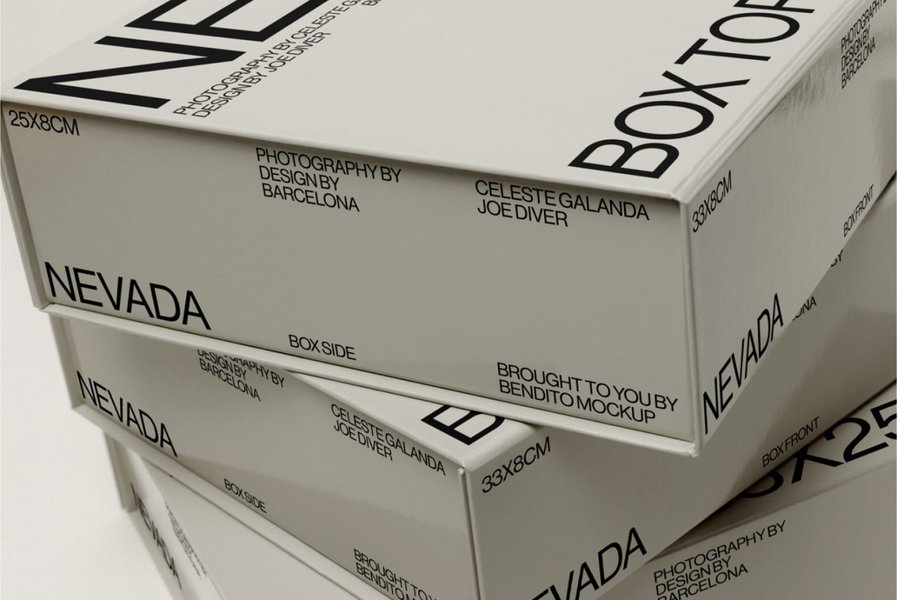
A clean box design contributes to a satisfying unboxing experience.
- Simplicity and Delight: A clean, well-organized interior enhances the perception of quality. Avoid clutter inside the box.
- Tactile Elements: The feel of the materials contributes significantly. A smooth matte finish or a subtle texture can elevate the experience.
- Internal Touches: Consider subtle internal branding elements like custom-printed tissue paper (using eco-friendly inks), a minimalist thank-you card made from recycled paper, or neatly folded garments.
- Reinforce the Brand: The unboxing should feel like a natural extension of the Nordic Tigon brand – simple, functional, high-quality, and mindful.
Essential Information & Logistics
Ensure your packaging includes all necessary information clearly and concisely, integrating it into the overall design.
Mandatory Labeling
Depending on your products and sales channels, you'll likely need to include:
- Product Identification: Product name, style, or SKU.
- Sizing Information: Clearly displayed size.
- Material Composition: Required by law in many regions (e.g., 80% Cotton, 20% Recycled Polyester).
- Care Instructions: Washing and care symbols or text.
- Country of Origin: E.g., "Made in [Country]".
- Barcodes: UPC, EAN, or specific marketplace codes like Amazon FNSKU if required.
- Brand Logo & Name: Essential for identification.
Multi-Region Considerations
If you plan to sell across multiple Nordic countries, consider the "Scandimix" approach to labeling, where essential information might be presented concisely in Danish, Norwegian, and Swedish to cater to different markets within a unified design.
Visualizing the Nordic Tigon Packaging Strategy
This mindmap outlines the key pillars for developing your Nordic Tigon packaging, ensuring a cohesive approach that balances brand identity, design, sustainability, and practicality.
Simplicity, Functionality, Nature"] id2["Nordic Design Principles"] id2a["Minimalism
(Clean Lines, White Space)"] id2b["Natural Palette
(Blues, Greens, Grays, White)"] id2c["Sustainable Materials
(Cardboard, Paper)"] id2d["Clean Typography
(Sans-serif)"] id2e["Subtle Graphics
(Nature, Abstract)"] id3["Sustainability Focus"] id3a["Eco-Materials
(Recycled, FSC, Compostable)"] id3b["Waste Reduction
(Minimal Design, Right-Sizing)"] id3c["Clear Communication
(Labels, Certifications)"] id4["Functionality & UX"] id4a["Product Protection
(Durability)"] id4b["Ease of Use
(Opening, Handling)"] id4c["Unboxing Experience
(Tactile, Visual Appeal)"] id4d["Potential Reuse"] id5["Essential Content"] id5a["Brand Elements
(Logo, Name)"] id5b["Product Info
(Size, Material, Care)"] id5c["Logistics
(Origin, Barcodes)"] id5d["(Optional) Scandimix"]
Balancing Key Packaging Attributes
Creating the ideal packaging involves balancing several critical factors. This radar chart visualizes how different approaches might prioritize these attributes. For Nordic Tigon, aiming for a strong balance across Minimalism, Functionality, Sustainability, Brand Fit, and Unboxing Appeal is key, while managing Cost-Effectiveness.
The 'Ideal Nordic Tigon' profile demonstrates high scores in areas central to the brand's identity (Minimalism, Sustainability, Brand Fit, Functionality, Unboxing) while acknowledging that achieving all these perfectly might involve moderate costs. Comparing this to profiles focused solely on budget or premium unboxing helps illustrate the trade-offs involved in your decision-making process.
Sustainable Packaging Material Comparison
Choosing the right sustainable material involves considering factors like cost, durability, recyclability, and how well it fits the Nordic aesthetic. This table provides a comparison of common eco-friendly options suitable for activewear packaging:
| Material | Pros | Cons | Nordic Aesthetic Fit | Sustainability Level |
|---|---|---|---|---|
| Recycled Cardboard/Paperboard | Widely recyclable, good printability, versatile structure, often cost-effective. | Can vary in strength/finish, potential slight color variations from recycled content. | Excellent. Can achieve natural, matte, or textured finishes aligning with Nordic style. Unbleached options enhance natural feel. | High (especially with high post-consumer waste content). |
| FSC-Certified Paperboard (Virgin or Recycled) | Guarantees responsible forest sourcing, consistent quality and finish, excellent printability. | Can be more expensive than non-certified or standard recycled options. | Excellent. Provides a clean, premium base for minimalist design. | High (ensures responsible sourcing). |
| Compostable Biopolymers (e.g., PLA mailers) | Breaks down under specific conditions (industrial or home compost), reduces reliance on fossil fuels if plant-based. | Requires specific composting infrastructure (not available everywhere), potentially lower durability than plastic, can be costly. Check certifications (e.g., BPI, TUV). | Moderate. Often has a slightly different feel than paper; best suited for mailers or internal bags rather than structural boxes. Can work if design is kept simple. | Variable (depends heavily on end-of-life disposal and material source). |
| Recycled Plastics (rPET/rHDPE mailers) | Durable, water-resistant, lightweight, utilizes existing plastic waste streams. | Recycling infrastructure varies, still plastic, perceived less 'natural' than paper. | Lower. Less aligned with the natural material feel of core Nordic design, but can work for mailers if branding is minimal and clean. Choose matte finishes over glossy. | Moderate to High (reduces virgin plastic use, but relies on plastic recycling systems). |
When selecting materials, consider the specific needs of your activewear (e.g., protection level) and your brand's primary sustainability goals alongside the desired aesthetic.
Frequently Asked Questions (FAQ)
What are the core principles of Nordic packaging design?
Nordic packaging design emphasizes minimalism (clean lines, simplicity, lack of clutter), functionality (practicality, ease of use, durability), the use of natural materials and nature-inspired color palettes (whites, grays, blues, greens, earth tones), and a strong commitment to sustainability and eco-friendliness.
How can I make my activewear packaging sustainable?
Prioritize materials like recycled cardboard/paperboard (with high post-consumer waste content), FSC-certified paper, or potentially certified compostable options. Minimize packaging layers and overall material usage (right-sizing). Use eco-friendly inks (e.g., soy-based). Clearly label the packaging for proper recycling or disposal. Avoid virgin plastics where possible, opting for recycled plastic mailers only if necessary for durability/water resistance.
What information *must* be on the packaging?
Essential information typically includes your brand name and logo, product details (name/style), size, material composition, care instructions, and the legally required country of origin. Depending on your sales channels, you may also need barcodes (like UPC or EAN) or specific marketplace identifiers (like Amazon FNSKU).
Should I hire a professional designer?
While it's possible to design packaging yourself, collaborating with a professional packaging designer or agency is highly recommended. They bring expertise in brand consistency, structural design, material sourcing, understanding printing processes, and creating designs that are both aesthetically pleasing and technically sound for production. This investment often leads to a more polished, effective, and error-free result.
How important is the unboxing experience?
The unboxing experience is increasingly important. It's a direct touchpoint with your customer that significantly impacts their perception of your brand's quality and attention to detail. A positive, thoughtful unboxing can enhance customer satisfaction, build brand loyalty, encourage social media sharing, and differentiate Nordic Tigon from competitors. Investing in details like quality materials, neat presentation, and subtle branded elements can yield significant returns.
Recommended Reads
- Explore sustainable packaging suppliers for apparel brands.
- Learn more about minimalist graphic design trends in branding.
- How to calculate packaging costs for e-commerce businesses.
- Discover the psychology behind unboxing experiences and customer loyalty.
References


Last updated April 30, 2025