
Exploring National Taiwan University of Science and Technology
A comprehensive guide to history, campus, and facilities for international students
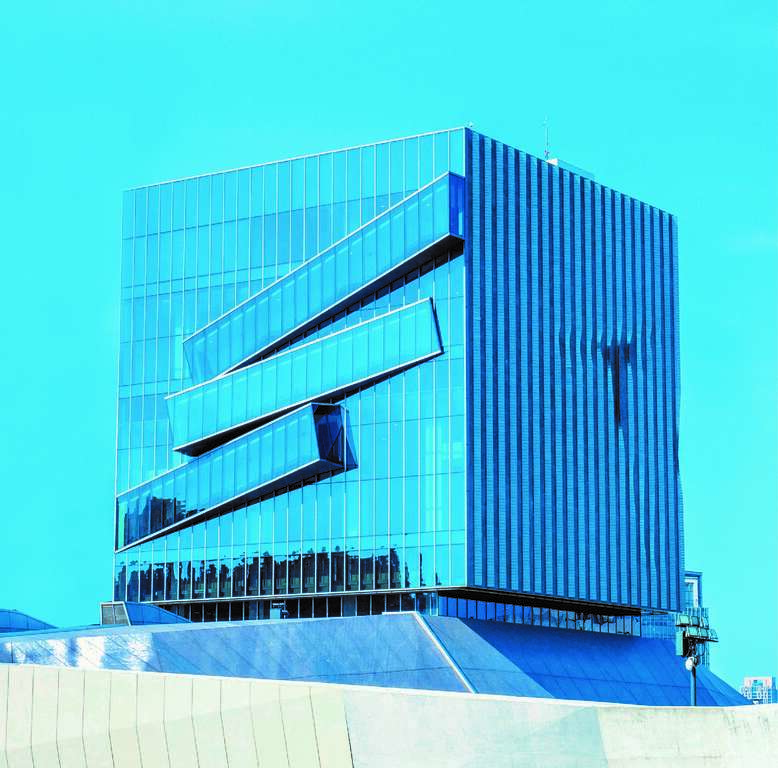
Highlights
- Rich History: Founded in 1974, NTUST evolved into a leading technical institution in Taiwan.
- Expansive Campus: Multiple campuses with state-of-the-art research, educational, and athletic facilities.
- Comprehensive Facilities: Modern libraries, specialized research centers, and vibrant student life spaces.
Introduction to National Taiwan University of Science and Technology
National Taiwan University of Science and Technology (NTUST), popularly known as Taiwan Tech, stands as a prestigious public institution within Taiwan's higher education landscape. Established in 1974 as the National Taiwan Institute of Technology, the institution was the first of its kind in Taiwan’s technical and vocational education system. Over the years, NTUST evolved significantly – in 1997, it was reclassified as a university, marking an expansion in academic scope and research. With a strong focus on applied research and industry partnerships, Taiwan Tech caters to the growing demands of technology and management professionals on a global scale.
Historical Development
From Inception to Modern University
The roots of NTUST trace back to August 1, 1974, when the National Taiwan Institute of Technology was founded. At its inception, the institution represented a pioneering approach to integrating technical education within Taiwan’s broader educational system. This period was characterized by a strong emphasis on vocational and technical training, specifically designed to meet the needs of Taiwan's rapidly developing industrial sector.
In recognition of the evolving demands of a modern workforce and the necessity to expand academic horizons beyond technical training, the institute underwent a significant transformation. On August 1, 1997, the institution was upgraded to university status and renamed National Taiwan University of Science and Technology. This milestone transition not only elevated the institution’s academic profile but also paved the way for the development of diverse academic disciplines and enhanced research capabilities.
Today, Taiwan Tech is renowned for its specialized focus on applied research and its role in fostering industry partnerships. This alignment with industry requirements has contributed to its reputation as the best technical university in Taiwan, with its graduate programs and research initiatives recognized nationally and internationally.
Campus Overview
Primary and Branch Campuses
NTUST’s physical presence is marked by the presence of multiple campuses that altogether create a dynamic and stimulating academic environment. While the main campus is located within the Da’an District of Taipei City, the university extends its reach with several branch campuses strategically placed to serve different academic and research functions.
The main campus, often referred to as the Gongguan Campus, encompasses approximately 10 hectares (or around 25 acres) of space. It is the epicenter for teaching, research, administrative operations, and student life. The campus is celebrated for its convenient location in a bustling yet scenic part of Taipei, making it accessible through excellent transportation networks and surrounded by urban amenities.
The Main Campus – A Hub of Knowledge and Activity
The Gongguan Campus in the Da’an District serves as the flagship campus where the majority of NTUST’s academic and extracurricular activities take place. Key features of this campus include:
Academic Buildings and Research Centers
The main campus houses a range of teaching and research buildings that support the university's six major academic divisions:
- Engineering
- Electrical and Computer Engineering
- Management
- Design
- Liberal Arts & Social Sciences
- Applied Sciences
These buildings are designed to foster collaborative learning and academic inquiry while being equipped with the latest technology and research facilities. Numerous specialized research centers and laboratories provide students and faculty with the essential tools to conduct applied research that bridges theoretical knowledge with practical solutions.
Library and Learning Spaces
An integral part of the academic landscape at NTUST is its library, a longstanding pillar of the campus that has been modernized and continuously updated. The library not only supports the academic curriculum by offering extensive electronic and print resources but also features well-organized study spaces, computer labs, and research assistance services – all geared toward supporting student and faculty research endeavors.
Athletic and Recreational Facilities
Recognizing the importance of a balanced campus life, NTUST provides comprehensive athletic and recreational facilities for its community. These facilities include sports complexes and outdoor recreational spaces that promote physical well-being, team sports, and informal gatherings. They serve as venues where students can unwind, engage in extracurricular sports, and build lasting relationships.
Administrative Buildings
The central administrative offices on the main campus manage university operations and provide essential services to students and faculty. These include enrollment services, career development centers, and international student offices. The administrative structures are positioned to ensure that both academic and non-academic needs are met efficiently, thus enhancing the overall campus experience.
Branch Campuses and Their Unique Roles
In addition to the primary Gongguan Campus, NTUST has several branch campuses that extend its educational reach:
- Tucheng Campus: Located in the Tucheng District of New Taipei City, this campus caters to specific academic programs and offers modern facilities in a compact environment.
- Keelung Campus: Situated in the port city of Keelung, this campus spans around 10 hectares and focuses on programs that leverage the city’s unique maritime and industrial environment.
- Other Campuses: Additional campuses, such as those in Zhubei and Chupei, serve to diversify NTUST's outreach and provide specialized instructions and research opportunities tailored to regional strengths.
Each campus within NTUST brings its own array of facilities, academic disciplines, and environments, contributing to a well-rounded academic ecosystem. Together, these campuses create a network that supports interdisciplinary research and learning, ensuring that students receive the benefits of a broad educational platform while rooted in practical, real-world applications.
Campus Buildings and Facilities in Detail
Understanding the Architectural Layout
The layout of NTUST’s campuses is designed not only to maximize the efficiency of academic work but also to enhance the aesthetic and functional appeal of the campus environment. The integration of modern architecture with traditional campus elements creates spaces that are both inspiring and pragmatic. Below, we provide an in-depth look into some of the major building categories and facilities.
Academic and Research Buildings
The academic buildings are the backbone of NTUST’s infrastructure. They are categorized by college or faculty groups and are specially designed to accommodate the specific needs of each department. For instance, buildings dedicated to engineering disciplines come equipped with advanced laboratories, fabrication shops, and collaborative workstations that foster innovation. These facilities encourage a hands-on learning approach, combining theoretical curricula with practical project-based assignments.
Research buildings are equally impressive and serve as incubators for cutting-edge research. These centers offer state-of-the-art instrumentation, collaborative workspaces, and innovation hubs that facilitate cooperation between students, faculty, and industry experts. They are critical in supporting NTUST's mission to serve as an international applied research university where groundbreaking innovations emerge from well-supported research initiatives.
Libraries and Study Centers
NTUST’s library has evolved to become a vital academic resource center. Recently renovated, the library is furnished with modern technology, extensive digital archives, and vast collections of academic journals, books, and media resources. It offers comfortable study zones, computer labs, and dedicated areas for group discussions and seminars. These spaces are designed to facilitate both individual study and collaborative work, ensuring that students have a conducive environment that supports diverse learning styles.
Sports and Recreation Facilities
Campus life at Taiwan Tech is not solely driven by academics. The athletic facilities are an essential component that aids in stress relief and fosters community spirit. On the main campus, a variety of sports amenities are available – from indoor gyms to outdoor play areas – that encourage participation in team sports, individual fitness regimens, and recreational activities. Regularly maintained and updated, these facilities enhance the universities’ commitment to the overall well-being of their students.
The vibrant campus sports culture is supported through organized events and leasing of space that are accessible to both beginners and experienced athletes. Such an environment not only strengthens physical health but also builds teamwork and leadership qualities among students.
Student Support and Administrative Facilities
Beyond the teaching and research landmarks, the administrative buildings at NTUST play an important role in maintaining the smooth operation of campus life. These buildings house essential services such as admissions, career counseling, and international student services. For international students, particularly, there are dedicated offices that facilitate orientation, language courses, cultural integration programs, and housing arrangements. This dedicated support framework has been designed to address the unique challenges faced by students coming from diverse backgrounds.
Interactive Campus Map and Building Layout
To further assist students in visualizing the campus environment, NTUST provides interactive campus maps on its website. Such maps detail the layout of all the key buildings, highlight zones for academic research, social interaction, and recreational facilities, and indicate key landmarks like libraries, athletic centers, and administration blocks. The maps reinforce the university’s commitment to ensuring that every corner of the campus contributes to an enhanced learning and living experience.
Campus Life for International Students
Integration and Support Systems
For international students joining NTUST, the campus environment is both welcoming and supportive. The international student services at NTUST are designed to smooth the transition into a new cultural and academic landscape. Students attending Taiwan Tech are provided with orientation programs that cover academic requirements, cultural norms, and the resources available for personal and professional growth.
Additionally, Vietnam Tech – as NTUST is affectionately known among its community – provides homestay placements, Chinese language courses, and extensive counseling services to ensure that international students can quickly adapt to life in Taiwan. The existence of intercultural clubs and student-run organizations further fosters a dynamic and inclusive campus atmosphere.
Academic Rigor and Extracurricular Engagement
In parallel with focused academic work, NTUST emphasizes extracurricular engagement. Various clubs and organizations cater to academic interests, cultural exchanges, technical innovations, and recreational sports. These extracurricular groups are integral to building networks that can benefit international students both during and after their academic journey.
The balance between rigorous academic pursuits and a vibrant campus life is exemplified by the various events organized throughout the academic year. From research symposiums and technical contests to cultural festivals and sports competitions, every event contributes to a rich and multi-dimensional student experience.
Additional Insights on the University’s Infrastructure
Overview Table: Campus Buildings and Facilities
| Category | Description | Key Features |
|---|---|---|
| Academic Buildings | Spaces dedicated to teaching and research for various disciplines. | Advanced laboratories, lecture halls, project rooms. |
| Library | Centralized hub offering digital and traditional academic resources. | Study areas, media centers, electronic resources. |
| Athletic Facilities | State-of-the-art facilities to support physical wellness and team sports. | Gyms, outdoor courts, fitness areas. |
| Administrative Offices | Buildings that provide essential services to manage campus operations. | Admissions, counseling, international student services. |
This table encapsulates the primary categories of buildings on campus, summarizing their roles and key features. Each facility is constructed and maintained to ensure that students and faculty have at their disposal an environment conducive to exploration, innovation, and a balanced campus life.
Modern Campus Innovations
NTUST continuously evolves by integrating modern innovations in both infrastructure and academic methodologies. The university has incorporated green spaces, digital learning environments, and smart campus technologies to enhance the educational experience. For instance, integrated digital directories and real-time monitoring systems for campus facilities enhance navigation and help in managing resources efficiently.
Furthermore, the university’s efforts to upgrade and renovate several key infrastructures – such as reconfiguring the library to include modern study pods with digital connectivity – are reflective of NTUST’s commitment to maintaining a forward-thinking and agile campus environment.
Conclusion
In summary, National Taiwan University of Science and Technology embodies a compelling blend of rich history, modern campus design, and a vibrant academic culture. Founded in the mid-1970s as Taiwan's pioneering institution in technical education, NTUST has evolved into one of the most respected technical universities in Taiwan. Its transformation from an institute of technology to a multi-faceted university illustrates its commitment to addressing the needs of a globalized industry while staying rooted in Taiwan's educational traditions.
With its main campus in the heart of Taipei’s Da’an District and additional branch campuses that provide specialized environments, NTUST offers a range of state-of-the-art facilities. The architectural layout – from modern academic buildings and well-equipped libraries to expansive athletic centers – is thoughtfully designed to support both academic rigor and extracurricular engagement. These infrastructures not only foster an environment of innovation and research but also ensure that international students feel supported through dedicated services and diverse social opportunities.
The university’s continuous investments in modern campus innovations and its commitment to integrating technology with practical education set it apart from many other institutions. For prospective international students, NTUST presents an environment that encourages both academic excellence and cultural integration, making it an ideal destination for those seeking a rigorous yet engaging educational experience.
With a balanced mix of historical significance and contemporary infrastructure, National Taiwan University of Science and Technology continues to build on its legacy. It not only provides a nurturing environment for academic and professional growth but also fosters a vibrant campus life where students from different cultural backgrounds can thrive.
References
- National Taiwan University of Science and Technology - Wikipedia - Wikipedia
- Brief History - NTUST - Official Website
- NTUST Rankings and Details - Top Universities
Recommended
Last updated February 24, 2025