
A Study on the Challenges of Bed Bathing Among Practical Nursing Students
Exploring Emotional, Technical, and Practical Aspects in Nursing Education
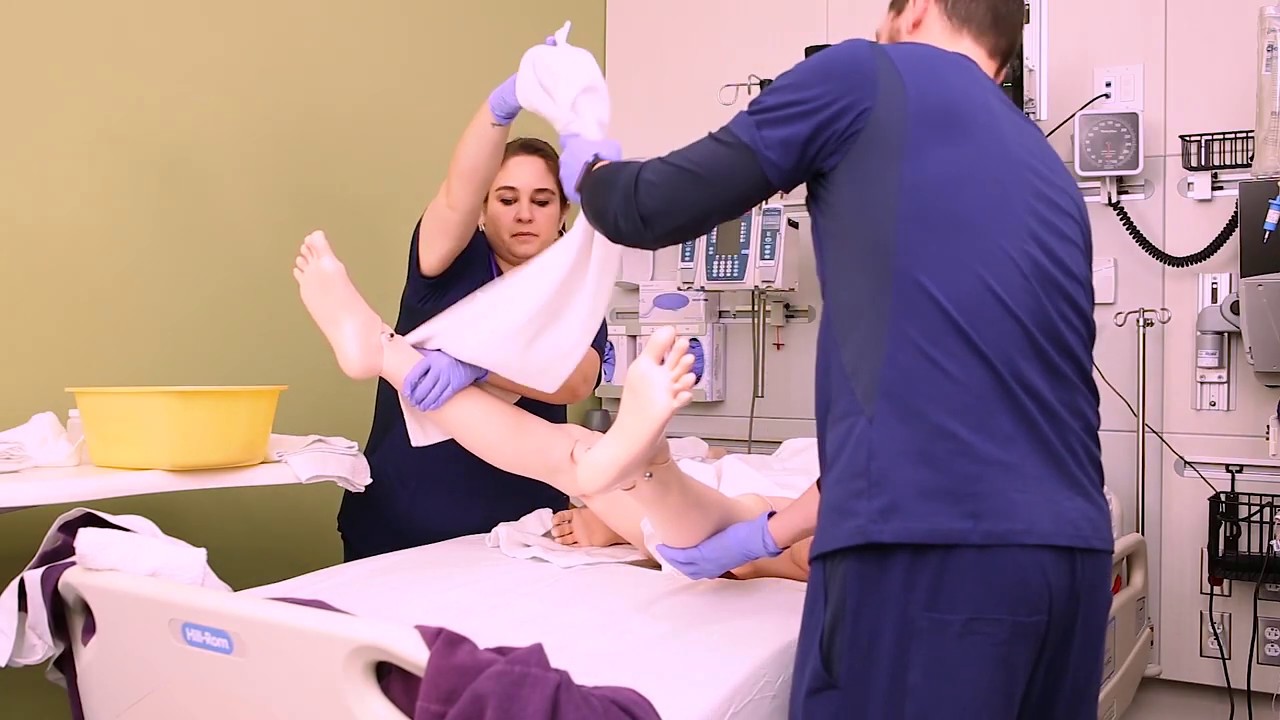
Key Highlights
- Emotional and Psychological Impact: Examining the discomfort and anxiety experienced by students.
- Technical Skill and Practical Implementation: Assessing the challenges of skill application in real-life clinical settings.
- Patient Interaction and Safety: Focusing on maintaining patient dignity, comfort, and safety during bed baths.
Introduction
Bed bathing is an essential practice in nursing that plays a vital role in patient care, particularly for individuals unable to bathe independently due to illness, injury, or immobility. This procedure not only facilitates hygiene and disease prevention but also provides healthcare professionals with an opportunity to conduct vital skin assessments and address patients’ comfort needs. However, for practical nursing students, the process of learning and implementing bed bathing techniques presents a number of significant challenges. This study explores the multifaceted difficulties encountered by nursing students as they navigate the emotional, technical, and practical complexities associated with bed bathing.
Emotional and Psychological Challenges
Understanding Students' Emotional Responses
One of the fundamental issues identified in the learning process of bed bathing is the emotional distress experienced by nursing students. Many students report anxiety stemming from the intimate nature of the procedure and the potential for invading the privacy of patients. This anxiety is often compounded when transitioning from simulated environments, such as using mannequins, to caring for real patients. Emotional discomfort may emerge from a fear of causing inadvertent harm, not respecting cultural or personal boundaries, or simply the psychological weight of performing an intimate task.
Concerns Related to Patient Dignity
Nursing students frequently express concerns regarding the preservation of patient dignity during the bed bathing process. The vulnerability of the patient coupled with the exposure required during bathing can lead to heightened emotional tension for both the patient and the caregiver. Educators must actively acknowledge these concerns and use them as focal points for developing greater empathy and sensitivity towards the patient experience.
Strategies to Address Emotional Challenges
To alleviate emotional distress, several strategies have been proposed and implemented in nursing education. These include:
- Simulation Training: Utilization of high-fidelity simulators and mannequins allows students to practice the procedure in a controlled environment, reducing the initial fear of the unknown.
- Peer Practice and Role Play: Engaging students in mutual practice sessions encourages empathy and provides insight into the patient’s experience without compromising dignity.
- Guided Reflection: Structured debriefing sessions help students articulate their feelings and build resilience against the psychological impacts of intimate care tasks.
Technical Skill Acquisition and Practical Implementation
Mastering the Techniques
The process of bed bathing is not solely an emotionally charged activity; it also requires proficient technical skills. Nursing students face the challenge of learning detailed procedures that ensure the safety and comfort of patients while maintaining hygiene protocols. Core technical competencies include understanding various bathing methods, such as using water with soap versus waterless alternatives, which each come with their own physical demands and practical nuances.
Procedural Competence and Patient Safety
A key aspect of technical skills is mastering body mechanics to safely maneuver and support patients. Incorrect techniques may lead to patient injury or discomfort, and consequently, students may feel overwhelmed by the need to balance efficiency with patient-centered care. Moreover, students often find it challenging to integrate educational teachings with actual hospital practices, where the meticulous execution of protocol can vary significantly between theoretical lessons and practical application.
Challenges in Clinical Implementation
Often, the procedures and methods taught during classroom sessions are not fully implemented in live clinical settings. This divergence can be attributed to:
- Variability in Institutional Practices: Hospitals may have different protocols, leading to confusion among students about the "correct" method of performing bed baths.
- Time Constraints: The busy nature of clinical environments means that there may not always be sufficient time dedicated to providing thorough and patient-centric care.
- Lack of Standardized Procedures: Overly complex or inconsistent guidelines can hinder the development of a clear and executable skill set.
Improving Practical Training
To address these practical challenges, it is crucial to incorporate innovative educational strategies that enhance learning and align closely with clinical practices. These strategies include:
- Use of Instructional Videos: High-quality, detailed videos demonstrating proper bed bathing techniques can help bridge the gap between classroom theory and clinical practice.
- Simulation Scenarios: Realistic simulation environments enable students to practice technical skills in scenarios that mimic hospital settings, improving their problem-solving and time management abilities.
- Continuous Mentorship: Regular feedback from experienced nursing professionals helps students refine their techniques and adjust to the nuances of various patient care situations.
Patient Interaction and Communication
Establishing Rapport and Trust
Effective communication during bed bathing is critical for ensuring a positive patient experience. Nursing students often struggle with engaging in meaningful dialogue while attending to the physical requirements of the procedure. A successful bed bath not only maintains hygiene but also serves as an opportunity to build rapport and gain trust.
Communication Techniques for Sensitive Care
Students must learn to communicate clearly and compassionately, which involves:
- Providing Clear Explanations: Explaining each step of the process helps alleviate patient anxiety and fosters a collaborative atmosphere.
- Active Listening: Patients may have concerns or preferences regarding their care, and attentive listening can significantly improve their comfort level during the procedure.
- Non-Verbal Cues: Observing patient reactions and body language is essential for ensuring that the care provided aligns with their comfort and dignity.
Balancing Technical Demands with Compassionate Interaction
Bed bathing requires multitasking, where nurses must perform technical tasks while also addressing the emotional needs of patients. The ability to manage time efficiently while ensuring that the patient feels respected and secure is an important skill that nursing educators strive to instill in students.
Physical Exertion and Practical Safety Considerations
Managing Physical Demands
Beyond technical and emotional challenges, bed bathing can be physically taxing for nursing students. The physical demands involved in moving patients, maintaining correct posture, and performing thorough hygiene care can result in personal discomfort or even injury if not performed correctly. This aspect of care is further complicated by the variability in patient conditions, which require different levels of physical support and caution.
Enhancing Physical Safety through Training
To mitigate these physical challenges, educational programs emphasize the importance of:
- Proper Body Mechanics: Learning and practicing correct body mechanics minimizes the risk of injury and ensures safe patient handling.
- Ergonomic Aids: Utilization of supportive devices and ergonomic techniques can alleviate the physical strain on caregivers.
- Repetition and Practice: Regular practical sessions help students build the necessary strength and coordination required for safe patient handling.
Balancing Efficiency and Patient Comfort
Efficient performance of bed bathing does not mean compromising on patient comfort. Nurses must learn to optimize their workflow while ensuring that each patient receives individualized attention. As students become more adept at these techniques through practice and mentorship, they can better balance the dual demands of speed and compassion.
Innovative Educational Approaches and Institutional Support
Modern Teaching Tools
The complexities involved in bed bathing require educational methods that are equally dynamic and adaptable. Many nursing programs are now integrating advanced teaching tools designed to simulate real-life scenarios and provide hands-on experience. These tools range from high-fidelity simulation laboratories to detailed video tutorials that clearly outline procedure steps.
Simulation-Based Learning and Peer Review
Simulation-based learning has emerged as a particularly effective strategy for teaching bed bathing techniques. By engaging in realistic simulations, nursing students can build confidence and competence in a safe environment. These simulations are often paired with peer review sessions, wherein students provide constructive feedback to one another. The collaborative nature of these sessions enhances learning and builds a stronger foundation of clinical reasoning.
Institutional Challenges and Support Systems
While the integration of innovative technologies and teaching methodologies has significantly improved training quality, institutional challenges remain influential. Variability in hospital protocols and the degree of support provided by practicing nurses can affect the consistency of skill execution among students.
Creating a Supportive Learning Environment
Institutions have a crucial role in bridging the gap between classroom instruction and clinical practice. This can be achieved through:
- Structured Mentorship Programs: Pairing students with experienced nurses ensures that they receive continuous guidance and constructive feedback in clinical settings.
- Standardized Practice Guidelines: Developing clear and uniform procedures that are aligned between academic and clinical environments minimizes confusion and builds consistency in practice.
- Workshops and Continued Education: Regular workshops focus on emerging best practices and refresh students’ knowledge, ensuring that care quality remains high even in fast-paced environments.
Overview Table of Key Challenges
| Challenge Category | Description | Strategies for Improvement |
|---|---|---|
| Emotional & Psychological | Anxiety, invasion of patient privacy, discomfort in intimate care. | Simulation training, guided reflection, peer practice. |
| Technical & Practical Skills | Difficulties with procedural accuracy, patient safety, and adapting theory to practice. | Instructional videos, simulation scenarios, continuous feedback. |
| Physical Demands | Physical exertion and potential injury during patient handling. | Ergonomic aids, proper body mechanics, repetitive practice. |
| Patient Interaction | Challenges in maintaining clear communication and ensuring patient comfort. | Effective communication techniques, active listening, non-verbal cue observation. |
| Institutional Support | Variability in clinical practice and mentoring quality. | Structured mentorship, standardized guidelines, continuous education. |
Implications for Nursing Education
Bridging the Gap Between Theory and Practice
The accumulated evidence indicates that while theoretical knowledge is imperative, integrating this with practical application is crucial during bed bathing training. Nursing education programs must invest in resources that allow students to experience realistic patient care scenarios. This multi-dimensional approach ensures that they are not only technically proficient, but also emotionally resilient and responsive. Bridging this gap requires curricular reforms that emphasize experiential learning along with traditional didactic methods.
Enhancing Student Confidence Through Practice
Confidence emerges as a significant outcome of improved practical training. As students repeatedly engage in simulation exercises and receive constructive feedback from mentors, their apprehensions lessen. Over time, these experiences contribute to a better understanding of both the procedural and interpersonal aspects of bed bathing. Confidence in their ability to convey clear instructions, present empathy, and handle physical tasks safely transforms their approach to patient care.
Recommendations for Future Research
While current studies have highlighted multiple aspects of the challenges, there remains a need for further research into specific areas such as the long-term psychological impact on striving nurses and the efficacy of simulation-based learning methodologies. Future studies should seek to quantify improvements in patient outcomes and job satisfaction post-training, providing a more data-driven basis for curricular innovations. Additionally, exploring cultural differences in patient perceptions of bed bathing could lead to more culturally competent care practices.
General Observations
The challenges associated with bed bathing among practical nursing students are representative of the broader issues encountered in healthcare education. The process touches on several vital aspects of clinical care: technical skill proficiency, emotional resilience, effective communication, and patient safety. Integrating multiple strategies to address each area not only improves education outcomes but also elevates the standards of patient care within clinical environments. This multifaceted approach has far-reaching benefits, preparing nursing students for the complexities of real-world healthcare scenarios.
References
-
PMC Article on Bed Bath Challenges - PubMed Central
-
Bed Bathing Study Overview - NCBI
- Clinical Studies on Bed Bathing - PubMed
- Bed Bath and Hygiene Care - Nurseslabs
-
Nursing Education Research - NCBI PMC
Recommended Related Queries
Last updated March 9, 2025