
Objectives of the Study on Challenges of Bed Bathing
An in-depth analysis of nursing student challenges in managing bed bathing procedures
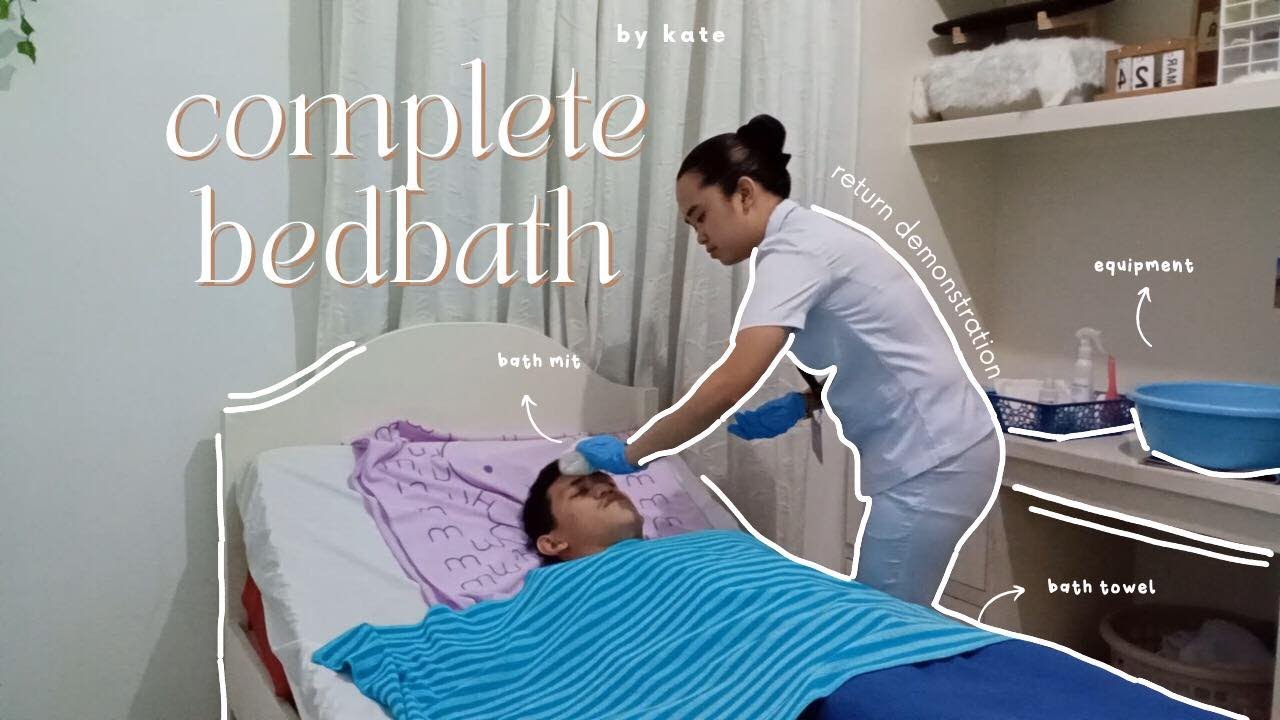
Key Takeaways
- Identification of Challenges: Exploring both physical and emotional difficulties encountered during bed bathing.
- Evaluation of Training Methods: Assessing current curricula, simulation exercises, and their impact on confidence and skill development.
- Development of Improvement Strategies: Formulating evidence-based recommendations to enhance both student performance and patient care.
Introduction to the Study
The practice of bed bathing presents unique challenges for practical nursing students, as it requires both technical proficiency and empathetic communication. With nursing education programs striving to prepare future nurses for real-world clinical situations, it becomes essential to examine the multifaceted obstacles that students encounter in bed bathing. The primary objectives of such a study are to understand the range of challenges—from physical discomfort and time constraints to emotional distress and educational gaps—and to develop strategies that not only enhance student competency but also ensure patient comfort and dignity.
Detailed Objectives of the Study
I. Identification of Challenges
Physical and Procedural Obstacles
Nursing students often face various physical challenges during bed bathing, such as awkward positioning, the need to maneuver around a bedridden patient, and strict time constraints imposed by clinical schedules. These challenges can disrupt the smooth execution of procedures and potentially lead to improper care if not identified and managed efficiently.
The study aims to systematically catalogue these technical difficulties by scrutinizing:
- Inadequate ergonomic training resulting in uncomfortable postures.
- Erratic movements or incorrect techniques that may compromise the safety or comfort of the patient.
- Time pressure and workload management that may contribute to stress and hurried procedures.
Emotional and Psychological Barriers
A significant part of the study involves understanding the psychological impact of bed bathing on nursing students. Many students experience:
- Feelings of anxiety or apprehension, especially when perceived as inexperienced or unprepared.
- An emotional disconnect that may result from the intimate nature of the care, potentially leading to discomfort or misplaced empathy.
- The fear of causing discomfort or embarrassment to the patient due to inexperience or inadvertent mistakes.
The objective is to measure these emotional responses, which can then be correlated with performance outcomes and used to shape more supportive training environments.
II. Evaluation of Educational Programs and Training Methods
Effectiveness of Simulation-Based Learning
Simulation-based learning has emerged as a key strategy in nursing education, offering students a controlled environment to practice such sensitive procedures. The study seeks to assess:
- The role of simulation labs where students practice with manikins or simulated settings that mimic real-life scenarios.
- How these environments improve cognitive knowledge, build muscle memory, and ultimately increase confidence during actual clinical placements.
- The integration of debriefing sessions that allow students to reflect on their performance, identify errors, and learn from constructive feedback.
Assessment of Traditional Curricula Versus Innovative Techniques
The study also compares the efficacy of traditional methods—typically based on a straightforward water and soap method—with newer approaches such as washing without water. This comparative analysis includes:
- Evaluating the cognitive load placed on students when using different techniques.
- Assessing the impact of these methods on both student confidence and patient satisfaction.
- Identifying which practices are most effective in building procedural competence and which may require further refinement in training protocols.
An important goal is to determine whether innovative methods reduce the cognitive and emotional load on students, or whether traditional practices still hold a place in establishing fundamental skills.
III. Exploration of Interpersonal and Communication Dynamics
Influence on the Nurse-Patient Relationship
Bed bathing is not merely a technical task; it is also an encounter that can enhance the nurse-patient relationship. The study looks at:
- How the act of providing care can foster empathy and trust between the patient and the student.
- Whether effective communication during bed bathing contributes to patient comfort and dignity.
- The role of non-verbal cues and the overall demeanor of the student in alleviating patient concerns.
This component of the study is crucial for highlighting the importance of communication skills in nursing education. By enhancing these interpersonal skills, students can ensure a compassionate and respectful care environment, which is central to healthcare delivery.
Emotional Sensitivity and Patient-Centric Focus
The investigation also emphasizes the importance of emotional sensitivity. It examines how physiological responses, such as heart rate variability in both patients and students during the process, might correlate with overall satisfaction and perceived effectiveness of care. Students are encouraged to develop:
- Enhanced empathy towards the physical and emotional state of the patient.
- Strategies to manage their own stress and anxiety during the procedure.
- Effective communication skills that promote a patient-centric approach.
IV. Comparison and Analysis of Bed Bathing Methods
Traditional Versus Modern Techniques
An integral part of the study is the comparative analysis of conventional bed bathing techniques and alternative methods. The study explores:
- The traditional water and soap method with a focus on procedural details such as order of operations, technique efficiency, and steps involved.
- Alternative methods like the “washing without water” approach that may offer benefits in terms of patient comfort, skin integrity, and time efficiency.
- The possible advantages and disadvantages of each method from both a practical and psychological perspective.
This comparison not only provides insights on the pedagogical value of various approaches but also helps refine the guidelines for best practices during training sessions and actual clinical work.
Impact on Patient Outcomes
The study also examines how different bed bathing techniques impact patient outcomes, such as:
- Maintenance of skin integrity and prevention of infections.
- Reduction in hospital-acquired infections due to improved hygiene practices.
- The promotion of patient comfort and overall well-being.
An evaluation framework is developed to quantify these outcomes, bridging the gap between clinical effectiveness and educational preparation.
V. Development of Strategies for Improvement
Identifying Training Gaps and Recommending Revisions
This component focuses on discovering specific gaps in the current educational curricula that may contribute to the challenges faced by nursing students. By analyzing:
- The discrepancies between simulated training experiences and real-life clinical scenarios,
- The technical aspects of bed bathing that students find hardest to master, and
- The emotional or psychological factors contributing to stress or lack of confidence,
Recommendations are formulated to update and revise narratives and practical sessions within nursing curricula. These improvements include introducing more robust simulation exercises, personal mentorship programs, and communication skills workshops aimed at mitigating emotional stress.
Evidence-Based Interventions
Based on the collected data, the study develops evidence-based strategies to:
- Increase the efficacy of hands-on training through targeted simulation scenarios tailored to address both physical and emotional challenges.
- Enhance mentorship and support networks within clinical placements, ensuring that students have accessible resources when facing difficulties.
- Refine assessment methods of student performance to include both qualitative feedback and quantitative measures, ensuring an overall improvement in procedural competencies.
A holistic view of the study reinforces that the combination of technical mastery, emotional sensitivity, and effective communication is paramount to safe and dignified patient care. Careful structuring of these interventions is proposed in an integrated model that combines theoretical knowledge with evidence-based practices.
Structured Overview: Study Objectives Table
| Objective Category | Description | Key Focus Areas |
|---|---|---|
| Identification of Challenges | Systematic exploration of physical, procedural, emotional, and psychological challenges faced during bed bathing. | Technical difficulties, emotional responses, time management |
| Evaluation of Educational Methods | Assessing and comparing traditional versus simulation-based learning approaches. | Simulation labs, debriefing sessions, traditional curricula |
| Interpersonal and Communication Dynamics | Study of nurse-patient interactions and the enhancement of empathetic relationships during care. | Communication skills, emotional sensitivity, patient-centric approach |
| Comparison of Bathing Techniques | Analysis of various methods for bed bathing and their impact on both clinical practice and patient outcomes. | Water and soap vs. washing without water, procedural efficiency, effectiveness in maintaining skin integrity |
| Development of Improvement Strategies | Formulation of recommendations for curriculum improvements and evidence-based interventions. | Training gap analysis, refined simulation practices, enhanced mentorship |
Integration with Practical Training and Clinical Applications
Enhancing Simulation Exercises
One of the primary strategies discussed in the study is the enhancement of simulation exercises. Practical simulations provide a risk-free environment where students can practice bed bathing under conditions that mimic real-life patient interactions. This includes:
- Martialing both cognitive and motor skills in a safe, monitored environment.
- Allowing repeated practice sessions to build muscle memory and reduce procedural errors.
- Incorporating debriefing sessions where students receive constructive feedback from clinical educators.
These exercises are designed to help students internalize critical aspects of the procedure, ensuring that by the time they face real-world scenarios, they have the necessary confidence and expertise.
Adapting Curriculum to Meet Evolving Needs
The study highlights the need for modern curricula to adapt in order to address the evolving complexities of patient care. Revisions could include:
- Introducing modules that specifically address some of the most common challenges identified, such as emotional management and patient communication.
- Providing detailed guidelines on both traditional and modern bed bathing techniques, ensuring that students are well-versed in various methodologies.
- Integrating technology through virtual simulations and interactive platforms that offer real-time feedback.
This curriculum update aims to prepare nursing students better by combining theoretical underpinnings with practical insights, thereby bridging the gap between classroom learning and clinical application.
Strengthening Clinical Placements
In addition to classroom intervention, the study calls for enhanced support during clinical placements. It suggests that:
- Close supervision and mentorship during clinical rotations can mitigate many of the challenges identified in simulation training.
- Regular assessments of students during clinical placements not only help in identifying specific areas that require improvement but also provide an avenue for timely intervention.
- Enhanced communication channels between educators and clinical staff facilitate the sharing of best practices, helping to standardize high-quality care practices across institutions.
Such measures ensure that the transition from theoretical knowledge to practical application is as seamless as possible, thereby improving overall nursing competency.
Additional Aspects and Considerations
Assessing Student Confidence and Competence
Another important aspect of the study is the evaluation of student confidence and competence. By using both qualitative and quantitative data—through surveys, observational assessments, and performance metrics—the study intends to:
- Measure baseline confidence levels in performing bed baths among nursing students.
- Track improvements in both confidence and technical accuracy as students progress through training modules and clinical placements.
- Identify potential correlations between improved competence and better patient outcomes, including satisfaction and emotional well-being.
This systematic assessment provides a holistic view of the students’ learning curve and informs educational policy on necessary curriculum enhancements.
Recommendations for Future Pedagogical Interventions
Based on the challenges and areas for development identified, the study recommends several pedagogical interventions. These include the incorporation of multi-disciplinary approaches that combine inputs from clinical educators, psychology specialists, and experienced nursing practitioners. In doing so, the study aims to:
- Establish comprehensive training protocols that address not only technical skills but also emotional and communication competencies.
- Promote peer-learning opportunities where students can share experiences and best practices, thereby creating a collaborative learning environment.
- Integrate continuous professional development programs to keep both new and experienced nursing staff updated on the latest evidence-based practices in patient care.
Such interventions can lead to a more resilient and well-prepared nursing workforce, able to adapt to the evolving needs of patient care.
Data Analysis and Research Methodology
Mixed-Method Approaches
To achieve these objectives, the study proposes the use of mixed methods, combining quantitative surveys with qualitative interviews and observational research. This allows for a comprehensive analysis, including:
- Quantitative Data: Statistical analysis of performance metrics, error rates, time efficiency, and patient satisfaction scores.
- Qualitative Data: In-depth interviews that capture the experiential and emotional aspects of bed bathing challenges.
- Observational Studies: Real-time evaluations during clinical placements or simulation labs to assess practical application and adherence to best practices.
This multi-pronged data collection strategy ensures the validity and reliability of the findings. Furthermore, the integration of different data types allows researchers to cross-verify results and create a robust framework for understanding the complexities involved in the training and execution of bed bathing procedures.
Indicators and Metrics
The study outlines specific performance indicators that will be closely monitored:
- Student self-assessment scores before and after training sessions.
- Objective skill assessments during simulation and clinical placements.
- Patient feedback regarding comfort, dignity, and overall satisfaction with the care provided.
- Time efficiency metrics that track how long each procedural component takes within both the simulated and clinical environments.
These indicators contribute to a detailed performance profile for each student, enabling targeted improvements in training and practice.
Implementation of Best Practices in Clinical Settings
Standard Operating Protocols
Developing and standardizing protocols for bed bathing is another objective that stems from the comprehensive analysis of current practices. By establishing clear guidelines, the study aims to:
- Ensure consistency in the application of bed bathing techniques, thus reducing the likelihood of errors.
- Provide a benchmark against which the performance of nursing students can be regularly assessed.
- Facilitate the creation of visual aids and checklists that can be used as reference tools during clinical procedures.
Standardization not only enhances the quality of care but also helps build confidence within the clinical team by ensuring everyone adheres to a unified protocol.
Feedback-Driven Continuous Improvement
The study further emphasizes the importance of regular feedback loops, derived from both students and patients. The methods include:
- Structured debriefing sessions after simulations and clinical placements.
- Patient satisfaction surveys and follow-up interviews that document care outcomes.
- Iterative curriculum revisions based on comprehensive review of feedback and performance indicators.
These measures are designed to foster an environment of continuous improvement, thereby increasing the overall effectiveness of training and delivery of high-quality, patient-focused care.
Broader Implications for Nursing Education
Bridging the Gap Between Theory and Practice
The extensive objectives outlined in the study highlight the critical need to bridge the gap between classroom instruction and the practical realities of patient care. This includes:
- Integrating real-life case studies into the curriculum to provide context to theoretical concepts.
- Facilitating deeper engagement with clinical mentors who can provide insights based on years of hands-on experience.
- Encouraging reflective practice, where students can review and learn from their own experiences in a structured manner.
Such integrative approaches ensure that nursing education evolves in tandem with the growing complexity of healthcare environments.
Promoting Professional Growth and Resilience
The study is not merely an academic exercise, but it also serves as a roadmap for fostering professional growth among future nurses. Enhanced training protocols, stronger support networks, and diversified learning methodologies can help build a resilient workforce capable of adapting to the demands of modern healthcare. This ultimately leads to:
- Improved clinical outcomes for patients.
- Enhanced job satisfaction for nursing staff.
- A more robust healthcare system that is prepared for the evolving challenges of patient care.
The insights derived from this study can inform policy changes in nursing education and be integrated into continued professional development programs for practicing nurses.
References
- The Bed Bath According to Nursing Students - SSOAR
- Effects of Bed Bathing Techniques on Clinical Outcomes - PubMed
- Challenges during Clinical Placement - ResearchGate
- Bed Bath and Hygiene Care - Nurseslabs
-
Nursing Practice and Bed Bathing - NCBI
Recommended Queries for Deeper Insight
Last updated March 9, 2025