
Exploring the Intersection of Oceanography and Immunology
A comprehensive exploration of marine ecosystems, immune systems, and their converging research benefits
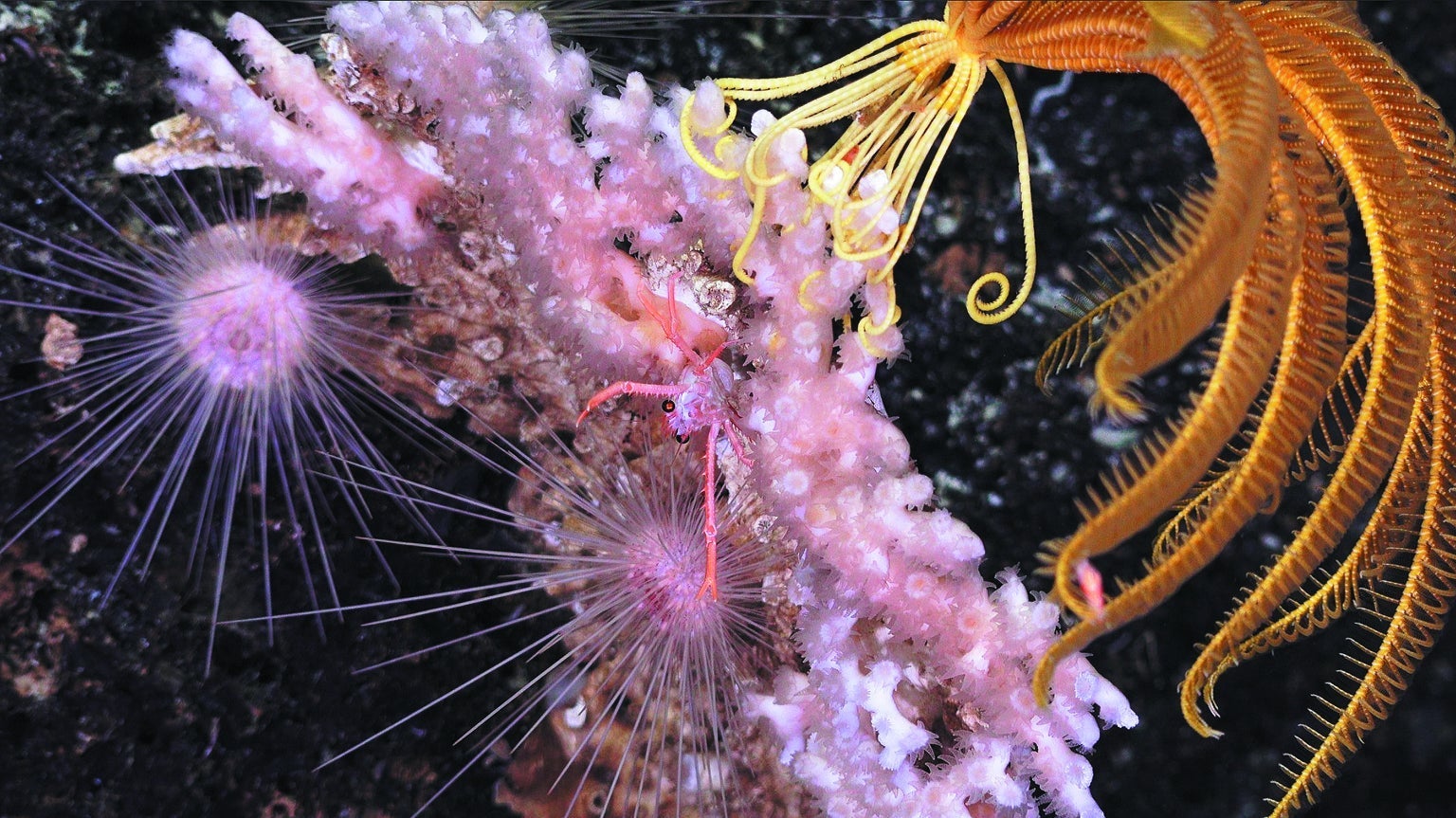
Key Highlights
- Marine Organisms and Immune Diversity: Unique immune systems in various marine species offer insights into evolutionary biology and potential therapeutic applications.
- Environmental Stressors and Ecosystem Health: Research reveals how pollutants and climate change impact the immune responses of marine life, emphasizing ecosystem monitoring.
- Biotechnological and Medical Advances: Bioactive compounds from marine organisms pave the way for novel drugs and immunomodulatory treatments.
Introduction to the Convergence
The merging interests between oceanography—the study of the world’s oceans—and immunology—the study of immune systems—have given rise to an exciting interdisciplinary field. Researchers are capitalizing on marine biodiversity to understand unique immune mechanisms within aquatic organisms, driving advancements in both ecological health monitoring and biomedical research. By studying marine immune responses in the context of varying environmental conditions, scientists can better predict the impacts of climate change and pollution on these intricate systems.
Marine Organisms: A Reservoir of Unique Immune Systems
Marine ecosystems host an array of organisms with diverse and often complex immune strategies. Unlike terrestrial counterparts, many marine species have evolved innate immune systems that are finely tuned to respond to constant exposure to pathogens in a highly dynamic environment. This comparative immunology approach sheds light on evolutionarily conserved pathways as well as innovative defense mechanisms unique to aquatic life.
Invertebrate Immunity
Many marine invertebrates, such as tunicates and horseshoe crabs, rely predominantly on innate immunity. For instance, horseshoe crab blood is used in the Limulus amebocyte lysate (LAL) test to detect bacterial contaminants in medical products. The robust yet simple immune responses of these organisms reveal the evolutionary origins and basic operations of innate immunity. Research in this area not only elucidates differences between invertebrate and vertebrate immune systems but also underscores the potential for discovering novel bioactive compounds.
Vertebrate and Fish Immunity
Marine vertebrates, including many fish species, possess adaptive immune systems. However, the interplay of environmental variables such as temperature and pollutants predominantly influences their immunological balance. This research is critical for understanding how changes in ocean chemistry affect pathogen resistance, with significant implications for aquaculture and sustainable fisheries management.
Environmental Stressors and Their Impact on Marine Immunity
Ocean environments are subject to a plethora of stressors including global warming, acidification, and chemical pollution. These stressors not only alter the physical and chemical makeup of marine habitats but also modulate the immune functions of the organisms residing within them.
Effects of Climate Change
Rising sea temperatures and shifting ocean currents play a pivotal role in shaping the immune responses of marine organisms. Studies have established a correlation between warmer temperatures and increased susceptibility to infectious diseases in marine species. This trend is essential in evaluating the cascade of ecological impacts linked to climate change, including the potential increase in zoonotic disease spillover.
Ocean Acidification
Ocean acidification, resulting from increased atmospheric carbon dioxide absorption by seawater, alters the pH balance in marine habitats. This change can profoundly affect the integrity and efficiency of immune responses. Organisms exposed to acidified waters might experience reduced capacity to ward off pathogens, a finding that underpins current environmental risk assessments.
Pollution and Contaminants
Chemical pollutants, including heavy metals and synthetic compounds, have been shown to impair the immune systems of various marine species. The presence of these substances can lead to a diminished defensive capability against pathogens. Monitoring immune responses thus serves as an essential indicator of environmental health and helps guide conservation strategies.
Biotechnological and Medical Innovations
One of the most promising aspects of studying the overlap between oceanography and immunology is the potential to discover new bioactive compounds. Marine organisms are a treasure trove of chemical diversity, and their unique immune systems produce substances that exhibit antiviral, antitumor, and immunomodulatory activities. These compounds are fueling research into new drug discoveries and therapeutic strategies.
Marine-Derived Bioactive Molecules
Innovative research has led to the isolation and characterization of several compounds from marine organisms that exhibit potent immunostimulatory and immunosuppressive properties. These molecules are invaluable in the development of new pharmacological agents. For example, immunomodulatory compounds help manage autoimmune diseases and improve vaccine efficacy.
Drug Discovery and Therapeutics
Extracts from marine animals, including toxins and peptides derived from invertebrates, are under intense investigation for potential therapeutic applications. Their unique structures often result in interactions with human immune receptors that are distinct from those involved in terrestrial organism immune responses. Consequently, these marine bioactives may become novel leads in the prevention and treatment of various diseases, including certain cancers and viral infections.
Aquaculture and Fisheries Management
In aquaculture, understanding marine immunity is key to promoting the sustainable rearing of fish and shellfish. Enhancing the immune function of these species can reduce the likelihood of disease outbreaks and improve overall stock resilience. This interdisciplinary approach involves applying immunological assays to assess the health of cultured marine species, thereby ensuring food safety and economic viability.
Interdisciplinary Research and Integrated Approaches
The convergence between oceanography and immunology fosters a rich interdisciplinary research environment. By integrating methodologies from both fields, scientists can approach ecological and medical challenges with novel perspectives. Immunological techniques are regularly adapted to study marine samples, whether testing for specific enzymes or identifying species through larval forms.
Innovative Research Techniques
Modern research leverages a suite of innovative techniques—ranging from immunoassays to molecular biology methods—to examine the immune responses in marine environments. Researchers often combine physical oceanographic data (such as temperature, salinity, and pH levels) with immunological profiles to create comprehensive assessments of ecosystem health. This integrated approach helps in discovering patterns that correlate with environmental change.
Comparative and Functional Analyses
Comparative studies that analyze the immune responses of different marine species reveal evolutionary adaptations. These studies help in understanding how similar immune strategies evolve under varying environmental pressures. For example, by comparing the immune mechanisms of deep-sea organisms and coastal species, researchers can identify unique strategies deployed in extreme environments.
Deep-Sea Discoveries
Advancements in deep-sea exploration have unveiled microorganisms with previously unknown immune attributes. These discoveries challenge current understanding of innate immunity and may offer clues to new therapeutic approaches. Deep-sea microbes often possess cell wall components that evade detection by the human immune system, prompting further research into their potential biotechnological uses.
Comparative Insights and Future Directions
As research in the intersection of oceanography and immunology grows, it holds the promise of bridging gaps between ecological research and human medicine. The comparative study of immune systems across species not only advances our understanding of marine biology but also aids in the discovery of new treatments and prevention measures for human diseases.
Research Case Studies
Several case studies illustrate the practical applications of this interdisciplinary research. Detailed investigations into the immune responses of marine invertebrates have uncovered unique defense mechanisms that can inform broader studies on immune modulation. These findings demonstrate the reciprocal benefits for both environmental management and improved human health outcomes.
Case Study Comparison Table
| Research Focus | Key Findings | Implications |
|---|---|---|
| Marine Invertebrate Immunity | Innate defense mechanisms with unique immune cells and humoral factors | Potential for novel bioactive compound discovery and evolutionary insights |
| Impact of Environmental Stressors | Temperature changes, pollutants, and acidification affect immune responses | Enhanced ecosystem monitoring and conservation strategies |
| Deep-Sea Microbial Studies | Identification of unique cell wall structures and immune evasion mechanisms | New avenues for biomedical research and drug discovery |
| Aquaculture Immunity Enhancement | Optimizing immune responses in fish and shellfish | Improving sustainability and reducing disease incidence in aquaculture |
Future Research Trajectories
The ongoing confluence of oceanography and immunology is likely to stimulate several future research directions. Scientists are expected to delve deeper into the molecular components of marine immune systems. This may include genome-wide analyses and advanced imaging techniques to visualize immune responses in situ. Additionally, interdisciplinary collaborations will drive the development of new biotechnological applications based on marine-derived compounds.
References
- Immunology in Biological Oceanography and Marine Ecology - TOS Oceanography
- Marine Biology Research Group - Israel Oceanographic & Limnological Research
-
PMC Article on Marine Immunology - NCBI
-
Immunity in Marine Invertebrates - ScienceDirect
-
Environmental Contaminants and Marine Immune Function - Frontiers in Marine Science
Recommended Queries for Further Insights
Last updated March 10, 2025