
Navigating the Digital Seas: A Deep Dive into Online Ship Software
Unlocking Efficiency and Innovation in Maritime and E-commerce Operations
Online ship software encompasses a broad spectrum of digital tools designed to optimize operations, whether managing a vast maritime fleet or streamlining e-commerce parcel deliveries. These solutions leverage modern technology to enhance efficiency, reduce costs, and improve overall management across various "shipping" contexts. From sophisticated marine fleet management systems to intuitive e-commerce shipping platforms, the digital transformation is reshaping how goods and vessels move globally.
Key Insights into Online Ship Software
- Dual Interpretations: The term "ship software" applies to two distinct but equally vital sectors: maritime fleet management (for actual ships and vessels) and e-commerce shipping (for parcels and goods). Understanding this duality is crucial for selecting the right solution.
- Automation and Optimization are Paramount: Regardless of the domain, the core value proposition of online ship software lies in its ability to automate repetitive tasks, optimize routes, manage inventory, track shipments, and provide real-time data, leading to significant time and cost savings.
- Integration and Data-Driven Decisions: Modern solutions prioritize seamless integration with existing platforms (e.g., ERP, WMS, e-commerce stores) and offer robust analytics and reporting tools. This enables data-driven decision-making, ensuring compliance, enhancing safety, and improving customer satisfaction.
The Two Worlds of "Ship Software"
When discussing "online ship software," it's essential to delineate between its two primary applications: maritime vessel management and e-commerce shipping. While both aim to streamline "shipping" processes, the scale, complexity, and specific functionalities differ significantly.
Maritime Fleet Management Software
This category refers to software designed for the comprehensive management of actual marine vessels, encompassing technical, operational, safety, and compliance aspects. These systems are crucial for ship owners, managers, and maritime authorities to maintain operational efficiency and ensure safety at sea. Key functionalities include voyage planning, fleet tracking, crew management, maintenance, and adherence to international regulations.
Core Functions of Marine Fleet Management
- Voyage Planning and Optimization: Tools to determine the most efficient routes, manage fuel consumption, and monitor real-time vessel location and status.
- Crew Management: Features for scheduling, certification tracking, payroll, and crew change management, ensuring compliance with manning requirements.
- Maintenance and Repair: Comprehensive planned maintenance systems (PMS) for preventive maintenance scheduling, inventory management for spare parts, and work order management.
- Safety and Compliance (QHSE): Tools to support adherence to international maritime regulations like SOLAS, ISPS, and MARPOL, including digital document management, audits, and safety management systems.
- Performance Analysis: Data analytics and business intelligence tools to gain operational insights, track key performance indicators, and optimize fleet performance.
Leading solutions in this domain, such as DNV's ShipManager, smartPAL, and SERTICA, offer modular systems that can be tailored to specific needs, from managing a few vessels to an entire fleet. These platforms facilitate seamless data exchange between shore and sea, providing real-time updates and enhancing overall control. Mobile apps also extend accessibility, allowing managers to monitor operations on the go.
E-commerce Shipping Software
This type of software is tailored for businesses that ship parcels and goods to customers, primarily within the e-commerce sector. Its goal is to simplify the entire delivery process, from order import and label printing to tracking and returns. E-commerce shipping software helps businesses of all sizes access discounted shipping rates, automate workflows, and improve the customer experience.
Key Features for E-commerce Shipping
- Multi-Carrier Integration: Connects with numerous domestic and international carriers (e.g., UPS, USPS, FedEx, DHL Express) to offer diverse shipping options and rate comparison.
- Automated Workflow: Automates label creation, order import from various e-commerce platforms (Shopify, Wix, eBay, Etsy, WooCommerce), and setting up shipping rules.
- Discounted Rates: Provides access to pre-negotiated shipping discounts, significantly reducing shipping costs for businesses.
- Shipment Tracking and Notifications: Offers real-time tracking with delivery status updates, often through online portals, mobile apps, SMS, or email notifications, improving customer satisfaction.
- Returns Management: Simplifies the return process with pre-paid return labels and automated return handling.
- Analytics and Reporting: Provides insights into shipping costs, delivery performance, and other key metrics to optimize logistics.
Popular e-commerce shipping software solutions include ShipStation, Easyship, Shippo, Ship.com, and Pirate Ship. These platforms are designed to scale with businesses, offering comprehensive features that save time and money, reduce manual errors, and enhance the overall customer experience.
The radar chart above illustrates a comparative analysis of critical performance indicators across both maritime and e-commerce "ship software" categories. It highlights the strengths and typical focus areas for each type of solution. For instance, maritime software excels in complex compliance and heavy maintenance, while e-commerce software leads in carrier integration and rate optimization.
The Role of Simulation in Maritime Operations
Beyond traditional management software, virtual reality (VR) and simulation tools play a critical role in maritime training and design. These simulators provide immersive, risk-free environments for practicing ship handling, emergency procedures, and even designing new vessel models. This technology significantly reduces the need for expensive physical resources and enhances the readiness of maritime professionals.
Video: Introducing Shipnet ONE, an integrated vessel management software ecosystem for the maritime industry.
This video provides an excellent overview of a modern integrated vessel management software ecosystem. It highlights how platforms like Shipnet ONE consolidate various aspects of ship management, from technical operations to crew management and compliance, into a single, cohesive system. This integrated approach is a defining characteristic of advanced maritime software, emphasizing real-time data flow and streamlined workflows.
Advanced Ship Simulators and Their Applications
- Training and Education: VR ship simulators, such as VirtualShip® by GDIT and SimFlex VR, allow trainees to experience realistic scenarios, including adverse weather conditions and equipment failures, without real-world risks. This includes practicing navigation, bridge operations, and emergency response.
- Ship Design and Prototyping: Tools like Wärtsilä Virtual Shipyard enable naval architects and engineers to design, edit, and test ship models virtually. Users can modify parameters, observe hydrodynamic behavior, and analyze fuel consumption in real-time or fast-time simulations.
- Operational Planning: Simulators can be used for pre-mission planning, allowing crews to familiarize themselves with specific routes, port approaches, and potential challenges in a virtual environment.
These simulation platforms, often built with high-fidelity hydrodynamics and comprehensive APIs, can integrate with various third-party systems, supporting diverse training and operational needs. They represent the cutting edge of digital tools for the maritime industry, bridging the gap between theoretical knowledge and practical application.
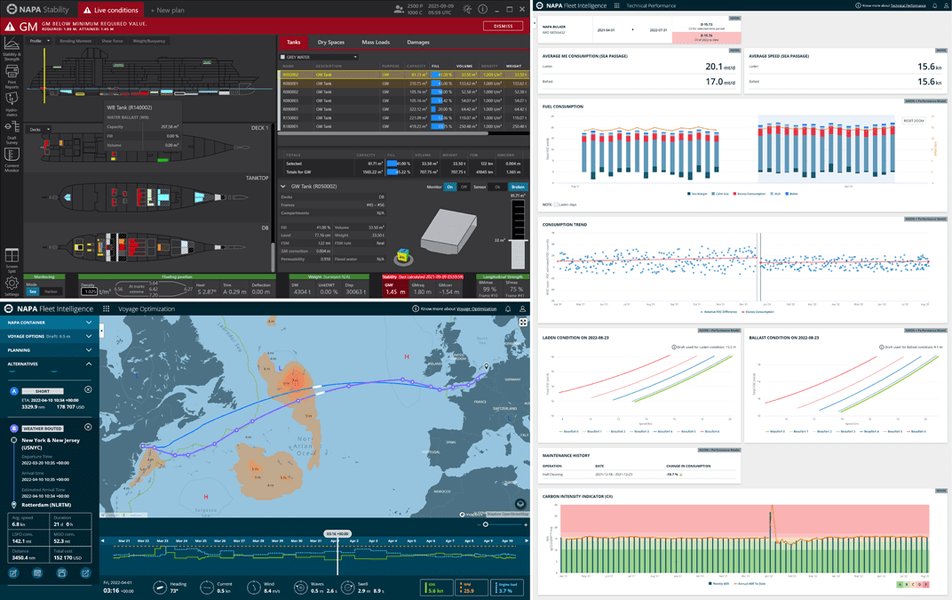
Image: Comprehensive views of a marine operations software system, showcasing data dashboards, ship models, and navigational tools.
Choosing the Right Online Ship Software
Selecting the appropriate online ship software depends entirely on the specific needs of the user—whether they are managing a physical fleet or an e-commerce shipping operation. However, several common considerations apply to both categories:
Key Selection Criteria
| Feature/Consideration | Relevance for Maritime Fleet Management | Relevance for E-commerce Shipping |
|---|---|---|
| Integration Capabilities | Crucial for connecting with ERP, procurement, and HR systems; vital for a data-smart fleet setup. | Essential for linking with e-commerce platforms (Shopify, Etsy), marketplaces, and inventory management systems. |
| Scalability | Supports growth from a few vessels to large fleets; modular solutions allow adding features as needed. | Accommodates increasing order volumes and expanding carrier networks; crucial for small businesses to enterprises. |
| Automation Features | Automates maintenance schedules, compliance reporting, and crew rostering, reducing manual effort. | Automates label printing, order import, and customer notifications, saving significant time. |
| Real-time Data & Analytics | Provides insights into vessel performance, fuel consumption, and operational status for informed decisions. | Offers shipment tracking, delivery status, and cost analysis, improving customer service and optimizing logistics. |
| User Interface & Ease of Use | Intuitive dashboards and mobile access for ship managers and crew, ensuring efficient data input and access. | User-friendly platforms simplify complex shipping processes for businesses of all sizes, from setup to daily operations. |
| Cost-Effectiveness | Reduces operational expenses through optimized routes, predictive maintenance, and efficient crew management. | Offers discounted shipping rates and reduces labor costs associated with manual shipping processes. |
| Support & Community | Access to expert support for complex maritime regulations and technical issues. | Responsive customer support for technical issues, platform integrations, and general shipping queries. |
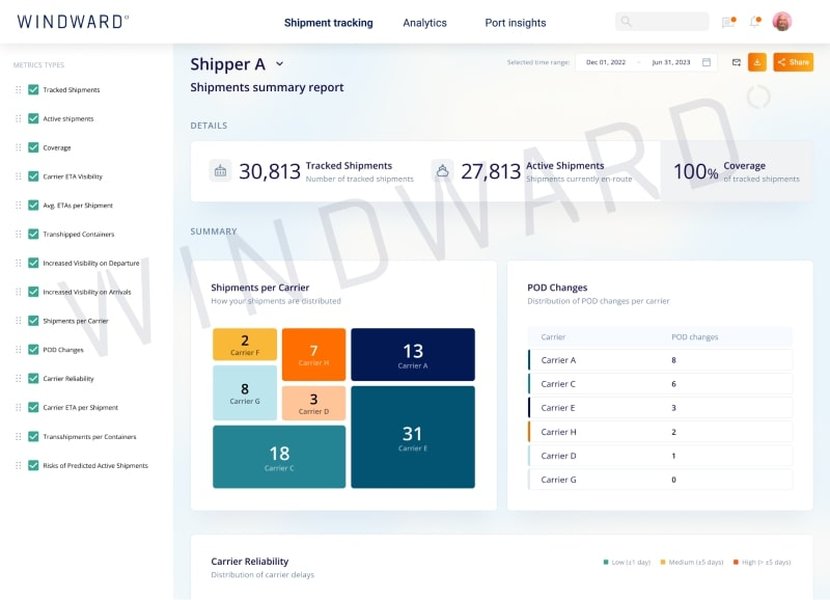
Image: A shipping analytics dashboard providing insights into logistics and supply chain performance.
Frequently Asked Questions (FAQ)
What is ship management software?
How does e-commerce shipping software benefit small businesses?
Can online ship software help with international shipping?
What is the purpose of a ship simulator?
Is "ship software" the same for logistics companies and maritime companies?
Conclusion
Online ship software, in its various forms, is an indispensable asset for modern businesses, whether operating a global shipping fleet or fulfilling e-commerce orders. The continuous evolution of these digital tools emphasizes automation, data integration, and real-time insights as core pillars for enhanced efficiency and strategic decision-making. By embracing these solutions, organizations can navigate complex operational landscapes, reduce costs, ensure compliance, and deliver superior service in an increasingly interconnected world.
Recommended Further Exploration
- How to select the best shipping software for a growing e-commerce business?
- What are the advantages of integrated maritime fleet management systems?
- Explore the role of AI and machine learning in optimizing logistics and supply chains.
- What are the future trends in virtual reality for maritime training and simulation?
References
Last updated May 21, 2025