
Unveiling the Blueprint: Mastering Stockpile Cover Design for Peak Performance and Protection
A structural engineer's definitive guide to optimizing stockpile covers for durability, environmental safety, and operational excellence.
Key Insights at a Glance
- Strategic Material Selection is Paramount: Choosing the right materials, such as UV-resistant Polyethylene (PE), Polypropylene (PP), or PVC, based on exposure duration and environmental conditions, is fundamental to a cover's longevity and effectiveness.
- Integrated Design Approach for Maximum Stability: Effective stockpile covers require a holistic design considering load management (wind, rain, snow), robust anchoring systems, site-specific geotechnical conditions, and custom fitting to prevent failure and ensure material integrity.
- Environmental Compliance and Operational Efficiency: Optimized covers significantly reduce environmental risks like stormwater pollution and dust emissions, aid in regulatory adherence, and enhance operational efficiency by preserving material quality and minimizing loss.
Introduction: The Engineering Behind Effective Stockpile Protection
In sectors ranging from mining and construction to agriculture and industrial manufacturing, stockpiles of bulk materials are valuable assets. Protecting these assets from the elements, contamination, and degradation is not merely an operational task but a complex engineering challenge. This guide, drawing from seasoned structural engineering expertise, delves into the principles of optimizing stockpile covers. We'll explore how intelligent design, material science, and strategic implementation can lead to durable, cost-effective, and environmentally sound stockpile management solutions, ensuring your resources remain secure and your operations compliant as of May 22, 2025.
The Multifaceted Importance of Stockpile Covers
Stockpile covers serve as a critical barrier, offering far more than simple physical shielding. Their importance spans environmental protection, material preservation, economic efficiency, and regulatory adherence. Properly engineered covers prevent the infiltration of rainwater, which can lead to erosion, leachate generation (like acid rock drainage - ARD), and contamination of local water bodies. They safeguard materials from UV degradation, wind erosion, spoilage, and contamination from pests or external debris, thus preserving their quality and economic value. Furthermore, effective covers are crucial for dust control, mitigating air pollution and associated health hazards, and helping operations meet stringent environmental regulations, thereby avoiding potential fines and operational disruptions.
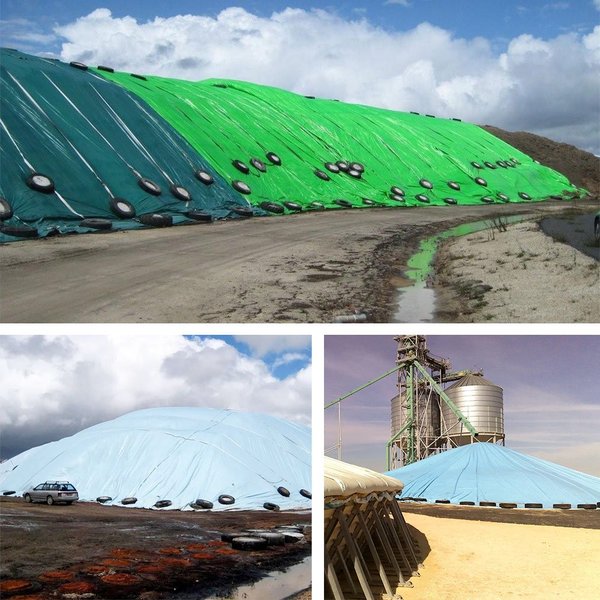
Diverse applications of stockpile covers protecting valuable materials.
Core Principles: A Structural Engineering Lens on Stockpile Cover Design
Optimizing stockpile covers demands a thorough understanding of structural mechanics, material science, and site-specific challenges. A structural engineer's approach focuses on creating a system that is not only robust but also tailored to the unique demands of the stockpiled material and its environment.
Material Selection: The Bedrock of Performance
The choice of cover material is a cornerstone of effective stockpile protection. The ideal material must offer a balance of durability, resistance to environmental stressors, and cost-effectiveness. Key considerations include:
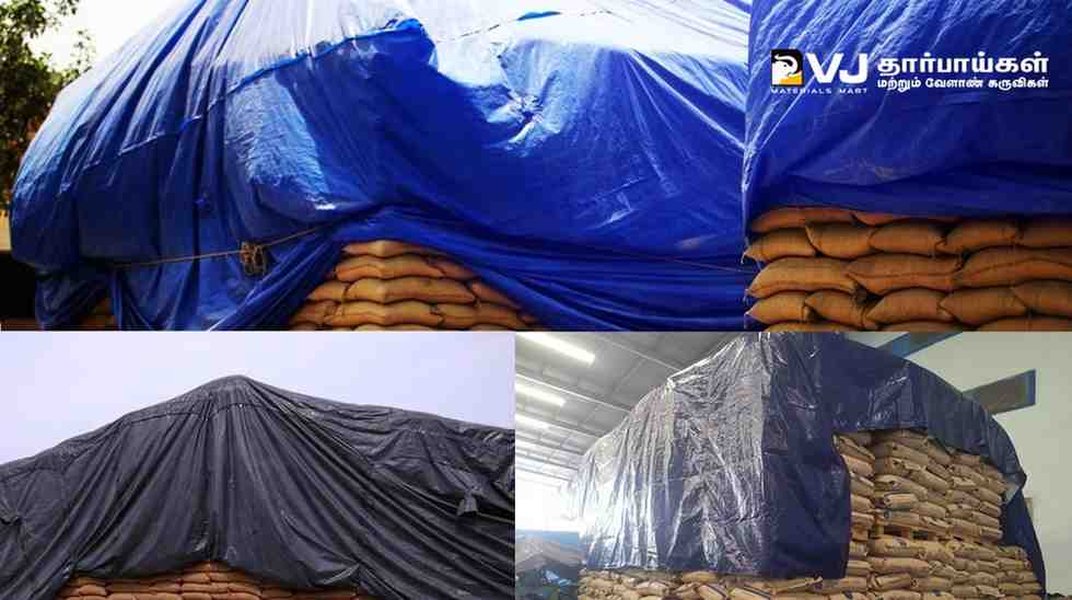
High-quality tarpaulin material designed for strength and weather resistance.
Key Material Types
Commonly used materials include Polyethylene (PE), Polypropylene (PP), and Polyvinyl Chloride (PVC) fabrics. PE and PP are favored for their high strength-to-weight ratio, UV resistance (when treated), and cost-effectiveness. PVC offers superior waterproofing, flexibility, and resilience in extreme climates, though often at a higher cost.
Essential Properties
- UV Resistance: Materials treated with UV inhibitors are crucial to prevent degradation from prolonged sun exposure, significantly extending the cover's lifespan.
- Thickness and Strength: Material thickness (measured in mils or ounces per square yard) and tensile strength dictate its ability to withstand physical stresses. Rip-stop or reinforced scrim designs enhance tear and puncture resistance.
- Waterproofing: Impermeability is essential to protect materials from rain and snow. Heat-welded or factory-sealed seams ensure a watertight barrier.
- Chemical Resistance: Depending on the stockpiled material, the cover may need to resist chemical reactions or degradation.
The Interconnected Web of Design Decisions: A Mindmap View
Optimizing stockpile covers involves a complex interplay of various factors. From initial objectives to material selection and lifecycle management, each decision influences the overall effectiveness and longevity of the cover system. This mindmap illustrates these critical interconnections, providing a holistic overview for strategic planning and engineering.
(Quality & Quantity)"] id1b["Environmental Protection
(Water, Air, Soil)"] id1c["Regulatory Compliance"] id1d["Structural Stability
(Pile & Cover)"] id1e["Operational Efficiency
& Cost-Effectiveness"] id2["Key Engineering Considerations"] id2a["Material Selection"] id2a1["Polyethylene (PE)"] id2a2["Polypropylene (PP)"] id2a3["PVC Coated Fabrics"] id2a4["UV Resistance & Inhibitors"] id2a5["Thickness, Strength & Durability"] id2a6["Waterproofing & Seam Integrity"] id2b["Load Management"] id2b1["Wind Loads (Uplift & Drag)"] id2b2["Precipitation Loads (Rain, Snow, Ice)"] id2b3["Material-Induced Stresses"] id2c["Anchoring & Securement"] id2c1["Perimeter Weighting (Sandbags, Ballast)"] id2c2["Mechanical Fasteners & Tie-downs"] id2c3["Cable Systems & Netting"] id2c4["Embedment Anchors"] id2d["Site Assessment & Preparation"] id2d1["Geotechnical Conditions (Foundation)"] id2d2["Surface Water Drainage Design"] id2d3["Stockpile Geometry & Dimensions"] id2d4["Accessibility for Installation/Maintenance"] id3["Advanced Solutions & Innovations"] id3a["Multi-Layer Cover Systems"] id3b["Custom-Fit & Prefabricated Designs"] id3c["Smart Monitoring (Drones, LiDAR, Sensors)"] id3d["Evapotranspiration (ET) Covers"] id4["Lifecycle Management"] id4a["Proper Installation Techniques"] id4b["Regular Inspection Protocols"] id4c["Preventative & Corrective Maintenance"] id4d["End-of-Life Considerations"]
Material Showdown: A Comparative Look at Stockpile Cover Options
Selecting the right material is a critical decision in stockpile cover design. This table provides a comparative overview of common materials, highlighting their key characteristics to aid in making an informed choice based on specific project requirements and environmental conditions.
| Feature | Polyethylene (PE) (Standard Grade, e.g., 6-10 mil) | Polyethylene (PE) (Reinforced/Heavy-Duty, e.g., 12-20+ mil) | Polypropylene (PP) (Woven, Coated) | PVC Coated Fabric (e.g., 18-30 oz) |
|---|---|---|---|---|
| Durability | Moderate | High | High | Very High |
| UV Resistance | Good (with inhibitors) | Very Good to Excellent (with enhanced inhibitors) | Good (often requires coating for best UV performance) | Excellent |
| Waterproofing | Excellent | Excellent | Good (coating dependent) | Excellent |
| Puncture/Tear Resistance | Moderate | Good to Very Good (especially reinforced versions) | Very Good (due to woven structure) | Excellent |
| Weight | Lightweight | Moderate | Lightweight to Moderate | Moderate to Heavy |
| Estimated Lifespan | 1-3 years | 3-7+ years | 2-5+ years | 5-15+ years |
| Relative Cost | Low | Moderate | Moderate | High |
| Common Applications | Short-term storage, general purpose, smaller piles | Medium to long-term storage, harsh conditions, larger piles, remediation projects | Agricultural covers (grain), construction materials, intermediate-term storage | Long-term industrial applications, large custom covers, demanding environments |
Structural Integrity and Load Management
A stockpile cover must withstand various environmental loads to maintain its integrity and protective function.
Understanding Load Factors
Engineers meticulously calculate potential loads, including wind uplift and drag forces, the weight of accumulated rain or snow, and stresses induced by the stockpile's shape and material. Local meteorological data is essential for determining design wind speeds and precipitation patterns.
Anchoring and Securement Systems
Robust anchoring is critical, especially in windy locations. Methods range from simple perimeter weighting with sandbags or ballast chains to sophisticated systems involving cables, ropes, specialized mechanical fasteners (e.g., Symmloc), and ground anchors. Reinforced hems, heavy-duty grommets, and webbing loops are integral to secure attachment.
Customization, Fit, and Geotechnical Grounding
The Importance of a Custom Fit
Off-the-shelf tarps rarely provide optimal coverage for irregularly shaped stockpiles. Custom-fabricated covers, tailored to the specific dimensions and contours of the pile, minimize flapping, reduce stress concentrations, prevent water pooling, and ensure a tighter, more effective seal. This precision fit extends the cover's life and enhances its protective capabilities.
Geotechnical Considerations for Foundation Stability
For long-term or critical stockpiles, especially those involving engineered cover systems, the underlying ground conditions are important. Unsuitable soils may need to be excavated and replaced with engineered fill to prevent foundation instability. Effective site drainage is crucial to prevent excess pore water pressure in the foundation soils, which could compromise the stability of both the stockpile and its cover system.
Environmental Responsibility and Regulatory Adherence
Modern stockpile management places a strong emphasis on minimizing environmental impact and adhering to increasingly stringent regulations.
Minimizing Environmental Impact
Optimized stockpile covers are a frontline defense against environmental contamination. They play a key role in:
- Stormwater Management: Preventing rainwater from contacting materials reduces polluted runoff, safeguarding nearby watercourses and groundwater.
- Dust Control: Covers significantly limit the emission of particulate matter, improving air quality and protecting worker health and surrounding communities.
- Leachate Prevention: By minimizing water infiltration, covers reduce the generation of potentially harmful leachates, such as Acid Rock Drainage (ARD) from mine waste stockpiles.
Navigating Regulatory Landscapes
Compliance with local, regional, and national environmental regulations is non-negotiable. Effective stockpile covers help operations meet requirements related to stormwater discharge (e.g., NPDES permits), air quality standards, and waste management protocols. Proper documentation of cover design, installation, and maintenance can be vital during regulatory inspections.
Innovations Shaping the Future of Stockpile Protection
The field of stockpile cover technology is continually evolving, driven by demands for greater durability, environmental performance, and operational efficiency. Engineered structures, such as domes and long-span buildings, offer comprehensive protection for very large or sensitive stockpiles.
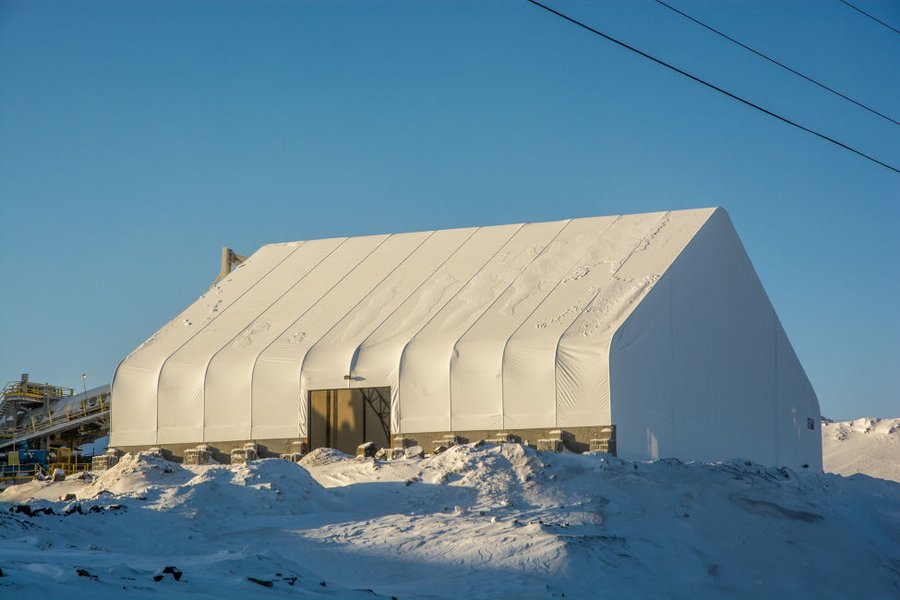
Engineered dome structures provide robust, long-term protection for large-scale stockpiles.
Multi-Layer Cover Systems
Some advanced systems utilize a two-cover approach: a solid, waterproof base layer combined with a permeable mesh top layer. The mesh layer helps to diffuse wind energy and allows wind to pass between the layers, reducing uplift forces on the primary waterproof cover and providing enhanced stability in very windy conditions.
Technological Advancements in Monitoring
Drones and LiDAR (Light Detection and Ranging) technology are increasingly used for precise stockpile volume measurement and cover integrity inspections. These tools offer efficient, safe, and cost-effective ways to monitor stockpile conditions and inform maintenance decisions.
Eco-Friendly and Sustainable Solutions
There's a growing interest in "green" or evapotranspiration (ET) covers, particularly for reclamation of mine waste. These covers use soil and vegetation to store and then release water to the atmosphere through evaporation and plant transpiration, limiting deep percolation. While more complex, they can offer sustainable long-term solutions.
Visualizing Key Performance Indicators for Stockpile Covers
Choosing the optimal stockpile cover involves balancing multiple performance factors. This radar chart provides a visual comparison of different hypothetical stockpile cover systems across several key performance indicators (KPIs). The ratings (on a scale typically from a low positive value to 10, where higher is better) are illustrative and would vary based on specific material grades, site conditions, and design details. This visualization helps in understanding the trade-offs involved in selecting a cover system. For instance, a basic tarpaulin might be cost-effective but score lower on durability and wind resistance compared to an engineered dome structure.
Best Practices: Installation, Monitoring, and Maintenance
Even the best-designed cover can fail if not installed and maintained correctly. A proactive approach to lifecycle management is key to maximizing performance and lifespan.
Proper Installation Techniques
Installation should always follow manufacturer guidelines and engineering specifications. This includes ensuring the stockpile surface is appropriately prepared (e.g., smooth, free of sharp objects), deploying the cover carefully to avoid damage, and securing all anchor points correctly. For large covers, specialized equipment and experienced crews may be necessary.
Ongoing Monitoring and Proactive Maintenance
Regular inspections are crucial for identifying potential issues before they escalate. Look for:
- Tears, punctures, or abrasions in the cover material.
- Loose or damaged anchorages.
- Areas of water ponding or excessive tension.
- Signs of undermining or erosion at the cover edges.
Practical Stockpile Management: Learning from the Field
Understanding best practices in stockpile management is essential for ensuring the effectiveness of any cover system. This video provides valuable insights into managing stockpiles, which complements the structural engineering aspects of cover design by highlighting practical operational considerations. It reviews best practices for municipal staff and contractors, covering aspects that are crucial for maintaining stockpile integrity and environmental safety, aligning well with the objectives of using optimized covers.
Instructional video on best practices for stockpile management.
Frequently Asked Questions (FAQs)
What are the primary benefits of using optimized stockpile covers?
How do I choose the right material for my stockpile cover?
What is the typical lifespan of a stockpile cover?
Are custom-made stockpile covers better than standard-sized ones?
How critical is the anchoring system for a stockpile cover?
Conclusion: Engineering Resilience into Your Stockpiles
Optimizing stockpile covers is a vital intersection of structural engineering, material science, and environmental stewardship. By applying sound engineering principles to design, material selection, installation, and maintenance, organizations can significantly enhance the protection of their valuable bulk materials, ensure regulatory compliance, and promote sustainable operational practices. A well-engineered stockpile cover is not an expense but an investment in asset preservation, operational efficiency, and environmental responsibility. As technology and materials continue to advance, the potential for even more resilient and effective stockpile cover solutions will only grow, safeguarding resources for the future.
Recommended Further Exploration
- Explore a detailed comparison of polyethylene versus PVC stockpile cover durability under extreme climatic conditions.
- Investigate advanced anchoring techniques specifically designed for large-scale stockpile covers situated in high-wind regions.
- Understand the crucial role of geotechnical engineering in ensuring the long-term stability of stockpiles and the integrity of their cover systems.
- Conduct a cost-benefit analysis comparing investments in custom-fitted stockpile covers versus standard options for various industrial applications.
Referenced Search Results
 media.defense.gov