
Customized Strategies for Antidepressant Withdrawal
Explore personalized, medically supervised, and comprehensive approaches for safe antidepressant tapering
Key Insights
- Gradual Dose Reduction: A tailored tapering schedule minimizes withdrawal symptoms.
- Medical and Psychological Support: Professional oversight and supportive therapies ensure safety and stability.
- Individualized Planning: Assessment of treatment history, medication type, dosage, and patient-specific factors to design optimal strategies.
Understanding the Need for Personalized Approaches
The process of withdrawing from antidepressants is highly individualized due to variations in treatment duration, medication types, dosages, and patient health profiles. Because abrupt cessation of these medications can lead to serious withdrawal symptoms and a risk of relapse, developing a plan that guarantees gradual reduction with careful monitoring is crucial. A personalized approach considers both the physiological and psychological impacts of withdrawal, ensuring that each step is tailored to the patient’s specific needs.
Individual Assessment
Prior to initiating a withdrawal plan, a comprehensive evaluation conducted by healthcare professionals is essential. The evaluation encompasses:
- Medical History: Analysis of previous responses, side effects, and any adverse reactions to the antidepressant.
- Medication Details: Type of antidepressant, its half-life, dosages, and duration of treatment which influence how the tapering process is structured.
- Overall Health: Current physical and mental health status including any co-existing conditions that might complicate the withdrawal phase.
This initial evaluation ensures that both medical and psychological factors are taken into account, allowing for a comprehensive, individualized plan that minimizes withdrawal discomfort.
Gradual Dose Reduction
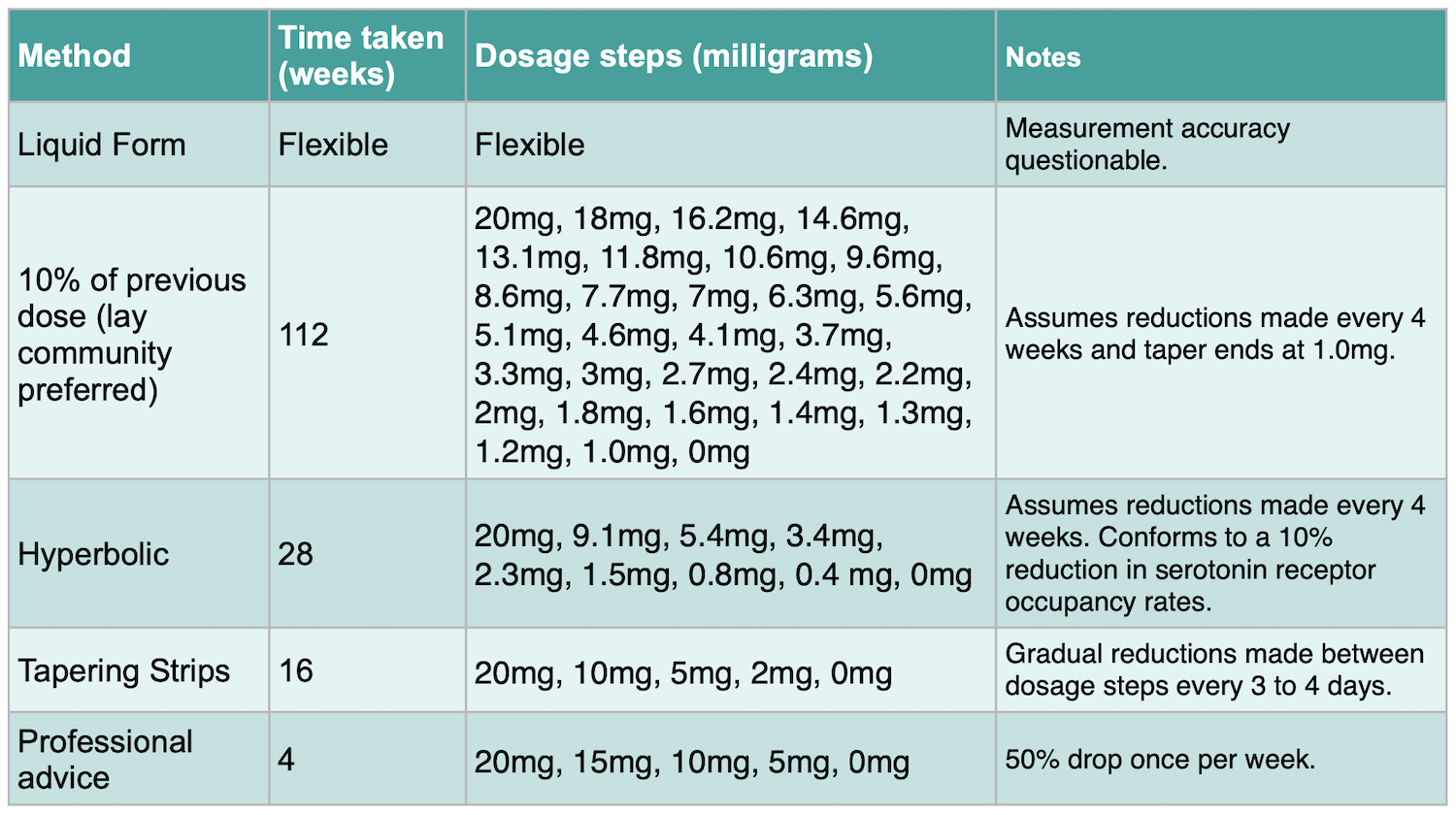
One of the most widely endorsed strategies for antidepressant withdrawal is the gradual reduction of the medication dosage. Typically, the dose is reduced by about 5 to 10% every 1 to 4 weeks, depending on several critical aspects:
- Medication Characteristics: Antidepressants vary in half-life and receptor binding affinities. Medications like paroxetine, venlafaxine, and duloxetine are known for causing more intense withdrawal symptoms if discontinued abruptly.
- Duration of Treatment: Individuals on long-term antidepressant therapy might require a more extended tapering schedule, sometimes over several months or even years, compared to those on a shorter-term regimen.
- Patient Response: Close monitoring of the patient's response to dose reduction is crucial. Adjustments in the tapering schedule must be made based on emerging withdrawal symptoms and overall tolerance.
The gradual tapering allows the brain and body to slowly adjust to reduced levels of medication. This tailored method minimizes the risk of experiencing severe discontinuation symptoms such as dizziness, nausea, irritability, and emotional instability.
Medical Supervision and Follow-Up
Medical guidance is an essential component during the withdrawal process. Regular follow-ups with a healthcare provider not only facilitate adjustments in the tapering schedule but also provide a support system for monitoring any emerging complications. Key aspects of medical supervision include:
- Routine Medical Check-ups: Frequent appointments to evaluate the physiological and mental state, ensuring that any side effects or withdrawal symptoms are appropriately managed.
- Tailored Adjustments: The ability to modify the reduction plan if the patient exhibits signs of distress or if unexpected symptoms arise ensures safety.
- Documentation: Keeping a detailed record of dosage changes and patient responses aids in refining a personalized approach over time.
The involvement of healthcare professionals not only guarantees the safe execution of the withdrawal strategy but also offers patients reassurance and professional support throughout the process.
Supportive Psychological Therapies
Psychological support is often integrated alongside the tapering schedule to help manage the mental and emotional challenges associated with withdrawal. Incorporating therapies such as Cognitive Behavioral Therapy (CBT) or Dialectical Behavior Therapy (DBT) offers several benefits:
- Emotional Stability: Therapy assists in coping with mood fluctuations and anxiety that might arise during the withdrawal process.
- Stress Management: Techniques learned through therapy help individuals manage stress, reducing the risk of relapse.
- Tool Development: Ensures that patients acquire practical strategies for dealing with emotional distress without reliance on medication.
Additionally, peer support groups and counseling can complement these therapies by providing a network of individuals undergoing similar challenges, fostering a sense of community and shared experience.
Complementary Therapies and Lifestyle Adjustments
In many cases, healthcare professionals may recommend complementary therapies to assist with the withdrawal process. These approaches may include:
- Mindfulness and Meditation: Practices that help reduce anxiety and encourage relaxation during the withdrawal phase.
- Physical Exercise: Regular activity can improve mood, reduce stress, and promote overall physical well-being, all of which are vital during the tapering process.
- Supplementation: Certain supplements, as advised by a physician, might help stabilize the nervous system and reduce physiological discomfort.
- Healthy Nutrition: A balanced diet supports overall mental and physical health during withdrawal.
These lifestyle changes not only enhance the effectiveness of a personalized withdrawal plan but also promote long-term mental health and resilience.
Integrated Tapering Schedules
The creation of an integrated tapering schedule combines the gradual dose reduction strategy with regular medical check-ups and psychological support. An effective tapering schedule takes into account several key factors:
- Initial Reduction Phase: The process typically starts with slight reductions, during which the patient’s initial reactions are monitored closely.
- Intermediate Adjustments: Depending on the patient’s response, the tapering schedule is modified. A slower taper might be necessary if withdrawal symptoms become pronounced.
- Stabilization Periods: Inserting pauses or stabilization periods between dose reductions can help the body adjust gradually to lower medication levels.
- Final Phase: The tapering process usually concludes with very minimal doses of the medication before a complete discontinuation, ensuring minimal physiological shock.
The table below illustrates an example of how an integrated tapering schedule might be structured:
Example Tapering Schedule
| Dose Level | Duration | Key Considerations |
|---|---|---|
| 100% (Initial) | Baseline | Full regular dose; establish baseline symptoms |
| 95% - 90% | 1-4 weeks | Monitor for mild withdrawal symptoms; adjust periods if necessary |
| 80% | 4-6 weeks | Increase supervision; consider psychological therapy support |
| 60% - 50% | 6-8 weeks | Possible stabilization period inserted; manage emerging side effects |
| 30% - 10% | 8-10 weeks | Taper more gradually; close monitoring and supportive therapies become crucial |
| 0% (Discontinuation) | Final phase depends on individual response | Continue follow-up to ensure long-term stability |
Critical Considerations for a Successful Withdrawal Process
Risk Management and Safety Protocols
Safety is paramount when planning and executing the withdrawal from antidepressants. A well-structured approach incorporates several risk management protocols:
- Monitoring for Withdrawal Symptoms: Common side effects include dizziness, nausea, insomnia, mood swings, and flu-like symptoms. Immediate consultation with a healthcare provider is necessary if these symptoms become severe.
- Preventing Relapse: Abrupt discontinuation can increase the risk of a depressive relapse. It is critical to maintain ongoing assessment of mental health during the withdrawal process.
- Individualized Dosage Adjustments: Avoiding a one-size-fits-all approach, the plan should allow for modifications based on patient feedback and clinical observations.
Benefits of a Personalized Tapering Approach
A tailored, gradual reduction process offers multiple advantages:
- Minimized Withdrawal Discomfort: Gradual tapering reduces the intensity of withdrawal symptoms and Eases the transition off medication.
- Improved Safety Profile: Continuous monitoring and medical oversight decrease the risk of complications.
- Enhanced Long-Term Outcomes: Supportive psychological therapies and lifestyle interventions foster resilience and contribute to sustained mental health post-withdrawal.
Supplementary Information and Practical Tips
Adjunct Therapies and Lifestyle Considerations
In addition to a medically supervised tapering schedule, integrating supplementary therapies and making sustainable lifestyle changes can play a crucial role in a successful withdrawal:
- Exercise and Nutrition: Regular physical activity and a balanced diet support overall well-being. Exercise has been shown to reduce anxiety and depression symptoms, while proper nutrition helps stabilize energy levels.
- Mindfulness and Relaxation Techniques: Mindfulness meditation, yoga, and other relaxation techniques can significantly reduce stress levels and promote a calm mental state, aiding in symptom management during withdrawal.
- Social Support: Engaging with therapy groups or support communities provides emotional backing, which is invaluable during the potentially challenging withdrawal phase.
Collaboration with Healthcare Providers
Collaboration between the patient, medical practitioners, and mental health professionals is key to ensuring the success of an antidepressant withdrawal plan. Regular dialogues, adjustments based on clinical feedback, and co-management of potential complications contribute to a smooth transition. Patients are encouraged to ask questions, report unexpected symptoms, and remain proactive in participating in their own health decisions.
Practical Guidelines in Table Format
The following table summarizes the primary elements of a personalized withdrawal plan:
| Component | Description | Significance |
|---|---|---|
| Medical Evaluation | Comprehensive assessment including medical history and current symptomatology | Identifies risks and tailors the reduction schedule |
| Gradual Tapering | Dose reduction typically by 5-10% every 1 to 4 weeks | Prevents severe withdrawal symptoms and relapse |
| Medical Supervision | Frequent consultations with healthcare professionals | Allows timely adjustments based on clinical feedback |
| Psychological Support | Incorporation of therapies such as CBT and DBT | Helps manage emotional and psychological challenges |
| Complementary Therapies | Mindfulness, exercise, nutrition, and lifestyle adjustments | Enhances overall health and supports withdrawal process |
References
- Comment Arrêter en Douceur les Antidépresseurs ? (Guide) - Feel App
- Sevrage d'un Antidépresseur : Comment et Quand Commencer - Psyway
- Syndrome de Sevrage des Antidépresseurs - Kmetrix
-
Arrêter les Antidépresseurs ? Mais Comment ? - VIDAL
- Quelle est la bonne manière d'arrêter les Antidépresseurs ? - National Geographic
Recommended Related Queries
Last updated March 23, 2025