
Exploring the Connection Between Phytonutrients and Bipolar Disorder
Understanding dietary impacts on mood and neuroprotection
Key Takeaways
- Antioxidant and Anti-Inflammatory Effects: Phytonutrients have powerful antioxidant and anti-inflammatory properties that may help counteract oxidative stress and inflammation, factors often linked with mood dysregulation in bipolar disorder.
- Neuroprotective and Cognitive Benefits: These bioactive compounds may support brain health through neuroprotection and enhanced neurogenesis, potentially assisting in stabilizing mood and improving cognitive function.
- Complementary Role in Holistic Treatment: A diet rich in phytonutrients serves as a complementary strategy alongside established pharmacological and psychotherapeutic treatments, supporting overall mental health.
Introduction
Bipolar disorder is a complex mental health condition that involves dramatic fluctuations in mood, energy, and activity levels. While pharmacological treatments and various forms of therapy remain the cornerstone of managing bipolar disorder, recent research is exploring complementary strategies to support these methods. One such area of interest is the role of phytonutrients—naturally occurring compounds found in plant-based foods—in supporting mental health and potentially alleviating some symptoms associated with bipolar disorder.
Although there is limited direct research examining the specific effects of phytonutrients on bipolar disorder, ample evidence points to their beneficial impact on overall brain health. The antioxidant, anti-inflammatory, and neuroprotective properties of phytonutrients are thought to provide indirect support in managing mental health conditions. This comprehensive review examines the mechanisms through which phytonutrients may affect bipolar disorder, the current state of research, practical dietary recommendations, and future directions in this emerging field.
Mechanisms of Action
Antioxidant Properties
Oxidative stress occurs when there is an imbalance between free radicals and antioxidants in the body, leading to cellular damage. Individuals with bipolar disorder often exhibit increased oxidative stress and lower levels of certain antioxidant vitamins such as A, C, and E. Phytonutrients, found abundantly in fruits, vegetables, nuts, and seeds, are rich in these antioxidants and work to neutralize free radicals. By mitigating oxidative stress, these compounds may protect neurons and improve mood regulation.
Anti-Inflammatory Effects
Chronic inflammation has been implicated in mood disorders, including bipolar disorder. Phytonutrients are known for their anti-inflammatory properties. For example, compounds such as polyphenols, flavonoids, and carotenoids act to reduce inflammatory cytokines and suppress pro-inflammatory pathways in the brain. Lower levels of inflammation can help stabilize mood swings and contribute to the overall regulation of mood in affected individuals.
Neuroprotective Benefits
The neuroprotective effects of phytonutrients are of particular interest when considering their potential role in mental health. Neuroprotection involves safeguarding nerve cells (neurons) from damage or degeneration. Phytonutrients may enhance neurogenesis—the process of generating new neurons—and support synaptic plasticity, thereby contributing to improved cognitive functions and stabilized mood. Although studies have primarily been conducted in animal models or in vitro, findings suggest that the maintenance of neural integrity could be beneficial in buffering the neuroprogressive aspects of bipolar disorder.
Reduction of Oxidative Stress
Oxidative stress not only results in cellular damage but also affects neurotransmitter function and neural signaling. Phytonutrients such as curcumin (found in turmeric) have been shown to have significant effects on reducing oxidative stress. This reduction in oxidative load is critical as it preserves brain cell function, potentially improving the efficacy of signal transmission in neural circuits, which in turn may alleviate some of the cognitive and mood-related symptoms seen in bipolar disorder.
Current Research and Evidence
The interest in the intersection of nutrition and mental health has led to several exploratory studies looking at the effects of phytonutrients on mood disorders. Although direct evidence linking phytonutrients exclusively to bipolar disorder is limited, research on broader mental health outcomes provides useful insights:
Clinical Observations and Epidemiological Studies
Diets rich in fruits and vegetables—primary sources of phytonutrients—are consistently associated with reduced rates of mood disorders. Epidemiological studies have suggested that individuals consuming plant-rich diets have lower instances of depression and anxiety, conditions that are often comorbid with bipolar disorder. These observations highlight the promising role of a phytonutrient-dense diet in supporting mental health.
Pilot Studies and RCTs
Preliminary clinical trials have investigated the adjunctive use of phytonutrients, such as curcumin and resveratrol, in the treatment of depressive symptoms. In controlled trials where patients with major depressive disorder received curcumin supplementation along with conventional treatments, improvements in mood and reductions in inflammatory markers were observed. Given the overlapping pathways involved in mood regulation, it is plausible that similar benefits might be extended to patients with bipolar disorder, although more targeted research is needed.
Animal Models and In Vitro Studies
Experiments in animal models have demonstrated that phytonutrients can reduce neuroinflammation and promote neuronal health. These studies, while not directly translatable to human bipolar disorder, provide mechanistic insights into the potential benefits of phytonutrients. The antioxidant and anti-inflammatory actions observed in these models could help explain the improvements in brain health markers, which in turn may help mitigate mood instability.
Practical Considerations and Limitations
It is critically important to note that while the mechanistic pathways and early clinical observations are promising, phytonutrients should not be seen as a stand-alone treatment for bipolar disorder. The condition is multifactorial, involving complex interactions of genetic, environmental, neurochemical, and lifestyle factors. The current body of evidence supports the role of phytonutrients as a complementary strategy rather than a replacement for traditional pharmacological treatments.
Additionally, factors such as dosage, bioavailability, and individual differences in metabolism can influence the effectiveness of phytonutrient supplementation. Consultation with healthcare professionals is essential before making any significant dietary changes or starting supplementation, especially considering potential interactions with mood-stabilizing medications.
Dietary Recommendations and Holistic Approaches
Whole Foods Over Supplements
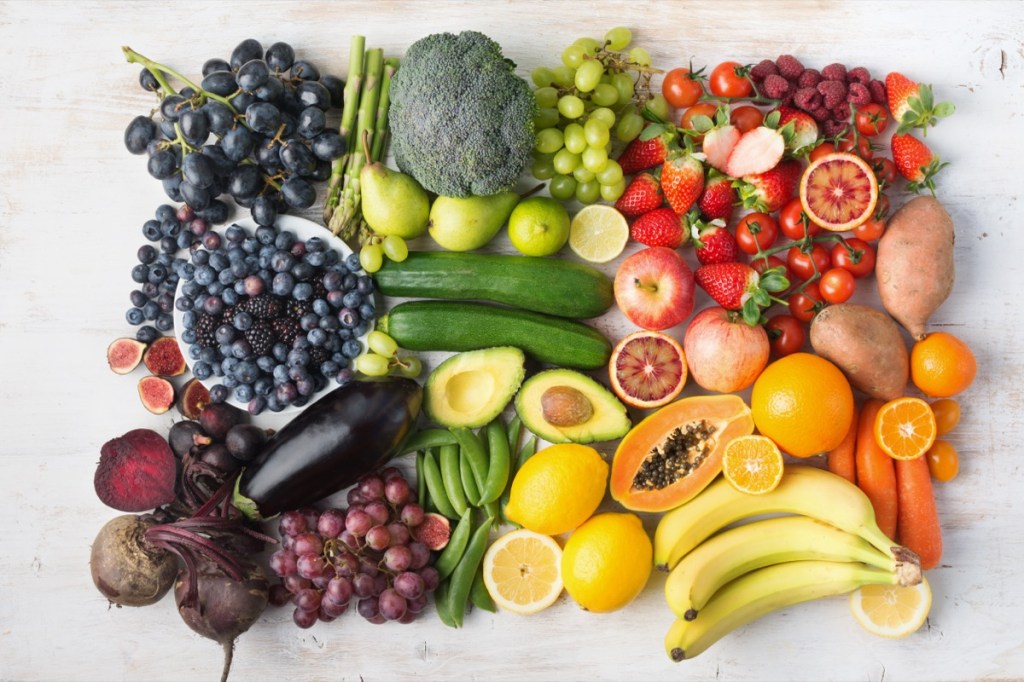
A holistic approach to managing bipolar disorder should emphasize a balanced diet that includes a variety of phytonutrient-rich whole foods. While supplements can be beneficial in certain cases, evidence generally favors the consumption of whole foods, which offer a synergistic mix of vitamins, minerals, fiber, and antioxidants. Examples of foods high in phytonutrients include:
-
Dark Green Leafy Vegetables: Kale, spinach, and collard greens provide vitamins, minerals, and a variety of antioxidants.
-
Berries: Blueberries, strawberries, and raspberries are rich in flavonoids and other beneficial polyphenols.
-
Nuts and Seeds: Almonds, walnuts, chia seeds, and flaxseeds are excellent sources of healthy fats and antioxidants.
-
Herbs and Spices: Turmeric (rich in curcumin), rosemary, sage, and oregano can be incorporated for their anti-inflammatory benefits.
-
Citrus Fruits: Oranges and grapefruits not only provide vitamin C but also other crucial phytochemicals.
Diet Patterns and Mental Health
Emphasizing an overall dietary pattern, such as the Mediterranean diet, may be particularly beneficial for individuals with bipolar disorder. This diet is not only rich in phytonutrients but also includes healthy fats, lean proteins, and whole grains, which collectively contribute to reducing systemic inflammation and supporting brain health. Studies indicate that adherence to such diets is associated with improved mood stability and overall mental well-being.
Integration With Conventional Therapies
The incorporation of phytonutrient-rich foods into a daily diet should be viewed as a complementary measure to conventional treatments for bipolar disorder. Medication and psychotherapy remain the first-line treatments, and any dietary modifications should be discussed with healthcare practitioners to ensure safety and compatibility with existing treatment regimens. A comprehensive treatment plan that includes nutritional strategies alongside traditional therapies can provide a more holistic approach to managing the condition.
Patient-Centered Considerations
Personalization of dietary recommendations is important. Factors such as individual nutritional deficiencies, comorbid conditions, and medication interactions must be accounted for. Regular assessments by both mental health professionals and nutritional experts can help tailor specific dietary modifications that support overall treatment goals. Lifestyle choices, including regular physical activity, stress management, and adequate sleep, further enhance the benefits offered by a nutrient-dense diet.
Illustrative Summary Table
The table below summarizes key phytonutrients of interest, their primary sources, and their proposed benefits that may impact mental health and mood regulation:
| Phytonutrient | Common Food Sources | Potential Benefits for Bipolar Disorder |
|---|---|---|
| Curcumin | Turmeric, curry, ginger | Reduces inflammation and oxidative stress; supports mood stability |
| Flavonoids (e.g., Quercetin) | Apples, onions, berries | Antioxidant and anti-inflammatory; neuroprotective effects |
| Polyphenols (e.g., Resveratrol) | Grapes, red wine, peanuts | Enhances cerebral blood flow; supports synaptic plasticity |
| Anthocyanins | Blueberries, cherries, red cabbage | Improves cognitive function; reduces oxidative damage |
| Carotenoids | Carrots, sweet potatoes, leafy greens | Boosts antioxidant capacity and may protect against neuroinflammation |
Future Directions and Research
Ongoing Studies
Research into the direct impact of phytonutrients on bipolar disorder is still in its early stages. Future clinical trials, particularly large-scale randomized controlled trials (RCTs), will be crucial in determining effective dosages, bioavailability factors, and the precise mechanisms by which these compounds may interact with neural pathways.
Personalized Nutrition and Biomarkers
Advances in personalized medicine may eventually allow clinicians to tailor dietary interventions based on an individual's unique genetic, metabolic, and inflammatory profiles. The identification of specific biomarkers that predict responsiveness to phytonutrient-rich diets could lead to more targeted and effective complementary therapies for bipolar disorder.
Integration Into Comprehensive Treatment Plans
As understanding grows regarding the links between dietary patterns and mental health, multi-faceted treatment protocols integrating nutritional, lifestyle, and pharmacological approaches could become standard practice. Studies exploring the combination of phytonutrient-rich diets with conventional treatments will provide clarity on their efficacy as adjunctive therapies.
Final Thoughts and Conclusion
The interplay between diet, brain health, and mood regulation offers a promising avenue for the management of bipolar disorder. Phytonutrients, with their antioxidant, anti-inflammatory, and neuroprotective properties, may help alleviate some of the symptoms by targeting underlying biological processes such as oxidative stress and inflammation. However, the current evidence supports their use as complementary to—not a substitute for—established treatments like medications and psychotherapy.
Incorporating a diverse and balanced diet rich in colorful fruits, vegetables, herbs, and spices can provide broad-spectrum support for overall mental health. As research progresses, it is hoped that future studies will better delineate specific phytonutrients and dietary patterns that are most beneficial for individuals with bipolar disorder. For now, patients and clinicians should work collaboratively to integrate nutritional strategies into a comprehensive treatment plan tailored to individual needs.
References
In summary, while the direct link between phytonutrients and bipolar disorder requires more research, the overall benefits of a plant-rich, nutrient-dense diet for mental health are clear. These compounds can act as valuable allies in managing oxidative stress and neuroinflammation, potentially stabilizing mood and protecting brain function when used alongside conventional therapy.
Last updated February 17, 2025