
Unlock Your Pirelli Japan Internship: Essential Insights for Marketing & Supply Chain Success
Your quick guide to Pirelli's global strategy, Japanese operations, and key focus areas for your upcoming interview.
Preparing for an internship interview requires understanding the company's DNA – its history, values, market position, and future direction. For a role bridging Marketing and Supply Chain at Pirelli Japan, knowing both the global picture and the local nuances is crucial. This guide synthesizes key information to help you impress the director.
Key Highlights for Your Interview
- Global Leader with a High-Value Focus: Pirelli is the world's 5th largest consumer tire manufacturer, concentrating on the premium segment with renowned brands like P Zero and Cinturato, driven by innovation and performance.
- Strong Emphasis on Sustainability & Innovation: Pirelli is committed to sustainability, aiming for Net Zero by 2040 and using certified sustainable materials, closely linking R&D with motorsport advancements.
- Integrated Japan Operations: Pirelli Japan leverages a "local-for-local" strategy, combining global brand strength with tailored marketing and supply chain management through a dedicated distribution network to meet specific Japanese market needs.
Pirelli: A Global Tire Powerhouse
More Than Just Tires: A Legacy of Innovation
Founded in Milan, Italy, in 1872 by Giovanni Battista Pirelli, Pirelli & C. S.p.A. has grown into a multinational corporation and a giant in the tire industry. It stands as the 5th largest tire manufacturer globally, differentiating itself as a "Pure Consumer Tyre Company." This means its primary focus is on tires for cars, motorcycles, and bicycles, particularly within the high-value segments. These segments demand superior performance, safety, low noise levels, and excellent grip – characteristics embodied in Pirelli's flagship product lines.
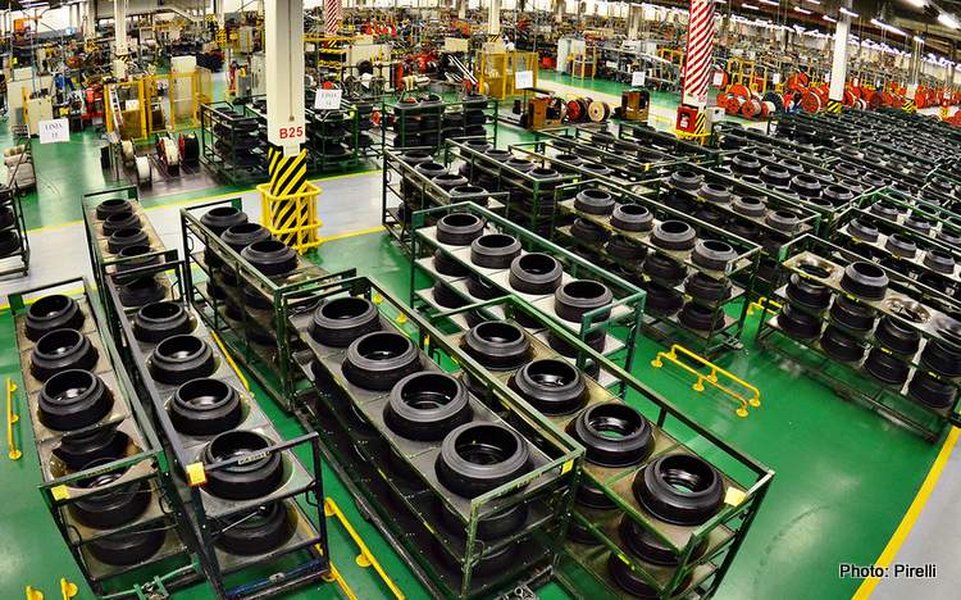
Pirelli's deep involvement in Formula 1 drives tire innovation and reinforces its high-performance brand image.
Core Business and Strategy
Pirelli's business model is built on several pillars: relentless innovation, significant investment in Research & Development (R&D), strong customer service, achieving profitability through sustainable growth, and a deep commitment to environmental sustainability and corporate social responsibility (CSR). The company positions itself as a premium brand, famously captured by the slogan, "Power is nothing without control." Key product families include:
- P Zero: Ultra-high performance tires, often associated with sports cars and luxury vehicles.
- Cinturato: Focused on safety, performance, and environmental respect, including lower rolling resistance.
- Scorpion: Tires designed for SUVs and Crossovers, balancing on-road comfort with off-road capability.
- Sottozero: Winter tires engineered for performance in cold and snowy conditions.
Global Operations and Reach
Pirelli operates 19 manufacturing plants across 13 countries, spanning continents from Europe and North America to South America and Asia-Pacific. This global manufacturing footprint supports a "local-for-local" production strategy, aiming to serve regional markets efficiently. Distribution is managed through an extensive network of approximately 14,600 distributors and retailers in over 160 countries. While publicly listed on the Milan Stock Exchange (Borsa Italiana) since 1922, the Chinese state-owned enterprise ChemChina held a controlling interest between 2015 and 2023.
Commitment to Sustainability and the Future
Sustainability is integral to Pirelli's strategy. The company has been a member of the UN Global Compact since 2004 and is recognized as a leader in sustainability within the automotive sector (Top 1% in S&P Global Sustainability Yearbook 2025). Key initiatives include:
- Developing tires with increasing amounts of bio-based and recycled materials, targeting the first 100% sustainable tire by 2040.
- Using only Forest Stewardship Council (FSC) certified natural rubber in European factories by 2026.
- Setting a Net Zero greenhouse gas emissions target for 2040.
- Implementing digital transformation, using AI and data analytics to enhance operations, marketing, and supply chain efficiency.
Focus on Pirelli Japan K.K.
Navigating the Japanese Market
Established in 1993, Pirelli Japan K.K. serves as the Japanese arm of the global Pirelli group. Its headquarters are located at 7F Shiba Koen Building, 3-5-5 Shiba, Minato-Ku, Tokyo. The primary function of Pirelli Japan is the wholesale distribution of Pirelli tires, along with related motor vehicle supplies, accessories, tools, and equipment within the Japanese market.
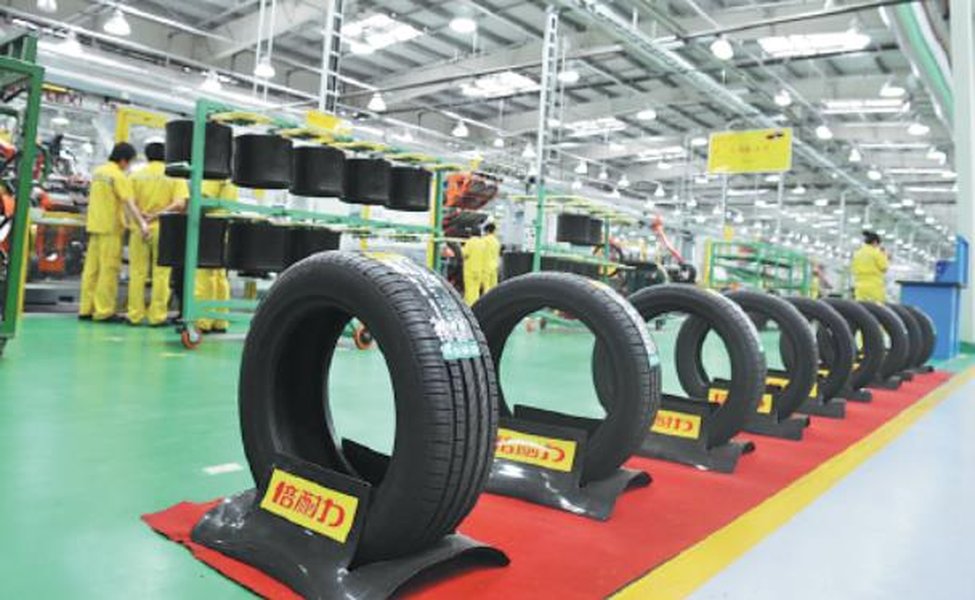
Pirelli actively engages in Asian markets, tailoring strategies for local consumer needs, similar to its approach in Japan.
Local Strategy and Operations
Pirelli Japan embodies the "local-for-local" strategy. While leveraging the global brand's prestige and technological advancements, it tailors its product offerings, marketing campaigns, and supply chain management to the specific demands and nuances of the Japanese premium tire market. This involves understanding local consumer preferences, vehicle trends (especially the prevalence of high-performance cars and motorcycles), and competitive dynamics.
Distribution within Japan is facilitated through a joint venture structure, supporting a network of approximately 100 points of sale. This localized network ensures effective market penetration and responsive customer service.
The Role of Marketing & Supply Chain
The Marketing and Supply Chain department, where the internship position lies, is central to Pirelli Japan's success. These functions are deeply intertwined:
- Marketing: Focuses on promoting Pirelli's high-value tires, emphasizing performance, safety, and sustainability. It adapts global campaigns for local relevance, utilizes digital marketing tools informed by data analytics, and leverages Pirelli's motorsport heritage to build brand equity in Japan. Understanding Japanese consumer behavior is paramount.
- Supply Chain: Manages the flow of products from manufacturing sources (potentially global or regional) to the Japanese market. This involves import logistics, local warehousing, inventory management (potentially using Just-In-Time principles suited to Japan's environment), and ensuring efficient distribution to the points of sale. Collaboration with suppliers adhering to Pirelli's global ethical and sustainability standards is key.
The Director of Marketing & Supply Chain (potentially Jean-Olivier Nuffer, based on available data) oversees the strategic alignment of these functions, ensuring that marketing initiatives are supported by product availability and efficient logistics, ultimately meeting customer demand and achieving business goals.
Pirelli's Strategic Focus Areas: A Comparative View
Understanding Pirelli's core priorities can provide valuable context. The following chart offers an opinionated perspective on the relative emphasis placed on key strategic areas within the company's global operations, based on the available information. These factors are highly interconnected and crucial for both marketing and supply chain functions.
This visualization highlights Pirelli's strong focus on high performance, innovation, and brand building through motorsport, balanced with a significant commitment to sustainability and ongoing digital transformation. Supply chain efficiency and global reach are vital supporting elements.
Visualizing Pirelli's Structure and Focus
To better understand the interplay between Pirelli's global operations, its Japanese subsidiary, and the key functions of Marketing and Supply Chain, the following mindmap provides a structural overview:
(Milan HQ)"] id1a["Focus: High-Value Consumer Tyres"] id1b["Strategy: Innovation, Sustainability, Performance"] id1c["R&D and Motorsport Heritage"] id1d["Global Manufacturing & Distribution Network"] id1e["Digital Transformation (AI, Data)"] id2["Pirelli Japan K.K.
(Tokyo Subsidiary)"] id2a["Focus: Japanese Premium Market"] id2b["Strategy: 'Local-for-Local' Adaptation"] id2c["Wholesale Distribution"] id2d["~100 Points of Sale (Joint Venture)"] id2e["Marketing & Supply Chain Department"] id2e1["Marketing Functions
- Local Campaigns
- Digital Marketing
- Brand Building"] id2e2["Supply Chain Functions
- Logistics & Imports
- Warehousing
- Inventory Management
- Distribution Network"] id3["Key Product Lines"] id3a["P Zero (Ultra High Performance)"] id3b["Cinturato (Safety, Eco-focus)"] id3c["Scorpion (SUV/Crossover)"] id3d["Sottozero (Winter)"] id4["Core Values / Pillars"] id4a["Performance & Safety"] id4b["Innovation"] id4c["Sustainability (Net Zero 2040, ESG)"] id4d["Brand Prestige"] id4e["Customer Focus"]
This mindmap illustrates how Pirelli Japan operates within the larger global framework, highlighting the specific responsibilities of the Marketing and Supply Chain department in executing local strategies while adhering to global values and product lines.
Bridging Global Strategy and Local Execution: Marketing & Supply Chain
The Marketing and Supply Chain functions at Pirelli Japan work in synergy. Understanding how global directives translate into local actions is key. The table below outlines some potential areas of focus and how they might differ or align between the global headquarters and the Japanese subsidiary.
| Area | Pirelli Global Focus | Pirelli Japan Focus (Marketing & Supply Chain) |
|---|---|---|
| Marketing Strategy | Develop global brand identity, core product messaging, major sponsorships (e.g., F1). Set high-level sustainability communication goals. | Adapt global campaigns to Japanese culture/language. Focus on local digital channels. Tailor promotions to Japanese vehicle parc & consumer preferences. Highlight features relevant to Japanese road/weather conditions. |
| Product Portfolio | Define overall product lines (P Zero, Cinturato, etc.) and core technologies. Drive R&D for new materials and performance levels. | Select and prioritize SKUs most relevant to the Japanese market (e.g., specific sizes, winter tire demand). Manage local product launches. Provide market feedback for future product development. |
| Supply Chain Design | Establish global manufacturing footprint. Set overarching inventory policies. Define global supplier standards (ethics, sustainability). Implement global logistics technologies. | Manage import processes and customs clearance. Optimize local warehousing and distribution network (~100 POS). Implement potentially JIT inventory strategies. Manage relationships with local logistics partners. Ensure traceability and compliance within Japan. |
| Sustainability | Set global targets (Net Zero, FSC rubber). Report on global ESG performance. Drive R&D for sustainable materials. | Communicate sustainability efforts relevantly to Japanese consumers. Ensure local operations comply with environmental regulations. Collaborate with local partners on sustainable practices (e.g., waste reduction in logistics). |
| Data & Analytics | Invest in AI and data platforms for global forecasting, R&D, and broad market insights. | Utilize data for localized market analysis, customer segmentation in Japan, inventory forecasting for specific Japanese demand patterns, and optimizing local distribution routes. |
This table highlights the crucial role of the Pirelli Japan team in translating broad strategic goals into tangible actions tailored for the specific context of the Japanese market.
Inside Pirelli: A Glimpse into Production
Understanding the complexity and technology involved in tire manufacturing provides context for Pirelli's emphasis on quality and innovation. While specific Japanese production isn't shown, this video offers a general insight into the high-tech processes involved in creating Pirelli tires, relevant to understanding the product journey managed by the supply chain and promoted by marketing.
This inside look demonstrates the precision engineering and advanced materials that underpin the Pirelli brand promise – a key aspect for both marketing messaging and supply chain considerations regarding product quality and handling.
Tips for Your Interview Success
Leveraging Your Strengths
- Highlight Language & Cultural Fluency: Emphasize that your Japanese language skills and understanding of Japanese business culture are significant assets. Explain how this can help bridge communication between global strategies and local market execution, gather nuanced market insights, and foster strong relationships with local partners and potentially customers.
- Connect Your Degree: Relate concepts from your Business and Management degree (e.g., supply chain management principles, marketing frameworks, data analysis, strategic planning, sustainability models) directly to Pirelli's business challenges and opportunities in Japan.
- Showcase Awareness: Demonstrate knowledge of Pirelli's premium positioning, its commitment to sustainability and innovation (mentioning specific goals like Net Zero or FSC rubber is good), and its involvement in motorsport. Show you understand the importance of the "High Value" tire segment.
- Express Enthusiasm for the Role: Clearly state your interest in *both* marketing and supply chain. Discuss how you see these functions working together and your eagerness to learn about their intersection in a practical setting like Pirelli Japan. Mention your interest in their digital transformation journey.
- Prepare Insightful Questions: Ask specific questions about Pirelli Japan's current priorities, challenges, or recent successes in the Japanese market related to marketing or supply chain. For example:
- "How does Pirelli Japan adapt its global marketing campaigns, like those leveraging F1, for the specific interests of Japanese consumers?"
- "What are some key challenges or innovations in managing the tire supply chain specifically within Japan's logistics environment?"
- "How is Pirelli Japan incorporating data analytics or AI into its marketing or supply chain planning?"
Frequently Asked Questions (FAQ)
What is Pirelli's main business focus?
Pirelli is a "Pure Consumer Tyre Company," primarily focused on the high-value tire market for cars, motorcycles, and bicycles. This means they emphasize tires designed for high performance, safety, innovation, and specific consumer needs, rather than industrial or commercial vehicle tires.
How important is sustainability to Pirelli?
Sustainability is extremely important and integrated into Pirelli's business strategy. They are recognized leaders in ESG (Environmental, Social, Governance) factors within the auto components sector. Key goals include achieving Net Zero emissions by 2040, increasing the use of renewable and recycled materials, and sourcing natural rubber sustainably (e.g., through FSC certification).
What does the Marketing & Supply Chain department likely do at Pirelli Japan?
This department likely manages the end-to-end process of getting the right tires to the Japanese market and promoting them effectively. This includes market analysis, adapting global marketing strategies for Japan, managing advertising and promotions, forecasting demand, managing inventory, overseeing logistics (import, warehousing, distribution), and ensuring products are available at the points of sale when and where consumers want them. It requires close coordination between the two functions.
How does Pirelli use motorsport?
Pirelli has a long history (over 128 years) in motorsport, including being the exclusive tire supplier for Formula 1. This involvement serves multiple purposes: it's a demanding environment for R&D, pushing technological boundaries whose advancements are often transferred to consumer tires ("track to road"); it significantly boosts brand prestige and visibility, reinforcing its image as a high-performance, technologically advanced company; and it serves as a major marketing platform.
What is the "local-for-local" strategy?
This strategy refers to producing goods within the region where they are sold. For Pirelli, it means having manufacturing facilities located strategically near key markets (like having plants in Asia-Pacific to serve Asian markets). This approach helps reduce logistics costs and lead times, allows for better adaptation to local market needs, and can improve supply chain resilience.
Recommended Further Exploration
To deepen your understanding, consider exploring these related topics:
- How does Pirelli tailor its marketing for the premium automotive segment in Japan?
- What are the key supply chain challenges for tire distribution in Japan?
- Explore Pirelli's latest innovations in sustainable tire materials.
- Analyze the role of digital transformation and AI in Pirelli's global operations.
References
Last updated May 6, 2025