
Unlocking Small Business Potential: Does the 2021 POS Study Feature Advanced Analytics?
Exploring the likelihood of data analytics, notifications, and predictive capabilities in modern POS systems for enhancing competitiveness.
The study titled "System For Point of Sale Based Store Management Analyzing Businesses for Enhancing Competitiveness in Small Business (2021)" focuses on leveraging Point of Sale (POS) technology to bolster the market position of small enterprises. While accessing the full study is necessary for definitive confirmation, we can analyze the probable inclusion of key technological features based on its stated goals and the typical functionalities of modern POS systems designed for business growth.
Key Insights at a Glance
- Data Analytics Likely Central: Given the study's focus on analysis and competitiveness, robust data analytics capabilities for tracking sales, customers, and inventory are almost certainly a core component.
- Notifications Probable: Features like low-stock alerts or performance updates are common in POS systems and vital for efficient small business operations, making their inclusion probable.
- Predictive Analytics Plausible: To truly enhance competitiveness, forecasting future trends and customer behavior using predictive analytics is a powerful tool, suggesting its potential inclusion in an advanced system.
Deconstructing the Potential Features
Modern POS systems have evolved far beyond simple transaction processing. They are increasingly becoming comprehensive business management hubs. Let's examine the likelihood and role of data analytics, notifications, and predictive analytics within the context of the 2021 study's objectives.
Data Analytics: The Foundation of Insight
Why it's Likely Included
At its core, a system designed to analyze businesses for enhancing competitiveness fundamentally relies on data. POS systems are natural data collection points, capturing every transaction, customer interaction (if integrated with CRM), and inventory movement. Analyzing this data is crucial for understanding business performance and identifying areas for improvement.
Potential Capabilities
- Sales Trend Analysis: Identifying best-selling products, peak sales hours, and seasonal patterns.
- Customer Behavior Tracking: Understanding purchase frequency, average spending, and product preferences (often requires CRM integration).
- Inventory Management Reports: Tracking stock levels, identifying slow-moving items, and calculating inventory turnover.
- Performance Dashboards: Visual representations of key metrics for quick insights and decision-making.
As highlighted by sources discussing modern POS analytics, leveraging this data allows small businesses to move beyond intuition and make informed, strategic decisions, which directly aligns with the study's goal of enhancing competitiveness.
Notifications: Real-Time Operational Awareness
Why it's Probable
For small businesses often operating with limited staff and resources, timely information is critical. Automated notifications built into a POS system can streamline operations and prevent costly mistakes.
Potential Capabilities
- Low Stock Alerts: Notifying managers when inventory for specific items drops below a predefined threshold, preventing stockouts.
- Sales Performance Updates: Alerts on achieving sales targets or significant deviations from trends.
- Irregular Activity Flags: Notifications for unusual transaction patterns (e.g., high number of voids or returns) that might require investigation.
- Staff Performance Prompts: Reminders or alerts related to staff clock-ins/outs or performance metrics (if integrated).
While perhaps not as central as data analytics to the *analysis* aspect of the study's title, notifications are a practical feature that enhances operational efficiency, a key component of overall competitiveness.
Predictive Analytics: Gaining a Competitive Edge
Why it's Plausible
Predictive analytics represents the next level of data utilization, moving from understanding the past (descriptive analytics) to forecasting the future. For a system explicitly aimed at *enhancing competitiveness*, incorporating predictive capabilities offers a significant advantage.
Potential Capabilities
- Demand Forecasting: Predicting future sales volumes for specific products to optimize inventory ordering and staffing.
- Customer Churn Prediction: Identifying customers at risk of leaving based on their purchase history and behavior, allowing for proactive retention efforts.
- Targeted Marketing Recommendations: Suggesting specific customer segments or products for promotional campaigns based on predicted responsiveness.
- Price Optimization Suggestions: Analyzing historical data and market trends to recommend optimal pricing strategies.
As noted in multiple sources, predictive analytics empowers businesses to be proactive rather than reactive. It helps anticipate market shifts, understand future customer needs, and allocate resources more effectively, directly contributing to a stronger competitive position.
Visualizing the Interconnections: POS System Capabilities
The following diagram illustrates how these potential features connect within the framework of a POS system designed to boost small business competitiveness, as likely explored in the 2021 study.
This mindmap shows how the core POS system acts as a hub, utilizing data analytics, notifications, and potentially predictive analytics to achieve the overarching goal of making a small business more competitive through better decisions, efficiency, customer understanding, and foresight.
Impact Assessment: Features Driving Competitiveness
How significantly might each of these features contribute to different aspects of a small business's competitiveness? The radar chart below offers a comparative visualization based on the potential impact derived from integrating these capabilities into a POS system.
This chart visualizes the relative strengths of each feature type. Data Analytics provides a strong foundation across most areas, particularly inventory and operations. Notifications excel in operational efficiency and inventory management through timely alerts. Predictive Analytics shows the highest potential impact on strategic areas like sales growth, customer retention, and overall market positioning by enabling proactive strategies.
Feature Breakdown: Functionality and Benefits
To further clarify the role these features play, the table below summarizes their potential functions and direct benefits for enhancing a small business's competitiveness, as likely envisioned by the 2021 study.
| Feature | Potential Functions within POS | Benefit for Small Business Competitiveness |
|---|---|---|
| Data Analytics | Sales reporting (by item, time, employee), customer purchase history analysis, inventory turnover tracking, dashboard visualization of KPIs. | Enables data-driven decisions, identifies profit drivers and operational bottlenecks, improves resource allocation, provides clear performance overview. |
| Notifications | Low-stock alerts, high/low sales volume flags, reminders for tasks (e.g., closing reports), alerts for specific transaction types (e.g., large refunds). | Improves operational responsiveness, prevents stockouts and missed opportunities, helps maintain process consistency, flags potential issues quickly. |
| Predictive Analytics | Sales forecasting, customer churn risk scoring, product recommendation engine, inventory demand prediction, identification of emerging trends. | Allows proactive planning (inventory, staffing), facilitates targeted customer retention efforts, optimizes marketing spend, reduces waste, helps anticipate market shifts. |
Visualizing POS Data Insights
Modern POS systems often present complex data through intuitive dashboards and visual reports. These interfaces help small business owners quickly grasp key trends and performance indicators without needing deep analytical expertise. Below are examples illustrating how such data might be visualized:
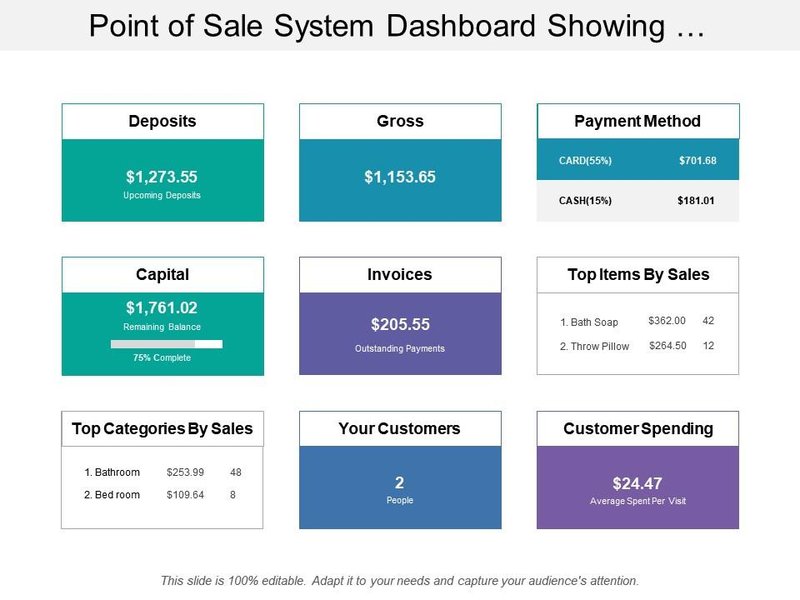
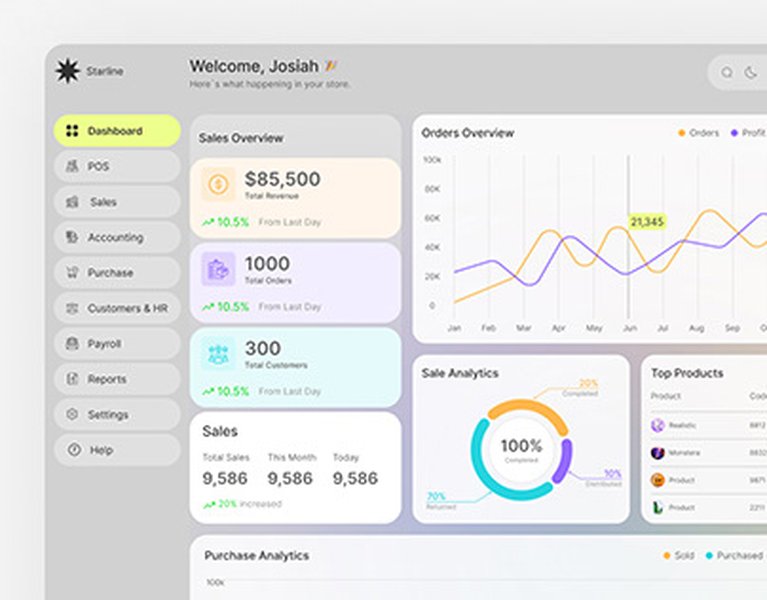
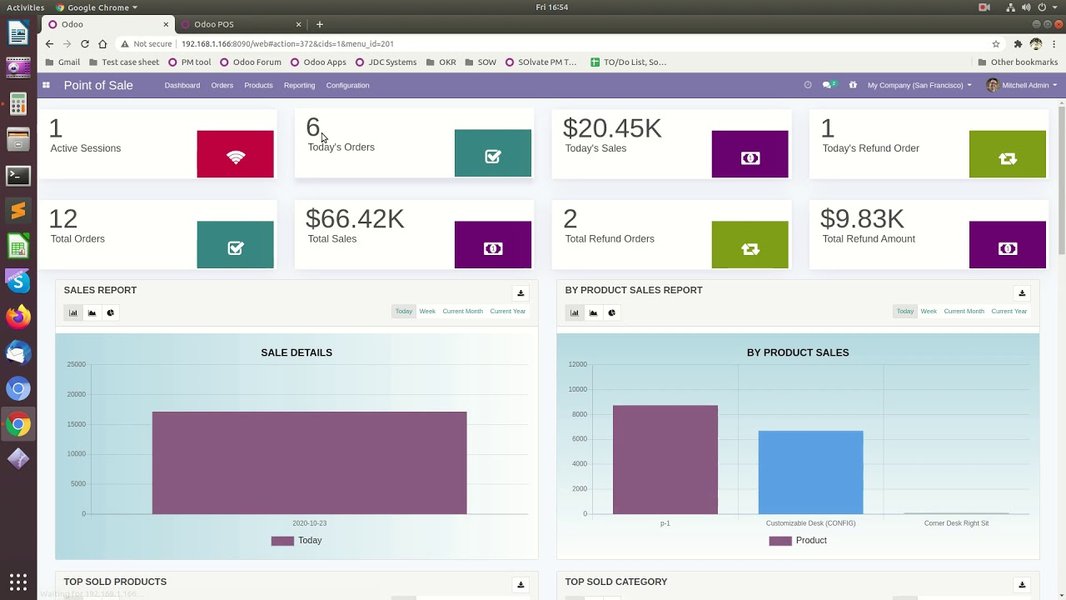
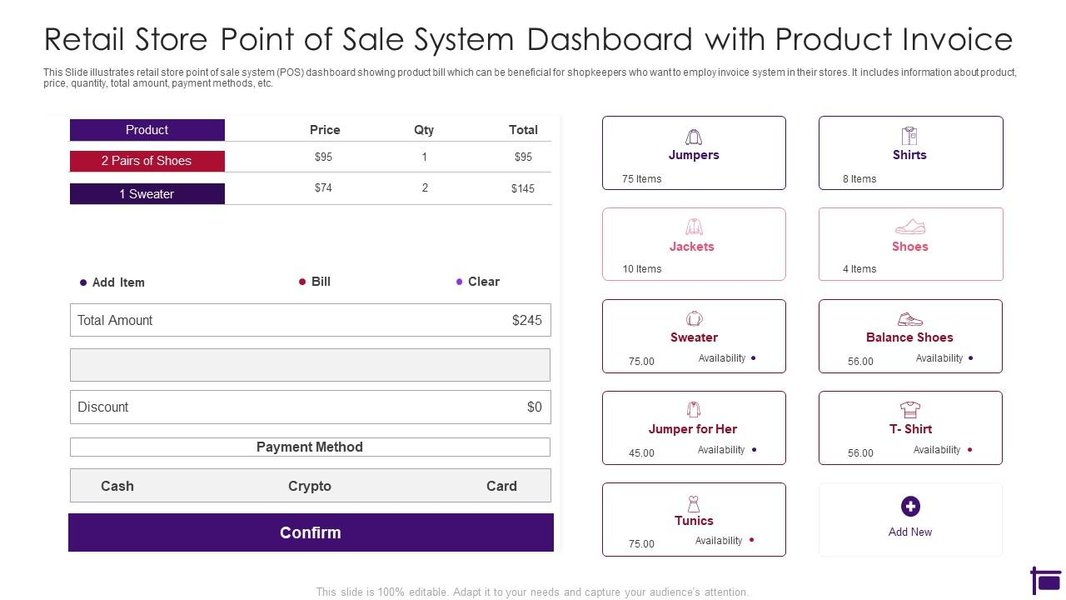
These visual tools are essential for translating raw data into actionable business intelligence, a key factor in leveraging a POS system for competitive advantage.
Understanding POS Capabilities: Key Features
To better understand the context of the 2021 study, it's helpful to grasp the typical features found in modern POS systems. The following video provides an overview of essential functionalities that small businesses often look for:
This video discusses core POS functions like sales management, data collection, and analysis platforms. Understanding these standard features helps contextualize the potential advancements, such as predictive analytics, that a study focused on enhancing competitiveness might explore.
Frequently Asked Questions (FAQ)
What exactly is POS data analytics?
POS data analytics involves collecting, processing, and analyzing data generated through Point of Sale transactions. This includes information about sales volume, specific products sold, time of sale, payment methods, and often customer data (if linked). The goal is to identify trends, understand customer behavior, optimize inventory, track performance, and ultimately make more informed business decisions.
How can predictive analytics give small businesses an edge?
Predictive analytics uses historical data, statistical algorithms, and machine learning techniques to forecast future outcomes. For small businesses, this means anticipating customer demand to optimize stock levels, identifying customers likely to churn so retention efforts can be made, forecasting sales trends to adjust staffing or marketing, and potentially optimizing pricing. This foresight allows businesses to be proactive, allocate resources efficiently, and make strategic moves before competitors, providing a significant competitive advantage.
Are real-time notifications common in modern POS systems?
Yes, notification features are increasingly common in modern POS systems, especially cloud-based ones. Basic notifications like low-stock alerts are fairly standard. More advanced systems might offer customizable alerts for sales thresholds, specific transaction types (voids, returns), staff clock-ins/outs, or even anomalies detected in sales patterns. These help businesses stay informed and react quickly to operational needs or potential issues.
How difficult is it for a small business to implement these analytics features?
The difficulty varies. Basic data analytics and reporting are often built into modern POS systems and are relatively easy to use, primarily involving interpreting pre-built reports and dashboards. Implementing *predictive* analytics can be more complex and may require cleaner data, potentially specialized software or integrations, and some understanding of the models being used. However, many platforms are working to make these features more accessible, offering user-friendly interfaces or integrating predictive insights directly into standard reports. Starting small with specific, measurable goals is often recommended.
References
- How Predictive Analytics Benefits Businesses - Business News Daily
- Predictive Analytics in Business: Benefits, Tools, and Uses - William & Mary Online
- What is Predictive Analytics? - Google Cloud
- Shopify POS Features - Shopify
- POS Reporting & Analytics | Point of Sale Software Data - KORONA POS
- Data-Driven Insights: The Impact of POS Analytics on Retail - GetOnData
- What Is POS Data Analysis & Why You Need It - Shopify
Recommended

Last updated April 5, 2025