
Understanding the Prostate, PSA Tests, and Their Implications
A clear and simple guide for ninth graders on prostate health and testing
Key Highlights
- Prostate Basics: The prostate is a gland in men involved in making semen; it can enlarge naturally with age.
- PSA Tests & Results: PSA is a protein measured in the blood to help assess prostate health, with changes over time needing careful evaluation.
- Impact of Ejaculation: Ejaculation can temporarily raise PSA levels, so it's best to avoid it for 24-48 hours before the test.
Introduction to the Prostate and Its Functions
The prostate is a small gland found in men that plays a significant role in the production of semen, which is the fluid that carries sperm. Located below the bladder and in front of the rectum, the prostate surrounds part of the urethra, which is the tube that allows urine to exit the body. Over time, especially as men get older, the prostate may increase in size—a condition known as benign prostatic hyperplasia (BPH). Although BPH is not cancer, it can cause issues such as difficulty in urinating, a weak urine stream, and more frequent bathroom visits.
In contrast, prostate cancer occurs when abnormal cells in the prostate start growing out of control. While prostate cancer can be dangerous and needs prompt attention, many forms of it grow slowly, meaning that early diagnosis and consistent monitoring can lead to effective treatment.
Understanding PSA (Prostate-Specific Antigen) Tests
What is PSA?
PSA stands for Prostate-Specific Antigen, a protein produced by both normal and abnormal cells in the prostate. A PSA test is a blood test that measures the level of this protein, providing doctors with clues about the health of the prostate gland.
How PSA Levels Are Interpreted
Generally, a lower PSA level is considered normal, while higher levels may suggest possible issues. However, it is important to note that an elevated PSA does not automatically mean a person has prostate cancer. Many conditions, including an enlarged prostate (BPH), infections, or inflammation (prostatitis), can raise PSA levels. For instance, a PSA level generally above 3 nanograms per milliliter in men from 50 to 69 years old is often considered elevated, and values between 4-10 nanograms per milliliter indicate a moderate risk, while levels beyond that range can indicate a more serious concern.
In the case described—a 68-year-old man with PSA levels rising from 5.8 to 5.6 to 7.6 to 11.6—this progression suggests increasing PSA levels over time, which is concerning. It means that over the years, there has been a noticeable upward trend, and this may call for further investigation, especially considering the danger of prostate cancer or other significant prostate issues.
Impact of Ejaculation on PSA Test Results
One frequently asked question is whether ejaculating daily before a PSA test could have an impact on the test results. Research and clinical guidelines indicate that ejaculation can temporarily raise the PSA level. The reason behind this is that sexual activity, including ejaculation, causes a short-term increase in PSA levels as a result of the physiological changes in the prostate.
Guidelines for PSA Testing
To help ensure that a PSA test is as accurate as possible, it is generally recommended that individuals avoid ejaculation for at least 24 to 48 hours prior to the test. This precaution minimizes the chance of an artificially high PSA reading due to recent sexual activity. Therefore, ejaculating daily right before a PSA test could have an effect on the test result by increasing the PSA concentration temporarily, which might be confused with an underlying prostate problem.
Understanding the Rising PSA Trend in a 68-Year-Old
When PSA values increase over time, such as the listed values of 5.8, 5.6, 7.6, and moving up to 11.6, it is a cause for concern, particularly in older adults like a 68-year-old. While a single elevated reading does not conclusively indicate prostate cancer, a consistent upward trend suggests that something may be changing in the prostate.
Possible Explanations for Rising PSA Levels
- Benign Prostatic Hyperplasia (BPH): As mentioned, BPH is a common condition in older men where the prostate enlarges. While it is not cancer, BPH can still cause an increase in PSA levels due to the greater amount of prostate tissue producing the antigen.
- Prostatitis: Inflammation or infection in the prostate, known as prostatitis, can also cause elevated PSA levels. This condition may present with additional symptoms, such as pain or discomfort in the pelvic area.
- Prostate Cancer: A progressive increase in PSA values over time is also one of the warning signs of prostate cancer. However, further tests are required to differentiate between benign conditions and cancer.
Increasing PSA values in an older adult prompt healthcare providers to recommend more detailed examinations to pinpoint the cause and determine the right course of treatment.
Next Recommended Tests by a Urologist
If your PSA levels continue to trend upward or reach significantly high values, a urologist will likely suggest additional tests to get a more detailed look at the prostate. While recommendations may vary based on individual circumstances, here is a summary of typical follow-up tests:
Digital Rectal Exam (DRE)
During a DRE, a doctor inserts a gloved, lubricated finger into the rectum to feel the surface of the prostate. The goal of this exam is to check for irregularities, such as hard lumps or asymmetrical areas that may signal an abnormal growth.
Free PSA Test
The free PSA test distinguishes between PSA that is bound to proteins in the blood and free PSA that circulates unbound. A lower ratio of free PSA to total PSA might indicate a higher likelihood of prostate cancer, whereas a higher ratio could suggest benign conditions like BPH.
Imaging Tests
Imaging tests offer deeper insights into the structure of the prostate:
Magnetic Resonance Imaging (MRI):
An MRI provides detailed images of the prostate and can help highlight suspicious areas that might need further investigation.
Ultrasound:
An ultrasound, often used in conjunction with other diagnostic procedures, can help visualize the prostate's size and detect abnormal structures.
Prostate Biopsy
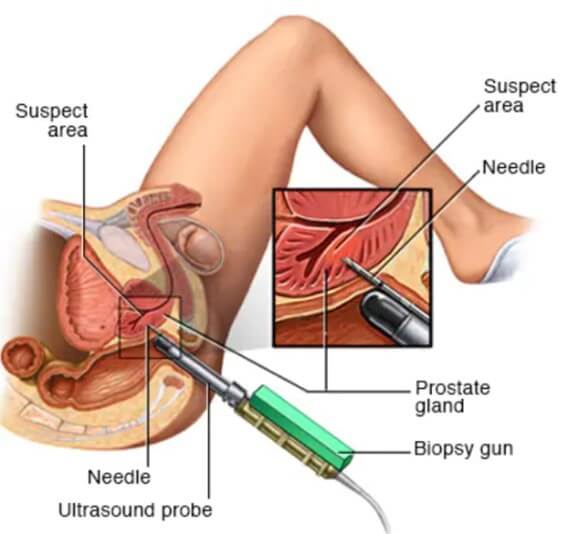
A prostate biopsy is usually recommended if there are persistent signs that warrant closer examination. In this procedure, small samples of prostate tissue are removed and evaluated in a laboratory for the presence of cancer cells.
Urgency of Follow-Up Tests
The urgency of these follow-up tests primarily depends on the degree of PSA elevation and the overall health and risk factors of the individual. For a 68-year-old man, a PSA reading like 11.6 is definitely a signal that further testing is needed soon to rule out or confirm the possibility of prostate cancer. Here are some key points regarding urgency:
- Early Detection: Prostate cancer, when diagnosed in the early stages, is usually more manageable. Prompt follow-up with detailed tests can significantly improve treatment outcomes.
- Monitoring Changes: A consistent upward trend in PSA requires timely monitoring and re-evaluation to understand the progression of prostate changes, whether benign or cancerous.
- Risk Mitigation: Given the potential for serious complications if cancer is present and left untreated, doctors typically recommend follow-up tests without significant delay.
Though some of the next steps are urgent, it is important to understand that not every increase in PSA indicates cancer. Healthcare providers consider multiple factors such as the free-to-total PSA ratio, patient's symptoms, and results from physical exams before making a diagnosis and determining treatment.
Understanding the Process: A Comprehensive Table
| Test/Examination | Purpose | What It Shows |
|---|---|---|
| PSA Test | Measures the level of prostate-specific antigen in the blood | Helps detect potential prostate problems, including BPH and cancer |
| Digital Rectal Exam (DRE) | Physically checks the prostate through the rectum | Detects lumps, hard areas, or irregularities in the prostate |
| Free PSA Test | Determines the ratio between free and bound PSA | Assists in differentiating between benign and malignant prostate conditions |
| Imaging (MRI/Ultrasound) | Provides a detailed view of the prostate structure | Identifies suspicious areas that might need further investigation |
| Prostate Biopsy | Collects tissue samples for analysis | Confirms the presence or absence of cancer cells |
Frequently Asked Questions Explained in Simple Terms
What Does It Mean to Have an Enlarged Prostate?
As men age, it is common for the prostate to get a little bigger. This is called benign prostatic hyperplasia (BPH) and usually comes with symptoms like having to urinate more often, difficulty starting urination, or a weak stream. Even though the gland gets larger, it does not mean that it has become cancerous.
What Is Prostate Cancer?
Prostate cancer is a type of cancer that begins in the prostate gland. While it can be a serious health issue, especially if it progresses unchecked, many prostate cancers are slow-growing and can be treated effectively if caught early.
How Do PSA Tests Work?
A PSA test is a simple blood test done to measure the level of prostate-specific antigen in your blood. Doctors use this test as one way to screen for problems with the prostate. Remember, higher PSA levels might be due to things like an enlarged prostate, infection, or cancer, so further testing is normally needed if the level is high.
Does Ejaculation Affect PSA Levels?
Yes, ejaculation can make your PSA level go up temporarily. That’s why experts recommend avoiding ejaculation for 24 to 48 hours before getting a PSA test so that the results show a more accurate picture of your prostate’s health.
Why Are Rising PSA Levels Concerning?
For a 68-year-old, a rising PSA level—from numbers such as 5.8 and 7.6 to reaching 11.6—is a sign that something may be changing in the prostate. It highlights the importance of investigating further to ensure that any potential problems, including cancer, are caught and managed early.
What Are the Next Steps if the PSA is Elevated?
If your PSA test indicates high levels, a urologist will perform additional examinations:
- Digital Rectal Exam (DRE): To physically assess the prostate for any noticeable abnormalities.
- Free PSA Test: To analyze the ratio of free PSA to the total amount, aiding in differentiating between benign conditions and cancer.
- Imaging Tests (MRI/Ultrasound): To get a detailed view of the prostate and locate suspicious areas.
- Prostate Biopsy: If necessary, to take a tissue sample for confirmation of cancer cells.
Exploring the Diagnostic Journey
Diagnosing prostate issues involves a combination of blood tests, physical exams, and sometimes imaging studies. A rising PSA, especially in older adults, signals doctors to take a closer look to rule out conditions like prostate cancer. If abnormalities are detected, early diagnosis can substantially improve management and treatment outcomes. The process is one of careful observation and multiple tests designed to provide an accurate picture of what is happening in your prostate.
It is key to understand that while elevated PSA levels can cause alarm, they are not the only piece of the puzzle. A doctor will consider your medical history, any urinary symptoms you might be experiencing, and results from physical examinations to decide whether further testing, such as a biopsy, is warranted. This thorough and systematic approach has greatly improved the early detection of prostate issues, allowing for timely interventions.
References
- PSA and Prostate Cancer - WebMD
- PSA Test Overview - Mayo Clinic
- Prostate Cancer Testing - American Cancer Society
- Next Steps for Elevated PSA - Urology Group
- Evaluating Elevated PSA - eMedicineHealth
Recommended Related Queries
Last updated March 12, 2025