
The Strategic Classification of Purchase Order Processing in Activity-Based Costing
Understanding how purchase order processing fits into the hierarchy of business activities for optimal cost management
Key Insights on Purchase Order Processing
- Purchase order processing is fundamentally a batch-level activity as it relates to groups of items ordered together rather than individual units
- The costs incurred during purchase order processing don't vary based on quantity of items within the batch but rather on the processing of the order itself
- Understanding this classification is essential for accurate cost allocation in Activity-Based Costing (ABC) systems and effective procurement management
Understanding Activity-Based Costing Classifications
Activity-Based Costing (ABC) classifies business activities into distinct hierarchical levels to more accurately assign overhead costs to products and services. This classification system provides a framework that helps organizations understand cost behaviors and make more informed decisions about resource allocation and process improvement.
The Four Levels of Activity in ABC
There are four primary activity levels in Activity-Based Costing, each with distinct characteristics:
| Activity Level | Definition | Key Characteristics | Examples |
|---|---|---|---|
| Unit-level | Activities performed each time a single unit is produced | Costs vary directly with production volume | Direct labor, machine time, direct materials |
| Batch-level | Activities performed for groups of units, regardless of batch size | Costs incurred per batch, not per unit | Purchase order processing, machine setups, quality inspections |
| Product-level | Activities that support specific products regardless of units or batches | Costs incurred to support entire product lines | Product design, engineering changes, product-specific marketing |
| Organization-sustaining | Activities supporting the organization as a whole | Costs not attributable to specific products or batches | General administration, facility maintenance, corporate accounting |
Importance of Proper Activity Classification
Correctly classifying activities is crucial for:
- Accurate cost allocation and product pricing
- Identifying inefficiencies in business processes
- Making informed make-or-buy decisions
- Understanding cost drivers for better management control
- Strategic planning and resource allocation
Why Purchase Order Processing is a Batch-Level Activity
Purchase order processing is classified as a batch-level activity because it fundamentally relates to processing groups of items together rather than individual units. The costs associated with creating, approving, and managing purchase orders remain relatively constant whether ordering 10 units or 1,000 units of a product.
Key Characteristics That Define Batch-Level Classification
Cost Behavior Patterns
The costs associated with purchase order processing are incurred each time a batch is processed, regardless of the number of units in that batch. For example, the administrative time required to create and approve a purchase order is the same whether ordering 5 or 500 items.
Process Flow Considerations
The purchase order process typically flows from requisition to approval to supplier communication as a single transaction, with the entire batch being processed as one unit of work. This aligns perfectly with the definition of batch-level activities.
Resource Consumption
Resources consumed during purchase order processing (labor time, system usage, approval cycles) are consumed at the batch level rather than being proportional to the number of individual items ordered.
The radar chart above illustrates how purchase order processing aligns with the characteristics of batch-level activities when compared to other activity levels. Note how batch-level activities show higher scores in processing time, documentation, and administrative effort—all key aspects of purchase order processing.
The Purchase Order Process Flow
Understanding the process flow of purchase orders helps clarify why it's classified as a batch-level activity. The process typically involves several distinct steps that are performed for each batch of items ordered, regardless of the quantity within that batch.
This mindmap illustrates the complexity of the purchase order process. Each of these steps is performed at the batch level—they are executed once per purchase order, not once per individual item within the order. This is a clear indication of purchase order processing being a batch-level activity.
Comparing Purchase Order Processing Across Activity Levels
To fully understand why purchase order processing is classified as a batch-level activity, it's helpful to examine why it doesn't fit into the other activity classifications:
Why Not a Unit-Level Activity?
Unit-level activities are performed each time a single unit is produced or sold. Purchase order processing doesn't increase proportionally with the number of units ordered. Creating a purchase order for 100 units doesn't take 100 times the effort of creating an order for 1 unit. The administrative work is largely the same regardless of quantity.
Why Not a Product-Level Activity?
Product-level activities support specific products regardless of the batch size or production quantities. Purchase orders aren't tied to specific products but rather to specific procurement events. A single purchase order might contain multiple product types, and the same product might appear on multiple purchase orders.
Why Not an Organization-Sustaining Activity?
Organization-sustaining activities support the business as a whole and cannot be traced to specific products, customers, or batches. While purchase order processing is important for organizational operations, it is directly linked to specific batches of items being procured. The costs can be traced to particular procurement events rather than being general overhead.
Real-World Application of Purchase Order Classification
This video explains what purchase orders are actually used for in business operations. Understanding purchase orders as batch-level activities helps organizations implement more accurate cost accounting systems and improve their procurement processes. As shown in the video, purchase orders serve multiple functions beyond simply ordering goods—they create legal obligations, help with budgeting, and provide documentation for accounting purposes.
Visual Examples of Purchase Order Documents
Purchase order documents themselves provide visual evidence of their batch-level nature. Each document represents a discrete transaction that encompasses multiple items processed as a single batch:
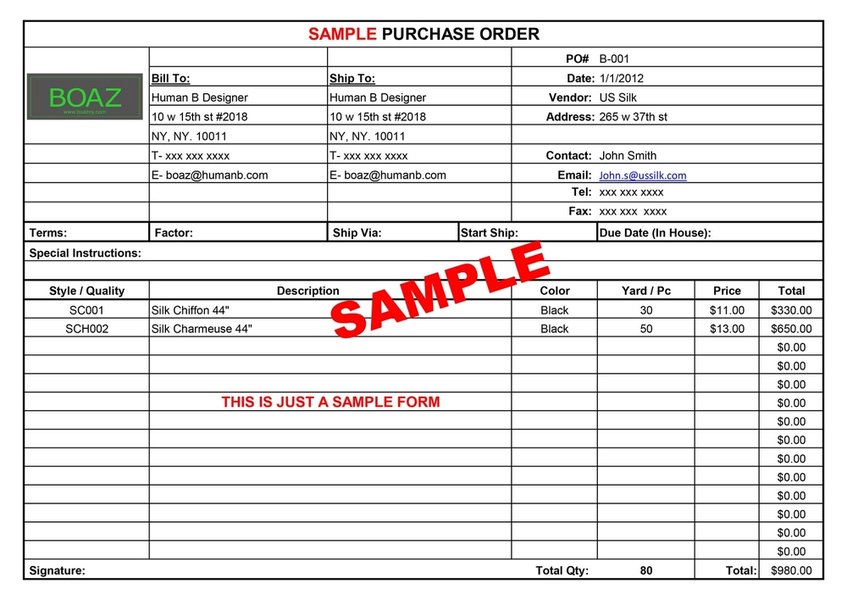
A sample purchase order form showing multiple line items processed as a single batch
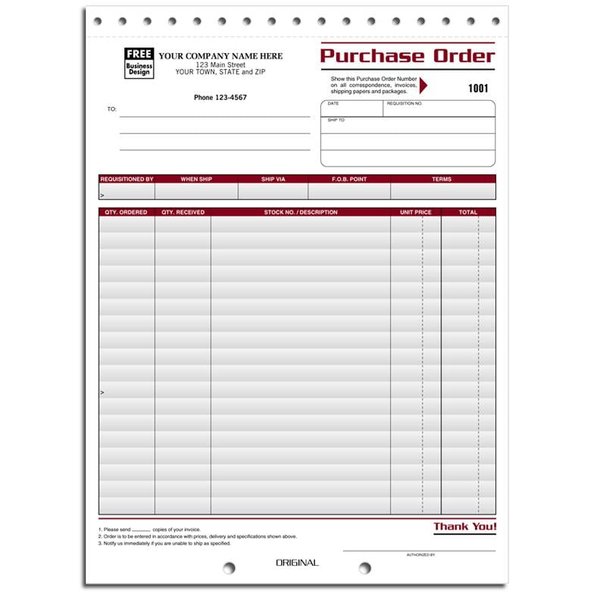
A specialized purchase order format for concrete showing batch processing characteristics
Implications for Cost Accounting and Management
Understanding purchase order processing as a batch-level activity has significant implications for cost accounting and management:
Cost Driver Selection
When allocating costs using Activity-Based Costing, the appropriate cost driver for purchase order processing would be the number of purchase orders processed, not the number of items ordered or the dollar value of orders. This leads to more accurate cost allocation and better decision-making.
Process Optimization
Recognizing purchase order processing as batch-level helps organizations optimize their procurement processes. For example, a company might consolidate multiple small orders into larger batches to reduce the number of purchase orders processed, thereby reducing administrative costs.
Performance Measurement
Performance metrics for purchase order processing should focus on batch efficiency rather than unit efficiency. Metrics might include average processing time per purchase order, cost per purchase order processed, or error rates per batch.
Frequently Asked Questions
References
- Purchase Order Process Steps and Procedures Simply Explained - Sievo
- Purchase Order Explained - Corporate Finance Institute
- The Average Cost of Processing a Purchase Order: A Detailed Analysis - Ascend Software
- Purchase Order Overview - Microsoft Learn
- Purchase-order processing is an example of activity - Learnexams
- Purchase Orders Explained: Types, Process, & Technology - Ivalua
- Purchase Order Cost: Understanding and Optimizing - ProcureDesk
Recommended Searches
Last updated April 9, 2025