
Transforming Trust Finances: Smart Strategies to Slash School Operating Costs
Discover how strategic resource management and innovative approaches can significantly reduce expenses while maintaining educational quality.
Key Cost-Saving Opportunities
- Centralize administrative functions across your four schools to eliminate redundancy and leverage economies of scale
- Implement energy efficiency measures that can reduce utility costs by up to 15-20% annually
- Adopt smart procurement strategies and technology solutions to streamline operations and reduce overhead
Centralized Administration & Resource Sharing
One of the most effective ways to reduce costs across multiple schools is to consolidate administrative functions. By implementing a shared services model, you can significantly decrease overhead expenses while maintaining or even improving service quality.
Consolidating Administrative Functions
Rather than maintaining separate administrative teams at each school, create a centralized department that handles:
- Finance and accounting operations
- Human resources and recruitment
- Payroll processing
- IT support and maintenance
- Procurement and purchasing
Resource Pooling Strategies
Implement collaborative resource sharing between your four schools to maximize efficiency:
- Create a shared equipment library for expensive items used occasionally (science equipment, sports gear, etc.)
- Establish a centralized curriculum resource center with shared learning materials
- Rotate specialized teaching staff between schools for subjects with lower demand
- Share transportation resources to reduce fleet sizes and maintenance costs
The radar chart above illustrates the potential cost reductions across various operational areas when implementing optimization strategies within your trust.
Energy Efficiency & Sustainability
Energy costs typically represent a significant portion of a school's operating budget. Implementing energy-saving measures can yield substantial long-term savings while also creating teaching opportunities about sustainability.
Smart Energy Management
- Lighting upgrades: Replace traditional lighting with LED bulbs and install motion sensors in less frequently used areas.
- Temperature control: Install programmable thermostats to optimize heating and cooling schedules based on building usage patterns.
- Power management: Implement automatic shutdown systems for computers and electronics during non-school hours.
- Insulation improvements: Upgrade building insulation to reduce heating and cooling requirements.
Renewable Energy Investments
Consider long-term investments in renewable energy sources, which can provide significant returns over time. One MAT reported savings of £1.5 million through the installation of solar panels across their schools. While the initial investment may be substantial, the long-term benefits include:
- Reduced utility bills
- Protection against rising energy costs
- Potential income from feed-in tariffs or energy export
- Opportunities for environmental education
Smart Procurement & Contract Management
Leverage the collective purchasing power of your four schools to secure better pricing on goods and services.
Bulk Purchasing Advantages
Implement a coordinated procurement strategy that includes:
- Standardizing supplies and equipment across all schools
- Utilizing government procurement frameworks to access pre-negotiated pricing
- Negotiating multi-year contracts with suppliers for improved terms
- Consolidating orders to reduce delivery costs and administrative overhead
Contract Review & Renegotiation
Establish a systematic approach to contract management:
- Create a central database of all contracts with review dates
- Regularly benchmark pricing against market rates
- Consider outsourcing non-core services when more cost-effective
- Renegotiate terms as contracts approach renewal dates
Comparing Procurement Options
| Procurement Approach | Potential Savings | Implementation Complexity | Best For |
|---|---|---|---|
| Individual School Purchasing | Low (0-5%) | Low | Unique, school-specific items |
| Trust-Wide Consolidated Purchasing | Medium (10-15%) | Medium | Common supplies, equipment |
| Government Framework Agreements | Medium-High (15-20%) | Medium | Standard goods, verified suppliers |
| Multi-Trust Collaborative Purchasing | High (20-30%) | High | High-volume standard items |
Digital Transformation & Technology Integration
Embracing technology can streamline operations, reduce administrative burdens, and ultimately lower costs while improving service delivery.
Paperless Operations
Schools spend an average of $16,000 per year on paper alone. Implementing paperless solutions can significantly reduce these costs:
- Digital communication platforms for parent and staff engagement
- Electronic document management systems for administrative documents
- Online assessment and feedback tools for student work
- Digital registration and attendance tracking
Process Automation
Identify manual processes that can be automated to save staff time and reduce errors:
- Procurement and invoice processing
- Timetabling and resource scheduling
- Report generation and data analysis
- Maintenance request tracking and management
Strategic Staffing & Resource Allocation
Staff costs typically represent 70-80% of a school's budget, making this area critical for cost management while maintaining educational quality.
Workforce Planning
Implement the Integrated Curriculum and Financial Planning (ICFP) approach to align staffing with curriculum needs:
- Analyze teaching loads and class sizes to optimize staffing levels
- Consider flexible staffing models that adapt to changing enrollment
- Review the balance of teaching and support staff
- Identify opportunities for shared specialist roles across schools
Professional Development & Retention
Investing in staff development can reduce turnover and recruitment costs:
- Implement cross-training programs to increase staff versatility
- Create career progression pathways within the trust
- Develop a trust-wide professional learning community
- Establish mentoring programs for new staff
Facilities Management & Optimization
Effective facilities management can reduce maintenance costs while extending the lifespan of your school buildings and equipment.
Preventative Maintenance
Implement a proactive maintenance strategy to avoid costly emergency repairs:
- Develop a comprehensive maintenance schedule for all facilities and equipment
- Use a Computerized Maintenance Management System (CMMS) to track maintenance activities
- Conduct regular inspections to identify issues before they become major problems
- Train staff in basic maintenance procedures to address minor issues quickly
Space Utilization & Income Generation
Maximize the value derived from your facilities:
- Conduct space utilization audits to identify underused areas
- Repurpose underutilized spaces for more valuable functions
- Generate income by renting facilities to community groups during evenings and weekends
- Consider shared facilities between schools where appropriate
Transportation & Logistics
School transportation represents a significant expense that can be optimized with careful planning and technology.
Route Optimization
- Use GPS routing software to design efficient bus routes that minimize fuel consumption
- Consolidate routes where possible to reduce the number of buses required
- Coordinate scheduling between schools to allow shared transportation
Fleet Management
- Implement a preventative maintenance program for all vehicles
- Consider alternative fuel vehicles for long-term cost savings
- Optimize vehicle replacement cycles based on total cost of ownership analysis
Financial Management & Monitoring
Robust financial management practices are essential for identifying cost-saving opportunities and ensuring sustainable operations.
Benchmarking & Performance Analysis
Regularly compare your trust's financial performance against similar organizations:
- Use government benchmarking tools to identify areas of high spending
- Participate in benchmarking networks with other trusts
- Analyze spending patterns across your schools to identify best practices
Budget Monitoring & Control
Implement robust financial monitoring systems:
- Conduct monthly budget reviews with school leaders
- Implement spending approval workflows for different expenditure levels
- Develop multi-year financial plans to support strategic decision-making
- Create contingency funds for unexpected expenses
Technology Implementation Case Study
This video explores how trusts and other organizations can leverage strategic financial planning to reduce operational costs while maintaining service quality. While focused on tax efficiency, the principles apply well to educational trusts seeking cost optimization.
Visual Examples of Energy Efficiency in Schools
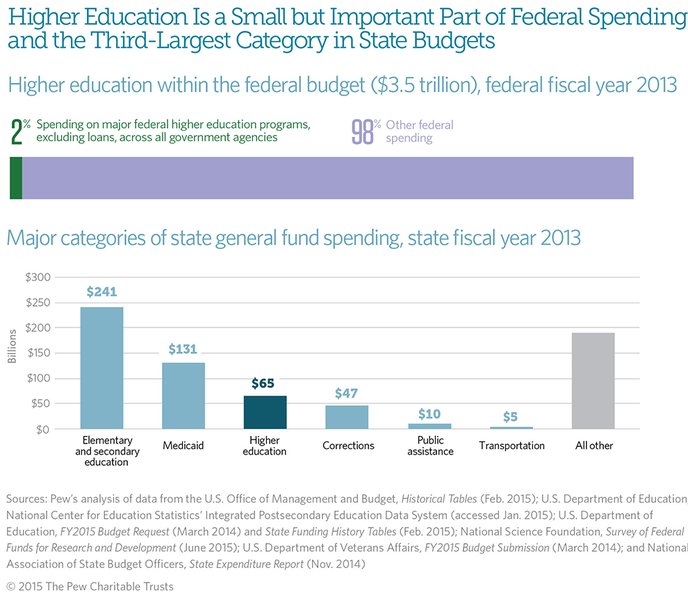

The images above illustrate educational funding patterns and modernized school facilities that have implemented cost-saving measures while maintaining a positive learning environment.
Frequently Asked Questions
References
- Using Trusts to Pay for School Fees - Walji UK
- 20 Tips for Schools to Reduce Operational Costs - LinkedIn
- School Operations Cost-Cutting Strategies - Brightly Software
- Financial Sustainability in Multi-Academy Trusts - Planergy
- Managing Operational Costs in Education - Eddisons Education
-
5 Key Points for School Districts to Reduce Operating Costs - Yellow.live
- How Schools & MATs Are Cutting Costs Without Cutting Corners - Compleat Software
Recommended Searches
Last updated April 7, 2025