
Reflecting on Memorial Day: Honoring Sacrifice, Remembering History
A Deep Dive into the Origins, Evolution, and Enduring Traditions of a Nation's Remembrance
Key Insights into Memorial Day
- Origins in the Civil War: Memorial Day, initially known as "Decoration Day," emerged from the profound need to honor the immense loss of life during the American Civil War, with communities across the nation decorating soldiers' graves.
- Evolution into a National Tribute: While initially focused on Civil War casualties, the holiday evolved to commemorate all American military personnel who died in service across all conflicts, becoming a federal holiday in 1971.
- Balancing Remembrance with Recreation: Though often associated with the unofficial start of summer and celebratory gatherings, the core purpose of Memorial Day remains a solemn day of remembrance and honor for those who made the ultimate sacrifice.
Memorial Day, observed annually on the last Monday of May, is a profoundly significant federal holiday in the United States. Far more than just a long weekend marking the unofficial start of summer, it is a solemn day dedicated to honoring the brave men and women who have died while serving in the U.S. military. The holiday's roots are deeply intertwined with the nation's history, particularly the devastating aftermath of the Civil War, and its traditions have evolved over time to encompass a broader tribute to all who have made the ultimate sacrifice for American freedom.
The Genesis of a National Remembrance: From Decoration Day to Memorial Day
A Nation Mourns: The Civil War's Profound Impact
The origins of Memorial Day can be traced back to the harrowing years following the American Civil War (1861-1865), a conflict that claimed more American lives than any other. The sheer scale of casualties, impacting families and communities across both the Union and the Confederacy, led to spontaneous, local acts of remembrance. Citizens, both Black and white, in the North and South, began decorating the graves of fallen soldiers with flowers, wreaths, and flags. This practice of "strewing flowers on graves" was an ancient tradition, but it gained widespread significance in post-Civil War America as a way to mourn the staggering numbers of dead.
Early Observances and Competing Claims of Origin
While numerous communities lay claim to being the "birthplace" of Memorial Day, several early observances stand out:
- Charleston, South Carolina (May 1, 1865): One of the earliest and most historically significant commemorations was organized by a group of formerly enslaved people in Charleston less than a month after the Confederacy surrendered. They gathered to honor 257 Union dead buried at a former racetrack that had served as a Confederate prison, conducting a parade, readings, and songs.
- Boalsburg, Pennsylvania (October 1864): Three women are said to have placed flowers and wreaths on the graves of Union soldiers who had died serving in the Civil War.
- Columbus, Mississippi (April 25, 1866): Women in Columbus decorated the graves of both Confederate and Union soldiers.
- Waterloo, New York (May 5, 1866): Waterloo is officially recognized by the federal government as the birthplace of Memorial Day. Businesses closed, and residents decorated soldiers' graves with flowers and flags in an annual, community-wide event.
Despite these diverse origins, the sentiment was universal: a desire to honor and remember those who had fallen.
Formalizing the Observance: General Logan's Proclamation
The widespread, but uncoordinated, local observances began to coalesce into a more organized national effort. On May 5, 1868, General John A. Logan, then the national commander of the Grand Army of the Republic (GAR), an organization of Union veterans, issued General Orders No. 11. This proclamation designated May 30, 1868, as a day "for the purpose of strewing with flowers, or otherwise decorating the graves of comrades who died in defense of their country during the late rebellion." Logan chose May 30th because it was not the anniversary of any particular Civil War battle, making it a neutral day for remembrance across the recently reunited nation. This act formalized what became known as "Decoration Day."

A "Thank You Military" yard sign, symbolizing the gratitude extended on Memorial Day.
Transition to a Federal Holiday
Initially, Decoration Day honored only those who died in the Civil War. However, after World War I, as the United States found itself embroiled in new major conflicts, the holiday's focus broadened. It evolved to commemorate all American military personnel who died in service across all wars, including World War II, the Korean War, the Vietnam War, and subsequent conflicts in Iraq and Afghanistan. The name "Memorial Day" became more commonly used after World War II, and it was officially recognized as a federal holiday in 1971 with the passage of the Uniform Monday Holiday Act. This act moved Memorial Day from its traditional May 30th date to the last Monday in May, creating the familiar three-day weekend.
The Enduring Significance and Modern Observances
Balancing Remembrance with Modern Life
Today, Memorial Day weekend often marks the unofficial start of summer, a time for barbecues, lake trips, family gatherings, and travel. While these celebratory aspects are common, it is crucial to remember the holiday's profound meaning. The "greatest casualty is being forgotten," and Memorial Day serves as a vital reminder of the immense sacrifices made for the nation's freedom and security. It is a day to reflect on the cost of liberty and to acknowledge that the burden of sacrifice has often fallen unequally on various communities.
This radar chart illustrates the perceived emphasis on various aspects of Memorial Day, comparing its core historical purpose with how it is often viewed in modern times. While the "Core Purpose" dataset highlights strong values in Solemn Remembrance and Historical Significance, the "Modern Public Perception" dataset shows a slight dip, suggesting a potential shift where the celebratory aspects might sometimes overshadow the day's deeper meaning. This underscores the importance of actively engaging in traditions that uphold the holiday's true intent.
Traditions and Rituals of Respect
Numerous traditions have developed to honor fallen service members:
| Tradition | Description | Significance |
|---|---|---|
| Visiting and Decorating Gravesites | Placing small American flags, flowers, or military branch emblems on headstones in cemeteries. | Directly connects to the holiday's "Decoration Day" origins, offering personal tribute. |
| National Moment of Remembrance | Observing a minute of silence at 3:00 p.m. local time. | A nationwide collective pause to remember and honor sacrifices. |
| Attending Ceremonies and Parades | Participating in or watching community events, often featuring speeches and military honors. | Public display of respect and gratitude for fallen heroes. |
| Wearing Red Poppies | A tradition that originated after World War I, inspired by Moina Michael's poem "We Shall Keep the Faith." | Symbol of remembrance, particularly for those fallen in war. |
| Flag Display | Raising the American flag to half-staff until noon, then to full staff until sunset. | A symbolic gesture of mourning, then a salute to the living. |
| Visiting Former Battlefields or War Memorials | Taking time to learn about historical sites where sacrifices were made. | Connects individuals to the physical spaces of conflict and remembrance. |
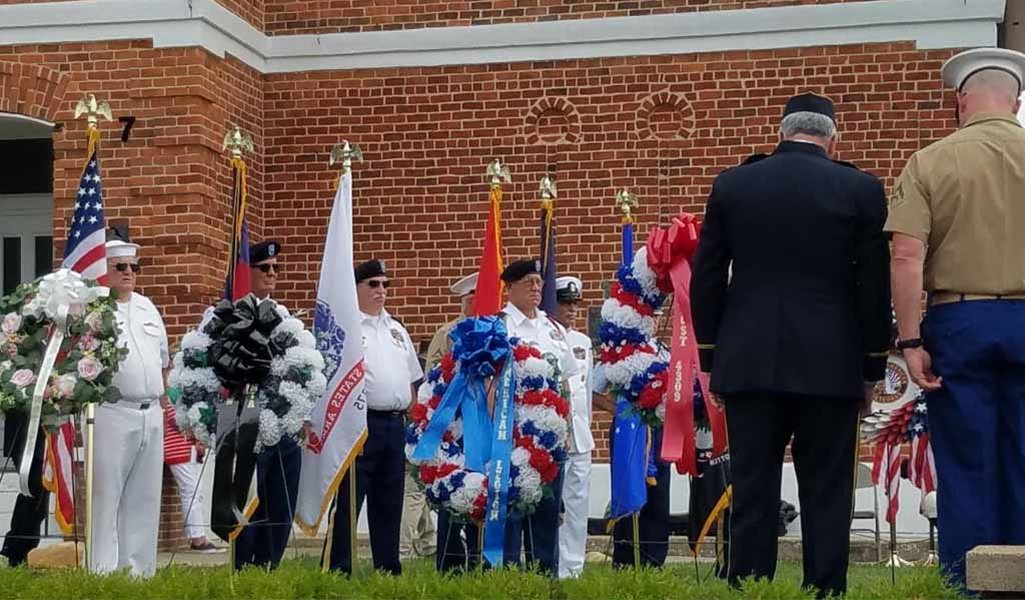
A solemn Memorial Day ceremony, where military personnel render honors.
The Deeper Meaning
While the long weekend often brings opportunities for leisure, it is vital to pause and reflect on the profound "why" behind Memorial Day. It is a day to recognize the extraordinary courage and ultimate sacrifice of those who died defending the nation's values and freedoms. Organizations like the Wounded Warrior Project emphasize that "the greatest tragedy is to be forgotten," urging Americans to look beyond the day off and remember the bravery of the men and women who served and died.
The video below further explores the deeper meaning and purpose of Memorial Day, providing a valuable perspective on its significance.
"Honoring the true meaning of Memorial Day" - This video delves into the perspectives of those who organize remembrance ceremonies and veterans, highlighting the profound importance of remembering and honoring fallen service members.
Frequently Asked Questions About Memorial Day
What is the primary purpose of Memorial Day?
When was Memorial Day first observed?
Why was the date of Memorial Day changed to a Monday?
Is Memorial Day the same as Veterans Day?
What are some common traditions on Memorial Day?
Conclusion: A Legacy of Sacrifice and Remembrance
Memorial Day stands as a powerful testament to the sacrifices made by generations of American service members. From its somber origins in the aftermath of the Civil War to its evolution as a national tribute to all fallen heroes, the holiday serves as a crucial reminder of the profound cost of freedom. While the long weekend often invites recreational activities, it is imperative that we never lose sight of the day's solemn purpose: to remember, honor, and pay tribute to those who gave their lives in service to the United States. By engaging in acts of remembrance, understanding the history, and reflecting on the ultimate sacrifice, we ensure that their legacy endures and that their bravery is never forgotten.
Recommended Further Exploration
- Explore the intricate historical development of Decoration Day and its evolution into Memorial Day.
- Understand the key distinctions between Memorial Day and Veterans Day and their respective focuses.
- Investigate how the Civil War influenced the creation and significance of various American holidays.
- Learn more about the significance of the National Moment of Remembrance and how to participate.