
Explore the Pivotal Events of the Second Punic War
Discover key milestones that reshaped the ancient Mediterranean landscape
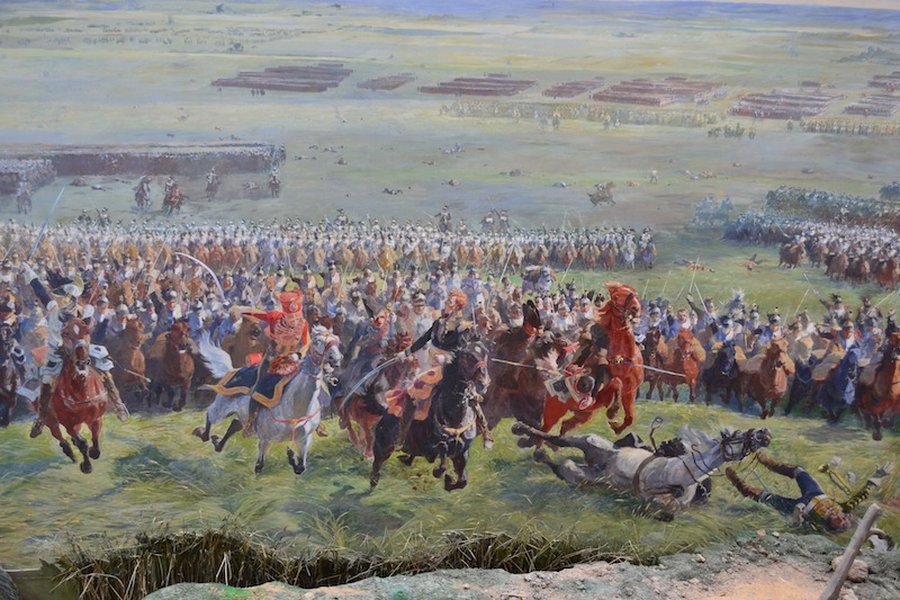
Key Highlights
- Hannibal’s Extraordinary Alpine Passage: A daring maneuver that stunned Rome.
- Decisive Battles and Tactical Innovations: From Trebia to Cannae, pivotal confrontations determined the war’s trajectory.
- Turning Points Leading to Rome’s Dominance: The resurgence under Scipio Africanus and the strategic Battle of Zama.
Introduction
The Second Punic War (218–201 BCE) marks one of the most influential conflicts in ancient history, fundamentally altering the balance of power in the Mediterranean region. It pitted the Roman Republic against the Carthaginian Empire, with the brilliant general Hannibal Barca emerging as a central figure. His strategic brilliance, most notably demonstrated by his legendary crossing of the Alps, resulted in a series of stunning victories and notable setbacks that are still studied in military academies today.
This comprehensive overview highlights the renowned events that defined the Second Punic War, portraying the multifaceted nature of warfare during this era, the intricate diplomacy, and the pivotal moments that eventually led to Rome's supremacy over Carthage.
Major Events of the Second Punic War
1. The Siege of Saguntum (219 BCE)
The conflict's spark was ignited when Hannibal laid siege to Saguntum, a Roman ally in Spain. This act of aggression broke a treaty between Carthage and Rome, forcing Rome into a declared war against Carthage in 218 BCE. The siege not only demonstrated Hannibal’s willingness to challenge formidable powers but also emphasized the importance of territorial and diplomatic tensions in inciting major military conflicts.
2. Hannibal’s Crossing of the Alps (218 BCE)
One of history's most celebrated military feats, Hannibal’s daring march from Spain over the treacherous Alps into Italy is a testament to his audacity and the logistical prowess of his army. Comprising soldiers, cavalry, and war elephants, this maneuver surprised the Romans by attacking from an unexpected front. Despite the harsh conditions and heavy losses, this feat allowed Hannibal to set foot in Italy, laying the groundwork for a series of decisive battles.
3. Battle of Ticinus (218 BCE)
Shortly after entering Italy, Hannibal achieved an early victory at the Battle of Ticinus. This engagement, fought near the Ticinus River, served as a harbinger of the tactics that Hannibal would employ throughout the war, blending rapid movements with tactical deception against Roman forces.
4. Battle of the Trebia (December 218 BCE)
At the Battle of Trebia, Hannibal successfully ambushed the Roman legions, using the winter conditions and terrain to his advantage. This victory underscored Carthaginian agility against the typically disciplined Roman legions and set a tone for the early phases of the war. Roman casualties were significant, and the defeat altered the strategic calculations of the Roman commanders.
5. Battle of Lake Trasimene (217 BCE)
In what remains one of the largest ambushes in military history, Hannibal lured the unsuspecting Roman Army into a trap near Lake Trasimene. The execution of this ambush inflicted a devastating blow to Rome, both in terms of manpower and morale. Many Roman soldiers were encircled and massacred, highlighting the effectiveness of Hannibal’s use of the natural terrain against a more conventional army.
6. Battle of Cannae (216 BCE)
The Battle of Cannae stands as the most celebrated and studied confrontation of the Second Punic War. Hannibal executed a double envelopment tactic, encircling and systematically annihilating a vastly superior Roman force. This battle not only remains a masterpiece of military strategy but also caused widespread panic in Rome as many of its allies switched allegiance to Carthage. The Roman losses were catastrophic, marking a turning point in the conflict that emphasized the vulnerability of even the mightiest military formations when outmaneuvered.
7. The Fabian Strategy and Roman Resilience (217-216 BCE)
In response to successive defeats, Rome adopted the cautious and strategic Fabian approach under Quintus Fabius Maximus. Avoiding open conflict with Hannibal, Rome instead focused on attrition, fortifying alliances, and gradual resource accumulation. This period was reflective of Rome’s determination to outlast Hannibal’s advances rather than confront him head-on, setting the stage for long-term recovery and counteroffensive.
8. Siege of Syracuse (214-212 BCE)
Diversifying the theatres of war, the siege of Syracuse in Sicily was a significant engagement where the Romans succeeded in overcoming local defenses and used innovative siege techniques. The prolonged conflict in Sicily further strained Carthaginian resources and distracted from the central Italian campaigns, contributing indirectly to Rome's ultimate military resurgence.
9. Hasdrubal’s Expedition (207 BCE)
In a critical but ill-fated attempt, Hasdrubal Barca, Hannibal’s brother, tried to reinforce the Carthaginian forces in Italy by traversing the Alps via an alternate route. However, his campaign ended in disaster due to Roman interception and defeat. This failure deprived Hannibal of much-needed reinforcements and contributed to a gradual erosion of Carthaginian strength in Italy.
10. Battle of Ilipa (206 BCE)
This important battle took place on the Iberian Peninsula. Under the command of Scipio Africanus, Roman forces decisively defeated the Carthaginian army in Spain, effectively nullifying Carthage’s capacity to support Hannibal in Italy. The loss of control in Hispania marked a significant strategic retreat for Carthage, illustrating the interconnectedness of the multiple war fronts.
11. Battle of Zama (202 BCE)
The conclusive Battle of Zama ended the Second Punic War. In North Africa, Scipio Africanus managed to counter Hannibal’s tactics with equal brilliance, securing a decisive victory that forced Carthage into an onerous peace treaty in 201 BCE. This battle not only represented the culmination of Rome’s tactical evolution but also marked the definitive shift in regional power, elevating Rome's status as the dominant Mediterranean force.
Visual Data Representation
Radar Chart: Comparing Strategic Mastery Across Key Battles
The radar chart below presents an opinion-based evaluation of strategic innovation, tactical execution, impact on morale, and overall influence on the war across several key battles of the Second Punic War. These evaluations highlight the multifaceted strengths demonstrated by both Carthaginian and Roman tactics during the conflict.
Mindmap of Key Events
Understanding the Flow of the War
The mindmap below represents the key events of the Second Punic War and illustrates their interconnections. This visualization helps in understanding how early events laid the groundwork for subsequent battles and strategic shifts.
Comprehensive Event Details Table
Overview of Major Engagements
The table below provides an organized summary of the major events, including dates, key actions, and the strategic impact on the broader conflict.
| Event | Date (BCE) | Key Actions | Strategic Impact |
|---|---|---|---|
| Siege of Saguntum | 219 | Hannibal’s attack on a Roman ally in Spain | Declared conflict; ignited the war |
| Alpine Crossing | 218 | Hannibal led a diverse army over the Alps | Surprised Roman forces; allowed a foothold in Italy |
| Battle of Ticinus | 218 | Early skirmish in northern Italy | Set the stage for subsequent tactical engagements |
| Battle of Trebia | 218 | Ambush in winter conditions | Significant Roman losses; boosted Carthaginian morale |
| Battle of Lake Trasimene | 217 | Large-scale ambush using terrain | Major setback for Rome; cohesive Carthaginian tactics |
| Battle of Cannae | 216 | Double envelopment tactic resulting in heavy Roman casualties | Most significant defeat in Roman military history |
| Fabian Strategy | 217-216 | Roma’s avoidance of open battle against Hannibal | Allowed Rome time to regroup and strategize |
| Siege of Syracuse | 214-212 | Prolonged siege using innovative techniques | Diversion of Carthaginian resources in Sicily |
| Hasdrubal’s Expedition | 207 | Attempt to reinforce Hannibal from Spain | Failure led to depletion of Carthaginian Italian support |
| Battle of Ilipa | 206 | Roman victory in Spain under Scipio Africanus | Carthaginian influence in Hispania was effectively nullified |
| Battle of Zama | 202 | Decisive engagement where Scipio defeated Hannibal | End of the war; paved the way for Roman dominance |
Embedded Educational Video
Insightful Overview of the Second Punic War
The video below offers an animated and detailed summary of the events and strategies of the Second Punic War, ideal for those who wish to visually grasp the complex maneuvers and key turning points.
Frequently Asked Questions
References
- Key Events and Battles - Ancient Scholar
- Top 10 Biggest Events - Ancient History Lists
- Punic Wars Overview - GeeksforGeeks
- Second Punic War - Wikipedia
- Second Punic War - Britannica
- Timeline - World History Encyclopedia
Recommended Related Queries
Last updated March 31, 2025