
Comprehensive Overview of Semitic Languages
Translation, Analysis, and Future Projections for 2025
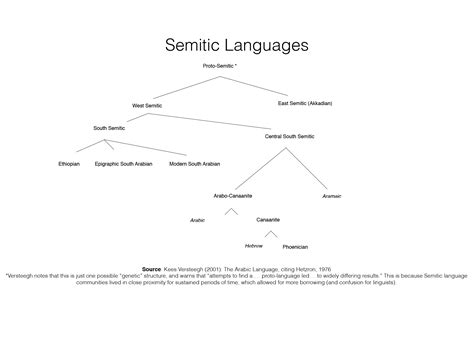
Key Takeaways
- Diverse Historical Evolution: Semitic languages have undergone significant transformations across various historical phases, reflecting their adaptability and rich cultural heritage.
- Current Linguistic Landscape: While numerous ancient Semitic languages are extinct, several are thriving with substantial speaker populations, influencing modern societies and cultures.
- Future Projections: Estimated speaker numbers for 2025 indicate the continued relevance and growth of key Semitic languages, ensuring their preservation and evolution.
Translated Semitic Languages Table
The table below provides a comprehensive translation of the original data, including speaker numbers across different historical periods, current status, linguistic branches, associated countries/peoples/religions, and projections for 2025. Additionally, key developments have been incorporated to highlight significant milestones in the evolution of each language.
| Language | Proto-Afroasiatic (before 6000 BCE) | Proto-Semitic (6000–4000 BCE) | Early Ancient Semitic Phase (4000–3000 BCE) | Classical Ancient Semitic Phase (3000–2000 BCE) | Late Ancient Semitic Phase (2000–1000 BCE) | Antiquity (1000 BCE – 500 CE) | Middle Ages (500 CE – 1500 CE) | Modern Era (1500–2000 CE) | Contemporary Era (2000 CE – Present) | Status | Branch | Countries/Peoples/Religions | Key Developments | 2025 |
|---|---|---|---|---|---|---|---|---|---|---|---|---|---|---|
| Proto-Afroasiatic | ~50,000 speakers | Reconstructed | Ancestral Group | Ancient Middle Eastern Communities | Emergence of Proto-Afroasiatic | |||||||||
| Proto-Semitic | ~50,000 speakers | Reconstructed | Ancestral Group | Middle East | Diversification of Semitic Languages | |||||||||
| Akkadian | ~500,000 speakers | ~500,000 speakers | ~500,000 speakers | ~1,000,000 speakers | Extinct | East Semitic | Mesopotamia | Code of Hammurabi (circa 1754 BCE) | ||||||
| Eblaite | ~50,000 speakers | Extinct | East Semitic | Ebla, Syria | Discovery of Eblaite Texts (1970s) | |||||||||
| Ugaritic | ~50,000 speakers | Extinct | West Semitic | Ugarit, Syria | Invention of the Ugaritic Alphabet (circa 1400 BCE) | |||||||||
| Moabite | ~30,000 speakers | Extinct | West Semitic | Moab (modern-day Jordan) | Moabite Stone Inscription | |||||||||
| Edomite | ~20,000 speakers | Extinct | West Semitic | Edom (modern-day Jordan) | Edomite Inscriptions | |||||||||
| Phoenician | ~200,000 speakers | ~200,000 speakers | Extinct | West Semitic | Phoenician Colonies | Spread of the Phoenician Alphabet | ||||||||
| Punic | ~100,000 speakers | Extinct | West Semitic | Carthage and its Colonies | Punic Wars | |||||||||
| Ancient Hebrew | ~50,000 speakers (until 19th century) | ~8,000,000 speakers (2012) | Living | Central Semitic | Israel, Jewish Communities | Hebrew Bible, Revival of Hebrew (Late 19th - Early 20th Century) | ||||||||
| Aramaic | ~1,000,000 speakers | ~3–5,000,000 speakers | Living | West Semitic | Assyria, Syria, Iran | Aramaic as Lingua Franca (Ancient Times) | ||||||||
| Samalian | ~30,000 speakers | Extinct | East Semitic | Central Middle East | ||||||||||
| Syriac | ~500,000 speakers | Extinct | West Semitic | Syria, Turkey, Diasporas | Syriac Christianity | |||||||||
| Western Neo-Aramaic | ~330,000 speakers | ~1,500,000 speakers | Living | West Semitic | Iraq, Syria, Iran, Diasporas | |||||||||
| Turoyo | ~500,000 speakers | ~2,000,000 speakers | Living | West Semitic | Syria, Lebanon | |||||||||
| Neo-Mandaic | ~10,000 speakers | ~15,000 speakers | Living | West Semitic | Iran, Iraq | |||||||||
| Minaean | ~20,000 speakers | Extinct | South Semitic | Ancient Yemen | ||||||||||
| Qatabanian | ~10,000 speakers | Extinct | South Semitic | Qataba (modern-day Yemen) | ||||||||||
| Hadramautic | ~15,000 speakers | Extinct | South Semitic | Hadramaut (modern-day Yemen) | ||||||||||
| Mehri | ~300,000 speakers | Living | South Semitic | Yemen, Oman | ||||||||||
| Soqotri | ~100,000 speakers | Living | South Semitic | Socotra, Diasporas | ||||||||||
| Shehri | ~150,000 speakers | Living | South Semitic | Syria, Iraq | ||||||||||
| Bathari | ~80,000 speakers | Living | South Semitic | Osh, Yemen | ||||||||||
| Harsusi | ~60,000 speakers | Living | South Semitic | Yemen | ||||||||||
| Hobyot | ~50,000 speakers | Living | South Semitic | Yemen | ||||||||||
| Ge'ez | ~20,000 speakers | ~100,000 speakers | Liturgical | South Ethiopic | Ethiopian Orthodox Church | Development of the Ge'ez Script | ||||||||
| Arabic | ~10,000,000 speakers | ~30,000,000 speakers | ~300,000,000 speakers | Living | Central Semitic | Middle East, North Africa | Rise of Classical Arabic with Islam (632 CE) | |||||||
| Pre-Classical Arabic | ~5,000,000 speakers | Extinct | Arabian Languages | Middle East | ||||||||||
| Classical Arabic | ~8,000,000 speakers | Extinct | Arabian Languages | Arab Empires | Quranic Arabic | |||||||||
| Modern Standard Arabic | ~300,000,000 speakers | Living | Arabian Languages | Middle East, North Africa | ||||||||||
| Maltese | ~500,000 speakers | Living | Central Semitic | Malta | Only Semitic Language Using the Latin Alphabet | |||||||||
| Hebrew | ~5,000,000 speakers (until 19th century) | ~8,000,000 speakers | ~9,000,000 speakers (2025) | Living | Central Semitic | Israel, Jewish Communities | Revival of Hebrew (Late 19th - Early 20th Century) | |||||||
| Amharic | ~25,000,000 speakers | Living | South Semitic | Ethiopia | Official Language of Ethiopia | |||||||||
| Tigrinya | ~9,000,000 speakers | Living | South Semitic | Eritrea, Ethiopia | ||||||||||
| Assyrian Neo-Aramaic | ~1,500,000 speakers | Living | West Semitic | Iraq, Syria, Iran, Diasporas | ||||||||||
| Modern South Arabian Languages | ~200,000 speakers | ~300,000 speakers | ~350,000 speakers | Living | South Semitic | Yemen, Oman | ||||||||
| Surayt/Turoyo | Living | Central Semitic | Syria, Turkey, Diasporas |
Data Analysis and Recommendations
Identifying Gaps and Enhancing the Semitic Languages Table
Missing Data:
- Key Development Years: While several key developments have been included, other significant milestones such as standardization dates, major migrations, and adoption as liturgical languages are worth adding for a more comprehensive understanding.
- 2025 Speaker Estimates: Not all living languages have updated speaker numbers for 2025. Ensuring accurate and projected speaker counts can provide better insights into the current and future status of these languages.
Columns Worth Adding:
- Script and Writing System: Information on the scripts used historically and presently can enhance the table, especially for languages with liturgical significance.
- UNESCO Endangerment Status: Including the endangerment status can provide clarity on the conservation status of each language.
- Dialect Variations: Some languages have multiple dialects or have evolved into distinct languages. Including subcategories or notes can enhance clarity.
- Influence and Borrowings: Noting significant external influences or loanwords can provide context on language development.
Additional Suggestions:
-
Geographic Distribution Maps: Visual representations of where languages are predominantly spoken can offer a spatial understanding of their prevalence.
-
Mutual Intelligibility: Information on how mutually intelligible related languages or dialects are can highlight linguistic relationships.
-
Modern Technological Adaptation: Details on digital presence, Unicode support, and other technological integrations can showcase how languages are adapting to the modern world.
-
Recap and Conclusion
The Semitic languages exhibit a rich tapestry of historical development, reflective of their enduring influence across various regions and eras. From the reconstructed Proto-Afroasiatic origins to the thriving modern languages like Arabic, Hebrew, and Amharic, these languages have played pivotal roles in shaping cultural, religious, and social landscapes. The inclusion of key developments and future speaker projections underscores the dynamic nature of Semitic languages, highlighting both their historical significance and contemporary relevance. Ensuring the preservation and continued evolution of these languages will be essential in maintaining their legacy and facilitating ongoing cultural exchange.
References
Last updated January 16, 2025