
Are Software Sales Exploiting Developers and Open Source Contributors? Unpacking the Ethics
Exploring the complex interplay between software creation, sales practices, and the principles of open source licensing like AGPL.
Highlights: Key Considerations
- Developer Rights vs. Commercial Needs: Software developers possess intellectual property rights, but employment contracts and licensing agreements often dictate how their work is commercialized, creating potential tension if not handled fairly.
- AGPL's Double-Edged Sword: The AGPL license aims to protect open-source contributors by requiring modifications to be shared, especially in networked services, but its strictness can be seen as restrictive by businesses, and it can sometimes be strategically leveraged ("weaponized") in competitive markets.
- The Imperative of Ethical Sales: Ethical software sales demand transparency, honesty about product capabilities and limitations, respect for intellectual property and license terms, and fair treatment of all stakeholders, including developers, contributors, and customers.
The Complex Relationship Between Sales, Developers, and Open Source
Your concern touches upon a sensitive and multifaceted issue within the tech industry: the potential for software sales practices to undervalue or exploit the foundational work done by software developers and open-source contributors. This involves navigating intellectual property rights, the specific stipulations of licenses like the GNU Affero General Public License (AGPL), and the overarching ethical responsibilities of businesses.
The Role of Sales in the Software Ecosystem
Sales teams are a crucial component of the software industry. They act as the bridge between the creators of software and the potential users or customers. Their primary function is to demonstrate the value of a software product, negotiate deals, and ultimately generate the revenue necessary to sustain the business. This revenue funds ongoing development, supports infrastructure, pays salaries (including those of developers), and allows the company to grow.
However, the pressure to meet targets and drive revenue can sometimes lead to ethical conflicts. Sales professionals might feel compelled to oversell capabilities, downplay limitations, or create unrealistic expectations for customers. This can indirectly devalue the meticulous work of developers if the product doesn't live up to the hype, or if complex support issues arise from mismatched expectations. Furthermore, a perception of exploitation can emerge if the rewards from successful sales disproportionately benefit the sales team or company executives, without adequate recognition or compensation flowing back to the developers who created the core value.
Protecting Developer Rights: IP and Compensation
Understanding Intellectual Property
Fundamentally, software developers create intellectual property (IP) in the form of code. Under copyright law (e.g., in the U.S.), the creator of an original work, including software code, automatically owns the copyright. This grants them exclusive rights to reproduce, distribute, modify, and display their work. This ownership is a primary safeguard against unauthorized exploitation.

Software developers are the creators of valuable intellectual property.
The Impact of Contracts
In practice, the ownership and control of IP are often modified by contractual agreements. When developers are employed by a company, their employment contract typically includes "work-for-hire" clauses or specific IP assignment agreements. These legally transfer the ownership of the code created during employment from the individual developer to the company. Similarly, freelance or contract developers negotiate terms that specify who owns the final product and how it can be used.
While these agreements are standard legal practice, they are central to the discussion of exploitation. If developers feel their compensation, benefits, or working conditions do not adequately reflect the value they create and the rights they transfer, a sense of exploitation can arise. Fair compensation, reasonable working hours, recognition for contributions, and clear contractual terms are vital to ensuring developers feel respected and valued, rather than merely cogs in a machine driven by sales.
Open Source Contributions and the AGPL Challenge
The Spirit of Open Source
Open Source Software (OSS) thrives on collaboration, community, and the free sharing of code and knowledge. Contributors volunteer their time and expertise to build and improve software for the benefit of all. Licenses are crucial tools in defining how this sharing occurs and ensuring the software remains "open."
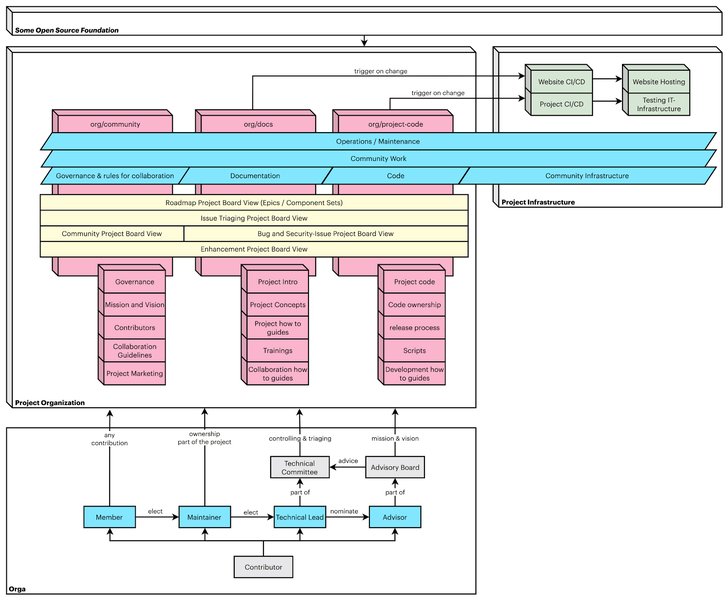
Open source projects rely on defined structures and community collaboration.
AGPL Explained: Protection or Restriction?
The GNU Affero General Public License (AGPL) is a specific, and often debated, open-source license designed with a strong "copyleft" provision, particularly relevant in the age of cloud computing and Software-as-a-Service (SaaS).
Core Principles of AGPL
Unlike more permissive licenses (like MIT or Apache) or even the standard GPL, the AGPL adds a crucial clause regarding network use. Its core principle is that if you modify AGPL-licensed software and make its functionality available to users over a network (like a web application), you must also make the source code of your modified version available to those users under the same AGPL terms. This closes the so-called "ASP loophole" where companies could modify GPL software for internal use on servers without triggering distribution requirements.
Preventing Exploitation
The AGPL is explicitly designed to prevent a form of exploitation where a company could take AGPL-licensed code, modify it significantly, run it as a commercial web service, and keep those improvements proprietary, benefiting from the original open-source work without contributing back modifications. By requiring the sharing of source code even for networked services, AGPL aims to ensure fairness and reciprocity, protecting the contributors' intent for the software to remain free and open.
Commercial Adoption and Concerns
Despite its protective intent, the AGPL is sometimes viewed negatively in the commercial world. Its strict copyleft requirements can be perceived as "viral" or "toxic" by companies that want to incorporate open-source components into proprietary products without being obligated to release their own code. Compliance can be complex, and the legal implications deter many businesses, leading to lower adoption rates compared to other licenses.
Furthermore, there's discussion around the "weaponization" of AGPL. Some businesses might strategically release software under AGPL to build a community and gain adoption, while offering proprietary licenses or features as an upsell, or using the license to create a competitive moat against others who might want to build similar proprietary services. This can feel exploitative to contributors if the company heavily profits from the ecosystem built around the AGPL code without necessarily compensating the original community creators beyond the license's requirements.
Navigating Ethical Dilemmas in Software Sales
Defining Ethical Sales Practices
Ethical conduct is paramount in building trust and sustainable relationships in the software industry. For sales teams, this goes beyond simply avoiding outright fraud. It involves a commitment to honesty, transparency, and respect towards all parties – customers, the company, and the developers/contributors whose work they represent.
This means accurately representing the software's capabilities and limitations, being clear about pricing structures and licensing terms (especially complex ones like AGPL), and genuinely seeking to provide solutions that meet the customer's needs rather than pushing unsuitable products to meet quotas. Practices like "situational pricing" – charging different prices based on perceived customer vulnerability – raise ethical flags as they can feel manipulative and unfair.
The Tension Between Profit and Fairness
A fundamental tension often exists between the drive for profit and the principles of fairness. Sales targets and commission structures can incentivize behaviours that prioritize closing deals above all else. This pressure can lead to corners being cut, information being withheld, or commitments being made that strain development resources or disregard the nuances of open-source licenses.
Exploitation, or the perception of it, often arises in this gap. Developers may feel exploited if their work is misrepresented or sold under unrealistic promises. Open-source contributors may feel exploited if companies leverage their AGPL-licensed work for significant profit while minimizing their own contributions back or navigating the license terms in ways that seem contrary to its spirit. Building an ethical culture requires conscious effort, including ethics training, clear guidelines, accountability, and leadership that values integrity alongside revenue.
Ethical vs. Unethical Sales Approaches
The following table outlines some key differences between ethical and potentially unethical/exploitative sales practices concerning developer and open-source contributions:
| Practice Area | Ethical Approach | Unethical/Exploitative Approach |
|---|---|---|
| Product Representation | Honest portrayal of features, benefits, and limitations. Clear communication about roadmap and support. | Exaggerating capabilities, hiding known issues, making unrealistic promises about future features. |
| Handling Open Source (esp. AGPL) | Transparently disclosing the use of OSS components and their license terms (like AGPL). Ensuring company compliance. Respecting the spirit of the license. | Obscuring the use of AGPL components, downplaying license obligations, attempting to circumvent source code sharing requirements, leveraging OSS contributions without fair reciprocity. |
| Developer/Contributor Recognition | Acknowledging the value created by development teams. Advocating for fair compensation and working conditions. Respecting IP boundaries. | Minimizing developer contributions in sales narratives. Prioritizing sales commissions over fair developer compensation. Disregarding contractual or license-based rights. |
| Customer Interactions | Focusing on customer needs and providing genuine solutions. Building long-term trust. Being transparent about pricing. | Using high-pressure tactics. Selling unsuitable products. Employing manipulative pricing strategies (e.g., opaque situational pricing). |
| Pricing & Licensing | Clear, consistent, and justifiable pricing. Transparent licensing terms and conditions explained upfront. | Opaque or discriminatory pricing. Hidden fees or complex license terms designed to confuse or trap customers. |
Visualizing the Key Factors
The ethical landscape of software sales involves balancing several critical factors. This radar chart contrasts an idealized ethical standard with a representation of common industry practices, highlighting areas where gaps often exist. Higher scores indicate better alignment with ethical principles.
This visualization suggests that while the industry aims for customer value, areas like fair developer compensation, rigorous AGPL compliance, and full respect for open-source contributions often fall short of the ideal ethical standard in practice.
Mapping the Ecosystem
Understanding the dynamics requires seeing how the different players and concepts interact. This mindmap illustrates the relationships between developers, sales teams, companies, customers, open-source principles (like AGPL), intellectual property, and ethical considerations.
(Copyright, Contracts)"] id1c["Compensation & Recognition"] id2["Sales Teams"] id2a["Revenue Generation"] id2b["Customer Interaction"] id2c["Ethical Practices
(Transparency, Honesty)"] id2d["Potential Conflicts
(Pressure, Misrepresentation)"] id3["Open Source Contributors"] id3a["Community Collaboration"] id3b["Licensing (e.g., AGPL)"] id3b1["Copyleft Principles"] id3b2["Network Use Trigger"] id3b3["Sharing Requirements"] id3c["Risk of Exploitation"] id3d["'Weaponization' Concerns"] id4["Companies"] id4a["Product Development"] id4b["Commercialization Strategy"] id4c["License Compliance"] id4d["Ethical Responsibility"] id5["Customers"] id5a["Needs & Solutions"] id5b["Value Proposition"] id5c["Trust & Transparency"]
This map highlights how ethical considerations permeate the interactions between all parties, influenced by factors like IP rights, licensing choices (such as AGPL), and the inherent pressures of commercialization balanced against the collaborative spirit of open source.
Insights from the Field
Discussions around ethics in software development and sales are ongoing. Teams often face pressure to deliver features quickly, while sales teams face pressure to close deals. Balancing these demands with ethical considerations, including fair treatment of creators and adherence to licensing, is a significant challenge. The following video features a panel discussion exploring some of these ethical dimensions within software development teams, which often intersect with sales and business practices.
Panel discussion on ethical pressures faced by software teams.
This discussion highlights the real-world pressures and ethical dilemmas that arise in software creation and delivery, providing context for understanding why concerns about exploitation might surface in relation to sales and commercialization.
Frequently Asked Questions (FAQ)
What makes the AGPL different from other open-source licenses?
The key difference lies in its handling of network use. While licenses like the GPL require source code distribution if you distribute the *software* itself, the AGPL requires source code availability if you provide access to the *functionality* of modified AGPL software over a network (like a website or API). This strong copyleft provision aims to ensure that modifications made for service delivery are also shared back with the community, closing the "ASP loophole."
How are software developers' intellectual property rights typically handled in employment?
In most employment scenarios, developers sign contracts containing "work-for-hire" clauses or specific intellectual property (IP) assignment agreements. These legally transfer the ownership of the software code and related IP created during their employment from the individual developer to the employing company. The company then holds the rights to use, modify, sell, or license that software.
Can using AGPL software in a commercial product be considered exploitative?
It can be perceived as exploitative if a company benefits significantly from AGPL software (especially if modified) without fully respecting the spirit or letter of the license (e.g., finding ways to avoid sharing source code) or without contributing back to the community in meaningful ways. The AGPL aims to prevent this by mandating source code sharing for network services, but tensions arise when commercial interests conflict with open-source principles. Using AGPL software while fully complying with its terms is generally not considered exploitation, as it aligns with the license's requirements.
What are the signs of unethical software sales practices?
Signs can include consistent overpromising and underdelivering, lack of transparency about pricing or hidden costs, misrepresenting product features or limitations, high-pressure sales tactics, unwillingness to discuss license terms clearly (especially for OSS components), and prioritizing closing a deal over ensuring the software is a good fit for the customer's actual needs.
How can companies balance sales goals with ethical treatment of developers and OSS contributors?
Companies can achieve balance by fostering a culture of integrity, providing clear ethical guidelines and training for sales teams, ensuring fair compensation and recognition for developers, implementing robust processes for open-source license compliance (including AGPL), encouraging transparency in sales communications, and aligning sales incentives with long-term customer success and ethical conduct, not just short-term revenue targets.
Recommended
- Explore the practical implications of AGPL license compliance for SaaS companies.
- Discover how intellectual property rights are negotiated in software development contracts.
- Learn about best practices for designing ethical sales incentive programs in the technology sector.
- Find examples of companies that successfully balance open source contributions with commercial success.
References
 sddhsc.wordpress.com
Last updated May 2, 2025