
Innovative Sokoban Game Design Twists
Creative Ideas to Reinvent the Classic Puzzle Experience
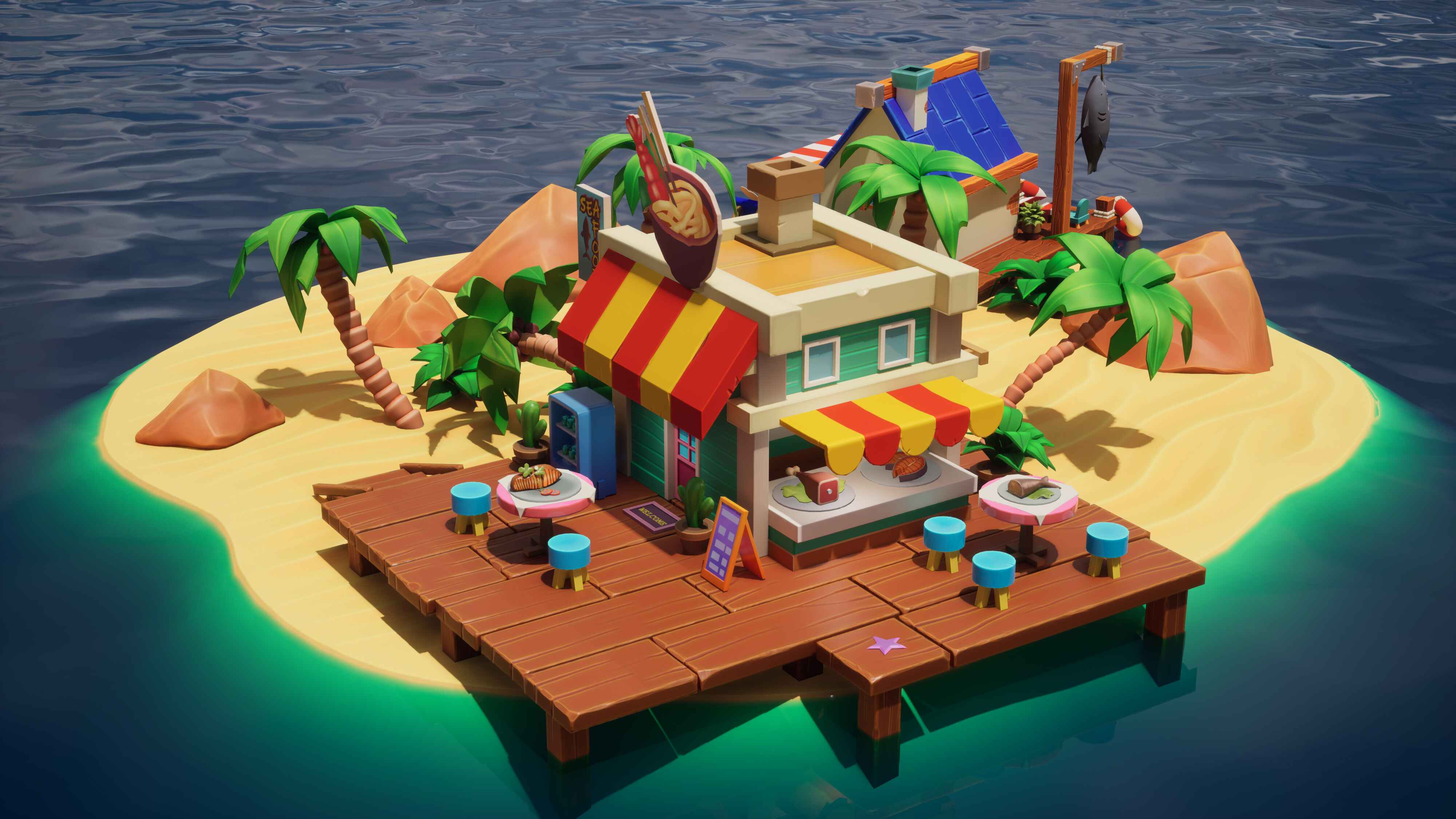
Key Highlights
- Environmental & Mechanical Innovations: Engage players with dynamic elements like ice slides, moving platforms, and interactive tiles that alter box behavior.
- Narrative & Thematic Integration: Embed rich storylines and varied themes, from futuristic robots to mystical islands, to deepen player engagement.
- Multiplayer & Level Design Strategies: Infuse cooperative or competitive modes and intelligent level design techniques to add complexity and replay value.
Introduction
Sokoban, the classic puzzle game that challenges players to maneuver boxes to designated target locations, has captivated gamers for decades. While the simplicity of its core mechanics is one of its strongest points, adding creative design twists can truly rejuvenate the experience. Whether you are developing a new version or revamping an old model, thoughtful enhancements in gameplay mechanics, narrative integration, and visual design can attract a wider audience and enrich overall gameplay.
Environmental and Mechanical Innovations
One of the most effective ways to elevate the Sokoban gameplay is by introducing environmental interactions and mechanical innovations that disrupt the traditional mechanics. Consider injecting dynamic elements that both challenge and surprise the player:
Interactive Tile Mechanics
Introduce specialized tiles that change game mechanics on the spot. For instance:
-
Reversing or Returning Tiles:
Some tiles can force boxes to return to their original positions after being moved, compelling players to plan moves meticulously. This twist adds a layer of strategy and causes players to think in both forward and reverse directions. -
Ice and Slide Mechanics:
Adding ice tiles can cause players and boxes to slide uncontrollably until they encounter an obstacle. This requires additional skill as players manage momentum and calculate stopping points. -
Moving Platforms:
Incorporating moving platforms creates opportunities for transporting boxes over gaps or obstacles, providing a dynamic twist that combines traditional Sokoban puzzle-solving with timing challenges.
Dynamic Element Integration
By incorporating elements that change over time or interact with the player in real-time, you can add a fresh twist to the game:
-
Time-Based Challenges:
Correlate puzzle-solving with a ticking clock or environmental changes. For example, certain levels might require players to complete objectives before a timer runs out, or before a natural phenomenon, like rising water or encroaching fire, alters the playing field. -
Physics-Based Movements:
Adding a layer of physics can change how boxes interact with the environment. For example, boxes might have weight properties affecting how they slide on inclined surfaces, or collisions could change their positions.
Integration of Special Box Types and Abilities
Introduce various box types and player abilities to challenge traditional assumptions:
-
Variable Box Properties:
Some boxes may only move in certain directions or may shrink or enlarge under specific conditions, forcing the player to adapt their strategies. -
Character Abilities and Power-Ups:
Allow players to gain temporary powers such as enhanced strength to push multiple boxes at once or the ability to teleport boxes to new locations. For example, a “muscular twist” can let the hero overcome obstacles that would usually require intricate planning.
Narrative and Thematic Twists
Enhancing Sokoban through storytelling and themes can transform the puzzle-solving experience into an engrossing narrative adventure. The addition of a narrative can motivate players to overcome challenges by providing context and goals beyond the immediate puzzle:
Story Integration
Consider integrating a compelling storyline that weaves through the puzzle mechanics:
-
Narrative-Driven Objectives:
Instead of merely moving boxes, players could progress through a story where every solved puzzle reveals part of the narrative or unlocks new chapters in a tale. This could involve a mystery or quest that gradually unfolds as players advance through levels. -
Contextual Puzzles:
Establish puzzles that resonate with the broader narrative. For example, the puzzles could be integrated into a world where the player is rearranging artifacts in an ancient temple or navigating a spaceship controlled by a sentient AI.
Thematic Variations
Adopting varied themes not only refreshes the visual appeal of your game but also adds another layer of immersion:
-
Diverse Settings:
Experiment with settings such as winter landscapes, mystical forests, futuristic cities, or even a luxe nightclub scene. Each theme can influence the design of puzzles, aesthetics, and even soundscapes. -
Cultural and Historical Themes:
Consider themes drawn from different cultures or historical periods. A level set in an ancient ruin may require players to navigate crumbling architecture, adding contextual puzzles that relate to the historical narrative. -
Fantasy and Sci-Fi Elements:
Incorporate fantastical or futuristic motifs, where the environment is enriched with elements like magic or advanced technology. Imagine Sokoban levels where boxes might emit glowing auras or need to be aligned with cosmic patterns.
Innovative Level Design Strategies
Level design is at the heart of any puzzle game. Employ strategies that ensure levels remain challenging yet intuitive, encouraging creative problem-solving:
Reverse Engineering and Progressive Complexity
Begin by defining the intended solution paths and then craft the level by strategically placing obstacles to create natural challenges:
-
Reverse Level Design:
Design your levels by first envisioning the ideal puzzle solution, and then work backwards to add layers that force the player to make critical decisions. This method helps maintain a logical flow and prevents inadvertent dead-ends. -
Multiple Solutions and Open-Ended Challenges:
Create levels that can be solved in various ways. Encourage players to experiment with different strategies by designing puzzles that offer more than one solution path. This not only increases replayability but also enhances player satisfaction. -
Gradual Introduction of Mechanics:
Start with simpler puzzles that teach new mechanics and gradually escalate the difficulty. Introduce new elements in isolation to ensure clarity, then combine them in later levels for increased complexity.
Creative Puzzle Variations
Expanding the variety of puzzles in your Sokoban game can significantly boost its appeal:
-
Secondary Objectives:
Besides the primary goal of moving boxes, incorporate additional objectives such as collecting hidden items, activating switches, or solving mini-puzzles that indirectly affect the main puzzle layout. -
Complex Puzzle Elements:
Use puzzles where the layout can be rotated, mirrored, or transformed as players progress or trigger specific events. This twist compels players to reassess their approach continuously. -
Interactive Obstacles:
Introduce obstacles that themselves are part of the puzzle mechanics—such as obstacles that move when boxes are pushed—and force players to factor these interactions into their planning.
Table of Level Design Variations
| Design Twist | Gameplay Impact | Player Challenge |
|---|---|---|
| Interactive Tiles | Returns, reversals, ice slides | Requires careful move planning |
| Dynamic Elements | Time-based changes, moving platforms | Adds real-time strategy elements |
| Variable Box Properties | Directional constraints, size changes | Adapts strategy and increases complexity |
| Narrative Integration | Story-driven objectives and contexts | Enhances player investment in puzzles |
| Multiple Solutions | Open-ended approach to design | Fosters creativity with multiple strategies |
Multiplayer and Social Gameplay Options
Incorporating multiplayer or competitive elements into your Sokoban game can widen its appeal by introducing social dynamics and fresh challenges:
Cooperative Modes
Implement game modes where players work together to solve puzzles. Cooperative gameplay can foster communication and team strategy by having players share responsibilities, each controlling different aspects of the environment or different characters with unique abilities.
Competitive Play
Introduce a competitive element where players race against time or each other to solve puzzles using the fewest moves. Such competitive modes can include leaderboards, achievements, and even local or online tournaments.
Visual and Audio Enhancements
Visual aesthetics and audio play a crucial role in enhancing gameplay. They not only set the tone but also facilitate user understanding of the puzzle environment:
Modern and Thematic Aesthetics
Use modern UI elements and polished artwork that harmonize with your chosen theme. Whether your game leans toward pixel art for a retro feel or full 3D environments for a modern twist, ensure that visual cues clearly demarcate interactive elements from background scenery.
Sound Design and Music
A dynamic soundtrack that responds to in-game events along with well-synced sound effects for movements and environmental interactions can enrich the immersive experience. Consider layered soundtracks that build tension during challenging puzzles and switch to mellow tunes upon successful completion.
Integration with Other Game Genres
One creative way to breathe new life into a Sokoban game is to combine its mechanics with other genres. This can provide unique selling points and attract a broader audience:
Genre Blending
Integrate elements from genres such as dungeon-crawlers, platformers, or even card games:
-
Dungeon-Crawling Elements:
Introduce maze-like levels with enemy encounters or traps, blending strategy and real-time action with the puzzle's core mechanics. -
Puzzle-RPG Aspects:
Allow the player to level up, gain new abilities, or collect in-game items that modify puzzle elements. This approach not only increases the depth of gameplay but also ties progression to narrative themes. -
Cross-Genre Challenges:
Offer levels where solving the Sokoban puzzle directly influences another genre’s gameplay, such as rearranging objects to solve a real-time strategy challenge.
User Experience and Iterative Development
In any game, especially one with innovative twists, understanding user feedback and iterating on level design is crucial. Continuous playtesting and refining can help identify which twists are most engaging and which require further balancing.
-
Iterative Design Process:
Develop levels that start with basic mechanics before gradually introducing additional challenges. This iterative process ensures that players aren’t overwhelmed and can adapt to new twists progressively. -
Clear Communication:
Provide subtle visual or audio cues that indicate when special mechanics are in play. A well-designed tutorial or introductory level can guide players through unique game elements, thereby ensuring a smoother learning curve.
Conclusion and Final Thoughts
Designing a Sokoban game that stands out in a dense field of puzzle games means more than simply replicating the classic formula. By integrating environmental dynamics, unique mechanical twists, and rich narrative contexts, you can transform traditional gameplay into an immersive, multi-layered experience.
The key lies in blending innovation with intuitive design—using elements such as interactive tiles, dynamic platforms, and narrative-driven objectives to challenge players while keeping the puzzle logic clear. Whether by incorporating cooperative and competitive multiplayer modes or integrating aesthetically striking visual and audio elements, every twist should serve to deepen engagement and stimulate creative problem-solving.
Your game can evolve into a canvas for storytelling and ingenuity, appealing to both longtime puzzle enthusiasts and newcomers alike. Combining traditional Sokoban mechanics with modern design principles not only creates a fresh challenge for players but also pushes the boundaries of what a modern puzzle game can achieve.
In the end, it is through thoughtful design and continuous iteration guided by player feedback that your innovative Sokoban remake will truly come to life, captivating audiences with each level's unique twist.
References
- SokoNature: A Sokoban-Style Puzzle Adventure with a Twist - The X Box Hub
- Robospierre on Steam - Steam
- Sokobrawn - KBH Games
- Sokoban Game with Strong Narrative Elements - Reddit
- Club Soko Review - Indie Games Plus
- Thinking Outside the Box with Sokoban and Baba Is You - UWM Digital Cultures
- Void Stranger - Thinky Games
Recommended Exploration
Last updated February 23, 2025