
In-Depth Analysis of Solar Net Metering Delays
Comprehensive Overview of Factors Causing Solar Netmeter Delays
Key Highlights
- Regulatory Complexities: Changing policies and administrative nuances are primary drivers of net metering delays.
- Technical and Infrastructure Hurdles: Communication protocols, data processing, and grid integration issues contribute significantly to observed delays.
- Utility and DISCOM Challenges: Bureaucratic processes, resource limitations, and legacy infrastructure slow down the implementation and activation of net meters.
Introduction
The solar industry continues to grow rapidly, turning sunlight into a reliable form of energy. However, one recurring challenge has been delays in solar net metering implementations. These delays can have several consequences, ranging from prolonged waiting periods for homeowners to missed financial benefits and disruptive impacts on grid operations. This detailed analysis explores the multifaceted reasons behind solar net meter delays, incorporating insights into regulatory changes, technical operations, and utility-side challenges.
Overview of Solar Net Metering
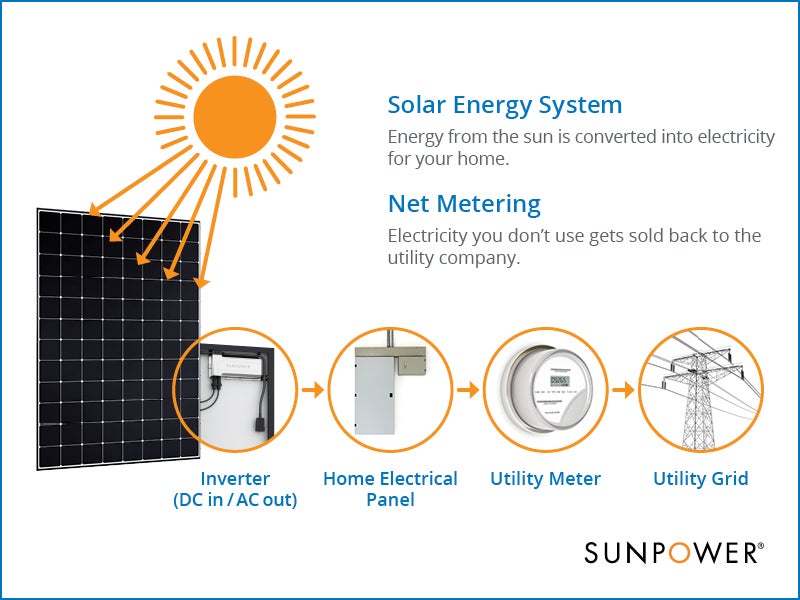
Solar net metering is an essential mechanism that allows solar system owners to feed excess generated electricity back into the grid. In return, they receive credits against their electricity consumption. This system not only supports the utility grid by providing an additional source of power but also encourages self-sufficiency among consumers. However, the efficiency and feasibility of these net metering systems can be significantly hindered by various delays in installation, processing, and synchronization with the grid.
Factors Contributing to Net Metering Delays
1. Regulatory and Policy-Related Delays
a. Changing Regulatory Frameworks
One of the primary factors contributing to net metering delays is the frequent changes or uncertainty in regulatory frameworks. Decisions made by regulatory bodies can delay the introduction or modification of policies such as Net Energy Metering 3.0. When regulators postpone these decisions or modify policies in an environment of ongoing debates—particularly about cost shifting and fairness—solar customers find themselves in limbo. These regulatory adjustments often involve complex deliberations on the distribution of costs and benefits among solar and non-solar users, thereby prolonging the decision-making process and leading to delays.
b. Policy Uncertainty and Administrative Bottlenecks
Net metering policies are not uniform across regions. Differences in state-level standards, ambiguous guidelines, and inconsistent enforcement contribute to administrative delays. Decision-making bodies and local regulatory agencies often face bureaucratic hurdles, such as delays in paperwork processing and inadequate staffing, which further lengthen the timelines for net meter approval and installation. Policy debates over the fairness in cost distribution and the evolving technical compliance requirements add to this uncertainty.
2. Technical and Data Processing Delays
a. System Update Intervals and Sampling Methods
Solar net meters operate by taking periodic readings, which are then aggregated to provide accurate measurements of both energy produced and consumed. Most net meters update their readings at set intervals rather than in real-time. This measurement cycle is essential for ensuring accuracy but can lead to apparent delays in the displayed data. When compared to instantaneous readings, the delay is often a result of the built-in averaging and smoothing algorithms that help mitigate the impact of transient fluctuations in solar output.
b. Communication Protocols and Synchronization
In many solar installations, the net meter is part of a larger system that communicates with other components such as the inverter and centralized network management systems. These communications involve the transfer of data through wireless links, Ethernet connections, or other data channels. Network buffering, device processing times, and safety synchronization checks can lead to temporary lags in data updating. Synchronization with grid operators is essential to verify stability before data is updated, ensuring safe integration into the grid but consequently introducing a delay.
c. Inverter and Firmware Processing
The inverter plays a critical role by converting the direct current (DC) produced by solar panels into alternating current (AC) for grid use. However, delays can also occur at the inverter stage. The inverter often aggregates data from multiple panels and then communicates the result to the net meter. This aggregation, along with firmware-level routines for calibration, noise filtering, and error correction, is designed to improve reliability but inevitably adds a few extra moments before accurate readings are reflected.
3. Utility and Distribution Company (DISCOM) Challenges
a. DISCOM Bureaucratic Procedures
In numerous regions, local distribution companies (DISCOMs) have historically struggled with complex and outdated processes that delay the activation of net meters. These organizations often have inefficient administrative systems, causing backlogs in processing solar interconnection requests. The lack of a standardized approval process across different regions further complicates matters. Delays are especially pronounced in areas that are experiencing rapid growth in solar installations, leading to strains on existing bureaucratic systems.
b. Infrastructure Limitations
Many DISCOMs face challenges due to inadequate infrastructure, which delays the physical installation of net meters. The infrastructure needed to support increased solar penetration, such as updated substation equipment and grid management systems, is often lagging behind the growing demand. Many utilities struggle with limited staffing and outdated equipment, which cannot promptly handle the surge in new installations or additional data processing requirements. These challenges can lead to substantial delays in providing an accurate net metering setup.
4. Administrative and Procedural Hurdles
a. Backlogs and Paperwork Delays
An increasing volume of solar installation applications has led to slow processing times. Excessive paperwork, coupled with manual processes, further compounds the delay. When utilities and regulators face backlogs, even minor procedural inefficiencies can cascade into significant delays in net meter installation. In regions with high solar adoption, this problem is amplified, as the demand often overwhelms what are typically low-capacity administrative systems.
b. Inadequate Standards and Installer Coordination
The lack of uniform standards for interconnection procedures across various regions means that installers often face a patchwork of requirements. This lack of standardization leads to inconsistencies in how different operators and local agencies process net metering installations. Furthermore, coordination between different stakeholders—installers, utility companies, and regulatory agencies—is not always efficient. This misalignment can cause delays in both scheduling installation work and in the broader process of grid interconnection.
5. Economic and Financial Constraints
a. Impact of Cost Shifting Debates
One of the contentious issues within the solar industry is the notion of cost shifting. Utilities argue that net metering can lead to a situation where the costs associated with grid maintenance are disproportionately borne by non-solar users. These debates often lead to policy reviews and changes that delay the rollout of new metering agreements. Financial pressures and disputes over compensation models contribute to longer wait times as new frameworks are negotiated and implemented.
b. Subsidy and Incentive Processing
For both residential and commercial installations, the process of claiming subsidies or incentives can sometimes slow down activation. When financial incentives are tied to timely installations and regulatory approvals, delays in paperwork or subsidy claims further extend the period before a system becomes fully operational. These delays are not only administrative but also strategic, as companies may choose to streamline processes internally, risking further procedural lag.
6. Regional and Local Challenges
a. Variations in Local Regulatory Environments
Solar net metering delays also vary considerably based on local conditions. In some regions, older infrastructure and less developed regulatory processes lead to more significant delays. Regional differences in how utilities are managed, the presence of local incentives, or the priorities of local governments all play roles in how quickly new installations can be integrated into the grid. For instance, certain states have reported backlog issues that can result in delayed activation for weeks or even months.
b. Case Studies in Regional Delays
Specific regional challenges highlight the impact of localized issues. Areas experiencing rapid growth in solar installations, such as parts of California and several states in the northeastern United States, confront bottlenecks due to intense demand on regulatory bodies and DISCOMs. In some cases, local reports have noted that administrative delays might lead to significant financial losses for solar developers measured on a per megawatt basis. These case studies serve as critical examples of why a standardized, streamlined approach is needed across regions.
A Comprehensive Table of Solar Net Metering Delay Factors
| Category | Key Factors | Description |
|---|---|---|
| Regulatory | Policy Changes, Administrative Bottlenecks | Frequent changes in net metering guidelines and lateness in policy updates prolong the approval process. |
| Technical | System Update Intervals, Communication Protocols | Periodic data aggregation, network delays, and synchronization with grid safety checks contribute to apparent lags. |
| Utility/DISCOM | Bureaucratic Procedures, Infrastructure Limitations | Outdated administrative systems and limited resources in utilities lead to delays in processing applications and physical meter installations. |
| Administrative | Paperwork Delays, Lack of Standardization | Backlogs, manual processing, and regional inconsistencies in procedures slow down the overall timeline. |
| Economic | Cost Shifting Debates, Financial Incentive Delays | Ongoing debates about cost distribution, coupled with delays in subsidy processing, can lead to activation lags. |
| Regional | Local Regulatory Efficiency, Market Demand | Unique local conditions, including both high demand and older grid infrastructure, affect the speed of net meter installation. |
Implications and Broader Impact
a. Effects on Solar Adoption
Delays in solar net metering not only impact the financial return for solar system owners but also have broader ramifications for solar adoption rates. Extended waiting times can discourage prospective solar customers by delaying the period in which they realize financial benefits from excess solar production. In addition, the uncertainty associated with regulatory and administrative delays might cause some prospective customers to reconsider or postpone their investments in solar technology.
b. Impact on Grid Operations
On a technical level, delays in accurately integrating distributed energy resources into the grid can affect overall grid stability and efficiency. Accurately metered and timely data for distributed solar generation are vital for grid operators to balance supply and demand, especially during peak hours. When data updates are delayed, grid operators might not have the most current insights into energy flows on the system, which can lead to sub-optimal management of grid stability during rapid changes in energy generation or consumption.
c. Financial Ramifications for Stakeholders
Financially, delayed net metering has a ripple effect. For installers and solar developers, protracted delays mean deferred revenue and potential penalties tied to missed subsidy or incentive deadlines. For utilities, while delayed installation might temporarily mitigate cost shifting issues, prolonged uncertainty affects long-term revenue projections and can spur debates on further reforms in energy compensation policies. Ultimately, all stakeholders feel the financial impact of these delays, urging a more coordinated and standardized approach to net metering implementation.
Strategies to Mitigate Net Metering Delays
a. Streamlining Regulatory Processes
Policy Standardization
One of the long-term solutions to mitigate delays is the standardization of net metering policies at the state or federal level. Regulatory agencies can benefit from creating a uniform framework that minimizes ambiguity and streamlines the approval process across different regions. Establishing clear timelines, standard operating procedures, and transparent guidelines could significantly reduce procedural delays while promoting uniformity in the overall administrative process.
Improved Coordination
Enhanced collaboration between regulators, utilities, and solar installation companies is essential. Joint task forces or dedicated net metering coordination teams can help in monitoring application backlogs, providing real-time updates, and implementing best practices across different jurisdictions. Harnessing modern digital tools for tracking application progress and automating paperwork can accelerate administrative reviews.
b. Upgrading Technical Infrastructure
Enhanced Metering Technology
On the technical side, upgrading metering technology itself can help mitigate delays. Deploying net meters that can process data faster and update more frequently while incorporating more advanced algorithms for smoothing readings without sacrificing accuracy is key. Newer meters with enhanced communication protocols could reduce transmission delays and provide more precise data for grid operators.
Integration with Grid Management Systems
Seamless integration between solar net meters, inverters, and grid management systems is also essential. By improving communication channels—be it via high-speed wired networks or optimized wireless protocols—the gap between energy generation and data display can be narrowed. Leveraging techniques such as predictive maintenance and machine learning for anomaly detection further ensures that any regulatory or technical hiccup can be promptly identified and addressed.
c. Administrative Improvements
Automation and Digital Processes
Governing bodies and utilities should invest in automating manual administrative processes. Digitizing the entire net metering application process—from submission to final verification—can help eliminate unnecessary delays due to paperwork backlogs. Electronic document management systems and automated workflow tools provide more transparency, streamline processes, and reduce the likelihood of human error.
Training and Resource Allocation
Investing in training for personnel involved in the net metering process can also yield significant improvements. Ensuring that field technicians, administrative staff, and utility workers are well-versed in modern installation techniques and procedural requirements can minimize delays related to skill gaps or misunderstanding of new technology protocols. Additionally, allocating sufficient human and financial resources to DISCOMs and regulatory offices can help them keep pace with increasing demand.
Conclusion
In conclusion, delays in solar net metering are the result of a complex interplay of regulatory, technical, administrative, and economic factors. As we have seen, policy uncertainties and frequent regulatory changes stand alongside technical challenges such as system update intervals, communication protocols, and synchronization delays between inverters and net meters. Concurrently, utility companies and regional distribution entities face infrastructural and bureaucratic hurdles that further exacerbate delays. Each of these factors impacts not only the financial returns for solar customers and developers but also poses challenges for overall grid stability, efficiency, and long-term policy planning.
Addressing these delays requires a multifaceted approach: regulatory bodies need to streamline policies, reduce administrative bottlenecks, and invest in clearly defined standard operating procedures; technical upgrades, such as more responsive metering systems and enhanced grid integration, are needed to reduce data latency; and utility companies must improve their administrative and infrastructural frameworks. By implementing these solutions comprehensively, stakeholders can work towards reducing delays, boosting confidence in solar net metering, and ultimately accelerating the broader adoption of solar energy.
The long-term benefits of resolving these issues extend beyond faster installations. Not only will improved net metering timelines enhance the customer experience and financial viability for solar adopters, but the overall resilience of the power grid will also be strengthened through more reliable real-time data integration and operational efficiency. As the solar industry continues to evolve, proactive measures that address these delay factors can help harness the full potential of solar energy, ensuring that the transition to more sustainable energy sources is as smooth and efficient as possible.
References
- Solar Industry Reacts to Indefinite Delay of California Net Metering Decision - SEIA
- Net meter installation delays prevent some solar customers from accumulating credits - WPRI
- The Essence of Net Energy Metering 3.0 and Why It Was Postponed - Ameco Solar
- DER Interconnection Delays on the Distribution Grid - Energy Changemakers
- Net Metering Reform: Premature or Long Overdue? - Power Magazine
- Net Metering: What Is It And How Does It Work? - Solar Reviews
- Why the Utility May Not Be All to Blame for Your Delayed Solar Interconnection - Harness Our Sun
- Penalising DISCOMs for Net Metering Delays Might Drive Growth in Solar Rooftop Industry - Big Wit Energy
Recommended Further Reading
Last updated February 20, 2025