
Sri Lanka's Net Zero Ascent: Charting a Course for Climate Resilience and Global Sustainability
An in-depth look at Sri Lanka's ambitious climate goals, progress, challenges, and contribution to international sustainability efforts.
Highlights
- Ambitious Climate Goals: Sri Lanka commits to achieving net zero emissions by 2050, supported by updated Nationally Determined Contributions (NDCs) targeting a 14.5% emissions reduction by 2030.
- Renewable Energy Focus: A major push towards renewable energy aims for 70% electricity generation from renewables by 2030 and 100% by 2050, focusing on solar and wind power.
- Significant Hurdles & Global Role: While facing challenges like a $100 billion funding gap and policy coordination issues, Sri Lanka's efforts serve as a potential model for climate action in vulnerable developing nations.
Introduction: Setting the Scene for Climate Action
In an era defined by the urgent need for global climate action, nations worldwide are setting targets to achieve net zero greenhouse gas (GHG) emissions. Sri Lanka, an island nation acutely vulnerable to climate change impacts like rising sea levels and extreme weather events, has stepped forward with significant commitments. The country has officially pledged to reach carbon neutrality by 2050, aligning itself with the Paris Agreement's goals. This commitment is formalized through its updated Nationally Determined Contributions (NDCs) and long-term strategies like the Climate Prosperity Plan and the Net Zero 2050 Roadmap. President Ranil Wickremesinghe has also expressed an ambition to potentially reach this goal earlier, by 2040, highlighting the nation's resolve. This article explores Sri Lanka's progress towards this ambitious target, examining the policy frameworks, renewable energy initiatives, implementation status, challenges faced, and the implications of its journey for global sustainability efforts, based on information available up to April 29, 2025.
Laying the Foundation: Policy and Frameworks
Sri Lanka's path to net zero is underpinned by a growing structure of policies, national strategies, and institutional mechanisms designed to guide the transition.
Nationally Determined Contributions (NDCs) & Paris Alignment
Sri Lanka's updated NDCs represent its core commitment under the Paris Agreement. The country aims for a 14.5% reduction in GHG emissions by 2030 compared to a business-as-usual scenario, covering key sectors like energy, transport, industry, agriculture, forestry, and waste. This includes an unconditional target of 4% reduction achievable through domestic efforts alone. These commitments signal Sri Lanka's dedication to contributing its share to limit global warming.
National Strategies: Climate Prosperity Plan & Net Zero Roadmap
Two key documents chart the course:
- Climate Prosperity Plan: This plan focuses on attracting investment and implementing projects that align economic development with climate resilience and mitigation. It emphasizes opportunities in renewable energy, sustainable transport, and green industries.
- Net Zero 2050 Roadmap and Strategic Plan: Developed by the Climate Change Secretariat, this comprehensive roadmap outlines sector-specific pathways to achieve carbon neutrality by mid-century. It details actions needed in energy generation, transportation, industry, agriculture, and waste management to decarbonize the economy.
Institutional Support
Several bodies play crucial roles:
- Climate Change Secretariat (Ministry of Environment): Leads the coordination and implementation of climate change policies and the Net Zero Roadmap.
- Sustainable Development Council (SDC): Established by the Sustainable Development Act No. 19 of 2017, the SDC coordinates, monitors, and reports on the implementation of the 2030 Agenda for Sustainable Development, ensuring alignment between climate action and broader sustainability goals.
However, challenges related to institutional fragmentation and the need for stronger coordination among different government agencies remain areas requiring attention.
Enhancing Transparency: Sustainability Disclosure Standards
To foster corporate accountability, the Institute of Chartered Accountants of Sri Lanka (CA Sri Lanka) has issued localized sustainability disclosure standards, SLFRS S1 (General Requirements for Disclosure of Sustainability-related Financial Information) and SLFRS S2 (Climate-related Disclosures). Effective from January 1, 2025, these standards, aligned with international frameworks, encourage companies to report transparently on their environmental and climate performance, integrating sustainability into business practices.
Driving the Transition: The Renewable Energy Push
Decarbonizing the energy sector is central to Sri Lanka's net zero strategy. The country is actively working to shift away from fossil fuels towards its abundant renewable resources.
Ambitious Targets
Sri Lanka has set clear targets for its power sector:
- Achieve 70% of electricity generation from renewable sources by 2030.
- Reach 100% electricity generation from renewables by 2050.
These targets are crucial for reducing reliance on imported fossil fuels and cutting emissions significantly.
Harnessing Resources: Solar and Wind Power
The focus is primarily on expanding solar and wind energy capacity.
- Solar Power: Initiatives range from large-scale solar parks to rooftop solar installations and solar-powered solutions for rural communities, aiming to benefit agriculture and improve energy access. Large tracts of land, particularly in the North and East, are being identified for utility-scale projects.
- Wind Power: Both onshore and offshore wind potentials are being explored. The Offshore Wind Roadmap, developed with World Bank support, outlines strategies to tap into significant offshore resources. Large private sector investments, like those proposed by the Adani Group, are part of this expansion.
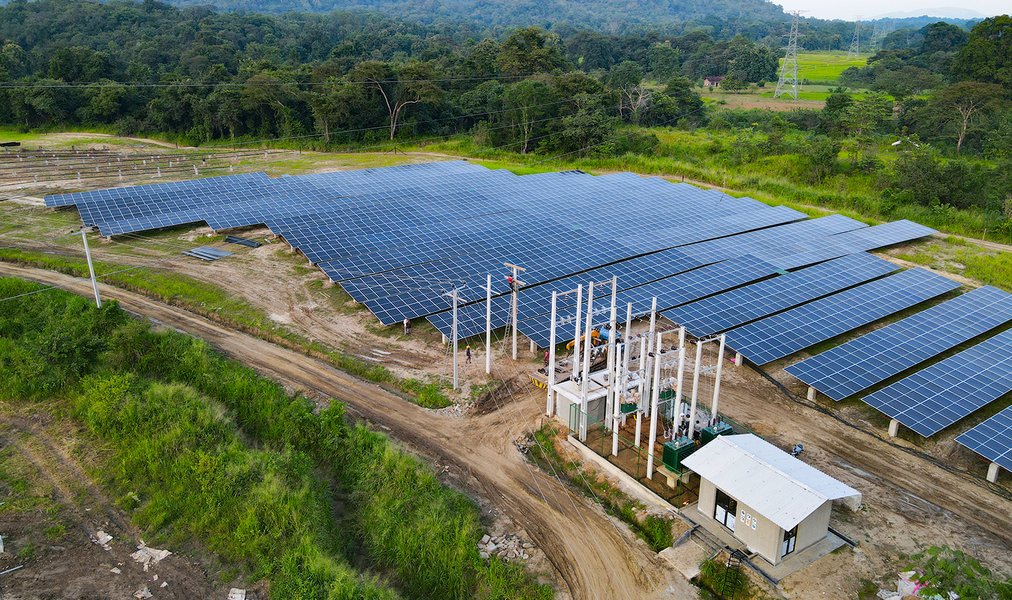
Mahiyanganaya Solar Power Project, showcasing Sri Lanka's investment in solar energy.
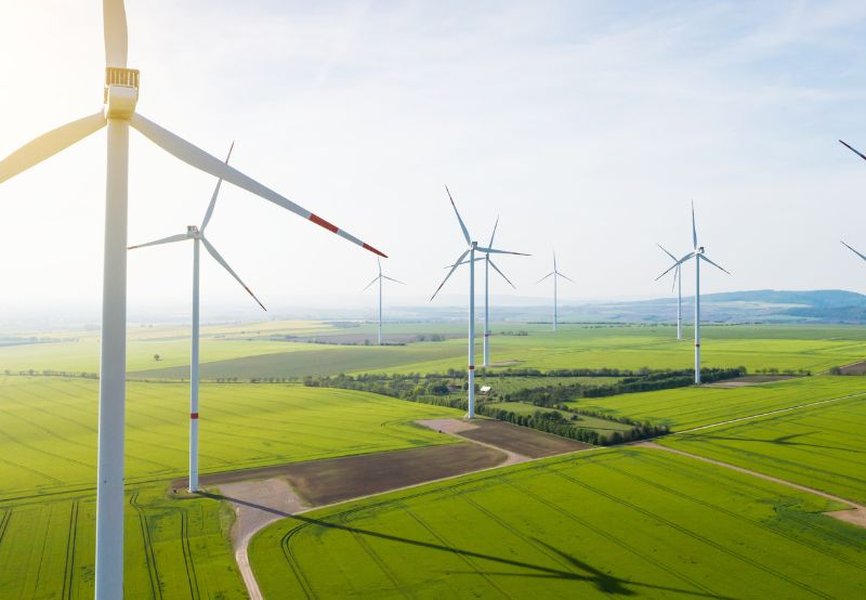
Wind power projects, like those awarded to Adani Green, are key to diversifying Sri Lanka's renewable energy mix.
Infrastructure and Investment
Developing the necessary infrastructure, including grid modernization and energy storage solutions, is vital. The government is actively seeking foreign and private investment to support these large-scale projects. Over 75,000 acres of land have reportedly been identified for renewable energy development, indicating the scale of the planned expansion.
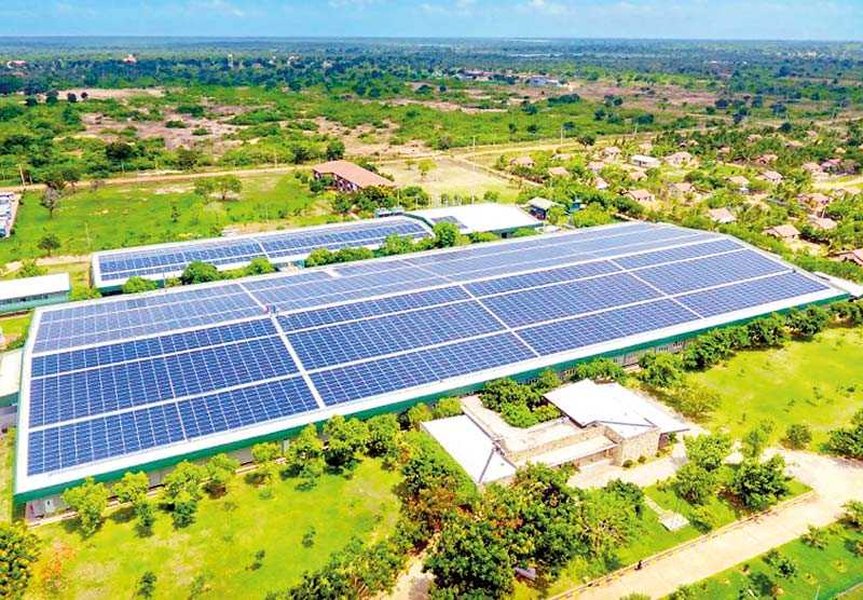
The rise of solar energy adoption in Sri Lanka's business sector contributes to national targets.
Visualizing Sri Lanka's Renewable Energy Strategy
The mindmap below illustrates the interconnected elements of Sri Lanka's strategy to boost renewable energy as part of its net zero ambition.
Renewable Energy Strategy"] id1["Targets"] id1a["70% Renewable Electricity by 2030"] id1b["100% Renewable Electricity by 2050"] id2["Key Technologies"] id2a["Solar Power"] id2a1["Utility-Scale Parks"] id2a2["Rooftop Solar"] id2a3["Rural Solarization"] id2b["Wind Power"] id2b1["Onshore Wind Farms"] id2b2["Offshore Wind Development"] id2c["Hydropower"] id2d["Other Renewables (Biomass)"] id3["Enablers"] id3a["Policy & NDCs"] id3b["Investment (Public & Private)"] id3c["Land Allocation"] id3d["Grid Modernization"] id3e["International Collaboration"] id4["Challenges"] id4a["Financing Requirements"] id4b["Infrastructure Development"] id4c["Intermittency Management"] id4d["Policy Consistency"]
Visualizing Key Factors: Net Zero Driver Assessment
Achieving net zero depends on various factors. The radar chart below provides a qualitative assessment of the current strength of key drivers for Sri Lanka's net zero transition, based on the available information. Scores are estimated on a scale of 3 (Emerging) to 10 (Well-Established).
This assessment suggests that while policy frameworks and adaptation integration are relatively strong, significant gaps exist, particularly in funding availability and institutional coordination. Strengthening these areas will be crucial for accelerating progress.
Navigating the Hurdles: Challenges and Roadblocks
Despite clear ambitions, Sri Lanka faces substantial obstacles on its path to net zero.
The Funding Conundrum
Perhaps the most significant challenge is finance. Achieving the net zero target (whether by 2040 or 2050) is estimated to require approximately $100 billion. Securing this level of investment, especially amidst ongoing economic recovery efforts following recent crises, is a major hurdle. While international support (e.g., through the IMF program) and mechanisms like debt-for-climate swaps are being explored, bridging this funding gap remains critical.
Economic and Institutional Factors
Economic Stability
The country's broader economic health directly impacts its ability to invest in the green transition. While recent IMF reviews show positive signs like slowing inflation and rebounding tourism, sustained economic stability is necessary for long-term climate investments.
Policy Consistency and Coordination
Ensuring consistent policy signals and effective coordination across different government ministries and agencies is vital. Past inconsistencies, such as conflicting investments or fragmented institutional responsibilities, can slow down implementation and deter investors.
Public Awareness
Building broad public understanding and support for the transition, including the benefits of renewable energy and the costs of inaction, is important for driving grassroots adoption and political will.
Sector-Specific Challenges
Decarbonizing key sectors like transportation (heavily reliant on fossil fuels) and ensuring a smooth transition away from existing fossil fuel-based power generation requires targeted interventions, technological advancements, and infrastructure upgrades.
Bridging the Gaps: Innovative Finance
Sri Lanka is exploring innovative financing mechanisms to overcome funding constraints. Debt-for-climate and debt-for-nature swaps are potential tools being discussed, which could convert existing debt obligations into funding for environmental and climate projects, linking economic recovery with sustainability goals.
Progress Check: Implementation and Impact
Despite the challenges, Sri Lanka is making tangible progress in several areas.
Corporate Engagement: Sustainability Reporting
The adoption of sustainability reporting is increasing among Sri Lankan companies. Pioneers like Brandix, which released globally aligned reports early on, demonstrate growing private sector commitment. The new SLFRS S1 and S2 standards are expected to further drive transparency and accountability. Surveys indicate a significant portion of top companies already engage in voluntary reporting, covering emissions and renewable energy use.
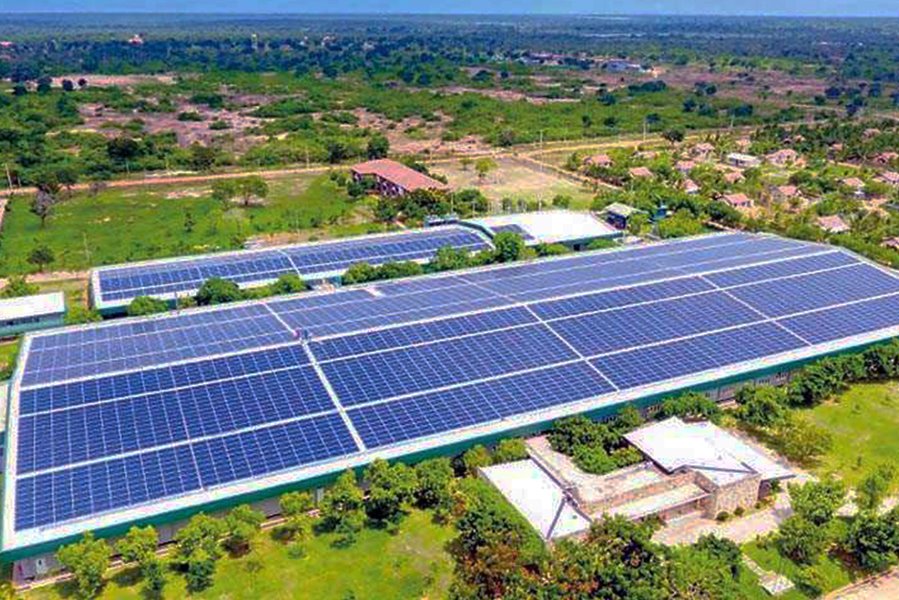
Large-scale corporate initiatives, like MAS Holdings' rooftop solar project, exemplify private sector contribution to green energy goals.
Adaptation and Resilience
Recognizing its high vulnerability, Sri Lanka integrates adaptation into its climate strategy. The National Adaptation Plan (NAP) focuses on building resilience in sectors like agriculture, water resources, and coastal zones against impacts like floods, droughts, and sea-level rise. Initiatives supporting rural resilience through clean energy also contribute to both mitigation and adaptation.
Tracking Emissions and Sequestration
Sri Lanka submits reports like the Biennial Transparency Report to the UNFCCC, tracking its GHG emissions inventory and progress towards NDC targets. Efforts to increase forest cover, aiming for 32% by 2030, are crucial for enhancing carbon sequestration, although analysis is needed to understand trends in the land use sector's role as a carbon sink or source.
Summary Table: Targets, Progress, and Challenges
The following table summarizes key aspects of Sri Lanka's net zero journey:
| Aspect | Target / Goal | Progress / Status Indicator | Key Challenge |
|---|---|---|---|
| Net Zero Emission | Carbon Neutrality by 2050 | Net Zero 2050 Roadmap developed; Presidential ambition for 2040 stated | Securing ~$100 billion funding |
| GHG Reduction (NDC) | 14.5% reduction by 2030 (vs BAU) | Updated NDCs submitted to UNFCCC | Implementing cross-sectoral actions effectively |
| Renewable Electricity | 70% by 2030; 100% by 2050 | Renewable share ~35-39% (baseline varies by source); Large projects planned/approved; Land identified | Grid integration, intermittency management, investment |
| Forest Cover | Increase to 32% by 2030 | Ongoing reforestation/conservation programs | Balancing land use needs, monitoring sequestration effectiveness |
| Corporate Sustainability | Increased transparency & climate action | SLFRS S1/S2 standards launched (2025); Growing voluntary reporting | Ensuring widespread adoption and meaningful action |
| Climate Finance | Secure adequate funding for transition | IMF program links stability & climate; Exploring debt swaps | Magnitude of funding gap; Accessing international climate finance |
| Policy & Governance | Coordinated & consistent climate action | SDC, Climate Secretariat active; National plans in place | Institutional fragmentation, policy coherence across ministries |
Sri Lanka's Role in Global Sustainability
Sri Lanka's efforts, while primarily addressing national priorities and vulnerabilities, have significant implications for the broader global sustainability agenda.
Beyond Borders: Reducing Global Emissions
Although Sri Lanka is a relatively low emitter on a per capita basis, its commitment to net zero contributes to the collective global effort required under the Paris Agreement to limit warming to 1.5°C. Every nation's contribution is vital in bending the global emissions curve downwards.
A Model for Vulnerable Nations?
As a climate-vulnerable developing nation grappling with economic challenges, Sri Lanka's approach to integrating climate action with economic recovery, pursuing renewable energy, and leveraging innovative finance mechanisms (like debt swaps) could offer valuable lessons and potentially serve as a model for other similarly situated countries.
Promoting Climate Finance and Cooperation
By actively engaging in international climate forums (like COP conferences) and seeking partnerships for its Climate Prosperity Plan, Sri Lanka advocates for the climate finance and technology transfer needed by developing countries. Its efforts highlight the importance of international cooperation and equitable burden-sharing in tackling the global climate crisis.
Frequently Asked Questions (FAQ)
What is Sri Lanka's official net zero target year?
Sri Lanka's official commitment, as stated in its Net Zero 2050 Roadmap and submitted documents, is to achieve net zero greenhouse gas emissions by 2050. While the President has mentioned an ambition for 2040, the formal national strategy aligns with the mid-century goal.
What are the biggest challenges Sri Lanka faces in reaching net zero?
The primary challenges include:
- Securing adequate finance: An estimated $100 billion is needed for the transition.
- Economic constraints: Balancing climate investment with economic recovery and stability.
- Policy implementation and coordination: Ensuring consistent policies and effective collaboration between government bodies.
- Infrastructure development: Upgrading the energy grid and transport systems for decarbonization.
- Dependence on fossil fuels: Transitioning key sectors like power and transport away from coal, oil, and gas.
How is the private sector contributing to Sri Lanka's climate goals?
The private sector is increasingly involved through:
- Investing in renewable energy projects: Developing solar and wind power facilities.
- Adopting sustainable practices: Implementing energy efficiency measures and reducing waste.
- Sustainability reporting: Disclosing environmental performance, driven partly by new standards (SLFRS S1/S2) and investor expectations.
- Innovation: Developing green technologies and services.
What does "Net Zero 2050 Roadmap" mean for Sri Lanka?
The Net Zero 2050 Roadmap is Sri Lanka's strategic plan outlining how the country intends to achieve carbon neutrality by the year 2050. It details specific actions, policies, and targets for key emitting sectors (like energy, transport, industry, agriculture, waste) needed to balance greenhouse gas emissions produced with emissions removed from the atmosphere.
Recommended
- Explore the specific projects outlined in Sri Lanka's Climate Prosperity Plan.
- Understand how debt-for-climate swaps function and their potential application in Sri Lanka.
- Compare Sri Lanka's approach to achieving net zero with strategies in neighboring South Asian countries.
- Investigate the importance of climate adaptation measures within Sri Lanka's broader sustainability framework.
References
 assets.kpmg.com
Last updated April 29, 2025