
Unlocking Potential: How Early and Sustained STEM Exposure Shapes Future Innovators
Discover research from leading institutions on the profound benefits of Science, Technology, Engineering, and Mathematics education from childhood onwards.
The journey into Science, Technology, Engineering, and Mathematics (STEM) is increasingly recognized as a critical pathway for individual development and societal advancement. Esteemed institutions like Columbia University's Teachers College, Harvard Graduate School of Education, and Bank Street College of Education have been at forefront of researching and promoting STEM education. Their work consistently underscores the significant advantages of introducing STEM concepts early in a child's life and ensuring continuous engagement throughout their educational trajectory. This exploration delves into the wealth of knowledge these institutions offer, highlighting how early and ongoing STEM exposure cultivates essential skills, fosters equity, and prepares learners for a complex, technology-driven world.
Key Insights: The Power of STEM
- Foundational Skill Development: Early STEM engagement nurtures critical thinking, problem-solving, and creativity from a young age, laying a robust groundwork for future learning and innovation.
- Equity and Access: Targeted STEM programs and research emphasize inclusive practices, aiming to broaden participation for underrepresented groups and ensure equitable access to high-quality STEM education.
- Lifelong Learning and Career Readiness: Ongoing exposure to STEM disciplines equips students with adaptable skills crucial for navigating the evolving job market and contributing to 21st-century advancements.
Institutional Pillars: Driving STEM Education Forward
Columbia's Teachers College, Harvard Graduate School of Education, and Bank Street College of Education each contribute uniquely to the landscape of STEM education through dedicated research, innovative programs, and policy advocacy. Their collective efforts illuminate the multifaceted benefits of sustained STEM learning.

Early exposure to STEM, like these children building with blocks, sparks curiosity and foundational skills.
Columbia University's Teachers College: Cultivating STEM Educators and Environments
Overview of STEM Focus
Teachers College (TC) at Columbia University is a leader in STEM education research and teacher preparation. It emphasizes interdisciplinary approaches and addresses the challenges of providing equitable and effective STEM learning experiences across diverse settings. TC's initiatives often focus on strengthening the pipeline of skilled STEM educators and developing innovative curricula.
Spotlight on Early STEM Exposure Initiatives
TC recognizes the importance of laying a strong foundation in STEM from the early years. Initiatives like the "Systemic Transformation of Inquiry Learning Environments for STEM (STILE 2.0)" target K-8 schools to develop and refine transformative approaches for advancing STEM learning experiences. This project underscores the value of hands-on, inquiry-based learning from a young age. Faculty contributions, such as those by experts in coding and robotics for early education, further exemplify TC's commitment to early STEM engagement.
Championing Ongoing STEM Engagement
Teachers College actively supports continuous STEM learning through various avenues. The Community College Research Center (CCRC) at TC investigates pathways to diversify the STEM workforce, highlighting how community colleges play a crucial role in ongoing STEM education. Furthermore, projects funded by the National Science Foundation, such as those led by Senior Lecturer Jessica Riccio, aim to explore effective strategies for STEM teacher preparation and retention, particularly in high-need districts. This ensures that students have access to qualified STEM educators throughout their schooling. Programs like STEMteachersNYC, an outreach initiative with Columbia Engineering, provide professional development for K-12 STEM educators, promoting sustained excellence in STEM teaching.
Harvard Graduate School of Education: Advancing Equity and Opportunity in STEM
Overview of STEM Focus
Harvard Graduate School of Education (HGSE) places a strong emphasis on increasing access, equity, and opportunity within STEM fields. HGSE's research and commentary often highlight the societal need for a diverse and talented STEM workforce and explore strategies to make STEM education more inclusive and effective for all learners.
Spotlight on Early STEM Exposure Initiatives
HGSE advocates for early interventions to address the preparedness gap for college-level STEM coursework. Research from Harvard experts underscores that only a fraction of high school graduates are adequately prepared for STEM majors, pointing to the necessity of earlier and more pervasive STEM opportunities. The "YOU Belong in STEM" initiative aims to foster a sense of belonging in STEM classrooms and careers from an early stage, recognizing that positive early experiences are crucial for sustained interest and success.
Championing Ongoing STEM Engagement
HGSE emphasizes that success in STEM requires continuous learning, as jobs and skills in these fields evolve rapidly. Dean Bridget Long has noted the significant growth in STEM occupations, underscoring the demand for ongoing education and workforce development. Experts at HGSE advocate for new ways of learning to expand access and create a more inclusive STEM workforce. They also highlight that STEM education builds 21st-century competencies like critical thinking and creativity, which are highly transferable. The STEM designation of the Harvard Business School MBA program further reflects the increasing integration of STEM skills across diverse professional fields, reinforcing the value of sustained, interdisciplinary exposure.

Hands-on learning, a cornerstone of effective STEM education, helps solidify complex concepts.
Bank Street College of Education: Progressive Approaches to Early and Equitable STEM
Overview of STEM Focus
Bank Street College of Education is renowned for its progressive education legacy, emphasizing developmentally appropriate, inquiry-based learning. In STEM, Bank Street focuses on fostering curiosity from an early age and integrating learning with principles of equity and social justice.
Spotlight on Early STEM Exposure Initiatives
Bank Street's Straus Center for Young Children & Families conducts practice-oriented, policy-relevant, and equity-committed research. This work often addresses inequities in early learning, including access to STEM. Their research supports the idea that early exposure to STEM concepts within a supportive and equitable environment is crucial for cognitive and social-emotional development. Programs like the Tiorati Science Program for Schools offer professional development that bridges classroom learning with nature, promoting foundational science and STEM understanding in young children.
Championing Ongoing STEM Engagement
Bank Street's commitment to progressive education extends to supporting ongoing STEM learning through its research, publications, and policy recommendations. They advocate for educational systems that meet the demands of equity and excellence. Research from Bank Street, including studies on adolescent brain development, suggests that cognitive and emotional development, influenced by early and ongoing learning experiences (including STEM), is critical. Historically, Bank Street has also contributed to educational technology with creations like Bank Street Writer, demonstrating a long-standing engagement with technology's role in learning.
Visualizing Institutional Focus: A Comparative Look
The following radar chart offers a comparative perspective on the general STEM education focus areas of Columbia's Teachers College, Harvard Graduate School of Education, and Bank Street College of Education. The scores are interpretative, based on the emphasis found in their research and programs, reflecting relative strengths and priorities in fostering STEM learning from early childhood through higher education and beyond. It's important to note that all three institutions contribute significantly across multiple dimensions.
This chart visualizes how each institution, while broadly supporting STEM, may emphasize certain aspects. For example, Bank Street shows a strong leaning towards early childhood education and equity, Columbia's Teachers College excels in teacher development and K-12 support, and Harvard GSE demonstrates robust activity in policy, research, and higher education pathways alongside equity initiatives.
The Broader Landscape: Synthesizing Key Benefits of STEM
The collective research and initiatives from these leading institutions paint a clear picture of why early and ongoing STEM education is paramount. The following mindmap illustrates the interconnected benefits and the crucial role these educational bodies play in nurturing them.
(e.g., spatial reasoning, numeracy)"] id1c["Promotes Equity in Access
from a Young Age"] id1d["Builds Confidence in
Learning STEM"] id2["Ongoing Exposure"] id2a["Prepares for Advanced
Academic Study"] id2b["Enhances Career Readiness
& Adaptability"] id2c["Supports Lifelong Learning &
Skill Development"] id2d["Addresses STEM Workforce Needs"] id3["Key Skills Developed"] id3a["Critical Thinking"] id3b["Problem-Solving"] id3c["Creativity & Innovation"] id3d["Collaboration & Communication"] id3e["Data Analysis & Interpretation"] id4["Pioneering Institutions"] id4a["Columbia Teachers College
(Focus: Teacher Prep, Curriculum, Equity)"] id4b["Harvard GSE
(Focus: Policy, Access, Systemic Change)"] id4c["Bank Street College
(Focus: Progressive Early Ed, Developmentally Appropriate Practices)"]
This mindmap shows that early STEM exposure lays the groundwork by fostering curiosity and basic skills, while ongoing education builds upon this foundation, leading to advanced competencies and career preparedness. Central to this process are key skills like critical thinking and problem-solving, championed by institutions that provide research, develop educators, and advocate for equitable access.
STEM in Action: Fostering Future Innovators
The practical application of STEM education principles is evident in various programs and research findings. The table below summarizes key areas of focus and initiatives from the three institutions, highlighting their contributions to both early and ongoing STEM learning.
| Institution | Focus Area | Key Initiatives/Research Examples | Primary Benefit Focus |
|---|---|---|---|
| Bank Street College of Education | Early Childhood, Equity, Progressive Pedagogy | Straus Center for Young Children & Families (policy-relevant research on early learning equity), Tiorati Science Program (nature-based science learning), Research on civic reasoning and adolescent brain development. | Foundational cognitive and social-emotional skills, equitable access, developmentally appropriate learning. |
| Columbia's Teachers College | Teacher Preparation, Curriculum Development, K-12 & Higher Ed Pathways | STILE 2.0 (K-8 inquiry learning), Community College Research Center (STEM pathways), NSF-funded projects on teacher preparation (e.g., Jessica Riccio's work), STEMteachersNYC (K-12 PD). | Quality of STEM educators, robust curricula, diversified STEM workforce, student persistence. |
| Harvard Graduate School of Education | Policy, Equity, Access & Opportunity, Higher Ed Pathways | "YOU Belong in STEM" initiative, Research on STEM preparedness and access (e.g., Dean Bridget Long's work), Global Education Review, exploration of maker-centered learning. | Systemic improvements in STEM education, broadening participation, career readiness, inclusive learning environments. |
These institutional efforts are vital in translating research into actionable strategies that benefit learners at all stages. The following video from Columbia University provides a glimpse into initiatives aimed at engaging youth in STEM, showcasing the practical impact of such programs.
The Columbia Youth in STEM Initiative highlights efforts to engage young learners and foster ongoing interest in STEM fields.
This video illustrates how institutions are actively working to bridge the gap between theory and practice, creating engaging opportunities for students to explore and excel in STEM disciplines.
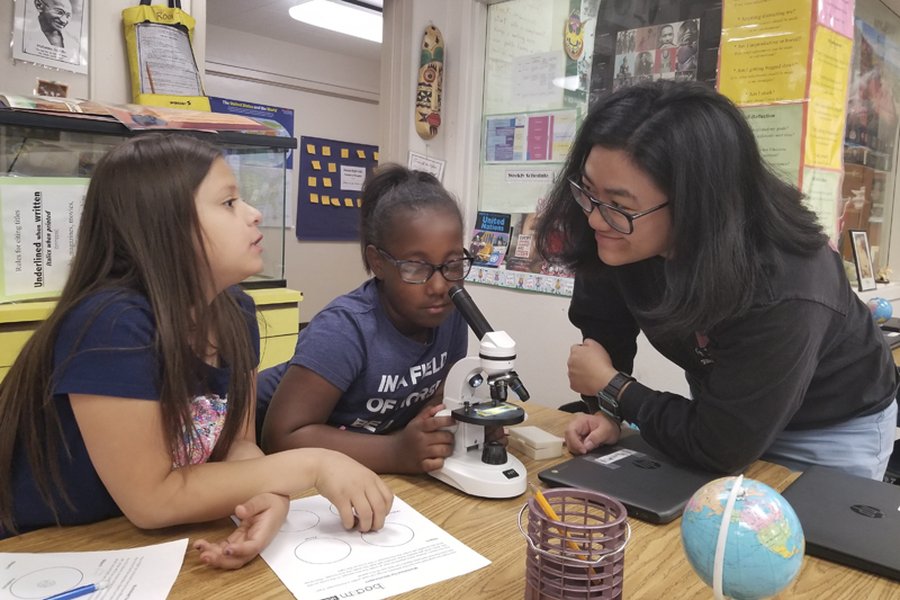
Ongoing STEM education often involves collaborative, project-based learning, preparing students for real-world challenges.
Frequently Asked Questions (FAQ)
What are the core benefits of early STEM exposure for young children?
How does ongoing STEM education contribute to career readiness?
What role do institutions like Columbia's Teachers College, Harvard GSE, and Bank Street College play in promoting STEM?
Are there specific programs mentioned that focus on teacher preparation in STEM?
How is equity addressed in STEM education by these institutions?
Conclusion
The research and initiatives undertaken by Columbia University's Teachers College, Harvard Graduate School of Education, and Bank Street College of Education collectively affirm the profound and lasting benefits of early and ongoing exposure to STEM. By fostering critical skills, promoting equity, and preparing students for future challenges, these institutions are at the vanguard of shaping a more innovative and inclusive tomorrow. Their work provides a robust evidence base for policymakers, educators, and families on the importance of prioritizing and investing in comprehensive STEM education for all learners, from their earliest years through their entire educational journey.
Recommended Further Exploration
- What are some specific STEM curriculum models recommended for early childhood education by leading research institutions?
- How does targeted professional development for STEM teachers impact student engagement and achievement?
- What are effective strategies for increasing the participation and retention of underrepresented minority students in STEM fields?
- What are the documented long-term economic benefits for individuals and society from investing in a STEM-educated workforce?
References
- New STEM Project to Explore Effective Strategies for Teacher Preparation and Retention - Teachers College, Columbia University
- Increasing Access and Opportunity in STEM Crucial, Say Experts - Harvard Gazette
- Applied Research on Progressive Early Childhood Education Policies - Bank Street College of Education
- Community College STEM Pathways - Community College Research Center, Teachers College
- YOU Belong in STEM - Harvard Graduate School of Education
- Research, Publications & Policy - Bank Street College of Education
- The Center for Technology and School Change (STILE 2.0) - Teachers College, Columbia University
- Global STEM Education Review - Harvard Graduate School of Education
Unlocking Potential: How Early and Sustained STEM Exposure Shapes Future Innovators
Discover research from leading institutions on the profound benefits of Science, Technology, Engineering, and Mathematics education from childhood onwards.
The journey into Science, Technology, Engineering, and Mathematics (STEM) is increasingly recognized as a critical pathway for individual development and societal advancement. Esteemed institutions like Columbia University's Teachers College, Harvard Graduate School of Education, and Bank Street College of Education have been at forefront of researching and promoting STEM education. Their work consistently underscores the significant advantages of introducing STEM concepts early in a child's life and ensuring continuous engagement throughout their educational trajectory. This exploration delves into the wealth of knowledge these institutions offer, highlighting how early and ongoing STEM exposure cultivates essential skills, fosters equity, and prepares learners for a complex, technology-driven world.
Key Insights: The Power of STEM
- Foundational Skill Development: Early STEM engagement nurtures critical thinking, problem-solving, and creativity from a young age, laying a robust groundwork for future learning and innovation.
- Equity and Access: Targeted STEM programs and research emphasize inclusive practices, aiming to broaden participation for underrepresented groups and ensure equitable access to high-quality STEM education.
- Lifelong Learning and Career Readiness: Ongoing exposure to STEM disciplines equips students with adaptable skills crucial for navigating the evolving job market and contributing to 21st-century advancements.
Institutional Pillars: Driving STEM Education Forward
Columbia's Teachers College, Harvard Graduate School of Education, and Bank Street College of Education each contribute uniquely to the landscape of STEM education through dedicated research, innovative programs, and policy advocacy. Their collective efforts illuminate the multifaceted benefits of sustained STEM learning.

Early exposure to STEM, like these children building with blocks, sparks curiosity and foundational skills.
Columbia University's Teachers College: Cultivating STEM Educators and Environments
Overview of STEM Focus
Teachers College (TC) at Columbia University is a leader in STEM education research and teacher preparation. It emphasizes interdisciplinary approaches and addresses the challenges of providing equitable and effective STEM learning experiences across diverse settings. TC's initiatives often focus on strengthening the pipeline of skilled STEM educators and developing innovative curricula.
Spotlight on Early STEM Exposure Initiatives
TC recognizes the importance of laying a strong foundation in STEM from the early years. Initiatives like the "Systemic Transformation of Inquiry Learning Environments for STEM (STILE 2.0)" target K-8 schools to develop and refine transformative approaches for advancing STEM learning experiences. This project underscores the value of hands-on, inquiry-based learning from a young age. Faculty contributions, such as those by experts in coding and robotics for early education, further exemplify TC's commitment to early STEM engagement.
Championing Ongoing STEM Engagement
Teachers College actively supports continuous STEM learning through various avenues. The Community College Research Center (CCRC) at TC investigates pathways to diversify the STEM workforce, highlighting how community colleges play a crucial role in ongoing STEM education. Furthermore, projects funded by the National Science Foundation, such as those led by Senior Lecturer Jessica Riccio, aim to explore effective strategies for STEM teacher preparation and retention, particularly in high-need districts. This ensures that students have access to qualified STEM educators throughout their schooling. Programs like STEMteachersNYC, an outreach initiative with Columbia Engineering, provide professional development for K-12 STEM educators, promoting sustained excellence in STEM teaching.
Harvard Graduate School of Education: Advancing Equity and Opportunity in STEM
Overview of STEM Focus
Harvard Graduate School of Education (HGSE) places a strong emphasis on increasing access, equity, and opportunity within STEM fields. HGSE's research and commentary often highlight the societal need for a diverse and talented STEM workforce and explore strategies to make STEM education more inclusive and effective for all learners.
Spotlight on Early STEM Exposure Initiatives
HGSE advocates for early interventions to address the preparedness gap for college-level STEM coursework. Research from Harvard experts underscores that only a fraction of high school graduates are adequately prepared for STEM majors, pointing to the necessity of earlier and more pervasive STEM opportunities. The "YOU Belong in STEM" initiative aims to foster a sense of belonging in STEM classrooms and careers from an early stage, recognizing that positive early experiences are crucial for sustained interest and success.
Championing Ongoing STEM Engagement
HGSE emphasizes that success in STEM requires continuous learning, as jobs and skills in these fields evolve rapidly. Dean Bridget Long has noted the significant growth in STEM occupations, underscoring the demand for ongoing education and workforce development. Experts at HGSE advocate for new ways of learning to expand access and create a more inclusive STEM workforce. They also highlight that STEM education builds 21st-century competencies like critical thinking and creativity, which are highly transferable. The STEM designation of the Harvard Business School MBA program further reflects the increasing integration of STEM skills across diverse professional fields, reinforcing the value of sustained, interdisciplinary exposure.

Hands-on learning, a cornerstone of effective STEM education, helps solidify complex concepts.
Bank Street College of Education: Progressive Approaches to Early and Equitable STEM
Overview of STEM Focus
Bank Street College of Education is renowned for its progressive education legacy, emphasizing developmentally appropriate, inquiry-based learning. In STEM, Bank Street focuses on fostering curiosity from an early age and integrating learning with principles of equity and social justice.
Spotlight on Early STEM Exposure Initiatives
Bank Street's Straus Center for Young Children & Families conducts practice-oriented, policy-relevant, and equity-committed research. This work often addresses inequities in early learning, including access to STEM. Their research supports the idea that early exposure to STEM concepts within a supportive and equitable environment is crucial for cognitive and social-emotional development. Programs like the Tiorati Science Program for Schools offer professional development that bridges classroom learning with nature, promoting foundational science and STEM understanding in young children.
Championing Ongoing STEM Engagement
Bank Street's commitment to progressive education extends to supporting ongoing STEM learning through its research, publications, and policy recommendations. They advocate for educational systems that meet the demands of equity and excellence. Research from Bank Street, including studies on adolescent brain development, suggests that cognitive and emotional development, influenced by early and ongoing learning experiences (including STEM), is critical. Historically, Bank Street has also contributed to educational technology with creations like Bank Street Writer, demonstrating a long-standing engagement with technology's role in learning.
Visualizing Institutional Focus: A Comparative Look
The following radar chart offers a comparative perspective on the general STEM education focus areas of Columbia's Teachers College, Harvard Graduate School of Education, and Bank Street College of Education. The scores are interpretative, based on the emphasis found in their research and programs, reflecting relative strengths and priorities in fostering STEM learning from early childhood through higher education and beyond. It's important to note that all three institutions contribute significantly across multiple dimensions.
This chart visualizes how each institution, while broadly supporting STEM, may emphasize certain aspects. For example, Bank Street shows a strong leaning towards early childhood education and equity, Columbia's Teachers College excels in teacher development and K-12 support, and Harvard GSE demonstrates robust activity in policy, research, and higher education pathways alongside equity initiatives.
The Broader Landscape: Synthesizing Key Benefits of STEM
The collective research and initiatives from these leading institutions paint a clear picture of why early and ongoing STEM education is paramount. The following mindmap illustrates the interconnected benefits and the crucial role these educational bodies play in nurturing them.
(e.g., spatial reasoning, numeracy)"] id1c["Promotes Equity in Access
from a Young Age"] id1d["Builds Confidence in
Learning STEM"] id2["Ongoing Exposure"] id2a["Prepares for Advanced
Academic Study"] id2b["Enhances Career Readiness
& Adaptability"] id2c["Supports Lifelong Learning &
Skill Development"] id2d["Addresses STEM Workforce Needs"] id3["Key Skills Developed"] id3a["Critical Thinking"] id3b["Problem-Solving"] id3c["Creativity & Innovation"] id3d["Collaboration & Communication"] id3e["Data Analysis & Interpretation"] id4["Pioneering Institutions"] id4a["Columbia Teachers College
(Focus: Teacher Prep, Curriculum, Equity)"] id4b["Harvard GSE
(Focus: Policy, Access, Systemic Change)"] id4c["Bank Street College
(Focus: Progressive Early Ed, Developmentally Appropriate Practices)"]
This mindmap shows that early STEM exposure lays the groundwork by fostering curiosity and basic skills, while ongoing education builds upon this foundation, leading to advanced competencies and career preparedness. Central to this process are key skills like critical thinking and problem-solving, championed by institutions that provide research, develop educators, and advocate for equitable access.
STEM in Action: Fostering Future Innovators
The practical application of STEM education principles is evident in various programs and research findings. The table below summarizes key areas of focus and initiatives from the three institutions, highlighting their contributions to both early and ongoing STEM learning.
| Institution | Focus Area | Key Initiatives/Research Examples | Primary Benefit Focus |
|---|---|---|---|
| Bank Street College of Education | Early Childhood, Equity, Progressive Pedagogy | Straus Center for Young Children & Families (policy-relevant research on early learning equity), Tiorati Science Program (nature-based science learning), Research on civic reasoning and adolescent brain development. | Foundational cognitive and social-emotional skills, equitable access, developmentally appropriate learning. |
| Columbia's Teachers College | Teacher Preparation, Curriculum Development, K-12 & Higher Ed Pathways | STILE 2.0 (K-8 inquiry learning), Community College Research Center (STEM pathways), NSF-funded projects on teacher preparation (e.g., Jessica Riccio's work), STEMteachersNYC (K-12 PD). | Quality of STEM educators, robust curricula, diversified STEM workforce, student persistence. |
| Harvard Graduate School of Education | Policy, Equity, Access & Opportunity, Higher Ed Pathways | "YOU Belong in STEM" initiative, Research on STEM preparedness and access (e.g., Dean Bridget Long's work), Global Education Review, exploration of maker-centered learning. | Systemic improvements in STEM education, broadening participation, career readiness, inclusive learning environments. |
These institutional efforts are vital in translating research into actionable strategies that benefit learners at all stages. The following video from Columbia University provides a glimpse into initiatives aimed at engaging youth in STEM, showcasing the practical impact of such programs.
The Columbia Youth in STEM Initiative highlights efforts to engage young learners and foster ongoing interest in STEM fields.
This video illustrates how institutions are actively working to bridge the gap between theory and practice, creating engaging opportunities for students to explore and excel in STEM disciplines.
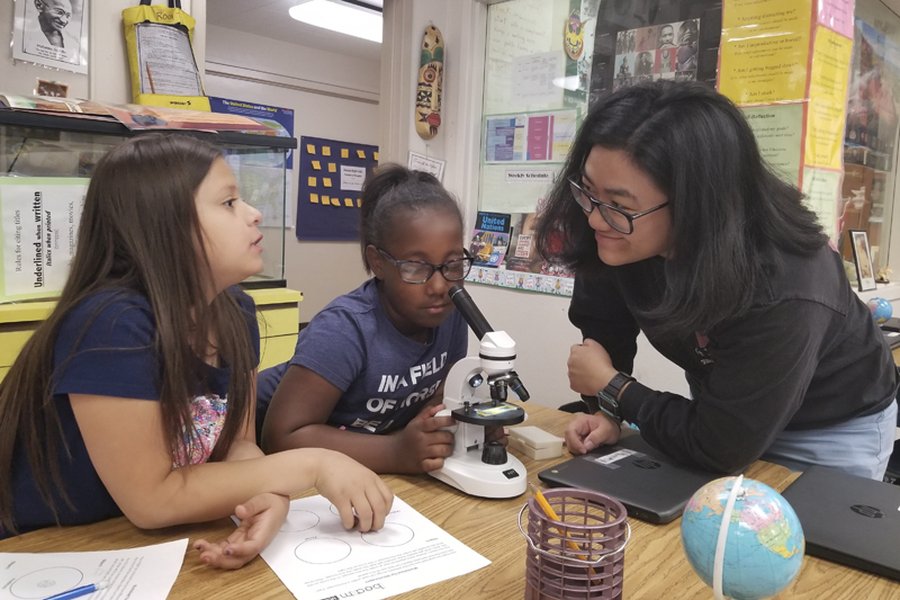
Ongoing STEM education often involves collaborative, project-based learning, preparing students for real-world challenges.
Frequently Asked Questions (FAQ)
What are the core benefits of early STEM exposure for young children?
How does ongoing STEM education contribute to career readiness?
What role do institutions like Columbia's Teachers College, Harvard GSE, and Bank Street College play in promoting STEM?
Are there specific programs mentioned that focus on teacher preparation in STEM?
How is equity addressed in STEM education by these institutions?
Conclusion
The research and initiatives undertaken by Columbia University's Teachers College, Harvard Graduate School of Education, and Bank Street College of Education collectively affirm the profound and lasting benefits of early and ongoing exposure to STEM. By fostering critical skills, promoting equity, and preparing students for future challenges, these institutions are at the vanguard of shaping a more innovative and inclusive tomorrow. Their work provides a robust evidence base for policymakers, educators, and families on the importance of prioritizing and investing in comprehensive STEM education for all learners, from their earliest years through their entire educational journey.
Recommended Further Exploration
- What are some specific STEM curriculum models recommended for early childhood education by leading research institutions?
- How does targeted professional development for STEM teachers impact student engagement and achievement?
- What are effective strategies for increasing the participation and retention of underrepresented minority students in STEM fields?
- What are the documented long-term economic benefits for individuals and society from investing in a STEM-educated workforce?
References
Last updated May 21, 2025