
Definition of Terms for the Impact of Stenography Learning
A Comprehensive Student Perspective on Attentiveness and Performance in BSOA at Kalinga State University
Key Takeaways
- Stenography: The art and science of shorthand writing that enables rapid transcription of spoken language using specialized symbols and techniques.
- Attentiveness: The state of being mentally engaged and focused during learning processes, especially when acquiring complex skills like stenography.
- Performance: The measurable outcomes of academic endeavors manifested in both skill proficiency and overall academic achievements in the BSOA program.
Comprehensive Definition of Terms
In this exploration of the impact of stenography learning on the attentiveness and academic performance of Bachelor of Science in Office Administration (BSOA) students at Kalinga State University, key terms are defined with precision to ensure a clear and standardized framework for analysis. This comprehensive assessment integrates definitions for stenography, attentiveness, performance, and the specific student demographic involved in the study.
Stenography
Concept and Practice
Stenography is defined as the practice that involves rapid shorthand writing designed to transcribe spoken language with great speed and accuracy. This technique uses a system of symbols, abbreviations, and specialized shorthand methods to capture speech in real-time. It is rooted in both theoretical principles and practical applications, requiring students to integrate memory, speed, and accuracy. The process incorporates structured training methods where learners gradually build their proficiency through drills, dictation exercises, and practice sessions geared toward enhancing their speed and legibility. In professional contexts, particularly in settings such as courtrooms, corporate meetings, and administrative environments, stenography is not only a tool for effective communication but also a critical skill for accurate record-keeping and documentation.
The process of learning stenography provides students with more than just a method of transcription; it also instills a disciplined approach to note-taking and critical listening. As learners progress, they develop an enhanced ability to compress complex verbal information into quick, succinct written notes. This skill is essential for roles that demand constant engagement and rapid response under pressure.
Technical Components
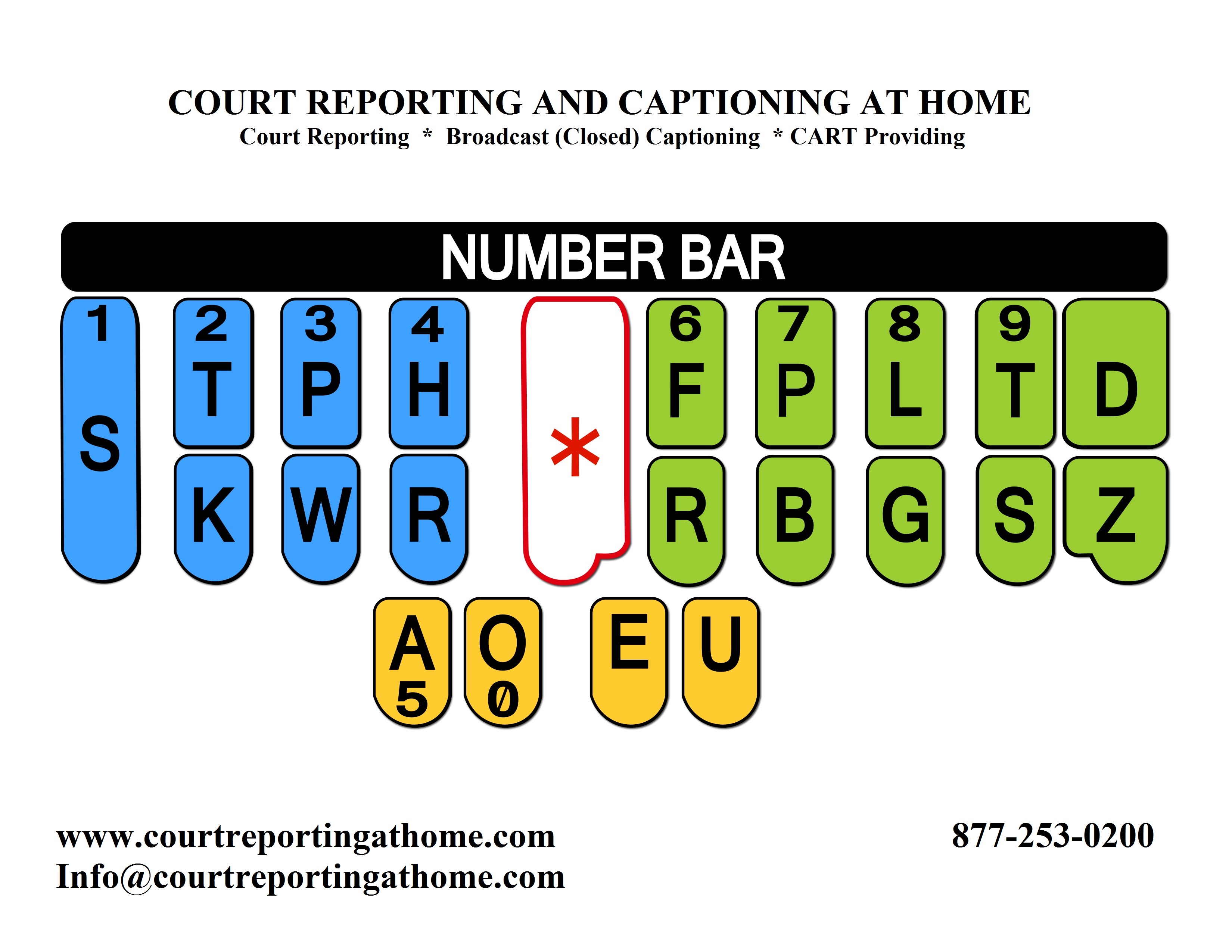
From a technical standpoint, stenography involves understanding the structure of the shorthand system being taught—whether it is a machine shorthand system or a hand-written method. The differentiation lies in the tools used: some students train with a stenotype machine equipped with keyboards designed explicitly for shorthand, while others may rely on traditional handwritten methods. Both pathways demand rigorous practice and are designed to enhance students' cognitive processing speeds and retention capabilities.
Attentiveness
Cognitive Engagement
In an academic setting, attentiveness refers to the cognitive engagement and focus maintained by students during the learning process. This attribute is particularly vital when students are engaged in stenography instruction, as the nature of the subject requires them to listen intently, process information quickly, and translate spoken words into written shorthand almost instantaneously. Attentiveness encompasses both the mental alertness required to catch key details and the sustained concentration needed to practice repeatedly without allowing distractions to impede progress.
Factors Affecting Attentiveness
Several factors contribute to a student's level of attentiveness during stenography lessons. These include the teaching methodology, the classroom environment, individual motivation, and even the inherent challenges presented by the shorthand system itself. Effective stenography training often employs interactive learning methods that foster engagement through a mix of theory, practical exercises, and immediate feedback. When the curriculum is well-structured and the learning environment supportive, students are better able to maintain high levels of concentration, which in turn enhances their ability to internalize the techniques being taught.
Performance
Defining Academic and Practical Outcomes
Performance, in the context of this study, refers to the tangible outcomes of academic endeavors related to stenography learning, including both theoretical understanding and practical skill proficiency. Academic performance is typically assessed using traditional metrics such as test scores and overall course grades, while practical performance is measured through specific tasks such as dictation accuracy, speed of transcription, ability to compose notes rapidly, and the legibility of the notes taken.
Measuring Performance in Stenography
Evaluating performance in stenography involves a multi-faceted approach. Performance assessments may be conducted using standardized tests where students transcribe dictated passages, as well as through observational methods during classroom sessions. The assessment criteria generally include the accuracy of the shorthand, adherence to the symbols and abbreviations of the chosen system, and the overall speed with which a student can record information. These metrics are used to determine how well the students have assimilated the skill and their ability to apply it in real-world scenarios.
Impact on Overall Academic Achievement
In addition to direct stenography skills, performance also encapsulates broader academic achievements. BSOA students who excel in stenography often exhibit enhanced efficiency and organization in other academic areas owing to the skills acquired during their shorthand training. The discipline required to master stenography can translate into better time management, improved cognitive processing, and enhanced problem-solving abilities, which collectively contribute to higher overall academic performance.
BSOA Students at Kalinga State University
Student Demographics and Learning Environment
The target population for this study comprises students enrolled in the Bachelor of Science in Office Administration (BSOA) program at Kalinga State University. These students are on a directed academic path toward careers in administrative, secretarial, and office support roles. Their curriculum is structured to include courses that emphasize practical skills such as communication, documentation, and record management—areas where stenography is recognized as a valuable asset.
The learning environment at Kalinga State University plays a significant role in shaping how stenography is taught and assimilated. The institution strives to integrate modern teaching techniques with traditional methods to create a well-rounded educational experience. As a result, BSOA students benefit from an interactive educational framework that fosters engagement and allows for both the theoretical understanding and practical application of stenography.
Integration of Stenography into the Curriculum
Within the curriculum, stenography is positioned as both an elective and a core competency for students specializing in office administration. It is viewed not just as a means to enhance note-taking skills but also as a component that contributes to overall administrative efficiency. The practical aspects of stenography, when combined with theoretical instruction, provide students with a dual perspective on the art of rapid transcription. This integration ensures that students are not only adept at handling the nuances of shorthand but also proficient in applying these skills during high-pressure situations in professional settings.
Detailed Analysis and Implications on Learning
The study examines the impact of stenography learning by closely evaluating how the acquisition of this specialized skill influences students' attentiveness and overall academic performance. An in-depth analysis recognizes that learning stenography involves more than just memorization of symbols and abbreviations; it requires a significant cognitive load, demanding constant mental agility and creative problem-solving. Over time, the cumulative effect of regular practice sessions results in improved mental focus.
From a cognitive perspective, the learning process associated with stenography teaches students to process information quickly and efficiently. Every session of transcription forces students to engage multiple cognitive functions simultaneously: auditory processing of the spoken language, immediate conversion of that spoken input into a symbolic representation, and the fine motor skills required to write swiftly. This holistic engagement ultimately contributes to better concentration, potentially reducing mental fatigue and increasing overall academic resilience. There is evidence to suggest that the rigorous practice involved in mastering stenography translates into improved performance in other academic areas as well.
Learning Environment and Methodologies
Interactive and Hands-On Teaching Techniques
Modern approaches to teaching stenography emphasize interactive and hands-on methodologies. Rather than relying solely on traditional lectures, instructors often incorporate live dictation sessions, group activities, and immediate feedback loops. These teaching techniques are designed to keep students actively engaged, enhance their attentiveness during lessons, and build confidence in their ability to perform under pressure. When students are provided with immediate corrective feedback, they can quickly adjust their writing style, refine their technique, and accelerate their progress.
Technology Integration in Stenography Training
In the technologically advanced educational environment of Kalinga State University, the use of digital tools and specialized transcription devices plays an essential role in the instruction of stenography. The integration of technology allows for the simulation of real-world scenarios, where students can experience the demands of fast-paced transcription. Tools such as computer-assisted shorthand software and online dictation exercises provide learners with a robust platform for honing their skills. This technological support, combined with traditional training methods, contributes to a more effective learning process and subsequently enhances students’ overall performance.
Practical Implications for Administrative Careers
The skills acquired from stenography training have broad implications for future career performance in the administrative and secretarial fields. In many professional settings, the ability to rapidly and accurately capture spoken information is invaluable. Mastery of stenography allows BSOA graduates to perform administrative duties more efficiently, organize meetings with swift record-keeping, and enhance overall communication within an organization. This practical skill serves as a competitive advantage, fostering greater marketability and readiness for the challenges of modern administrative roles.
Empirical Data and Comparative Analysis
To provide a clearer picture of the impact of stenography learning, a comparative table of performance metrics and attentiveness indicators can be helpful. The table below summarizes key factors that are observed in students engaged in stenography training compared to those who have not fully adopted stenographic practices.
| Criteria | Stenography-Trained Students | Non-Stenography-Trained Students |
|---|---|---|
| Transcription Speed | High speed with structured efficiency | Moderate speed; potential delays |
| Transcription Accuracy | High accuracy due to continuous practice | Varied accuracy; often subject to errors |
| Attentiveness in Class | Enhanced focus with interactive lessons | Standard focus levels dependent on teaching methods |
| Cognitive Engagement | Intensively engaged due to multifaceted tasks | Engaged mostly in traditional note-taking practices |
| Overall Academic Performance | Higher overall performance; better organization | Standard academic performance |
The data indicate that incorporating stenography training into the curriculum not only enhances the students' transcription speed and accuracy but also significantly bolsters their attentiveness. The rigorous practice and interactive nature of the training contribute to greater cognitive engagement, which in turn reflects positively across other academic and practical areas.
Long-Term Educational and Professional Benefits
Enhanced Cognitive Skills and Memory
Beyond immediate academic outcomes, the process of learning stenography has long-term implications for cognitive development. Students refine their short-term and long-term memory, improve their ability to process complex information rapidly, and develop better problem-solving skills. The discipline required for stenography training encourages a meticulous approach to learning, which is transferable to various fields of study and professional practices. Over time, these cognitive enhancements contribute to a more robust academic foundation and lifelong learning habits.
Career Readiness and Marketability
In a competitive job market, the specialized skills acquired through stenography training serve as a unique advantage for BSOA students. Career readiness is significantly increased when graduates can demonstrate proficiency in rapid and accurate documentation—a skill that is highly prized in administrative, legal, and media environments. Employers value the precision and efficiency that comes from a well-developed shorthand skill set, appreciating that such capabilities translate into improved operational productivity and efficient communication channels within the workplace.
Conclusion
In summary, the definitions of stenography, attentiveness, and performance are integral to understanding the multifaceted impact of stenography learning on the BSOA students at Kalinga State University. Stenography is not merely a technical skill but a comprehensive learning tool that enriches cognitive function, enhances academic achievement, and refines professional competency. Attentiveness, characterized by enhanced cognitive engagement and focus, plays a key role in enabling students to master this skill, while overall performance is reflected in both measurable academic outcomes and practical proficiency in real-world tasks.
As a student immersed in this field of study, the examination of these terms highlights the synergy between targeted skill development and broader academic success. The clear definition of these key terms provides a solid foundation for evaluating how specialized training, such as that provided by stenography, can lead to significant improvements in both learning and professional performance.
References
- Patino Kodigodocx - Course Hero
- Local Media Doc - Course Hero
- Skills Proficiency and Marketability - Academia
- IJRES Paper - IJRES
- Final Thesis Document - Scribd
- Tandfonline Article - Taylor & Francis
- Capturing Words at the Speed of Thought - IWP Academy
More
Last updated February 19, 2025